Practical, readable guide to buying Mazdas — new or used. This article breaks down Mazda reliability, ownership costs, standout models (CX‑5, Mazda3, MX‑5), turbo vs. NA engines, resale value, and a step‑by‑step buying checklist. Learn how to inspect oil‑consumption risk, verify recalls, use vehicle history reports, and protect your purchase with a professional inspection and CARFAX-backed tools. Ideal for value‑conscious drivers who care about design and driving feel.
A rav4 used for sale can be a sensible pick for many research-oriented buyers because reliability aggregators rate the model above average and safety ratings are generally strong. This guide explains how to vet listings, what model years tend to be better, and a step-by-step checklist to reduce risk before you buy.
This guide explains how to estimate the cost of buying an R34 Skyline, with attention to import rules, condition-driven price tiers and landed cost. It shows which factors move value, how to verify history and paperwork, and offers a checklist you can follow when you search for a nissan skyline r34 for sale.
This guide helps buyers set realistic expectations for tacoma trucks for sale by explaining the main price drivers and a repeatable method to build conservative, typical, and ambitious offer ranges. It shows how the 2024 redesign, valuation guides, and vehicle history reports interact to change asking prices and reduce purchase risk.
If you enjoy driving and value smart design, this guide answers the practical question: are Mazda cars a good buy? We’ll look at reliability, ownership costs, standout models, common problem areas and a concrete checklist to help you choose wisely.
1. Mazda CX‑5, Mazda3 and MX‑5 consistently earn above‑average reliability ratings in multiple reviewer roundups through 2023–2024.
2. Typical annual repair costs for non‑luxury Mazda models often land in the low‑to‑mid hundreds of dollars relative to peers.
3. CarFax Deals pairs listings with verified CARFAX Vehicle History Reports and price analysis labels to help buyers reduce risk before visiting a dealer.
Are Mazda cars a good buy?
Short answer: If you value driving feel, clean design and solid ownership economics, then Are Mazda cars a good buy? often lands as a confident “yes.” But the full answer depends on which Mazda you’re considering, the engine and trim, how the car was maintained, and whether you buy new or used.
Mazda builds cars that reward people who care about the way a car drives and looks. The brand’s Skyactiv philosophy focuses on lighter construction, tuned chassis dynamics, and efficient engines. Over the past decade those choices made Mazda models like the CX‑5, Mazda3 and MX‑5 Miata consistent favorites for drivers who want more than basic transportation.
Below you’ll find a practical, step‑by‑step breakdown so you can answer Are Mazda cars a good buy? for your budget and needs, avoid common pitfalls, and shop with confidence.
Why Mazda often looks like a smart buy
Driving character: Many Mazda models are tuned to feel precise and alive — not numb and not harsh. The MX‑5 Miata is the purest expression: light, direct and endlessly engaging. The Mazda3 brings a sporty, near‑luxury feel to the compact class, while the CX‑5 pairs comfortable ride quality with sharp steering.
Design and interior quality: Mazda consistently punches above its price class. Interiors, materials and trim levels often feel more premium than the price tag suggests.
Engineering philosophy: Skyactiv technologies emphasize efficiency and driving engagement. That combination helps Mazdas deliver competitive fuel economy while remaining fun to drive.
Reliability and ownership costs
Answering Are Mazda cars a good buy? requires an honest look at real ownership costs. Routine repair bills for Mazdas tend to sit in the low‑to‑mid hundreds of dollars per year relative to the non‑luxury market. That’s a practical baseline: regular oil changes, brakes, tires and small items usually make up the bulk of expenses.
However, some engine variants — especially the turbocharged 2.5‑liter (2.5T) — have reported oil‑consumption issues on certain model years. That can lead to more frequent oil top‑offs and occasionally more involved repairs (PCV system, turbo servicing). Those aren’t universal failures, but they are common enough that buyers should watch for them. For background reporting on the oil‑consumption issue see the Carscoops coverage (Carscoops: Oil‑Burning Mazda 2.5L Turbo) and owner discussions such as this Reddit thread about 2.5T reliability. There are also video explainers that walk through common failure points (YouTube: The TRUTH About Mazda's 2.5 Turbo Engine Reliability).
Key Mazda models to consider (and why)
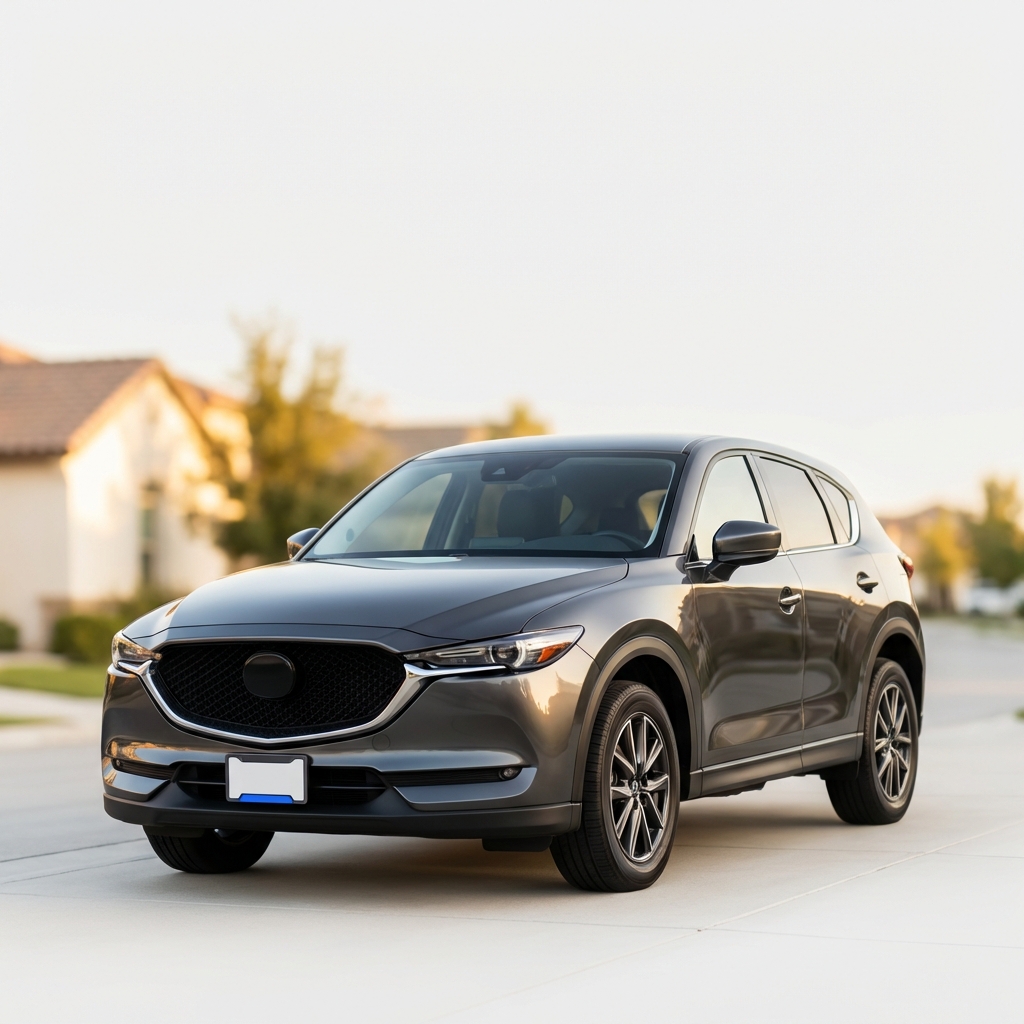
CX‑5: Quiet, composed and practical. It’s an excellent family crossover for buyers who want a comfortable ride with a bit of driving engagement. Higher trims include premium finishes that raise perceived value.
Mazda3: Sporty compact with near‑premium cabin feel. It’s a great option if you want an engaging daily driver that still works in the commute.
MX‑5 Miata: A lightweight roadster that’s cheap to run and a pure driving pleasure. If weekend fun is a priority, few cars beat the Miata for the money.
Other models: Mazda’s CX‑30 and CX‑50 extend the driving‑focused ethos to smaller and slightly more rugged crossovers.
Common mechanical concerns and how to avoid them
The single biggest practical risk for Mazda buyers is skipping specific checks on the turbocharged 2.5T variants and the newer Skyactiv‑X engines. These powertrains can be excellent — delivering brisk performance and good efficiency — but they have unique maintenance notes. That’s why answering Are Mazda cars a good buy? is as much about the specific car as it is about the brand.
What to check:
Oil‑consumption history on 2.5T cars (documented top‑offs, manufacturer service campaigns).
Records of PCV or turbo‑related repairs.
Regular oil changes using correct oil grade.
Evidence of corrosion control if the car has lived in a salt‑use region.
Used‑car checklist: how to reduce risk
Want an answer to Are Mazda cars a good buy? that’s tailored to a particular listing? Use this checklist:
Prefer single‑owner cars with full service records.
Run a VIN check (CARFAX, NHTSA) to confirm title, accidents and recall completions.
Pay for a professional pre‑purchase inspection from a Mazda‑savvy mechanic.
Ask about oil‑consumption history and any turbo or PCV service records if the car is a 2.5T.
Look for documented recall work for airbags, fuel systems or other campaigns.
Using reports and tools to answer “Are Mazda cars a good buy?”
Data matters. VIN‑level history reports surface accident records, ownership changes and service entries that can help you decide. Platforms that combine listings with verified history reports reduce guesswork and highlight risk indicators. For example, you can
run a CARFAX vehicle history report via run a CARFAX vehicle history report to check accident history, title status, and service records before contacting a dealer.
That single action — verifying the VIN and confirming service history — often separates a confident, safe buy from a risky one.
Safety, recalls and technical service bulletins
Mazda vehicles generally perform well in crash testing and now include active safety systems across many trims. Still, Mazda had recalls and technical service bulletins across 2020-2024 for issues like airbag modules, fuel systems and software updates. These are typically fixable, but you should always verify recall completion with the VIN before you buy.
Yes. A CARFAX report is indispensable for spotting documented damage, title problems and service history, but it cannot reveal current mechanical wear, leaks, or hidden accident damage the way a hands‑on inspection can. Use the report to shortlist candidates and an inspection to confirm condition.
Yes — and here’s why. A CARFAX report is essential for visible history, but it can’t replace the eyes and hands of a trained mechanic who will look for wear, leaks, and mechanical symptoms that reports don’t show. Think of the CARFAX report as a critical map and the mechanic as the guide who confirms the terrain is as advertised.
Depreciation and resale value
If your main goal is maximum resale value, Mazda is strong but not always the leader. A well‑maintained CX‑5 often holds value better than a highly optioned Mazda3 in a competitive market. Depreciation varies by model, trim, region and supply. The compact‑SUV trend has helped CX models retain demand, but nothing in used‑car economics is guaranteed.
Real ownership stories — what they teach us
Real owners give practical perspective:
Lisa: Bought a two‑year‑old CX‑5 in 2021. Regular maintenance kept the car reliable; her major items were wheel bearings at 80k miles and brake‑caliper service in year five. Overall cost: reasonable for a family commuter.
Mark: Owned a Mazda3 with a 2.5T engine and noticed steady oil‑loss. After multiple inspections a worn PCV part was found and updated under a service campaign. Mark’s experience shows how persistence and the right mechanic make problems solvable.
Maintenance habits that make Mazdas last
Simple habits protect value and reliability:
Regular oil and filter changes (follow Mazda’s schedule and oil grade recommendations).
Timely tire rotations and brake checks.
Address check‑engine lights promptly.
Underbody cleaning and rust control if you live where salt is used.
With those habits, many Mazda owners enjoy trouble‑free ownership for years.
Insurance and running costs
Insurance for Mazdas is typical for their class. Sporty models (MX‑5) may carry slightly higher premiums. Fuel economy is generally competitive thanks to Skyactiv tech, though turbo variants trade some efficiency for performance.
Should you buy new or used?
New cars give the latest tech and a manufacturer warranty; used cars offer value. If answering Are Mazda cars a good buy? for a used purchase, prefer certified pre‑owned (CPO) examples when possible — they offer extended warranties and dealer inspections that cut risk.
Comparing Mazda to other brands
Compared with rivals, Mazda often provides a more engaging driving experience and more premium interior feel at a similar price point. When stacked against mainstream competitors, Mazda frequently emerges as the better choice for drivers who prioritize feel and design. Even when other brands lead in long‑term resale or industry reliability scores, Mazda often wins in the emotional and daily‑use categories — the way a car feels, starts, steers and fits in the driveway.
Practical buying roadmap: step by step
Follow these steps to make a safer Mazda purchase:
Research specific model years and trims for the car you want.
Search listings that include VIN‑level reports and clear maintenance history — see the guide on how to use VIN reports (how to use VIN reports).
Use price‑analysis labels (Great Deal, Good Deal) to narrow candidates.
Run a CARFAX/NHTSA VIN check and confirm recall repairs.
Ask the seller for maintenance receipts and oil‑change records.
Schedule a professional pre‑purchase inspection.
Negotiate based on inspection findings and market comparables.
When a Mazda might not be the best buy
Mazda may not be ideal if you need maximum cargo space, absolute lowest long‑term depreciation, or if you want the widest dealer and service network. In those cases a different brand could make more sense - but if your priority is driving engagement and interior quality at a fair price, Mazda typically wins.
Future outlook
Electrification and changing buyer preferences will shape the used‑car market. Mazda’s gradual move into hybrids and EVs means future demand may favor newer electrified options. That doesn’t make current gas‑powered Mazdas bad buys, but buyers who plan to keep a car beyond five years should consider how future preferences might affect resale.
Final practical tips to answer “Are Mazda cars a good buy?” for your situation
To summarize the practical approach: be specific, be forensic, and bring professional help. Focus your research on the exact model year and engine. Run VIN reports, confirm recall completions, get an inspection, and verify a clean title. Prefer single‑owner, well‑maintained cars and treat turbocharged 2.5s with extra scrutiny.
Run a CARFAX vehicle history report before you buy
Want to skip the guesswork? Use a verified vehicle history report before you visit the dealer — it’s the most efficient way to spot major red flags. Run a CARFAX report now to see accident history, title status and service records before you commit.
Ensure recent oil changes and maintenance records are present.
Have a trusted mechanic inspect the car.
Check for localized corrosion in winter‑salt areas.
Answering the big question one more time
Are Mazda cars a good buy? Yes — for buyers who value driving feel, design and a balanced ownership cost — provided you pick the right model, check the engine variant, verify service history and get a mechanic’s inspection. With those steps, most Mazda purchases are sensible and satisfying.
Below are practical resources, FAQs and image prompts to help you visualize, research and shop better.
Mazdas are generally reliable long term when they’re well maintained. Routine care—regular oil changes, timely maintenance and prompt attention to warnings—keeps most Mazda models trouble‑free. The main caveats are specific engine variants such as some turbocharged 2.5T years and newer Skyactiv‑X engines, which require closer attention to oil change intervals and PCV/turbo service records. A professional pre‑purchase inspection and VIN history check significantly reduce the risk of surprises.
Mazda crossovers, particularly the CX‑5, tend to hold value well for the brand thanks to strong demand for compact SUVs. The MX‑5 Miata also enjoys steady desirability among enthusiasts and can retain value when well cared for. Trim level, region and condition matter: family‑friendly trims with documented maintenance typically perform better in resale than highly optioned cars in saturated markets.
CARFAX Deals helps you answer “Are Mazda cars a good buy?” by pairing listings with verified vehicle history reports and transparent pricing context. Use CARFAX Deals to find single‑owner cars, check for accidents and service history, and spot listings labeled as a Great Deal or Good Deal. It’s a decision‑support tool that makes risk easier to spot before you contact a dealer.
In short: choose carefully, check the VIN, get an inspection — and you’ll likely find that a well‑chosen Mazda is a very good buy; happy driving and don’t forget to enjoy the ride!

 Blog
Blog