A practical, evidence-based guide to finding the best affordable cars — used or new — that balance reliability, safety, and total ownership cost. Learn how to read vehicle history reports, run essential checks, prioritize model years, set realistic budgets for repairs and insurance, negotiate confidently, and use tools like CARFAX Deals to spot well-priced, low-risk listings near you. This guide includes step-by-step checklists, real examples, and actionable tips so you can buy with less risk and more confidence.
Carfax coupon codes rarely work, and the codes listed on coupon sites are usually expired. The discounts that do exist are bundles (three reports for $64.99, five for $99.99), AAA member pricing, and free reports from dealers and listings. The simplest guaranteed discount is CarfaxDeals at $7.99 per report versus $44.99 at Carfax.com.
A Carfax VIN lookup takes the 17-character vehicle identification number and returns the car's recorded history: accidents, title brands, odometer readings, owners, and service records. Free VIN tools only decode specs or check recalls and theft. The full Carfax report costs $44.99 on Carfax.com and $7.99 at CarfaxDeals.
You can get a free Carfax report from the Carfax.com used car listings, a dealer website, the seller, Carfax Car Care (for a car you already own), or listing sites that include one. There is no free report for any VIN you type in. When no free report exists, a paid one costs $44.99 at Carfax or $7.99 at CarfaxDeals.
Finding a reliably cheap car shouldn’t feel like guessing. This guide shows practical steps, from checking vehicle history and recalls to negotiating and post-purchase maintenance, so you can spot the best affordable cars with less stress and more confidence.
1. Older Toyota Corollas and Honda Civics often top lists for long-term reliability in the under-$5,000 bracket.
2. Set aside 10–20% of the car’s value for the first-year maintenance and unexpected repairs.
3. CARFAX Deals pairs thousands of dealer listings with verified CARFAX Vehicle History Reports and price context to reduce buyer uncertainty.
Finding the right balance: why "best affordable cars" matters
Buying one of the best affordable cars isn't only about the lowest sticker price. It’s about choosing a vehicle that keeps running, costs less to own, and won’t surprise you with a major repair bill next month. This guide breaks the process into clear steps: market context, safety and reliability priorities, budget tiers, practical checks you can do today, and how to use trusted tools to reduce risk.
Used-car prices: the landscape today
In the wake of pandemic upheaval the market settled in 2024 and early 2025, with wholesale indices showing modest monthly movement. That matters because local supply and demand now drive price swings more than national headlines. In other words, the same model might be a bargain in one city and premium-priced in another. When you search for the best affordable cars, start with a local scan of listings and a few price-comparison tools, then widen to neighboring markets if needed.
Regional availability affects price, trim levels, and even common problems (salt-related rust in the north, sun-faded interiors in the south). If you want the best value, compare three to five nearby listings for the same model-year range and mileage to spot the real market. Patience here can save you hundreds or thousands.
Reliability and safety: what to prioritize
If you want a car that won’t leave you stranded, reliability studies are a great starting point (see Consumer Reports top picks). Brands like Toyota, Honda, Mazda and their premium divisions consistently appear near the top of dependability reports. That doesn’t mean every model year is perfect, but it does mean these names are safe bets when you want the best affordable cars with predictable ownership costs.
What to check for safety
Always check independent crash ratings from IIHS and NCAP for the specific model year you’re considering — and consult ranking resources like Safest Cars for 2025 for context. Safety features to prioritize include:
- Airbags (front and side where possible)
- Electronic stability control
- Anti-lock brakes and good crash structure
Also verify that open recalls have been remedied - a recall for a safety-critical part like airbag inflators should be fixed at no cost by the manufacturer, but only if someone already performed the repair.
What to expect by budget tier
Different price bands come with different tradeoffs. Knowing those tradeoffs up front helps you balance expectation and reality when hunting for the best affordable cars.
Below $5,000
Cars in this range often have higher miles and visible wear. Typical winners are older Toyota Corollas and Honda Civics: mechanically simple, widely supported by mechanics, and cheap to repair. You should expect older infotainment systems, cosmetic flaws, and a greater chance of upcoming maintenance. A pre-purchase inspection (PPI) is essential — it costs a small fraction of what a major repair would.
Under $10,000
Here you can target late-2000s to early-2010s models like Camry, Accord, Mazda3, and Subaru Outback. These cars often bring safety tech like stability control and side airbags. The trick is to weigh mileage against service history: a high-mileage well-maintained car beats a lower-mileage neglected one.
Under $20,000
This range opens up low-mileage, recent models such as newer Corolla, Civic, and compact SUVs like the CR-V and RAV4. These cars will likely have modern safety suites and better fuel economy. They also reduce the short-term risk of surprise repairs - but you still must verify recalls, history, and condition. For comparisons to new entry-level pricing and feature sets, see Cheapest New Cars of 2025.
Why model year and condition beat the badge
A brand name is a helpful shortcut, but it’s not a guarantee. The same model can vary dramatically between generations and engine choices. That’s why the smartest shoppers look beyond badges and focus on specific model years, common failure modes, and the vehicle’s maintenance history. That detail is where you find long-term value among the best affordable cars.
The practical pre-purchase checklist that actually reduces risk
These five steps are the high-leverage items most used-car buyers forget at their peril:
1) Get a vehicle history report. It shows owners, accidents, title brands, and service events. For an integrated VIN check, see the VIN report tool.
2) Check open recalls on the VIN. Recalls for safety components must be fixed by dealers for free.
3) Review service records. Regular oil changes and timely belt or chain services tell you the car was cared for.
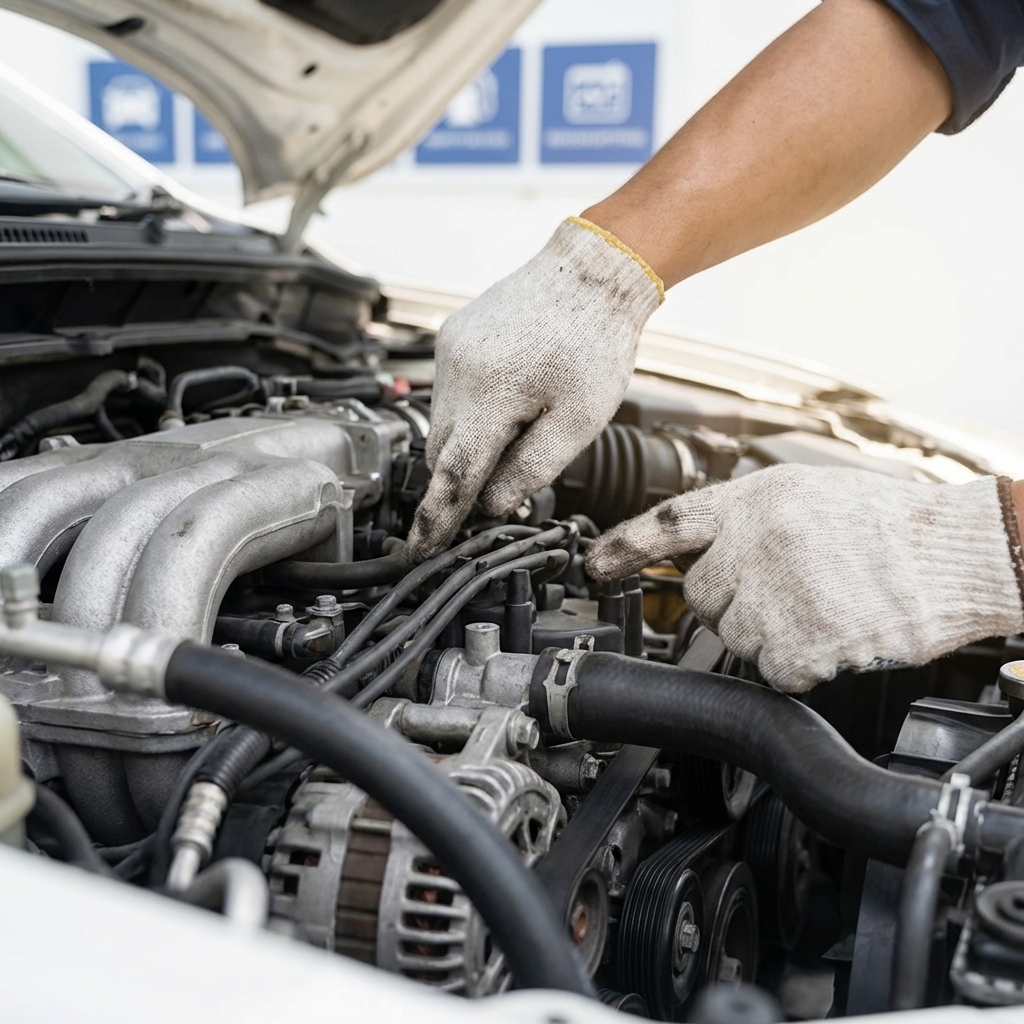
4) Insist on a PPI from an independent mechanic. The PPI detects imminent repairs: brakes, suspension, belt wear, and frame issues.
5) Verify title status. A rebuilt/salvage title changes value and resale options; a clean title retains more buyer trust.
These checks together reduce the chance that a car that looks cheap at first becomes expensive later.
How to use vehicle history tools without getting overwhelmed
History platforms are filters, not final verdicts. A single minor accident with good repair documentation can be acceptable. Red flags include multiple owners in a short period, flood damage indicators, inconsistent mileage, or many body-shop visits. Use price labels like “Great Deal” or “Good Deal” as sanity checks, not absolutes.
For example, when you spot a listing, you can run a CARFAX report on this listing to see its verified vehicle history and price context. CARFAX Deals pairs verified reports with pricing tags to help you prioritize the lowest-risk, best-priced options nearby.
Cost of ownership: not just the purchase price
Think beyond the sticker. Insurance, fuel, routine maintenance, tires and occasional repairs add up over time. Some cars are cheap to buy but expensive to maintain because they use uncommon parts or complex engineering. If you’re aiming for the best affordable cars, compare estimated five-year ownership costs - not just the initial price.
A simple ownership example
Two compact sedans may cost the same upfront. One has a long engine life and common parts; the other uses an expensive timing-chain design. The first will likely cost less over five years even if both had identical prices at purchase. Plan an annual maintenance budget and an emergency fund equal to 10–20% of the car’s value.
Negotiation and red flags
Negotiation is a fact-based conversation. Start with comparable listings and the PPI in hand. If the PPI identifies a fixable item, ask the seller to handle it or reduce the price. Walk away if necessary - that’s leverage.
Red flags: inconsistent mileage records, sellers who discourage independent inspections, odd smells (sign of water damage), and rushed pressure tactics. If a seller leans heavily on emotion instead of facts, stop and verify.
Financing options for affordable used cars
Cash isn’t the only route. Credit unions and community banks often offer competitive used-car loans. Dealers can finance too, but rates and fees vary. Get preapproved before you shop to know your true budget and borrowing costs.
After the purchase: a 30-day maintenance plan
After you buy, take a short checklist to reduce longer-term surprises:
- Fresh oil and filter if service history is unclear
- Replace air and cabin filters if needed
- Check fluids (coolant, brake, power steering)
- Battery test and wheel alignment if tires show uneven wear
Within the first month schedule preventive services appropriate to the car’s mileage: timing belt inspection/replace, brake-fluid flush, and similar items. These small actions often prevent expensive repairs later.
Make smarter, faster decisions with verified vehicle history
Ready to make smarter choices? If you want a faster way to compare history and price across nearby listings, run a CARFAX report and check listings on CARFAX Deals - it’s a practical step that cuts uncertainty and speeds decisions without replacing inspections.
One friend searched under $6,000 and found a 2007 Corolla. The history looked clean, but the PPI found frame rust and a worn timing belt. The seller downplayed the rust; the mechanic explained the long-term concerns. My friend walked away and a week later found a better Corolla with full records. The lesson: a clean report plus a PPI beats a quick emotional buy every time.
Another buyer used local deal alerts, acted quickly, arranged a PPI and left with a 2015 Civic that needed only routine maintenance. Speed helps, but preparation prevents bad choices.
Choosing the right model for your needs
Match the car to your routine. Think about annual mileage, weather, cargo needs, and whether you need AWD. If you do mostly short city trips, a compact sedan with strong low-speed crash protection and low running costs is ideal. If you tow or face heavy snow, a well-maintained AWD crossover is safer.
Compact sedans — city and low cost
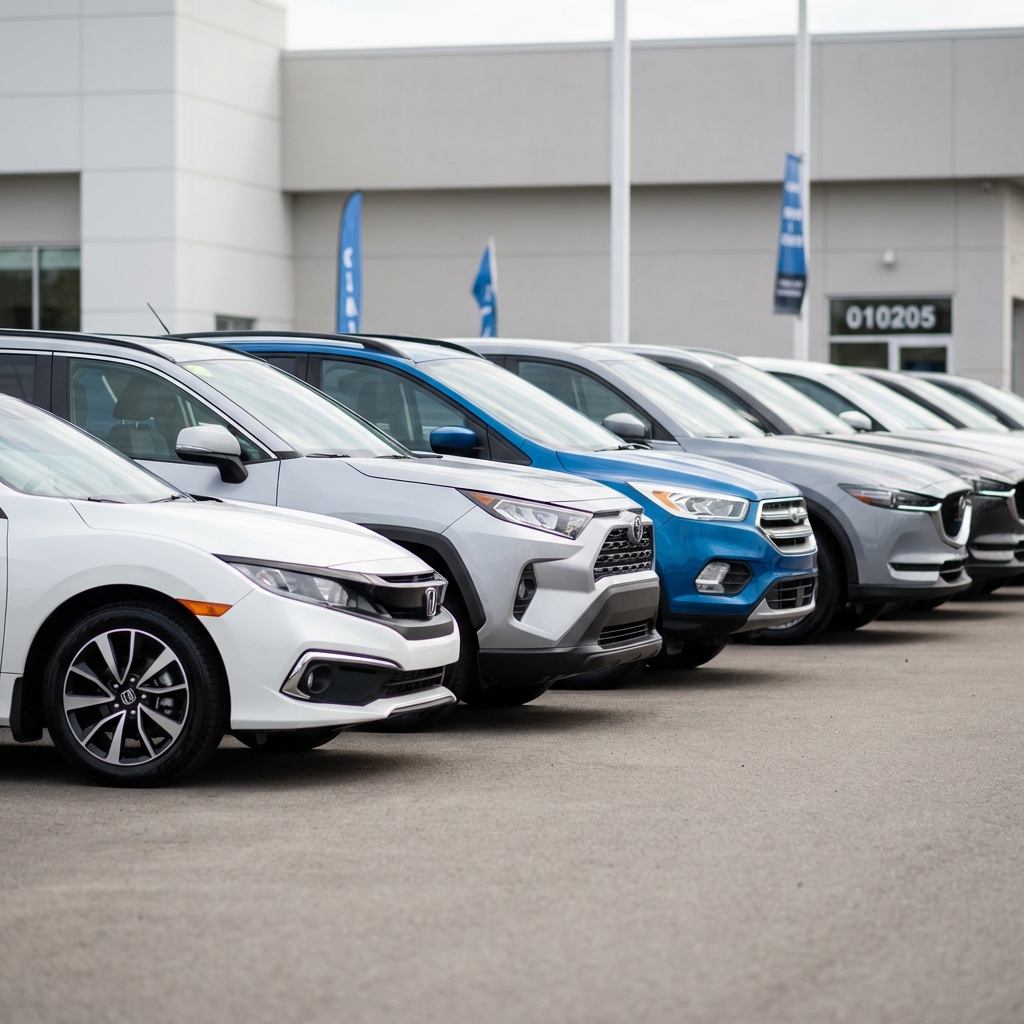
Compact sedans are often the best balance of economy, low insurance costs, and maintenance simplicity. Look for simple, well-documented examples with solid service records. These are often the true contenders for the best affordable cars for daily commuting.
Crossover and small SUVs — space and versatility
Smaller crossovers give space without the complexity of large SUVs. Choose models known for long-term reliability and check for evidence of AWD maintenance if it’s equipped. All-wheel-drive systems add complexity and maintenance, so prioritize well-documented service history.
What about electric vehicles and hybrids?
EVs and hybrids have a different risk profile. Hybrids like older Toyota Prius models have proven battery longevity if maintained; EV battery replacement can be expensive if out of warranty. For many budget shoppers the most affordable EVs are still newer than the $10,000 range; if you find a cheap hybrid or EV, check battery health reports, high-voltage system service history, and any third-party battery warranty options.
Certified pre-owned and dealer warranties
Certified pre-owned (CPO) cars reduce risk because they include inspection and limited warranties. But CPO often costs more. If you prioritize the best affordable cars with low short-term repairs, a CPO vehicle can be worth the premium - especially if it otherwise fits your budget and includes a robust warranty.
Buying from auctions or private sellers
Auctions can offer bargains, but they often sell cars as-is, with limited return options. Private sellers can be cheaper, but they put the burden of verification on you. In all cases, insist on the PPI and a vehicle history check. If a deal looks too good, ask yourself why.
Negotiation scripts and tactics
Use facts: comparable listings, the PPI, service history gaps, and any upcoming maintenance as your negotiating points. Try phrases like:
"The PPI notes a timing belt and front brake pads needing service; given that, I’m comfortable at $X, or I’m happy to pay $Y if you have the belt replaced before sale."
Be polite, firm, and ready to walk away. Walking often wins deals or uncovers a better offer later.
Red flags in detail
Watch for:
- Inconsistent odometer readings or title mileage discrepancies
- Odors that suggest flood or smoke damage
- No maintenance records for a long ownership period
- Sellers who refuse an independent PPI
Any of these should prompt caution or a decline to purchase.
Checklist you can print and use
When you inspect a car, use this checklist:
- Verify VIN on title and vehicle
- Run a history report and check for open recalls
- Test drive at highway and city speeds
- Listen for odd noises and check for vibrations
- Inspect tires for even wear
- Check brakes for responsiveness and noises
- Confirm service records and ask about major repairs
- Get an independent PPI
Common buyer questions answered
What is the safest cheap car I can find? Safety depends on model year and whether the vehicle’s safety systems are intact. Look for good IIHS or NCAP ratings for the specific year and verify recall repairs were made.
Are older Hondas and Toyotas always the best choice? They’re reliable as a rule, but specific years vary. A well-maintained car of almost any brand can beat a neglected example of a typically reliable brand. Reputation is only the starting point.
How much should I budget for first-year repairs? A practical rule is 10–20% of the car’s value depending on age and mileage. This buffer covers routine maintenance and a few surprises without derailing your finances.
Why using trusted tools wins
Tools that combine verified history with pricing context help you spot the best options faster. CARFAX Deals, for example, aggregates dealership listings and pairs each with a verified CARFAX Vehicle History Report and price labels, making it easier to filter for clean-title, single-owner, and well-priced cars. That kind of data reduces guesswork and makes the search for the best affordable cars more efficient.
A reliable, independent pre-purchase inspection combined with a verified vehicle history report — together they reveal maintenance gaps, structural issues, and open recalls that a seller’s pitch won’t
Final selection tips and buying psychology
Buying a car can feel emotional. Slow down, compare, and let facts guide you. If you’re unsure between two cars, prefer the one with clearer maintenance records and a cleaner history even if it costs a bit more. The peace of mind is often worth the price.
Parting advice: patience and curiosity pay off
Set realistic expectations, compare listings for a few weeks, run vehicle history reports, and never skip the PPI. With patience and the right checks you can find one of the true best affordable cars - a reliable daily driver that keeps money in your pocket and stress out of your week.
Extra resources
If you want to dig deeper, check IIHS and NHTSA databases for crash ratings and recall status, and set local deal alerts for your chosen model-year range. Tools that pair verified history and price context speed decisions without replacing inspection and judgment.
Start with a vehicle history report (to spot accidents, title brands, and ownership history), then check NHTSA recall status for the VIN. After that, review documented service records and arrange an independent pre-purchase inspection. These steps together filter out the highest risks before you spend a dollar.
Yes — CARFAX Deals aggregates dealer listings and pairs each with a verified CARFAX Vehicle History Report and price labels like "Great Deal" or "Good Deal." That combination helps you quickly narrow listings by title status, ownership history, and pricing context. Use it as a decision-support tool alongside a PPI and local price checks.
CPO cars reduce risk because they include inspection and limited warranties, but they cost more upfront. For buyers prioritizing low short-term repair risk and who can afford the premium, a CPO is often worth the extra cost. If you’re on a tight budget, a well-documented non-CPO car with a clean history and PPI can be equally sensible.
The best affordable car is the one that fits your needs, has a clean history and documented service, and doesn’t surprise you with repairs — happy driving and may your next buy be both smart and smooth!

 Blog
Blog