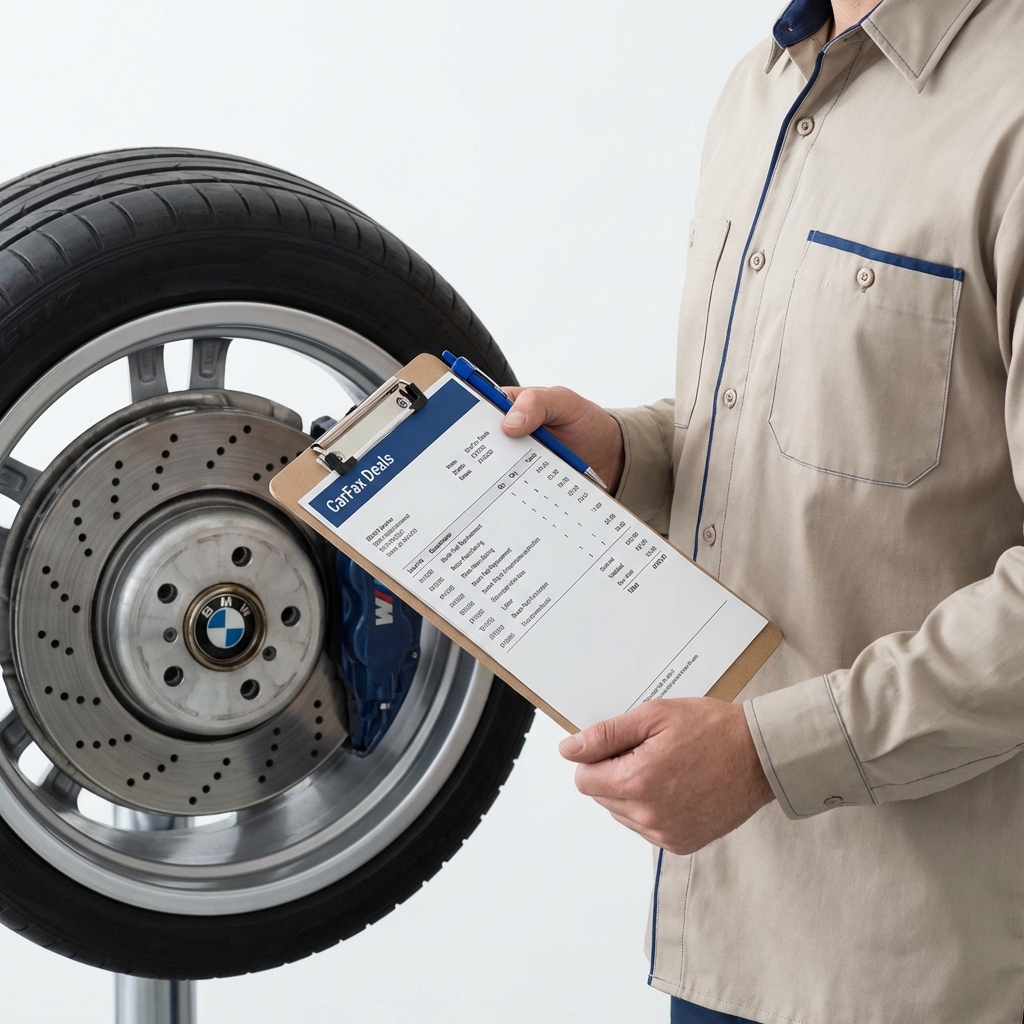
This guide explains whether you can take a BMW to a regular mechanic and how U.S. law and BMW policy affect that choice. It covers which services independents commonly handle, where dealer tools or coding are often required, how to vet a shop, and step-by-step actions to protect warranty rights. The phrase bmw car dealership near me appears as a search cue readers often use when weighing dealer versus independent options.
A rav4 used for sale can be a sensible pick for many research-oriented buyers because reliability aggregators rate the model above average and safety ratings are generally strong. This guide explains how to vet listings, what model years tend to be better, and a step-by-step checklist to reduce risk before you buy.
This guide explains how to estimate the cost of buying an R34 Skyline, with attention to import rules, condition-driven price tiers and landed cost. It shows which factors move value, how to verify history and paperwork, and offers a checklist you can follow when you search for a nissan skyline r34 for sale.
This guide helps buyers set realistic expectations for tacoma trucks for sale by explaining the main price drivers and a repeatable method to build conservative, typical, and ambitious offer ranges. It shows how the 2024 redesign, valuation guides, and vehicle history reports interact to change asking prices and reduce purchase risk.
If you own a BMW, deciding whether to use a dealer or a regular mechanic is a frequent question. This guide explains the legal and practical rules that matter for owners and shoppers who are comparing service options.
You will learn when independent shops are a reasonable choice, which repairs commonly need dealer tools, and a step-by-step checklist to protect your warranty rights and reduce the chance of disputes.
Independent mechanics can perform many routine BMW services without automatically voiding warranty when work does not cause the covered failure.
Some repairs, like ADAS calibration and module coding, often require dealer tools or OEM access.
Always get an itemized estimate, ask about technician qualifications, and keep full receipts and diagnostic logs.
What the question really asks: can you take a BMW to a regular mechanic?
How U.S. warranty law and BMW policy interact
Plain answer in one line: many owners can take their BMW to an independent mechanic for routine maintenance without automatically voiding the factory warranty, provided the independent work did not cause the covered failure and records are kept.
U.S. warranty law, commonly called the Magnuson Moss Warranty Act, and BMW's New Vehicle Limited Warranty make the basic rule clear: a manufacturer cannot require dealer-only service as a condition of warranty coverage, and any denial of warranty must be tied to proof that independent work caused the problem; see BMW New Vehicle Limited Warranty for the manufacturer perspective.
The practical meaning for owners is straightforward. If you search for bmw car dealership near me because you want dealer service, remember that an independent shop can handle many tasks, but some repairs require dealer-level diagnostic tools or module coding. For the legal anchor, consult the FTC guidance on warranty basics.
Short summary of the practical implications for owners
Define 'regular mechanic' here as an independent repair shop that is not an authorized BMW dealer, often locally owned and offering general auto repairs and maintenance.
In practice, independent shops often manage routine maintenance, basic diagnostics, and common mechanical repairs at lower labor rates, while dealer service tends to be needed when OEM diagnostic software, security access or module coding is required.
Short answer and a quick decision checklist
One-sentence answer
Yes, you can often take a BMW to an independent mechanic for many services so long as the shop is competent and the independent work did not cause a warranty-covered failure, as detailed in FTC guidance and BMW warranty material.
A 5-item checklist to decide shop type
Checklist: 1) Nature of the job, routine versus coding or calibration. 2) Shop certifications and BMW experience. 3) Access to BMW technical information and diagnostics. 4) Written, itemized estimate and parts plan. 5) A clear plan to keep documentation and receipts.
If the job may touch warranty-covered systems, ask the shop to describe how they will avoid creating a causal link to unrelated warranty items and keep every receipt and diagnostic record as evidence, following the approach described in the BMW New Vehicle Limited Warranty.
Check vehicle history before you choose a service option
After you run through the checklist, keep your notes and receipts together so you can show them if a warranty question arises.
What most independent mechanics can competently handle
Routine maintenance tasks
Independent shops commonly perform oil and filter changes, fluid top-ups, brake pad and rotor replacements, tire services, battery replacement, and scheduled filters and belts replacements. These tasks are standard across makes and often do not require dealer-only tools.
Common repairs such as suspension work, exhaust repairs, basic engine component replacement, and simple electrical fixes are frequently handled well by qualified independents, provided they have experience with the model and keep thorough service records.
Before you hand over the keys, confirm the shop has worked on BMW models similar to yours and can provide itemized receipts that accurately describe parts and labor for future warranty documentation.
Repairs that often require dealer tools, coding or access
What module coding and OEM diagnostics mean
Some BMW repairs require OEM diagnostic software, module coding, or security access that are part of the manufacturer's diagnostic ecosystem; these tasks can be restricted to dealer tools or require specialized partner-level access, which many independents do not possess, as explained in an industry diagnostics overview.
In many cases, yes. U.S. law and BMW policy allow independent repairs without automatic warranty voiding if the independent work did not cause the covered failure and you keep clear documentation, but dealer service is often needed for coding, ADAS, or hybrid/EV modules.
Systems commonly affected: ADAS, powertrain, hybrid and software-defined features
Systems that commonly need dealer access include advanced driver assistance systems (ADAS) that require calibrated sensors, certain powertrain and transmission interventions that need module programming, hybrid or EV-specific modules, and evolving software-defined features that may be locked without OEM keys.
When a repair involves these systems, an independent shop may be unable to complete the job or to certify that it meets manufacturer specifications, so verify the shop's capabilities in advance and be ready to use dealer service when necessary.
How to vet an independent shop for your BMW
Questions to ask before you leave the car
Ask whether technicians hold ASE certifications or manufacturer training, whether the shop has worked on your specific model year and trim, and whether it can access BMW technical information and diagnostic procedures; shops that can answer with specifics show better preparedness.
Request a written, itemized estimate that lists parts by name or OEM number, diagnostic steps to be taken, and whether OEM or aftermarket parts will be used. Also ask how they document work and if they will provide full receipts and diagnostic logs.
Red flags and evidence of competence
Red flags include a refusal to provide documentation, vague answers about diagnostic approach, or no experience with BMW models. Positive signals include clear answers about coding capabilities, references from other BMW owners, and examples of detailed service records.
Use neutral verification steps, such as checking technician certifications and asking for recent examples of similar repairs, to reduce the risk of a warranty dispute later on.
Cost and timing tradeoffs: dealer versus independent
Typical cost differences for routine service
Independent shops usually have lower labor rates and lower total costs for routine maintenance and common repairs, while dealers often charge higher labor rates but may be faster for complex diagnostics and have direct access to OEM parts and software; RepairPal cost guidance shows these typical differences in repair and maintenance costs.
For routine oil changes, brakes, or tire work, many owners find independent shops provide savings without meaningful compromise, provided the shop documents work carefully and uses appropriate parts.
When higher dealer cost can be justified
Dealer service may be worth the extra cost when a repair is warranty-covered, when module coding or security access is required, or when a recall or TSB (technical service bulletin) applies; in these cases the dealer can use OEM tools and factory parts and can record manufacturer-level diagnostic traces.
If you are comparing estimates, it can help to use vehicle history and pricing context to understand prior service records and whether prior repairs could be related to current issues. CarFax Deals can supply vehicle history reports and pricing insights to help with that review, but it does not replace asking the shop about diagnostics and coding.
Step-by-step checklist before authorizing independent work
Documentation you should collect
Step 1: Get a written, itemized estimate that lists the VIN, diagnostic steps, parts with OEM numbers if possible, and labor time. This makes later warranty discussions clearer and provides evidence of what was done.
Step 2: Before service, photograph the vehicle's condition and note any existing damage or issues. After service, collect every invoice, diagnostic report, and any calibration logs the shop can provide.
How to communicate with the dealer if warranty is a concern
If the repair might affect a warranty-covered system, tell your dealer you plan to use an independent shop and ask what documentation would be sufficient to show that the independent work did not cause the covered failure; both BMW guidance and federal warranty rules emphasize documentation and proof of causation.
If there is a future warranty denial, having thorough, dated receipts and diagnostic logs increases the chance you can resolve the dispute without paying for unrelated repairs yourself.
Common mistakes owners make and how to avoid them
Top 6 pitfalls
Common errors include assuming every shop has BMW coding tools, failing to get itemized receipts, using unqualified shops for ADAS or hybrid work, not photographing pre-service condition, buying used parts without noting their origin, and not checking technician qualifications.
Each mistake has a simple corrective action: ask, document, photograph, and demand written records. If a shop cannot produce clear documentation or cannot explain how it handles coding-sensitive repairs, consider the dealer instead.
A printable vetting checklist to evaluate an independent shop for BMW
Print or save a copy before you visit the shop
Simple corrective actions
If a shop refuses to provide receipts or explain its diagnostic steps, walk away and find another provider. If you have any doubt about coding or calibration, get a second estimate from a dealer to compare diagnostics and timing.
Keeping clear records and asking for technician names or certifications is low cost and often prevents costly misunderstandings later on.
Conclusion: practical next steps for your BMW
When to use an independent shop
Use an independent shop when the job is routine, the shop is vetted for BMW experience, and you will receive full, itemized documentation; this approach often saves money and is consistent with warranties when the independent work does not cause the covered failure.
When to choose dealer service
Choose dealer service when module coding, ADAS calibration, hybrid or EV powertrain work, or locked software-defined functions are involved, or when a dealer-directed warranty repair or recall is the issue; in these cases dealer tools and access tend to matter.
Decision flow: routine inspection and a vetted shop equals independent; coding, locked module, or complex ADAS and hybrid systems equals dealer.
For buyers comparing local options, comparing local options searching bmw car dealership near me may help find dealer availability and expected timing, but use the checklist in this guide to weigh cost, capability, and warranty risk before you commit to a shop.
No. U.S. law and BMW warranty policy do not automatically void coverage for independent repairs; a warranty denial must be shown to result from the independent work.
Choose a dealer for ADAS calibrations, certain powertrain or transmission programming, hybrid or EV module work, and software-defined features that require OEM coding or security access.
Keep the VIN, an itemized estimate, parts lists with OEM numbers if possible, diagnostic logs, dated receipts, and photos of the vehicle before and after service.
Use the checklists in this article before you authorize work and keep records of every step. If a repair involves coding, ADAS, or hybrid systems, confirm capabilities with the shop and consider dealer service.
When in doubt, ask for written details, get a second estimate, and retain every receipt so you can show what was done if a warranty question arises.

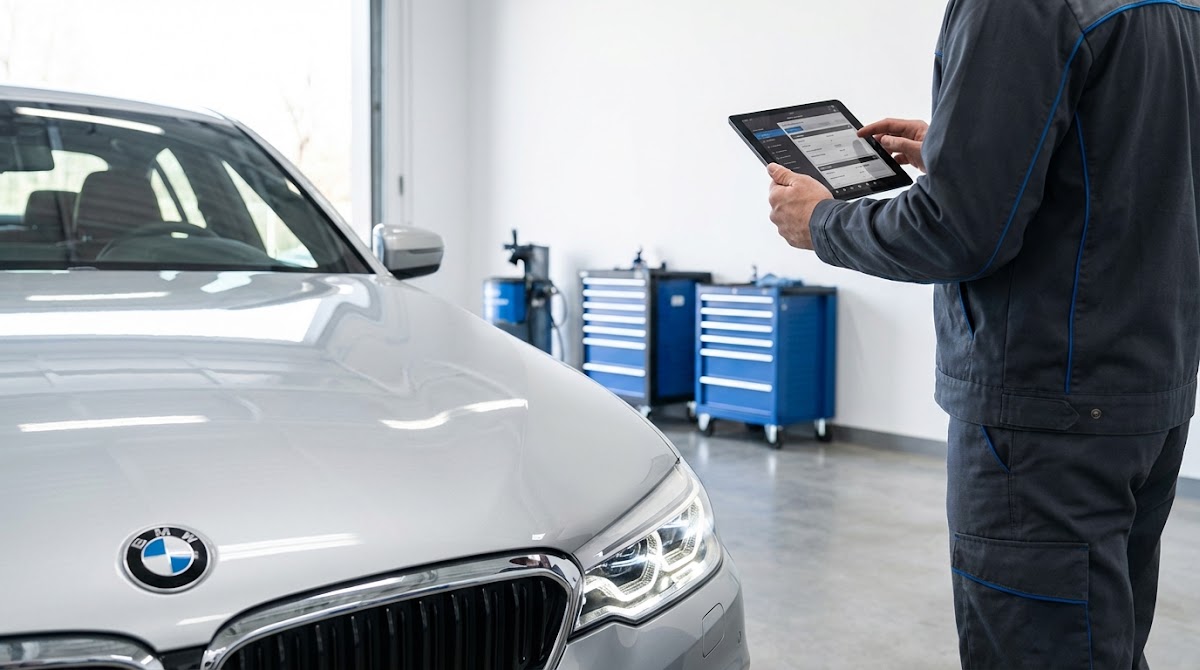
 Blog
Blog