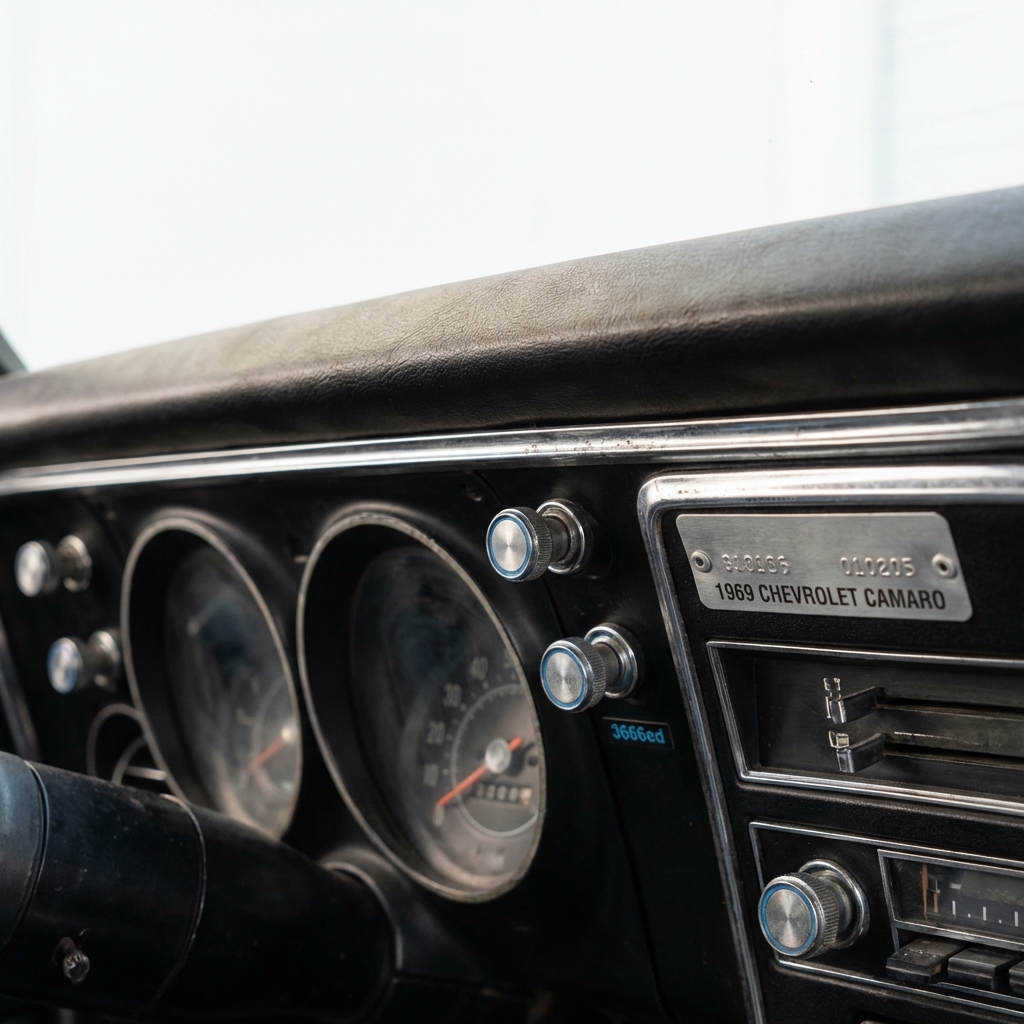
Late 1960s first generation Camaros, especially the 1969 Z/28 and COPO variants, attract the strongest collector demand. For everyday buyers, modern high-performance trims such as SS and ZL1 from the 2010s and 2020s often give better daily usability. Across the market, documented provenance, condition, and service history usually matter more for value than year alone.
A rav4 used for sale can be a sensible pick for many research-oriented buyers because reliability aggregators rate the model above average and safety ratings are generally strong. This guide explains how to vet listings, what model years tend to be better, and a step-by-step checklist to reduce risk before you buy.
This guide explains how to estimate the cost of buying an R34 Skyline, with attention to import rules, condition-driven price tiers and landed cost. It shows which factors move value, how to verify history and paperwork, and offers a checklist you can follow when you search for a nissan skyline r34 for sale.
This guide helps buyers set realistic expectations for tacoma trucks for sale by explaining the main price drivers and a repeatable method to build conservative, typical, and ambitious offer ranges. It shows how the 2024 redesign, valuation guides, and vehicle history reports interact to change asking prices and reduce purchase risk.
This article compares which Camaro model years attract the most demand and why, with practical advice for research-first buyers. It separates collector priorities from everyday ownership needs and explains how vehicle history reports and pricing context should shape decisions.
You will learn which years and trims tend to be most sought after, what provenance and condition checks matter most, and a step-by-step approach to using history reports and pricing insights when evaluating camaros for sale.
Late 1960s Camaros, especially 1969 Z/28 and COPO variants, lead collector demand.
Modern SS and ZL1 trims offer performance with more predictable ownership for daily use.
Provenance, condition, and documented history usually influence price more than year alone.
Quick summary: which Camaro years collectors and buyers seek
The clearest short answer is that late 1960s first generation Camaros, notably 1967 to 1969 models, are the most sought after by collectors; within that group the 1969 Z/28 and COPO variants draw particular attention at auction and in collector guides Hagerty overview of most valuable Camaros.
At the same time, buyers who want usable performance without the restoration burden often prefer modern high performance trims, such as fifth and sixth generation SS and ZL1 models from the 2010s and 2020s, which tend to retain buyer interest among performance-oriented shoppers Bring a Trailer insights on recent Camaro value.
Quick valuation check before you bid or contact a dealer
Use recent auction and local listing checks
For most listings the decisive factors are provenance and condition: matching numbers, documented ownership and service history, and clear title status usually explain price differences more than the model year itself Kelley Blue Book used car values for Camaro.
Who prefers classics versus modern performance Camaros, in brief: collectors prize rarity and originality and will pay premiums for verified original cars; everyday buyers often favor modern performance trims for reliability, parts availability, and predictable running costs Bring a Trailer insights on recent Camaro value.
Why first-generation Camaros (1967 69) draw the strongest collector demand
First-generation Camaros built from 1967 through 1969 carry strong historical appeal. They combined early small-block and big-block V8 engineering with a competitive performance image that helped create lasting collector interest, and specialist guides highlight that range as a core collectible era Hemmings first generation Camaro collector guide.
Rarity and documented factory options are central to collector demand. Low-production trims and factory performance packages are repeatedly cited in market trackers and auction-house results as the reasons certain first-generation cars sell for top dollar Barrett-Jackson auction results and top sales.
Collectors typically value matching-numbers verification and original equipment because those details materially affect authenticity and price. When a car can be tied to documented production or ownership records, buyers are often willing to accept higher bids based on the provenance alone Hagerty overview of most valuable Camaros.
What makes 1969 Z/28 and COPO models stand out
The 1969 Z/28 and COPO variants are distinctive because they combine limited production, factory performance features, and a clear race-oriented pedigree, elements that typically attract collector premiums Hagerty overview of most valuable Camaros.
Trim-level features that raise interest include rare engine options, correct factory stamping and build tags, and optional competition packages; those factory details are often the first items collectors verify when assessing a car.
Collectors typically prize late 1960s first-generation Camaros, especially 1969 Z/28 and COPO variants, while everyday buyers often favor modern SS and ZL1 trims that balance performance and usability, with provenance and condition usually explaining price differences more than year alone.
For collectors, provenance checks matter: confirming matching-numbers for engine and transmission, reviewing documented ownership history, and verifying original option codes are the steps that most often change a car from interesting to high-value at auction Barrett-Jackson auction results and top sales.
Condition tiers also widen price differences: concours restored examples with comprehensive documentation sell very differently from driver-quality cars, and auction results show a broad dispersion between those condition tiers Barrett-Jackson auction results and top sales.
Modern performance Camaros (2010s 2020s): why buyers still value them
For buyers who want performance with more daily usability, fifth- and sixth-generation high-performance trims such as SS, ZL1, and limited Z/28 reissues remain popular because they balance power with modern brakes, suspension, and safety features MotorTrend guide to best Camaros to buy used. See also this list of notable Camaros MotorAuthority.
These modern trims tend to offer more predictable total cost to own than an unrestored classic, in part because parts and service networks are broader and modern diagnostics simplify maintenance.
Resale analyses indicate that some modern Camaros keep value better than others, and price retention often aligns with trim desirability, limited-run editions, and verified maintenance records rather than year alone Bring a Trailer insights on recent Camaro value.
How provenance and vehicle history reports change price and buyer confidence
Certain elements in a vehicle history report move market value more than others. Ownership history, service records, accident history entries, mileage checks, and clear title status are the standard items that most buyers check first Kelley Blue Book used car values for Camaro.
Documented ownership and service history often trump model year when explaining why a particular example sells for a premium. A well-documented modern SS with verified service history can be more attractive to many buyers than an unrestored classic with gaps in its record Hagerty overview of most valuable Camaros.
To reduce risk, buyers should match the VIN in the listing to the VIN on the vehicle history report and look for consistent mileage and maintenance entries before arranging an inspection.
Condition tiers: why restored concours and driver-quality cars sell for very different prices
Market data show wide price dispersion between concours restored examples and driver-quality cars. A fully restored, correctly documented car targeted at concours presentation will often sell for a multiple of a similar-year driver-quality example at auction Barrett-Jackson auction results and top sales.
Definitions to use when you evaluate condition: concours or restored implies comprehensive professional restoration and documentation; well-maintained suggests regular service without full restoration; driver-quality indicates a car used regularly with cosmetic or mechanical wear that does not preclude road use. Each tier carries different cost and verification expectations.
When examining a restored car, request restoration receipts, photographic history of the work, and any provenance records. Those documents help verify the restoration level and can explain why two similar cars have widely different values Hagerty overview of most valuable Camaros.
How to use vehicle history reports and pricing insights when shopping camaros for sale
Next, compare the report findings to price analysis labels on the listing. A Great Deal or Good Deal label can speed comparisons, but those labels work best when paired with the underlying report and local market checks.
Checklist workflow: verify VIN, confirm clear title status, review ownership and service history entries, note any accident or salvage records, and match mileage across documents. For classics, add matching-numbers and provenance verification to that checklist Kelley Blue Book used car values for Camaro.
When a listing shows a price analysis label, use it to prioritize which cars to inspect first, but always confirm the label against the vehicle history report and local auction or listing results to ensure the context fits your expectations.
Trim and model-year tradeoffs for everyday buyers: balancing cost, reliability, and performance
Older classics offer collectible appeal but often carry higher restoration and maintenance risk. Parts availability, the presence of original components, and prior restoration work affect how much time and money you should plan for.
Modern performance trims generally lower immediate repair risk and make sourcing parts and service easier, though they can bring higher insurance and fuel costs depending on powertrain and trim.
Prioritize documented service history and realistic total cost to own estimates over year-only decisions; those elements typically predict ownership experience better than the model year alone Bring a Trailer insights on recent Camaro value.
Regional demand and how local market context affects what Camaro years are most sought
Local demand changes which years and trims command higher prices. Some regions have more active collector markets for classics, while others show steady demand for modern performance coupes; check nearby auction results and local listings to understand your market Barrett-Jackson auction results and top sales.
Seasonal and regional patterns can affect pricing; for example, convertibles and certain classic body styles may attract higher bids in warmer climates, while winter regions may favor modern all-season drivability.
Mileage-adjusted expectations vary locally and by trim, so compare listings in your area rather than relying on national averages when setting a target price.
Common mistakes buyers make when choosing a Camaro year
Overvaluing year over provenance is a frequent error. Buyers sometimes assume a model year alone confers value or reliability, but provenance and condition usually explain differences in final sale price Hagerty overview of most valuable Camaros.
Skipping history reports or inspections is another common mistake. A vehicle history report and a professional inspection are complementary; the report shows records, and the inspection confirms current condition.
Underestimating restoration cost for classics often leads to budget shortfalls. If a car needs structural or mechanical work, costs can rise quickly, so get documented estimates and check photographic restoration records where possible Barrett-Jackson auction results and top sales.
Inspection checklist: what to verify for classic and modern Camaros
Classic-specific checks: confirm matching-numbers for engine and transmission, inspect for frame or floor pan repair, review restoration receipts and photographic history, and verify original engine and transmission codes where available Hagerty overview of most valuable Camaros.
Modern-specific checks: compare service records to the vehicle history report, scan for engine and transmission fault codes, look for suspension wear, and examine evidence of accident repair or insurance-related work Kelley Blue Book used car values for Camaro.
In both cases, confirm the VIN on the car matches the VIN in the listing and on the history report, and have a mechanic or structural inspector review any suspected repairs or restoration work.
Estimating ownership and resale: realistic cost considerations by era
Typical cost categories to model include insurance, fuel, maintenance and parts, and restoration expenses for classics. Classics often carry higher holding costs and parts scarcity that can increase long-term expenses.
Collectors may accept higher holding and maintenance costs in exchange for rarity and originality, while everyday buyers should model total cost to own and prioritize lower immediate repair risk and available parts for modern trims Bring a Trailer insights on recent Camaro value.
Use auction results and recent dealer listings to set realistic resale expectations instead of relying on anecdotal valuations, and adjust for trim and condition when comparing similar years Barrett-Jackson auction results and top sales.
Where to check auction and market data for evidence-based valuation
Bring a Trailer and similar market insights can help identify modern trims that retain value, while specialist collector guides provide context for first-generation rarity and provenance Bring a Trailer insights on recent Camaro value.
For the most complete picture, correlate auction outcomes with nearby dealership listings and vehicle history reports to confirm that auction trends reflect what you can actually find in your local market Hagerty overview of most valuable Camaros.
Quick decision guide: which Camaro year to prioritize for your goals
If you want a collectible investment, prioritize verified late-1960s originals with matching numbers and documented provenance, and be prepared for intensive verification and potentially higher holding costs Hagerty overview of most valuable Camaros.
If you want a usable performance car, consider modern SS or ZL1 trims with strong service history and clear title status; these often give more predictable total cost to own for daily use Bring a Trailer insights on recent Camaro value.
Next steps for either route: run a vehicle history report, compare pricing insights to local listings, and arrange a professional inspection before you contact a dealer Kelley Blue Book used car values for Camaro.
Final takeaways: how to use year as one factor among many
Late 1960s Camaros lead collector demand while modern performance trims remain attractive for everyday driving; both pathways have clear tradeoffs that depend more on provenance and condition than on year alone Hagerty overview of most valuable Camaros.
Action checklist before contacting a dealer: run a vehicle history report, verify VIN and title status, compare pricing insights to local auction and listing data, and schedule an inspection.
Collectors most often seek late 1960s first-generation Camaros, with the 1969 Z/28 and COPO variants drawing particular interest due to rarity and performance heritage.
Yes, modern high-performance trims like SS and ZL1 typically offer more predictable ownership costs, easier parts availability, and daily usability compared with unrestored classics.
Start with a vehicle history report to confirm VIN, title status, ownership history, and any reported accidents before scheduling an inspection.
Choosing a Camaro year is often less about a single model year and more about matching your goals to provenance, condition, and verified history. Use a vehicle history report and local market checks to confirm whether a listing aligns with your budget and expectations.
If you follow the checklist in this guide, you can prioritize listings with clear documentation and realistic total cost to own estimates before you contact a dealer.


 Blog
Blog