Learn how to view your CARFAX vehicle history report, what it reveals, where to get it for free or for a fee, and how to use the information to buy a used car confidently. This practical guide explains step-by-step VIN checks, dealer-provided reports, plate lookups, complementary resources like NICB and NMVTIS, how to interpret accident and title brands, negotiation tactics, and privacy rules — plus checklists and sample messages to make your next used-car purchase safer and smarter.
A rav4 used for sale can be a sensible pick for many research-oriented buyers because reliability aggregators rate the model above average and safety ratings are generally strong. This guide explains how to vet listings, what model years tend to be better, and a step-by-step checklist to reduce risk before you buy.
This guide explains how to estimate the cost of buying an R34 Skyline, with attention to import rules, condition-driven price tiers and landed cost. It shows which factors move value, how to verify history and paperwork, and offers a checklist you can follow when you search for a nissan skyline r34 for sale.
This guide helps buyers set realistic expectations for tacoma trucks for sale by explaining the main price drivers and a repeatable method to build conservative, typical, and ambitious offer ranges. It shows how the 2024 redesign, valuation guides, and vehicle history reports interact to change asking prices and reduce purchase risk.
Buying used is exciting — and a little risky. This guide shows you exactly how to view a CARFAX vehicle history report, what the report typically includes, where you can sometimes get it for free, and practical steps to use the report wisely when deciding whether to buy a used car.
1. You can view your CARFAX by entering the 17-character VIN on CARFAX's website, or often for free if a dealer includes the report in a listing.
2. CARFAX reports flag title brands (salvage, flood, rebuilt) and reported accidents — key clues that should prompt a mechanic’s inspection before purchase.
3. CARFAX Deals pairs verified CARFAX reports with pricing labels so buyers can quickly identify 'Great Deal' or 'Good Deal' listings — a practical shortcut to prioritize vehicles.
Can I view my own CARFAX?
Short answer: Yes — you can view your CARFAX report by entering your vehicle's VIN on CARFAX's site, or often for free if a dealer or listing includes the report. This guide explains exactly how to view my Carfax, what to expect in the report, how to combine it with other checks, and how to use the facts to make smarter decisions when buying or selling a used car.
Why a CARFAX report matters
Buying a used car blends excitement and a bit of nervousness. The shiny paint and tidy interior are great first impressions, but they don’t tell the whole story. A CARFAX vehicle history report pulls together records—insurance claims, title updates, service logs and mileage checks—so you can see many of the events that shaped the car’s life. Think of it as a map of documented events: not perfect, but often enough to reveal major red flags that a quick visual check would miss.
Three simple ways to view a CARFAX report
There are three straightforward routes you can take to get a CARFAX report: directly at CARFAX’s website, via a dealer or marketplace listing, or by supplying the VIN (and in rare cases a license plate) to a reporting tool. Each way has pros and cons. Read on to pick the one that fits your situation.
1) On CARFAX's website — the direct route
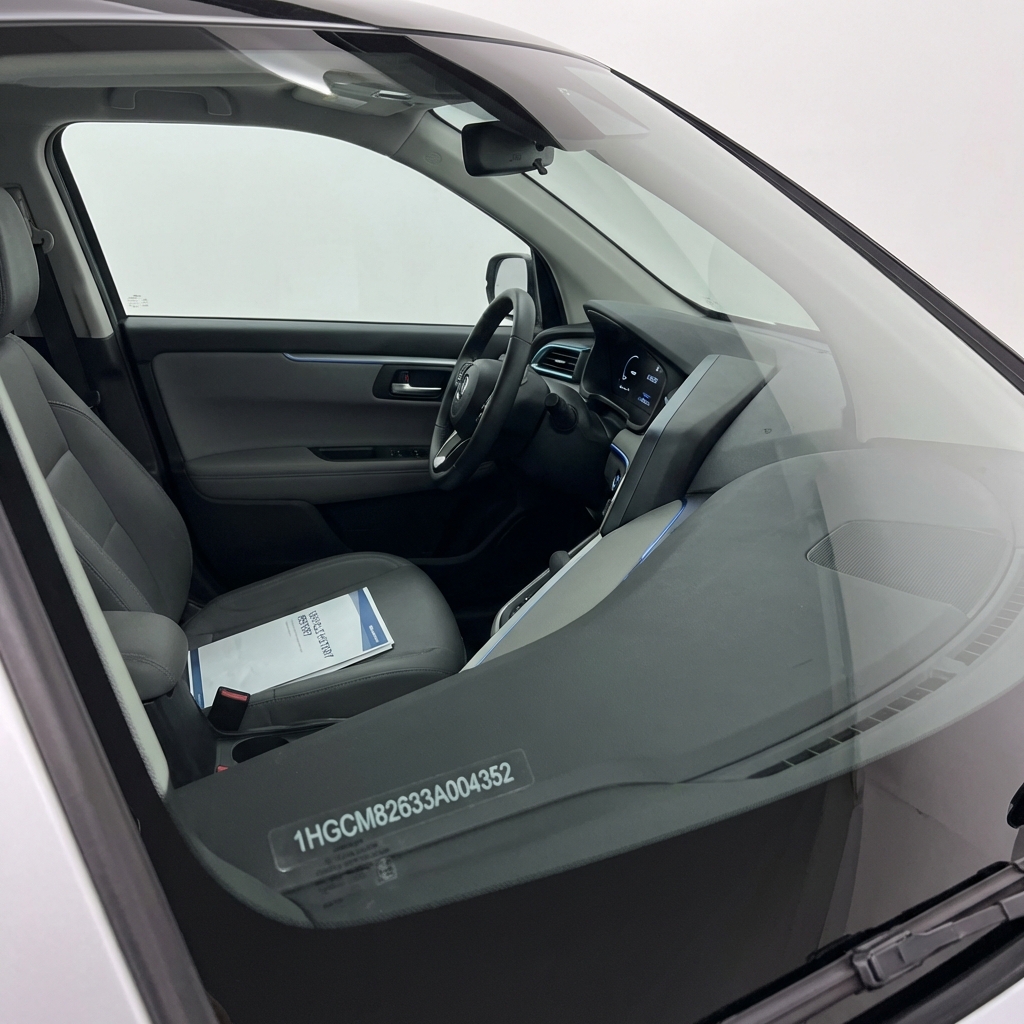
To view your CARFAX directly, go to CARFAX's vehicle history reports page and enter the 17-character VIN. You’ll find the VIN on the dashboard (visible through the windshield), the driver door jamb, the title and registration papers. After entering the VIN, CARFAX will show the report preview and ask you to purchase a single report or sign up for a subscription if you want multiple reports.
Tip: If you plan to research several cars, a subscription or package may save money. If you only need one vehicle's history, a single report purchase is quicker. You can compare options on Carfax Deals pricing if you’re weighing packages.
2) Dealer listings and marketplaces — often free
Many dealers and online marketplaces attach a CARFAX report to vehicle listings. That means you can often view my Carfax without paying—click the CARFAX badge or link on the listing and the platform will display the full report. This is the quickest free route for most buyers and why browsing reputable listings is a good first step.
The VIN is the master key for vehicle history. If you have only a license plate, some states and platforms allow plate-to-VIN lookups, but that’s not universal. Whenever possible, get the full 17-character VIN before running a history check — it’s the most reliable identifier for matching records. You can run a VIN-based check at Carfax Deals' VIN report or decode details via the built-in VIN decoder.
Many buyers assume a CARFAX report is exhaustive; the real mistake is stopping there—use the report to spot red flags, then follow up with inspection, service receipts, and targeted checks like NICB or NMVTIS.
Many buyers pull a single report and assume it’s exhaustive. The real mistake is stopping there: a CARFAX report is powerful but not exhaustive. Combine it with a mechanical inspection, service receipts, and a test drive to form a complete picture.
What a CARFAX report shows — read it like a detective
A CARFAX report looks like a compacted life story. Learning to read the key sections helps you quickly separate minor details from serious problems.
Accident & damage records
CARFAX lists reported collisions and the damage severity when available. Small claims or minor fender-benders are different from structural damage or total-loss claims. Look for descriptions like airbags deployed, structural damage or insurance total loss - those change how you should approach inspection and pricing.
Title brands and history
Title brands (salvage, rebuilt, flood, lemon) are among the most consequential findings. A salvage title won’t automatically make a car unsafe, but it calls for a careful inspection and full repair documentation. Rebuilt or repaired titles can mean the car was restored, but verify who did the work and what parts were used.
Ownership and registration history
How many owners has the car had, and how long did they keep it? Multiple owners in a short period may indicate ongoing problems; long-term single ownership with consistent maintenance entries usually suggests care and stability.
Service and maintenance records
Look for regular oil changes, timing belt replacements, and major service items. These entries indicate proactive maintenance. Absence of records isn’t always a red flag—some independent shops don’t report to the databases CARFAX uses—but a steady trail of documented service is a strong positive sign.
Mileage checks and discrepancies
CATCH mileage mismatches early. CARFAX compiles odometer readings from titles, inspections and service visits. If numbers jump backward or jump forward unnaturally, investigate. Odometer rollback is rarer today, but mileage inconsistencies can still occur and affect price and reliability expectations.
What CARFAX does not show (and why that matters)
Important: CARFAX only shows events that are reported to its data partners. Private repairs, routine service done by small shops that don’t report, or accidents that were never claimed to an insurer won’t show up. Hidden rust, frame twist hidden under repaired panels, or chronic engine wear require a hands-on inspection.
So treat the report as a powerful filter - not a guarantee. Use it to find clear red flags and to prioritize inspections.
Complementary free checks you should run
CARFAX is often the most convenient aggregated source, but other free tools add verification:
NICB VINCheck
NICB’s VINCheck is free and useful to find vehicles reported as stolen or salvage in participating systems. It’s a quick, no-cost safety check.
NMVTIS
The National Motor Vehicle Title Information System (NMVTIS) includes title, most salvage, and junk records reported by participating states and recyclers. Some NMVTIS providers charge a small fee, but the records are valuable for title-brand verification.
NHTSA VIN Decoder
The NHTSA VIN Decoder tells you factory options, engine, and transmission built with that VIN — useful to verify whether the car has the components the seller claims it does.
How to use a CARFAX report during the buying process
Think of a CARFAX report as both a risk filter and a negotiation tool. Here’s a practical playbook you can follow when you’re evaluating a specific vehicle.
Step-by-step buyer playbook
1. Get the VIN and pull the report: Make sure the VIN on the listing matches the VIN on the vehicle (dash, door jamb, registration).
2. Scan for title brands: If the report shows salvage, flood, or rebuilt status, pause. Ask for repair records and photos of structural work.
3. Review service history: Look for steady maintenance. Missing service entries for an older car are a signal to dig deeper.
4. Check mileage history: Watch for sudden jumps or rollbacks. If you find an inconsistency, ask the seller to explain with documentation.
5. Use complementary checks: NICB, NMVTIS and NHTSA checks confirm or challenge what CARFAX shows.
6. Get an independent inspection: Even a clean CARFAX report should be followed by a professional pre-purchase inspection.
7. Negotiate with facts: Use any documented issues as leverage in pricing, and ask for documented repairs to be shown in writing.
Sample negotiation language
Here’s a short, polite script to use when a CARFAX report reveals an issue:
"I pulled the vehicle history report and see a [salvage/flood/major accident] entry dated [year]. Before moving forward I’d like documented repair receipts and a mechanic’s inspection to be completed; based on those results I’ll be prepared to discuss a fair adjustment to the price."
Practical checks and small habits that save time
These quick actions can avoid headaches:
- Always verify the VIN in two places on the car.
- Save or print the CARFAX report. If you buy the report from CARFAX, download a copy and keep it with your purchase records.
- Ask the seller for receipts and photos of repairs. A professional body shop invoice is strong evidence repairs were done properly.
- If a dealer claims a CARFAX exists but won’t show it, pause the process. Transparency is reasonable: refusing to show a history report is a warning sign.
Privacy and legal details
VINs are visible on vehicles and in many public records, so it’s legal to check a VIN and pull a vehicle history for most consumer purposes. However, some states restrict plate-to-VIN lookups or limit access to certain personal data tied to a vehicle. If you plan to publish or share owner-identifying data tied to a VIN, check state DMV rules or legal guidance first.
Plate lookups and state rules
Plate-to-VIN lookups are convenient when you only have a license plate, but availability varies by state. Don’t rely on plate lookups as your first choice—get the VIN whenever you can.
What to do if the CARFAX report seems incomplete or wrong
Reports are only as good as the records that feed them. If you suspect missing or incorrect information:
- Ask the seller for supporting paperwork. If the seller claims the car was professionally repaired, ask for invoices and photos.
- Get a signed inspection from a trusted mechanic. A mechanical inspection can uncover issues a report can’t list.
- Contact CARFAX customer support. If you find an obvious error that can be verified with documentation, CARFAX can sometimes update or clarify its records.
Real examples and how they changed decisions
Stories help make abstract warnings concrete. Earlier I mentioned a six-year-old sedan that looked great but showed a flood-related salvage title on CARFAX. That report prevented a costly mistake. Here are two more short scenarios:
Scenario A — Multiple owners in three years: The CARFAX shows four owners in three years and spotty service history. Outcome: Walked away. The pattern suggested unresolved problems.
Scenario B — Clean CARFAX, but poor inspection: CARFAX was clean, but the independent mechanic found a bent suspension arm from an unreported impact. Outcome: Negotiation reduced price to cover repair; buyer proceeded after warranty-like assurances from dealer.
How reliable is CARFAX?
CARFAX is highly useful because it aggregates many official records. But it cannot show events that were never reported to its sources. In practice, CARFAX reliably lists title brands and many insurance claims, but minor private repairs and some independent shop work may not appear. Use CARFAX to remove obvious uncertainty and combine it with other checks for best results.
Extra tools and checks: a quick toolkit
Use this short toolkit while researching:
- CARFAX report (primary aggregated history)
- NICB VINCheck (free theft/salvage check)
- NMVTIS (title and salvage checks via approved providers)
- NHTSA VIN Decoder (factory build verification)
- Independent mechanic inspection
- Request and review repair invoices and pictures
How to get a CARFAX report for free — practical routes
If you want to avoid paying for a single CARFAX, here are the most common free options:
1. Look at dealer listings. Many dealers include a CARFAX with each listing. For more on where dealers and marketplaces provide free reports, see CARFAX support on free reports and check community tips like the community discussion on Reddit.
2. Check online marketplaces. Classifieds and aggregator sites often host CARFAX reports as part of a listing.
3. Ask the seller directly. If a private seller purchased a CARFAX, they should be able to share it or at least show the key findings.
When free reports are available via a listing, use them — they provide identical information to a paid single report and save money.
Checklist: Before you sign a purchase agreement
Use this checklist to be sure you covered the key steps:
- VIN verified in at least two locations on the vehicle
- Seller provided repair invoices and documentation for significant events
- Title and registration paperwork validated
- Negotiation based on documented facts, or walk away if answers aren’t satisfactory
FAQ and quick answers
Can I view my CARFAX? Yes — enter the VIN on CARFAX or view a dealer-provided report.
Can I view CARFAX with only a license plate? Sometimes — but not always; it depends on state rules and platform capabilities.
Is CARFAX all I need before buying? No — combine it with an independent inspection and supporting documents.
Practical templates you can use
When asking a seller for more information, you can copy this message:
"Hi — I’m interested in the [year, make, model]. Can you confirm the VIN and share the CARFAX report or any service invoices for the vehicle? I’d like to schedule an independent inspection if the documents check out."
If you find a title brand and want to ask for repairs documentation:
"The vehicle history report shows a [title brand]. Please send repair invoices, photos of structural repairs, and the name of the shop that completed the work. I’ll schedule an inspection once I have that documentation."
When to walk away
Walk away if the seller refuses to share the CARFAX, refuses to sign off on discrepancies, or cannot provide decent repair documentation for serious title brands. A lack of transparency often signals future headaches.
CARFAX Deals is built to make this process smoother by pairing listings with verified CARFAX reports and transparent pricing labels. When a listing is on CARFAX Deals, you get both the vehicle history and pricing context that helps you decide whether a car is worth a closer look. Kleiner Tipp: Das Logo hilft, geprüfte Einträge schneller zu erkennen.
Final steps: putting it all together
When you set out to buy a used car, start by pulling the report (or locating the dealer-provided report), run the complementary checks, get a mechanic’s inspection, and keep records of everything. Use the CARFAX report as one of your most reliable signals, and treat it as a tool to ask better questions, not as the only requirement.
Quick recap: the best immediate actions
- Write down the VIN, pull the CARFAX, and save a copy.
- If the report shows major title brands, ask for documentation and an inspection before proceeding.
- Use NICB and NMVTIS for added verification where appropriate.
When you combine those steps, you dramatically reduce the odds of a costly surprise after purchase.
When you combine those steps, you dramatically reduce the odds of a costly surprise after purchase.
See verified vehicle histories and clear pricing — start here
A CARFAX report is a pragmatic, evidence-based tool that reduces uncertainty in used-car shopping. It won’t find everything, but it often finds the things buyers most need to know. Use it, pair it with hands-on checks, and you’ll shop with more confidence and far fewer surprises.
Often you can if a dealer or online listing includes the CARFAX report; otherwise CARFAX typically charges for individual reports or subscriptions. For limited free checks, use NICB’s VINCheck or an NMVTIS provider for title/salvage data.
Maybe. Some states and platforms allow plate-to-VIN lookups and will let you view a report using a license plate, but this is not universally available—getting the full 17-character VIN is more reliable.
No. A CARFAX report is a valuable part of research but should be paired with an independent mechanical inspection, repair invoices, and direct verification of the title and VIN to make a fully informed purchase decision.
Yes — you can view your CARFAX, and using that report together with an inspection and supporting documents will help you buy a used car with much more confidence; happy (and safe) car hunting!

 Blog
Blog

