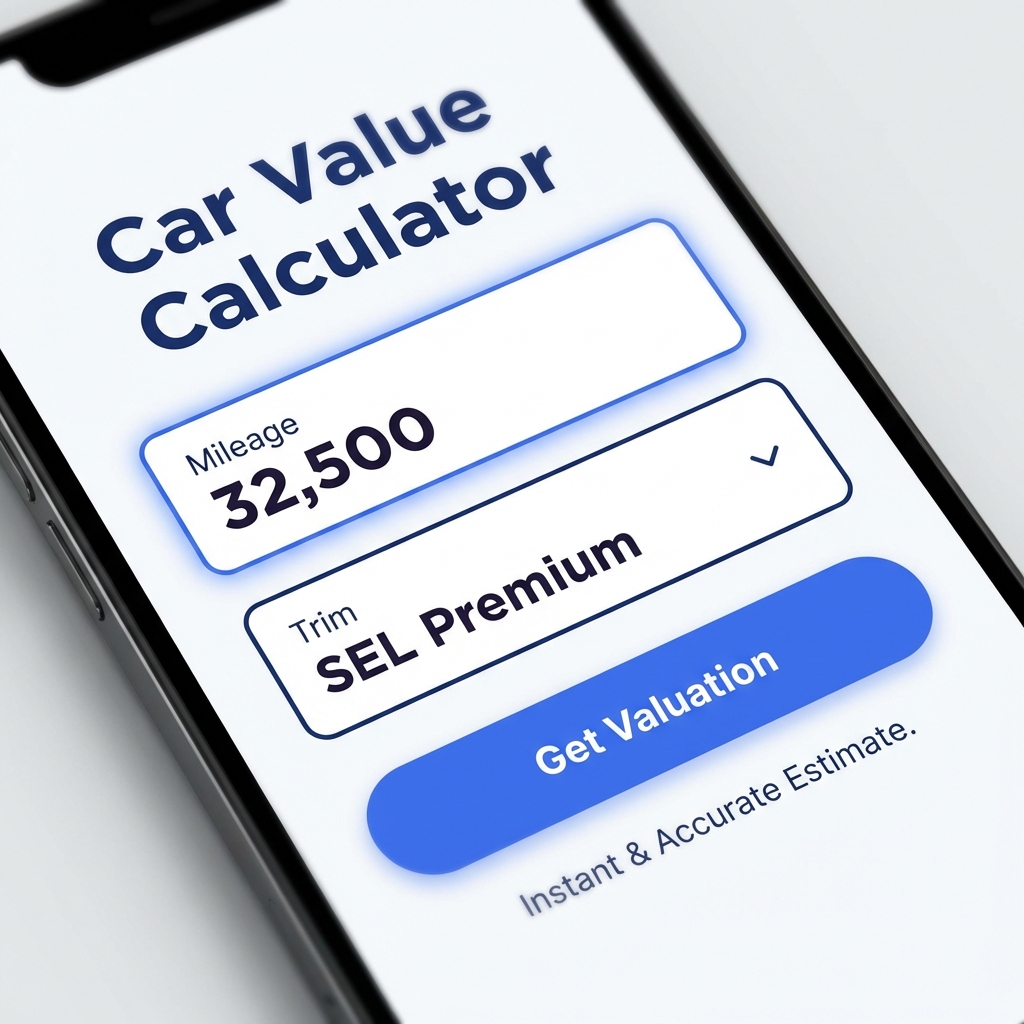
What is the most accurate car valuation? A practical guide
A car valuation calculator estimates used vehicle market value using inputs like mileage, model year, trim, and local market signals. This guide explains how valuation models work, why estimates differ, and a step by step workflow to get the most accurate single estimate by triangulating AVMs, transaction-indexed signals, local comparables, and a vehicle history report.
A rav4 used for sale can be a sensible pick for many research-oriented buyers because reliability aggregators rate the model above average and safety ratings are generally strong. This guide explains how to vet listings, what model years tend to be better, and a step-by-step checklist to reduce risk before you buy.
This guide explains how to estimate the cost of buying an R34 Skyline, with attention to import rules, condition-driven price tiers and landed cost. It shows which factors move value, how to verify history and paperwork, and offers a checklist you can follow when you search for a nissan skyline r34 for sale.
This guide helps buyers set realistic expectations for tacoma trucks for sale by explaining the main price drivers and a repeatable method to build conservative, typical, and ambitious offer ranges. It shows how the 2024 redesign, valuation guides, and vehicle history reports interact to change asking prices and reduce purchase risk.
A car valuation calculator helps buyers estimate what a used vehicle is likely to sell for in the current market. These tools use inputs such as mileage, model year, trim and local market signals to produce a number you can use as a research baseline.
This article explains how valuation models work, why different tools produce different results, and a practical, evidence-based workflow to reconcile estimates. The goal is to help you get a single, defensible price target you can use when comparing listings or negotiating.
Combine an AVM that uses transaction indexes with 3 to 5 local comparables for a more accurate single estimate.
A vehicle history report is essential to confirm title, ownership and documented service before accepting any estimate.
Rare trims and low-sample vehicles require a wider search radius and a range-based estimate, not a single point value.
What a car valuation calculator is and when to use it
A car valuation calculator is an automated valuation model that estimates a used vehicle's likely market value from structured inputs such as mileage, model year, trim and local market signals. Providers describe these core inputs and how they feed estimates in public explainers, which helps buyers understand what the number represents Kelley Blue Book's valuation explainer.
Buyers commonly use a car valuation calculator for research before contacting a dealer, to compare asking prices across listings, and to set realistic negotiation targets. These calculators are useful early in the shopping process but work best when paired with other sources of market context.
quick way to combine an AVM with local comps
use at least three comparables
What a calculator is not: it is not a replacement for a physical inspection or a definitive record of prior title or damage. A valuation number summarizes likely prices based on inputs and models, and it cannot, by itself, confirm title status or service history NADA Guides methodology overview.
How car valuation calculators work: inputs and model types
Major valuation services rely on a consistent set of core inputs: mileage, apparent condition, model year, trim level and title status. These inputs are standard across explanations from leading providers and form the data backbone of most automated models Edmunds' valuation methodology.
There are two practical model types in common use. One is the AVM that blends many transactions and indexed price signals to produce a value. The other is a listing-based estimator that uses advertised prices and heuristics to approximate retail asking ranges. The choice of model affects how quickly a tool reflects market changes.
AVMs that incorporate transaction-based wholesale indexes tend to update faster when market conditions shift, because wholesale sale prices reflect realized transactions rather than asking behavior. For example, indexes used by some providers track near-term wholesale trends and feed those signals into retail estimates Manheim's MUVVI overview. (see the Manheim used-vehicle value index details on Manheim's consulting page)
Provider transparency varies. Public explainers typically list observable inputs and the kinds of data used, but they do not publish exact internal weightings and proprietary formulas. That means absolute accuracy claims are hard to validate without independent comparison or provider disclosures Kelley Blue Book's valuation explainer.
Why different calculators give different results
One of the main reasons two tools disagree is the source and recency of the underlying data. Tools that use transaction prices or wholesale indexes will often diverge from listing-only tools when market momentum is strong, because listings can lag actual sale prices Manheim's MUVVI overview. (see related index reporting at Economy.com's MUVVI page)
A second reason is how each provider adjusts for condition, trim and mileage. Small differences in how condition categories are defined or how mileage adjustments are applied will show up as spread between estimates. The public documentation shows inputs but not exact formulas, so the same inputs can yield different outputs across providers Edmunds' valuation methodology.
The most accurate single estimate comes from triangulating a transaction-indexed AVM, 3 to 5 recent local comparables, a vehicle history report to confirm title and service, and a physical inspection to adjust condition.
Vehicle class and sample size also matter. Common pickups and in-demand SUVs usually generate more transaction data, which narrows variance, while rare trims or niche luxury configurations often produce wider uncertainty because there are fewer comparable sales to anchor an estimate J.D. Power used vehicle trends.
A practical framework to get the most accurate estimate
Start with a simple reconciliation checklist: obtain 2 to 3 reputable estimates, prioritize at least one transaction-indexed AVM, collect 3 to 5 recent local comparables, pull a vehicle history report to confirm title and ownership details, and perform a physical inspection to adjust condition. This workflow reflects best-practice guidance used across industry explainers Manheim's MUVVI overview.
Step 1, get multiple estimates. Run a transaction-indexed AVM, a listing-based estimator, and a local marketplace check to see asking prices. Treat the AVM as your anchor when it is clearly tied to wholesale transactions, because wholesale indexes typically lead retail moves in volatile periods Cox Automotive market insights. (see Manheim trend reporting at Cox Autoinc insights hub)
Step 2, collect local comparables. Find 3 to 5 sold or recently posted listings in your ZIP code or nearby areas that match the exact model year, trim and powertrain. If the vehicle has common options, narrow the search; for uncommon trims expand the search radius to increase sample size.
Step 3, verify vehicle history. Use a vehicle history report to confirm title status, ownership history and service records before relying on any estimate for negotiation. Title issues, branded titles or open recalls can materially change value Kelley Blue Book's valuation explainer.
Step 4, inspect and adjust. A physical inspection uncovers condition items that automated inputs may miss, such as interior wear, aftermarket parts, or recent repairs. Document inspection findings and convert them into positive or negative adjustments from your AVM anchor.
How to weight the inputs in practice: if the AVM explicitly uses a wholesale index and recent transaction data, favor it more when local wholesale trends have been active. If the AVM relies mainly on listings and your local market shows a wide spread between asks and sales, rely more on comparables and documented sales Cox Automotive market insights.
Record the reconciliation. Write down the estimates, the comparables you used, the vehicle history flags and the inspection notes. This written justification helps in discussions with dealers and private sellers and reduces guesswork when offers are exchanged NADA Guides methodology overview.
Decision criteria: choosing which valuation tools to trust
Ask these practical questions about any tool you use: does it incorporate transaction or wholesale data, how often does it update, can you set local ZIP level context, and can you input confirmed condition or title details? Those answers help match the tool to your situation (see our how-to guide) Edmunds' valuation methodology.
If your market is volatile or has shifted recently, favor tools that clearly incorporate wholesale or transaction indexes because those signals tend to precede retail asking prices. In stable markets, listing-based context still serves to identify asking ranges and local dealer pricing behavior Manheim's MUVVI overview.
Print the tool-choosing checklist
Save or print this checklist to use when you compare valuation tools and local comparables.
Verify title and ownership with a vehicle history report before you accept any estimate as your negotiation baseline. Confirming title status and reported service history reduces the likelihood of paying for a car with undisclosed issues Kelley Blue Book's valuation explainer.
When a rare trim or low-sample configuration appears, prefer a wider comparables search and treat single-tool estimates with caution. Low sample size increases uncertainty, so broaden your evidence set before making offers J.D. Power used vehicle trends.
Common errors and pitfalls when using valuation tools
One common error is over-relying on a single tool. Any single AVM or listing estimator can be misaligned with local market activity, so use at least two independent sources and local comparables to cross-check numbers Kelley Blue Book's valuation explainer.
Another frequent mistake is ignoring vehicle history or title issues. A valuation that does not account for a branded title or unresolved lien can be meaningfully too high; therefore a vehicle history report should be part of the routine before you accept a price estimate as final NADA Guides methodology overview.
Data-entry errors when searching comparables also distort estimates. Common slips include selecting the wrong trim, omitting mileage differences, or using outdated local listings as if they were recent sales. Double-check trim codes and mileage ranges when compiling comps Edmunds' valuation methodology.
Finally, watch for lagging local market signals. Wholesale indexes often reveal shifts earlier than retail listings. If recent wholesale reports signal a move, re-run estimates and comparables to capture the most current pricing context Cox Automotive market insights.
Practical examples: three simple workflows for typical buyers
Example A, first-time buyer evaluating a commuter sedan: run a transaction-indexed AVM and a listing-based estimator, collect three local comps that match year, trim and mileage, and pull a vehicle history report to confirm title and service records. Use inspection notes to adjust for interior wear and local demand before making an offer Kelley Blue Book's valuation explainer.
Example B, a family choosing a used SUV with service history: prioritize comparables from similar family-use vehicles and look for documented maintenance in the vehicle history report. If the AVM is transaction-indexed and supports ZIP-level inputs, let it guide the baseline and apply adjustments for documented service history and any cosmetic issues Manheim's MUVVI overview.
Example C, a buyer assessing a rare trim or low-sample vehicle: expand your radius for comps to neighboring metropolitan areas, compare both listing and transaction-indexed estimates, and treat the final value as a range rather than a single point. Document your comparables to justify negotiations and be prepared for wider uncertainty J.D. Power used vehicle trends.
Across these examples, use vehicle history reports and inspection notes to convert condition findings into concrete dollar adjustments rather than subjective statements. Written comparables and documented history provide defensible talking points when you present an offer to a dealer or seller NADA Guides methodology overview.
Quick checklist and next steps
One-page reconciliation checklist: get 2 to 3 estimates, prioritize a transaction-indexed AVM when available, gather 3 to 5 local comparables, confirm vehicle history and title, perform an inspection and make condition adjustments, then record your final adjusted value Manheim's MUVVI overview.
Where to go from here: if wholesale reports show recent shifts, re-check your estimates before making offers. Keep your comparables and vehicle history documentation handy during negotiations to support your price position Cox Automotive market insights.
Remember that no single tool proves a car problem free. Use a vehicle history report to confirm title and ownership before you treat any valuation as a firm purchase baseline Kelley Blue Book's valuation explainer.
Use at least two to three reputable sources and supplement them with 3 to 5 local comparables plus a vehicle history report to confirm title and service records.
Favor transaction-indexed AVMs in volatile markets or when wholesale reports show recent price movement, because they tend to reflect realized sale prices sooner.
No. A valuation tool estimates likely price but does not confirm title status or hidden damage; always verify with a vehicle history report and a physical inspection.
Valuation tools are helpful research aids, but they work best as part of a broader workflow that includes comparable sales, a vehicle history report and a physical inspection. Following a simple reconciliation checklist reduces uncertainty and gives you clearer grounds for negotiation.
Keep your documentation, update estimates if market signals shift, and use conditional language when you present your price to sellers. That approach tends to produce more reliable outcomes than relying on a single number.


 Blog
Blog