What cars last the longest? Practical guide to cars for under 5000
This guide helps research oriented buyers evaluate cars for under 5000 with a focus on longevity. It explains which models commonly reach high mileage, how to read pricing insights and vehicle history reports, and step by step checks to reduce risk before buying.
A step-by-step workflow for estimating a truck's market value that centers on comparing consumer valuation tools, adjusting for mileage and condition, and checking wholesale market signals. The guide explains private-party, trade-in and dealer retail values and shows how a vehicle history report and pricing insights can change an asking price.
This guide helps research oriented buyers evaluate suv used cars for sale under $25,000 by combining safety ratings, reliability data, local pricing context, and vehicle history checks. It outlines a simple framework, a pre visit checklist, and a decision scoring worksheet so you can compare finalists before contacting a dealer. Use the steps here to narrow candidates and confirm risk signals with a vehicle history report and a pre purchase inspection.
When searching suv used cars for sale, prioritize model year, trim and powertrain before choosing a make or model. This guide explains how safety ratings, dependability studies and local pricing insights combine to produce a short list you can verify with a vehicle history report. It also provides a stepwise checklist you can use before contacting a dealer.
Finding a long-lasting car on a tight budget requires clear priorities and careful checks. This guide explains what buyers usually encounter in the sub-$5,000 market and gives step-by-step actions to reduce risk.
We focus on practical, evidence-based steps: which models tend to reach high mileage, what to verify in a listing and how to use vehicle history reports and pricing insights to make better comparisons. The goal is to help research-oriented buyers choose candidates worth inspecting in person.
Toyota and Honda models frequently appear in large-sample studies as likelier to reach 200,000+ miles.
A VIN vehicle history report and documented service history materially reduce purchase risk for sub-$5,000 listings.
Budget conservatively for additional annual maintenance when buying high-mileage affordable cars.
Realistic expectations when searching cars for under 5000
What this price tier typically includes
In a sub-$5,000 search you are most likely to find older compact and midsize cars from the mid-2000s to early-2010s with higher odometer readings. Market analyses and pricing surveys show these generations often appear in long-lasting car lists, though availability varies by area and dealer inventory iSeeCars study on 200,000+ mile cars.
These cars tend to trade initial depreciation for higher maintenance and preventive needs. Typical listings in this bracket will include vehicles with more visible wear, mixed service documentation and a range of reported ownership histories. Use local market context and pricing insights to compare similar listings before assuming a low sticker price means low total cost.
Model-level studies show Toyota and Honda vehicles often reach higher mileages, but longevity depends chiefly on documented maintenance, powertrain design and clear title history; use VIN vehicle history reports and inspections to evaluate individual listings.
Expect to choose between lower purchase price and potentially higher near-term repairs; plan for both when deciding whether to pursue a listing.
Availability and condition vary sharply by region, dealer sourcing and seasonal supply. Local price signals and price analysis labels can help you spot listings that are priced close to market and those that sit below it, but a low price may mask missing maintenance or title issues. For that reason, combine pricing context with a mileage check and history report when creating a short list Kelley Blue Book overview of used options under $5,000.
Definition and market context: what 'cars for under 5000' covers
Types of vehicles you will commonly find
The sub-$5,000 category commonly contains older compact sedans, some midsize sedans, earlier SUVs and domestic pickup trucks that have higher mileage but can be long lived with proper care. These vehicle types appear frequently in longevity analyses and market rundowns for affordable used cars, making them reasonable starting points for research iSeeCars longevity analysis.
How pricing insights and price analysis labels apply
Price analysis labels and pricing insights compare a listing to local market data to indicate relative value; they are signals rather than guarantees. Use these labels to identify unusually low or high listings, then verify service history and title status before proceeding, because a Good Deal or Fair Deal label does not replace a VIN vehicle history report Kelley Blue Book on pricing insights.
Which models are likeliest to reach 200,000+ miles and why
Brand and model patterns from large-sample studies
Dependability analyses and large sample studies repeatedly show that Toyota and Honda models are more likely to reach 200,000 miles compared with many other brands. Those brand level patterns emerge from registration and service history datasets and are consistent across multiple analyses J.D. Power Vehicle Dependability Study.
Technical reasons: engines, transmissions and conservative tuning
Longevity often tracks to durable engine and transmission families, conservative powertrain tuning and documented maintenance history rather than luxury features or high initial specification. Cars with well-proven powertrains and simple cooling and timing systems tend to have fewer catastrophic failure modes over long service lives, a pattern noted across reliability assessments RepairPal reliability summaries.
Examples often cited as affordable long-lived candidates include older Corolla, Camry, Civic and Accord generations, which are commonly listed in market reviews for buyers seeking cars for under 5000, though any given listing may vary widely by condition and service history iSeeCars model list.
Quick verification list to prioritize long-lived models using online data
Use with VIN report
Core framework: how to evaluate longevity from a listing
Quick listing checks you can do online
Start with headline items: title status, ownership history, mileage consistency and reported accidents. These points often reveal high risk factors that pricing labels alone will not show; if title or mileage history is unclear, remove the listing from short list until clarified NHTSA on vehicle history reports.
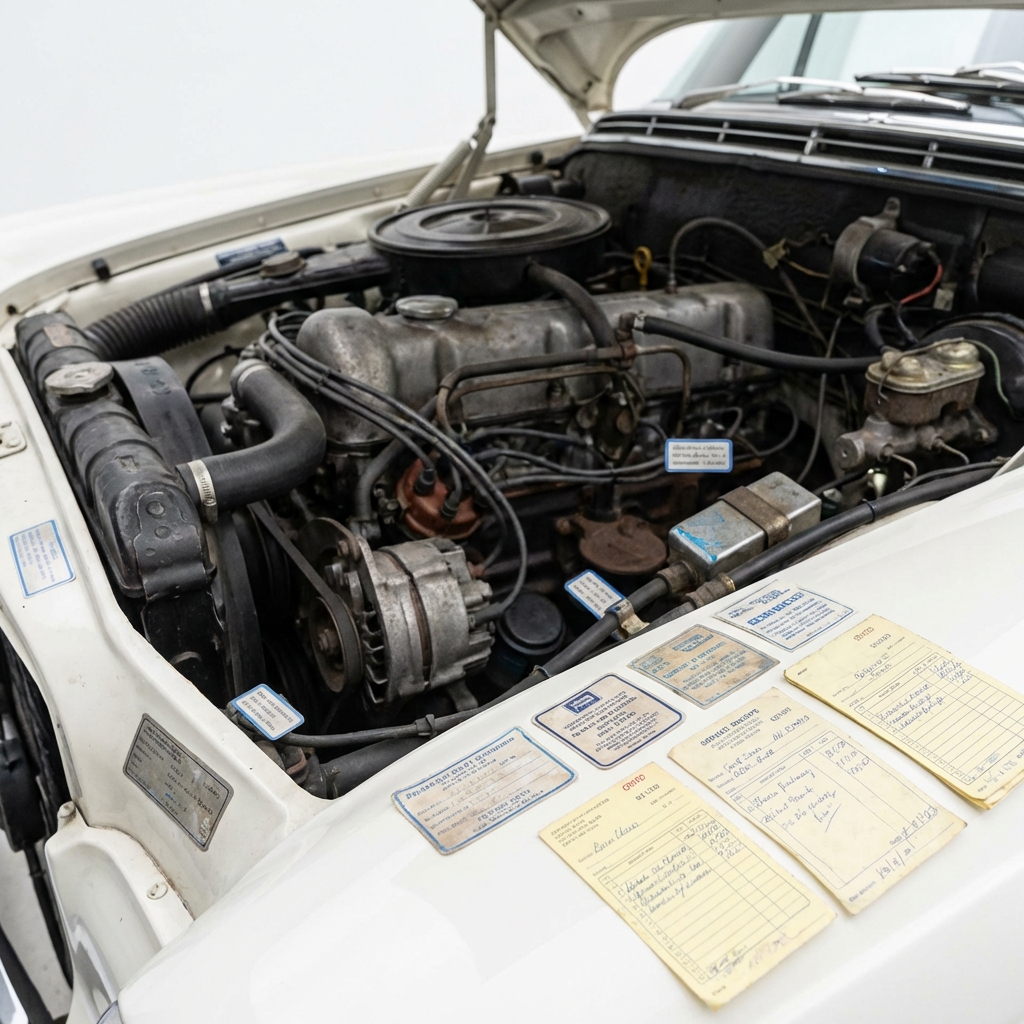
Look for documented service history entries in the listing text or uploaded receipts. Prioritize listings that show regular oil changes, timing service where relevant and recent major service entries, because documented maintenance often correlates with better long-term outcomes RepairPal on maintenance and reliability.
Order a VIN vehicle history report when a listing meets your basic filters and price expectations. The report is the single most useful document for confirming title status, ownership history, accident records and mileage checks before you arrange a physical inspection or test drive NHTSA guidance on VIN checks.
Step-by-step checklist to find reliable cars for under 5000
Begin by narrowing search results with filters for clean title, single owner and no accident reported when those filters are available. This reduces obvious risk and focuses attention on listings that are easier to evaluate further NHTSA on title and history checks.
After filtering, compare pricing insights and price analysis labels across similar listings in your local market to detect outliers. Mark listings that are priced well below market as candidates for extra scrutiny rather than immediate purchase Kelley Blue Book on local pricing context.
Order VIN vehicle history reports for the top two or three candidates and review service history entries, title events and any mileage discrepancies before scheduling inspections. A VIN report reduces information asymmetry and often reveals issues a seller may omit NHTSA on the value of history reports.
Decision criteria: how to weigh maintenance history, powertrain and past damage
Maintenance records versus mileage
Documented maintenance history tends to predict long life better than mileage alone. Regular oil changes and timing system service entries are particularly valuable signals that preventive care occurred, and these entries should raise a listing's priority when present J.D. Power dependability analysis.
How powertrain type affects expected life
Powertrain choice and known model-year issues matter. Some transmissions, timing designs or head-gasket patterns recur on certain model years and should be researched and listed as inspection priorities for those cars. Use reliability studies and model-specific notes when considering older vehicles Consumer Reports reliability insights.
Title issues, salvage branding or inconsistent mileage histories are high risk and should downgrade a listing regardless of price. If the VIN report flags these events, either require resolution in writing or remove the car from consideration NHTSA on title status.
Common mistakes buyers make with cars for under 5000
A frequent error is treating price as the main quality signal. Low sticker price without a VIN vehicle history report or inspection often leads to unexpected repairs and costs later, so prioritize history checks before making decisions NHTSA on VIN checks.
Skipping inspections or assuming a brand name alone guarantees longevity are other common mistakes. Model-year specific defects matter and require targeted checks rather than blanket assumptions about a brand's typical reliability J.D. Power study.
Run a vehicle history check before you visit
Before you visit a seller, order a VIN vehicle history report to confirm title events and service entries.
Underestimating ongoing maintenance costs is another trap. Budget conservatively for additional repairs and preventive work, and compare total estimated ownership cost, not just purchase price, when choosing between similar listings RepairPal on repair costs.
Typical high-mileage mechanical issues and what to check
Recurring failure modes by system
Certain engines and transmissions show recurring failure modes on specific model years, including timing-chain or head-gasket concerns for some engines and automatic transmission vulnerabilities for others. Research these model-specific issues before purchase and add them to the inspection checklist Consumer Reports on common failure modes.
What a mechanic should inspect on high-mileage candidates
Ask the mechanic to focus on engine compression, oil leaks, transmission shifting quality, cooling system integrity and recent timing or belt work. Also request a thorough rust and underbody check where climate makes corrosion likely, and compare findings to service receipts if available NHTSA on inspection importance.
Look for evidence that major repairs were done professionally, such as invoices for a replaced transmission or documented timing-chain service; when such records exist, it can reduce risk but still warrants close inspection RepairPal on repair documentation.
Estimating maintenance and repair costs for 150k+ vehicles
Typical annual ranges and what drives variance
Industry summaries and consumer services report that additional annual maintenance for 150k+ vehicles typically ranges from a few hundred to over a thousand dollars depending on model and condition. The biggest cost drivers are whether major components like the transmission or engine need work and parts availability for older models RepairPal repair cost guidance.
How to build a conservative repair budget
Set aside a contingency fund that covers at least common wear items and one medium repair, and adjust upward for rarer parts or higher local labor rates. Use local market labor rates and parts availability when estimating and compare across similar listings to choose a candidate with manageable expected costs Kelley Blue Book budgeting guide.
Where to find and compare local listings under $5,000
Search filters and how to interpret dealer signals
Use site filters for clean title, single owner and no accident reported when available, and then compare price analysis labels to see how a listing fits local pricing patterns. Dealer profile information, reviews and disclosed inspection notes add transparency to a listing and help prioritize visits Kelley Blue Book on search filters.
When a listing deserves extra skepticism
Be skeptical of unusually low prices, inconsistent mileage histories or listings that lack service documentation. Treat those as candidates for immediate VIN report checks and, if issues are confirmed, either require documented repairs or remove the listing from consideration NHTSA on VIN checks.
Three sample listings and how to evaluate them step by step
Example A: older compact sedan with full service history
Example A is an older compact sedan priced in the sub-$5,000 range with a set of scanned receipts showing regular oil, brake and timing-related services. Start by ordering the VIN vehicle history report to confirm ownership and title events, then compare price analysis labels to local listings to ensure the seller's asking price aligns with typical values NHTSA on vehicle reports.
If the VIN report matches the receipts and shows no major collisions or salvage titles, schedule a pre-purchase inspection with a mechanic who will check compression, leaks and transmission behavior. If the inspection confirms the receipts, this candidate often moves to the top of the list.
Example B: inexpensive SUV with mixed records
Example B is a small SUV listed below local comparables and with some service notes but gaps in maintenance. Order a VIN report to check for title issues or reported collisions, and prioritize inspection items such as suspension, brakes and evidence of prior structural repairs. If the VIN report shows prior collision repairs without clear documentation, treat the listing with caution and require more detail from the dealer or seller Kelley Blue Book on mixed records.
Decide to proceed only if the report and inspection align with a manageable repair estimate; otherwise, reject or negotiate a price reduction that reflects anticipated work.
Example C: domestic truck priced below market
Example C is a domestic truck offered well below market. Start with a VIN vehicle history report to confirm title status and check for any flood, salvage or odometer inconsistencies. If the report is clean but maintenance receipts are thin, plan for a detailed underbody and frame inspection because trucks can hide rust or frame issues that are costly to repair NHTSA guidance.
If the truck has a known strong powertrain and acceptable inspection results, it may be a viable candidate; if not, widen the search or adjust budget expectations.
Pre-purchase inspection checklist and negotiation points
What to ask the mechanic to inspect
Request a written inspection that covers engine compression and leaks, transmission shifting and fluid condition, suspension and steering components, brake system, cooling system and a rust and underbody check. Ask the mechanic to note any evidence of structural repairs or prior collision work so you can compare to the VIN report Consumer Reports on inspections.
How to use inspection results in price discussions
Use documented inspection findings to request itemized repair estimates and to ask the seller for a price reduction, repairs before sale or a written acknowledgment of issues. If major items like transmission or engine repairs are needed, be prepared to walk away, as those costs can exceed the value of typical sub-$5,000 candidates RepairPal on repair cost decisions.
Avoid accepting vague promises of future fixes; request written terms or a formal repair before completing the purchase.
Summary and practical next steps when searching cars for under 5000
Toyota and Honda models appear frequently among long-lived vehicles, but condition and service history are decisive for any individual listing. Use pricing insights to find candidates and confirm their histories with a VIN vehicle history report and a pre-purchase inspection before buying J.D. Power dependability study.
If local supply of viable sub-$5,000 candidates is limited, widen your budget or expand your search area rather than skipping history checks. Prioritize documented maintenance, clear title status and a clean VIN history when choosing among similar listings NHTSA on VIN checks.
Order a VIN vehicle history report, review service records and check title status. Combine that with a pre-purchase inspection to confirm mechanical condition.
Data analyses often show Toyota and Honda models, such as older Corolla, Camry, Civic and Accord generations, have higher likelihoods of long life, but condition and service history matter for each listing.
Plan for a contingency fund that covers routine wear and one medium repair; industry summaries indicate annual additional costs can range from a few hundred to over a thousand dollars depending on model and condition.
Used cars under $5,000 can offer durable transport when you focus on documented maintenance, clear VIN histories and conservative budgeting for repairs. Order a vehicle history report and a professional inspection to confirm whether a candidate is truly a long-lived option before you commit.
If your local market lacks well-documented candidates, consider widening your budget or extending your search area rather than skipping checks.


 Blog
Blog