This article compares carvana car value against dealership trade-in credits and private party proceeds. It explains how online instant offers are calculated, why inspection and title checks can change payouts, and gives a step-by-step decision framework for sellers. Use the checklist and scenarios to prepare documents and compare written offers before you decide.
The right rental car can shape your whole trip. This guide covers how to pick the best vehicle for business or family travel, from size, condition, and pricing to whether you need a driver, so you can book with confidence and travel in comfort.
This comparison helps used-EV shoppers decide between a Tesla Model 3 and Model Y by matching common buyer priorities to space, range, price and reliability trade-offs. It shows where the Model 3 typically leads on EPA-rated range and where the Model Y wins on cargo and seating position, and it recommends checks to verify safety ratings and vehicle history before you contact a dealer.
A clear, practical guide for research-first buyers who see a bentley bentayga for sale. This article outlines typical asking prices, ongoing maintenance and repair risks, depreciation patterns, recall checks, and a step-by-step evaluation checklist so you can decide whether to contact a dealer. It emphasizes verifying model-year records and running a vehicle history report before committing to an inspection or test drive.
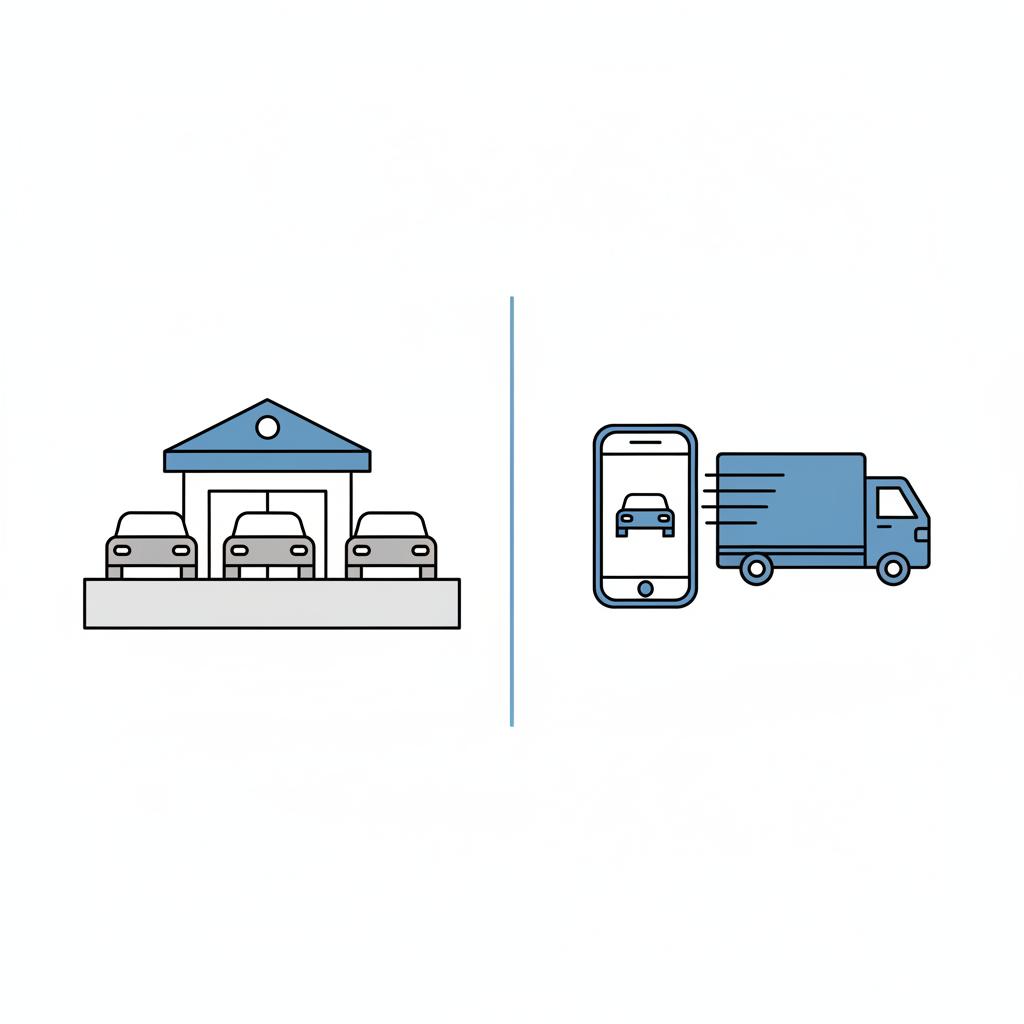
Selling a used car involves choices about speed, paperwork, and the amount of cash you receive. Two common paths are instant online offers and dealership trade-ins, each with different assumptions about condition, reconditioning, and resale margins.
This article focuses on how carvana car value is formed and compares it with dealership trade-in values and private-party outcomes. It provides a decision framework, common pitfalls, and practical scenarios to help you decide which path fits your priorities.
Instant offers use VIN data and regional market comparisons, but often allow inspection adjustments.
Dealer trade-ins reference wholesale channels and account for reconditioning costs, which can lower trade-in credits.
Private-party sales often bring higher net proceeds but require more time and effort from sellers.
What 'carvana car value' means and why it matters for sellers
The term carvana car value refers to the upfront automated offer an online buyer publishes for a vehicle, based on the vehicle identification number and local market data. Carvana builds that starting number from VIN specific inputs and regional market comparisons, which set an initial expectation for a seller. Carvana Help Center
That automated offer typically incorporates declared condition details, market comps, and built-in allowances for reconditioning and expected costs. These components act together: the VIN supplies equipment and option data, condition fields describe visible wear, and regional market comps anchor the expected resale value.
An important practical point is that an upfront number is often an estimate, not a final guaranteed payout. A published instant offer can be adjusted after a physical inspection, title verification, or if a lien is discovered. The possibility of post-intake adjustments is part of the offer process and can change the net cash a seller receives. Carvana Help Center
Sellers should also remember that offers from online buyers are optimized for speed and simplified transactions, which tends to prioritize convenience over extracting the absolute maximum a private-party sale might yield. Consumer guidance generally shows private-party sales often return higher net proceeds, though they require more time and work.
How Carvana's instant offer is generated and finalized
Carvana's initial instant offer is generated from VIN level data combined with regional comparisons and automated condition inputs. The process uses recorded equipment details, comparable transactions in nearby markets, and declared condition to produce a single upfront figure. When this logic is referenced directly, the explanation from the provider describes that the offer is based on VIN specific data and regional market comps. Carvana Help Center See the Carvana Certified Program for related retail standards.
gather VIN and condition details before requesting an offer
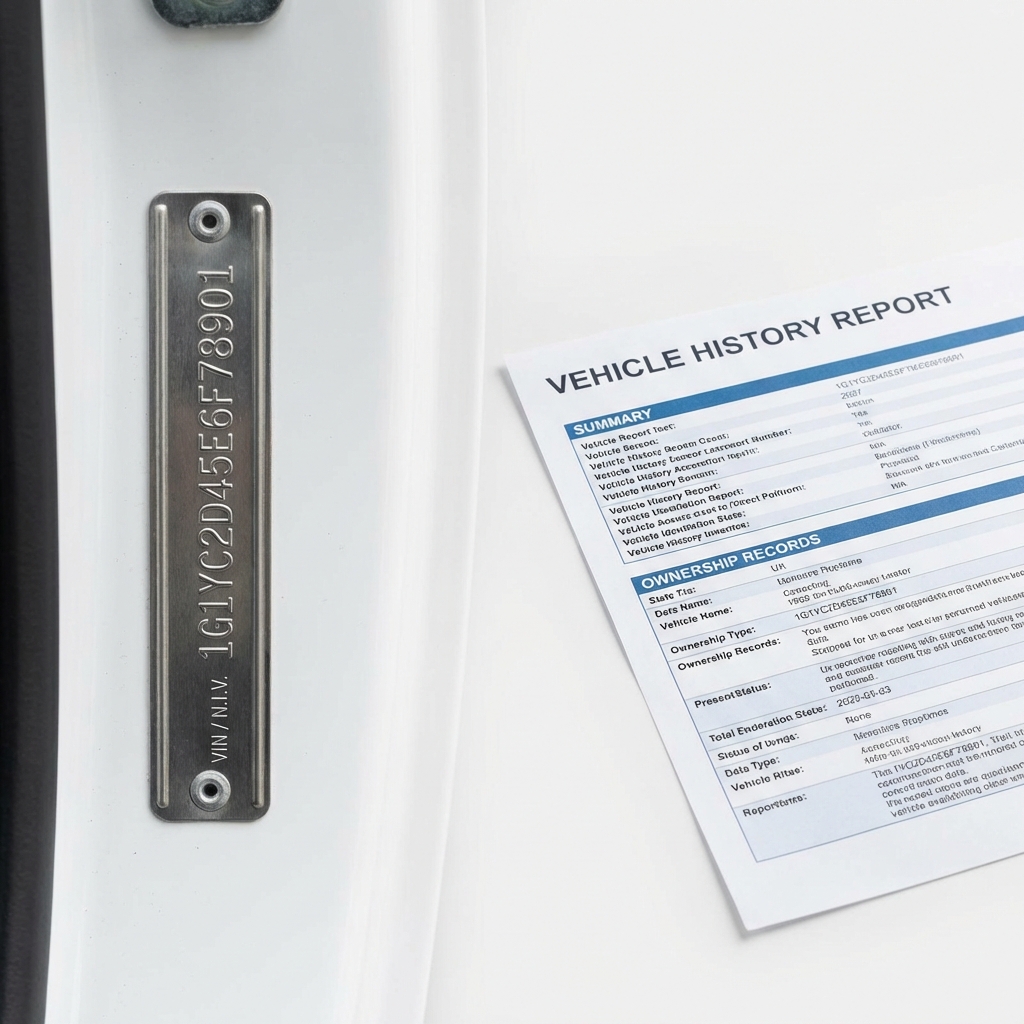
Have exact VIN and title info ready
After you accept an instant offer or bring the car for an intake, a physical inspection typically follows and the final payout can change. Inspectors look for undisclosed damage, mismatched mileage, nonworking systems, or missing parts. The final figure may be reduced if inspection findings or title checks reveal issues that were not captured in the initial VIN-based estimate. This inspection and finalization step is part of the typical intake workflow. For details on what an intake inspection may cover, see the 150-point inspection.
Because instant-offer channels have grown in use since 2024, more sellers encounter the trade off between time saved and variable net outcomes. Wider adoption means more streamlined processes for sellers who want speed, but net proceeds still depend on local resale spreads and any inspection allowances applied at intake. J.D. Power online retailing trends and independent write-ups such as a sell-to-Carvana review illustrate seller experiences.
To reduce the risk of downward adjustments, gather documentation before you request an offer. Maintenance records, clear title documentation, and recent receipts for repairs help corroborate condition claims. Having these documents available can limit surprises at inspection and support the initial condition declarations you submit. Consider running a vehicle history report at CarFax Deals run-report before you request offers.
How dealerships calculate trade in values
Dealership trade-in values typically start from wholesale and auction references and then factor in what it will cost the dealer to recondition and resell the car. Wholesale figures anchor what a dealer expects to receive if the vehicle is sold through an auction channel, and the dealer will often deduct estimated reconditioning costs and a retail margin from that baseline. Kelley Blue Book explanation of trade-in values
Because of that cost accounting, a dealer may offer different credits depending on whether the vehicle is intended for retail display or an immediate wholesale disposition. A vehicle expected to retail will carry a higher expected margin than one the dealer plans to send to auction, and those decisions affect the trade-in credit offered to the seller.
In practice this means trade-in offers often fall below private-party sale proceeds, since private-party buyers do not need to cover dealer reconditioning or sales overhead. If your priority is net proceeds, comparing a dealer offer with a private sale estimate can reveal a significant spread, though the dealer route reduces the time and negotiation burden for many sellers. Edmunds comparison of sell channels
To improve trade-in offers, ask for multiple written estimates and document the car's condition carefully. Presenting maintenance records and any recent repairs reduces uncertainty for the dealer and can sometimes narrow the gap between the trade-in offer and private-party expectations.
To improve trade-in offers, ask for multiple written estimates and document the car's condition carefully. Presenting maintenance records and any recent repairs reduces uncertainty for the dealer and can sometimes narrow the gap between the trade-in offer and private-party expectations.
Why inspection findings, title issues, and liens commonly change initial offers
Title status and outstanding liens are frequent reasons offers are reduced or delayed, because they affect the legal transfer of ownership and any payout timing. Sellers who overlook title checks can face adjusted offers or complications at closing. Federal consumer guidance encourages verifying title status and resolving liens before accepting offers to avoid surprises. FTC guidance on buying and selling used cars
Verify title and ownership documentation quickly with Run CarFax Report
Inspection discoveries such as previously unrepaired collision damage, unreported frame issues, or odometer discrepancies commonly lead to downward adjustments. Both online instant buyers and dealerships may apply similar categories of reductions when intake inspections reveal inconsistencies with the seller's declarations. Carvana Help Center
Before you request offers, check title status, clear any known liens where possible, and assemble maintenance records. Taking these steps can reduce the likelihood of a post-intake change to the payout and help keep the transaction timeline predictable.
Comparing net proceeds: Carvana offers, trade in, and private party sales
Consumer reporting consistently shows private-party sales generally yield higher net proceeds than instant offers or trade-ins, although they require more time for listing, showings, and negotiations. If your objective is net cash maximization, private sale is often the route that produces the most return, but it requires more work. Consumer Reports comparison of instant buyers and dealers
Instant-offer channels and dealer trade-ins trade time for convenience. They can close quickly and reduce paperwork, but both usually include allowances for inspection risk, reconditioning, and resale margins that reduce net proceeds compared with a hypothetical private-party sale price.
Regional market spreads also matter. In some locations the wholesale-retail gap is narrower and instant offers may come closer to private-party expectations. In other markets the spread is larger and the instant offer path will tend to pay noticeably less after allowances. Watch local pricing trends when you compare offers. J.D. Power online retailing trends
A simple comparison idea to evaluate net proceeds is to list expected payout from each path, subtract known fees or estimated reconditioning, and then compare the net numbers alongside your time cost. This table concept helps you weigh money versus convenience and can guide a decision aligned with your priorities. Use pricing insights and price analysis labels to put offers into local market context.
A decision framework: step by step to choose the right sell path for your car
Start by gathering core documents and facts: a vehicle history report, title documentation, maintenance records, and a clear odometer reading. These items reduce information asymmetry and make offers more comparable. Also ask each prospective buyer for a written offer that notes inspection allowances. Kelley Blue Book guidance on values
Next, get at least two different written offers and a private-party estimate so you can compare net proceeds. Use pricing insights and price analysis labels to put each written offer into local market context. Price analysis data helps you see whether an offer is within typical retail or wholesale ranges.
It depends on your priorities. Instant offers and trade-ins favor convenience and speed but usually include allowances for inspection and reconditioning that reduce net proceeds. Private-party sales often yield higher net cash but require more time. Compare multiple written offers and verify title and maintenance records to choose the best path.
Use a simple decision checklist: if you need a fast sale or prefer a low-effort transaction, an instant offer or dealer trade-in may be appropriate. If you want to maximize cash and can manage showings and negotiations, a private party sale is usually worth the extra effort. Factor in your local market conditions and any likely inspection adjustments.
Finally, document everything in writing and confirm inspection allowances and lien handling. Keeping written records of each offer and the conditions under which inspection adjustments are applied helps prevent misunderstandings at intake.
Common mistakes sellers make and how to avoid them
A common mistake is accepting an offer without checking title status or outstanding liens. Overlooking these items can delay transfer or reduce payouts at intake. Confirming title and lien status before you accept an offer reduces this risk. FTC guidance on title and lien checks
Another frequent error is relying on a single offer. Getting multiple written estimates reveals the range of likely payouts and makes it easier to spot an outlier. Consumer outlets recommend comparing several channels before deciding. Edmunds guide to selling options
Failing to document maintenance and recent repairs increases chances of inspection adjustments. Keep receipts and service records organized and present them when asked. Finally, check regional pricing trends before you list or accept an offer to avoid selling at a local low point.
Practical scenarios and annotated examples
Scenario 1: a recent model, single owner, clean title. For this profile the initial instant offer and dealer trade-in are likely to be closer to one another because the car will be easier to retail. Prepare a vehicle history report, maintenance records, and a clear title to minimize inspection adjustments. As a next step get a private-party estimate to compare net proceeds.
Checklist for scenario 1: VIN, vehicle history report, title, maintenance records, recent photos of condition. Ask each buyer about inspection allowances and whether the offer is final or conditional.
Scenario 2: an older model with minor damage. Expect a wider spread between private-party proceeds and instant offers or trade-ins because repair needs raise reconditioning costs. Document the damage and provide receipts for any recent repairs. Consider whether the time and effort to find a private buyer is worth the likely additional net proceeds.
Checklist for scenario 2: VIN, vehicle history report showing damage history, repair receipts, photos of affected areas. Ask about typical inspection deductions for cosmetic issues.
Scenario 3: a car with an outstanding lien or a documentation discrepancy. Offers can be reduced or delayed until title and lien issues are resolved. Resolve liens when possible or be prepared to discuss payoff procedures with the buyer. Online and dealer channels both treat liens and title discrepancies as intake risk factors. Carvana Help Center
Checklist for scenario 3: VIN, title with lienholder details, payoff amount if available, contact info for lienholder. Ask potential buyers how they handle lien payoffs and required documentation to avoid surprises.
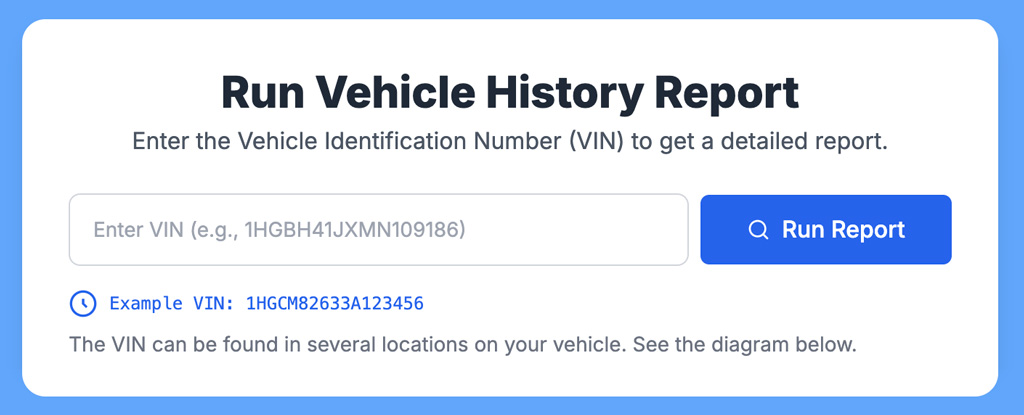
Run a vehicle history report before comparing offers
If you have your VIN and title documents ready, compare offers side by side to see which path matches your timeline and net proceeds goals
When you walk through these scenarios, use the earlier decision framework to choose the best path. Document offers in writing and verify inspection allowances to keep the process predictable.
Summary checklist and next steps
Run a vehicle history report, verify title and lien status, collect maintenance records, and get multiple written offers before deciding. Confirm inspection allowances in writing so you understand how final payouts are determined. Carvana Help Center
If your priority is convenience, an instant offer or dealer trade-in can close quickly. If maximizing net proceeds is the priority, prepare to list privately and manage the sale process. Use pricing insights and price analysis labels to compare offers against local market context. Take the next step that matches your timeline and risk tolerance.
Offers can change if inspection finds undisclosed damage, mileage discrepancies, or title and lien issues. Gathering maintenance records and verifying title before requesting an offer reduces the chance of adjustments.
Dealership trade-ins and instant offers both include allowances for reconditioning and margins, so neither reliably pays more; private-party sales typically yield higher net proceeds but require more effort.
Have the VIN, vehicle history report, title showing lien status, maintenance records, and recent photos of the car ready to present to buyers.
Decide based on your priorities: if you value speed and simplicity an instant offer or trade-in may be appropriate. If maximizing proceeds is more important, prepare the documentation and time to list privately.
Whichever route you choose, run a vehicle history report, confirm title and lien status, and get multiple written offers to reduce surprise adjustments at inspection.

 Blog
Blog