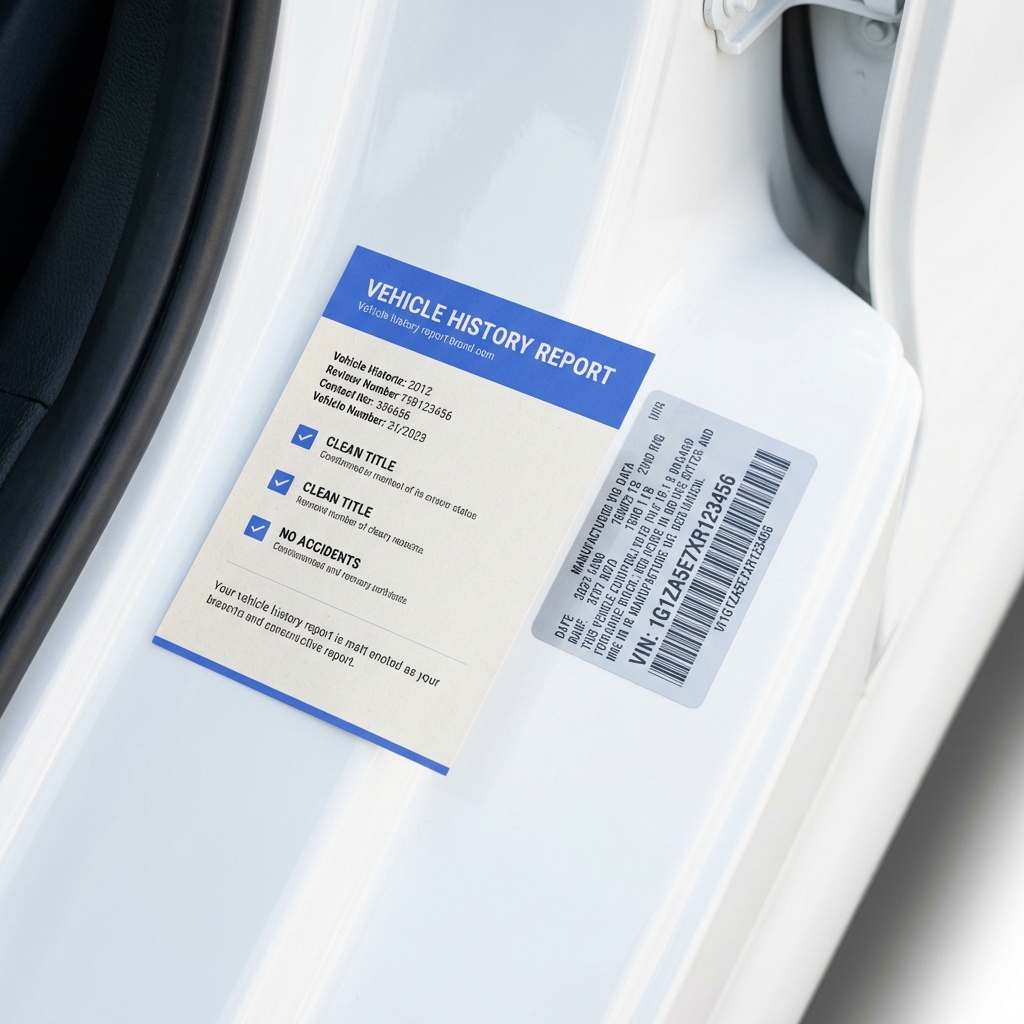
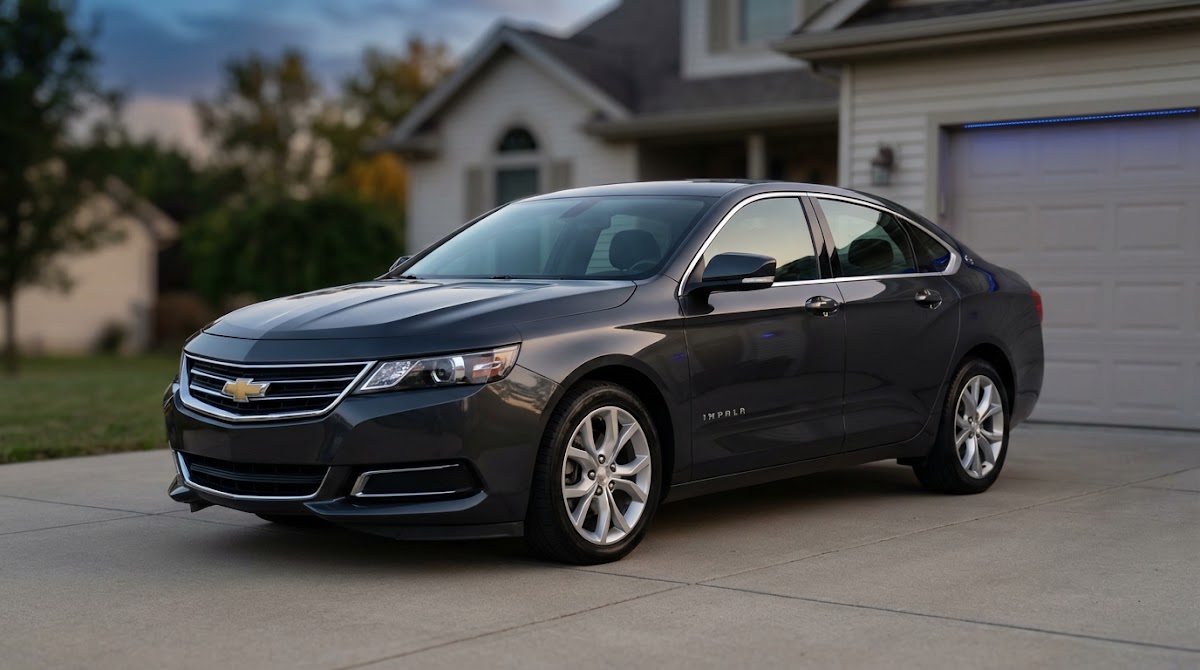
An evidence-first look at whether Chevrolet has announced a 2026 Impala and what buyers should do if they want an Impala now. The article explains why rumours persist, what official signals would confirm a return, and practical paths to purchase a Chevrolet Impala today, including used listings and remaining dealer inventory. Use vehicle history reports and pricing insights to verify any listing you consider.
A rav4 used for sale can be a sensible pick for many research-oriented buyers because reliability aggregators rate the model above average and safety ratings are generally strong. This guide explains how to vet listings, what model years tend to be better, and a step-by-step checklist to reduce risk before you buy.
This guide explains how to estimate the cost of buying an R34 Skyline, with attention to import rules, condition-driven price tiers and landed cost. It shows which factors move value, how to verify history and paperwork, and offers a checklist you can follow when you search for a nissan skyline r34 for sale.
This guide helps buyers set realistic expectations for tacoma trucks for sale by explaining the main price drivers and a repeatable method to build conservative, typical, and ambitious offer ranges. It shows how the 2024 redesign, valuation guides, and vehicle history reports interact to change asking prices and reduce purchase risk.
This article gives a clear, evidence-first update for buyers wondering whether Chevrolet is making a 2026 Impala. It summarizes what public records and trade reporting show, explains which signals are credible, and offers concrete steps for buyers who want an Impala today.
We avoid speculation and focus on verifiable sources so you can decide whether to wait for an official announcement or search the used market with confidence.
No official GM announcement lists a 2026 Impala; current signals are trademark and trade reporting, not production confirmation.
For most buyers in 2026, the realistic options are used Impala listings or remaining dealer inventory verified with VIN reports.
Credible confirmation would require a Chevrolet press release, an official model listing, or dealer build allocations.
Quick answer and what this article covers
Short verdict
Short answer: there is no official Chevrolet or General Motors announcement confirming a production 2026 Chevrolet Impala as of early 2026. Official model lineups and GM media resources list current models and do not show a 2026 Impala, so treat claims of a new 2026 production model as unconfirmed until Chevrolet issues a formal statement Chevrolet media resources.
That conclusion rests on company publications and official model lineup pages rather than secondary reports. Industry coverage has repeatedly discussed the possibility of a return, but those articles rely on indirect clues rather than a factory allocation or an explicit launch plan.
This guide walks through the evidence so you can judge future reports, shows which signals would count as credible confirmation, and lists realistic ways to own an Impala today using used listings or remaining dealer stock. Each section flags the kind of source to watch and practical steps a research-first buyer can take.
If you are searching for a chevrolet impala for sale, the practical advice below focuses on verification steps like reviewing vehicle history reports, comparing pricing insights, and confirming title status before contacting a dealer.
Why Impala rumors keep appearing in the press
Types of signals that trigger stories
Stories about an Impala comeback often start from a few recurring signal types: analyst commentary about corporate product strategies, trademark or filing activity, and anonymous tips that hint at brand planning. These signals can prompt headlines but do not themselves confirm that GM will build a 2026 Impala.
Trade coverage tends to aggregate these clues into possible scenarios, which is why multiple outlets may run similar-sounding pieces even when no official announcement exists. For example, automotive journalists typically discuss the same indirect indicators rather than a single GM confirmation Car and Driver.
How trade coverage treats these clues
Reputable trade outlets generally separate confirmed company statements from speculation, but summaries and headlines can blur that distinction for casual readers. Coverage will often use trademark filings or analyst notes as the basis for a narrative about a nameplate's future, while explicitly noting the lack of company confirmation.
That pattern explains why rumors resurface periodically without a clear timeline for production. Readers should check whether a story cites a GM press release or dealer allocation before accepting it as a sign of an imminent launch Automotive News analysis.
What trademark filings and USPTO records actually tell us
How to read a trademark filing
A USPTO trademark entry records a company's interest in protecting a name or mark for particular goods and services. The entry shows owner details, filing dates, and the goods or services covered, but it does not document manufacturing plans, dealer allocations, or factory schedules. That makes filings a useful early signal but not definitive evidence of production USPTO trademark record.
Because filings can represent defensive brand management or preparatory protection, a visible record for the IMPALA name can simply mean an intent to keep options open rather than a confirmation of a 2026 model.
Want to confirm history before you buy?
Check official filing records and reputable trade coverage before treating a trademark mention as proof of production.
Limitations of trademark activity as proof of production
Trademarks and renewals often show up in media cycles because they are public and easy to cite, but they lack production details like factory orders, official trim lists, or dealer build allocations. A filing alone does not establish a launch date, supply plan, or engineering commitment.
Journalists and analysts can reasonably flag a trademark as noteworthy, but buyers should not rely on that information as the basis for expecting a newly manufactured 2026 Chevrolet Impala.
What would count as credible confirmation from GM
Official signals that indicate production
The clearest, verifiable signs that GM intends to produce a new Impala would include a Chevrolet press release announcing the model, the listing of the model in official Chevrolet lineups, and factory production permits or build schedules posted by GM or regulators. Those documents and notices provide the specific, auditable evidence buyers should look for before assuming a new model exists Chevrolet media resources.
Other concrete signals are dealer-level communications such as formal build allocations or detailed dealer order guides. When manufacturers open dealer ordering, dealers receive build codes and expected arrival dates, which are strong indicators that production is imminent.
Why dealer allocations and press releases matter
Analyst commentary and trademark filings are useful context, but they are not substitutes for the direct, verifiable artifacts that signal a true product launch. A press release or an official model listing ties the nameplate to a product plan; a dealer allocation ties that plan to production and distribution channels. Without those steps, a rumor remains speculative Analyst note.
If you want to track an announcement, the most reliable place to watch is the Chevrolet press and media pages, where model introductions and official timelines are published and can be cross-checked with dealer notices.
If you want a Chevrolet Impala now: realistic buying paths
Used market options
The most practical way to own an Impala in 2026 is the used market. Listings, private sellers, and certified pre-owned inventory are where Impala models from prior years remain available, and buyers can often compare multiple options by region and trim Kelley Blue Book market report.
Use market reports and VIN-based history reports to shortlist Impala listings
Compare similar local listings
When evaluating used listings, consider model year, known powertrain options, and whether the car is offered as certified pre-owned. Dealer remainders can sometimes show late-model examples, but they will be limited in number. For guidance on how to compare listings, see our how-to guide.
Remaining dealer stock and certified pre-owned
Some dealers may still have Impala units in inventory or certified pre-owned examples that were traded in. These cars can be attractive because they often come with dealer inspection records and sometimes limited warranties, but availability is regional and varies by dealer.
Check local dealer inventories against broader market reports and use pricing insights to see whether a dealer price aligns with comparable listings. If a 2026 model were introduced, dealers would typically receive formal allocations and publish order guides, which is not the situation as of early 2026.
How to evaluate a used Chevrolet Impala listing before you visit
Essential documents and report checks
Before you contact a seller, get the VIN and run a vehicle history report to confirm ownership history, title status, reported accident history, service records, and mileage checks. A verified vehicle history report can help you prioritize listings that match your risk tolerance and budget.
Use the history report to verify claims like single owner or no accident reported, and cross-check service history entries where available. When a dealer listing lacks a VIN or a VIN-based report, treat the listing as higher risk until you can confirm those details Kelley Blue Book market report.
What to inspect in photos and descriptions
In photos, look for consistent wear patterns that match the mileage, verify that listed features match posted trim and option codes, and check for signs of body repair or panel replacement that may indicate prior damage. Descriptions should include model year, trim, and powertrain; if they do not, request that information before visiting.
Confirm whether the vehicle has a clean title or another status and ask the seller for service records when possible. Compare the listing against pricing context and similar local listings to spot potential red flags before you schedule a test drive.
Pricing and valuation: what to expect for Impala models on the market
How listings are priced
Used Impala prices vary with model year, trim, mileage, and condition. Dealers and private sellers set asking prices based on local demand, comparable sales, and condition adjustments. Use market reports to create a pricing band rather than relying on a single advertised price.
When a listing is priced substantially below comparable local examples, it may reflect condition issues, title problems, or other risk factors. Always verify the vehicle history report and title status before assuming a bargain is legitimate Kelley Blue Book market report.
Using market reports to set expectations
Run pricing comparisons across multiple listings in your area and reference a market report to define a reasonable price range for the year, trim, and mileage you prefer. Pricing insights and price analysis labels can help you judge whether a listing is a Great Deal, Good Deal, or otherwise.
Market reports are not a substitute for a VIN-based history check, but they do help you avoid overpaying for a model that is common in your region or paying premium prices for rare trims without demand data. Analyst estimates about future production will not change how used units are valued today unless and until a manufacturer announces a new model.
Common mistakes and pitfalls when chasing a rumored comeback
Overreliance on unverified sources
One common error is treating a single anonymous tip or an article that cites only filings as definitive news. Trademark mentions, analyst commentary, or anonymous tips are worth noting, but they are not equivalent to a GM press release or dealer allocations.
Another frequent mistake is delaying a purchase indefinitely while waiting for a rumored return. For many buyers, the used market offers a practical alternative that meets needs without depending on uncertain corporate decisions.
Misreading trademark or analyst signals
Misinterpreting a trademark filing as a production commitment or over-weighing an analyst speculation can lead to wasted time. Use filings and analyst notes as context, then seek direct confirmation from manufacturer publications or dealer ordering systems before acting on a reported comeback.
When in doubt, follow a checklist: verify the source, check whether the story cites a GM press release, and confirm with official Chevrolet media resources before changing buying plans.
How to track credible signals going forward
Which official sources to monitor
Monitor Chevrolet official media pages and GM press releases for formal announcements about model introductions. Official channels are the primary place where GM publishes confirmed new models and timelines, and they can be cross-checked against dealer updates.
No official confirmation exists as of early 2026; current public signals are speculative and should be verified against Chevrolet press releases and dealer allocations.
How to interpret dealer and industry signals
Dealer allocations, model listings in dealer order guides, and factory build schedules are strong industry signals that a model will reach market. Industry press and analyst notes are useful for context, but confirm any claim by checking Chevrolet's official news and lineup pages or dealer ordering communications Automotive News analysis.
Keep a routine: check official media pages, look for dealer order confirmations, and treat filings as background information rather than proof of production.
How to monitor trademark activity and public records yourself
Where to find filings
Search the USPTO TESS database to find trademark filings, owner information, filing classes, and dates. The TESS entries show the administrative details of a filing but do not include production or manufacturing schedules, so interpret them accordingly USPTO trademark record.
Set a bookmark for the IMPALA trademark entry and check filing updates, ownership changes, or new class filings if you want to follow nameplate activity closely. Remember that filings may reflect defensive brand management more than an imminent product announcement.
How to read basic entries
Focus on the owner name, filing date, and goods or services description in a trademark entry. Those fields tell you who filed and what the mark is intended to cover, which helps you judge whether a filing is for a vehicle, merchandising, or broader brand protection.
Even when a filing looks directly automotive, treat the record as an early warning rather than as proof a new model will be produced. Verify with official Chevrolet communications for production confirmation.
Alternatives to waiting: comparable models and practical considerations
Sedans and other body styles to consider
If you do not want to wait for an uncertain Impala return, compare similar mid-size sedans and certified pre-owned alternatives that match your priorities for passenger space, fuel economy, and safety ratings. Focus on matching model year, trim, and powertrain to your needs rather than brand name alone.
Use reliability studies, safety ratings, and total cost to own estimates to make apples-to-apples comparisons. These metrics often matter more in daily ownership than the presence of a specific badge on the trunk.
When an alternative makes more sense
An alternative model can make sense when the used Impala options in your area are scarce, overpriced, or in condition categories that raise risk. Compare total ownership costs, available warranties, and verified service history when an alternative becomes the practical choice.
Keep using vehicle history reports and pricing insights to validate any alternative you consider so you compare verified evidence across models.
A concise research checklist for a buyer who wants an Impala
Before you contact a dealer
Checklist items to verify before you visit: obtain the VIN, run a vehicle history report, confirm title status, check for single owner or no accident reported where available, and compare pricing context against similar local listings Kelley Blue Book market report.
Ask the seller for service records and any dealer inspection documentation. If the listing lacks a VIN or a VIN-based report, deprioritize it until you can confirm those items.
When you inspect or test-drive
At inspection or test-drive: confirm that the listed features match the vehicle, check for uneven panel gaps or paint differences that suggest repair, verify mileage with service stamps, and test drive for any unusual noise or driveability concerns.
Document your checks and request a VIN-based report the dealer can run or provide. Use price analysis labels or pricing insights to place the dealer's ask within local market context before negotiating.
Bottom line: how to think about the Impala name in 2026
Final verdict
The evidence-based conclusion: there is no official confirmation that Chevrolet is producing a 2026 Impala. Company model lineups and media resources do not list a 2026 Impala, and the available public signals are trademark activity and speculative trade reporting rather than direct production documentation Chevrolet media resources.
That leads to a practical recommendation: treat the possibility as uncertain and leaning to no until GM issues formal confirmation via press releases, official lineups, or dealer allocations.
What to do next
If you want an Impala now, search the used market and remaining dealer inventories while verifying listings with vehicle history reports and pricing insights. If you prefer to wait, monitor Chevrolet's official media resources for announcements and dealer ordering information.
Either path benefits from a research-first approach: verify VINs, compare pricing context, and confirm title and service history before you make a purchase decision.
No. As of early 2026 there is no official Chevrolet or General Motors announcement confirming a production 2026 Impala.
No. Trademark filings indicate interest in a name but do not show factory orders, dealer allocations, or an official launch schedule.
The most practical path is to search used listings and remaining dealer inventory, and verify any listing with a VIN-based vehicle history report and pricing comparisons.
Decide which path suits you: monitor Chevrolet's official channels for a confirmed announcement, or pursue a used or dealer-stock Impala with VIN-based verification and pricing insights. Either approach is stronger when grounded in verified documentation rather than rumor.
If you plan to shop, keep a checklist of VIN, vehicle history report, title status, and pricing context to make comparisons that reduce risk.

 Blog
Blog