This guide examines whether a Chevrolet Tahoe fits common used‑SUV needs, weighing safety, reliability, space and ownership costs. It explains which model years tend to offer better technology and towing, and gives step by step checks buyers can use when they see a chevy tahoe for sale. Use vehicle history reports and pricing insights as prioritization tools, then confirm condition with an inspection.
A step-by-step workflow for estimating a truck's market value that centers on comparing consumer valuation tools, adjusting for mileage and condition, and checking wholesale market signals. The guide explains private-party, trade-in and dealer retail values and shows how a vehicle history report and pricing insights can change an asking price.
This guide helps research oriented buyers evaluate suv used cars for sale under $25,000 by combining safety ratings, reliability data, local pricing context, and vehicle history checks. It outlines a simple framework, a pre visit checklist, and a decision scoring worksheet so you can compare finalists before contacting a dealer. Use the steps here to narrow candidates and confirm risk signals with a vehicle history report and a pre purchase inspection.
When searching suv used cars for sale, prioritize model year, trim and powertrain before choosing a make or model. This guide explains how safety ratings, dependability studies and local pricing insights combine to produce a short list you can verify with a vehicle history report. It also provides a stepwise checklist you can use before contacting a dealer.
If you are weighing a Tahoe among used SUVs, this guide lays out the practical tradeoffs. It focuses on safety ratings, reliability patterns, space and towing capability, and what to check on a listing so you can decide whether the vehicle meets your needs.
Use the article to build a shortlist, run vehicle history reports, and plan inspections before you make an offer.
The Tahoe offers roomy three row seating and strong towing capability when properly equipped.
Reliability is average to mixed and varies by model year and drivetrain, so check year specific data.
Total cost to own tends to be higher than for midsize SUVs due to fuel and insurance drivers.
Quick answer and who this guide is for
Short takeaway: The Tahoe is a full-size SUV that often suits families and buyers who need passenger space or towing capacity, but it usually costs more to operate than a midsize SUV and reliability varies by year. When you find a chevy tahoe for sale, treat pricing context and vehicle history details as filters, not proof of condition; combine those signals with an inspection and paperwork checks. CarFax Deals
Check vehicle history before you visit
Use prioritized listings and vehicle history reports to narrow choices before scheduling inspections.
Who should read this: This guide is for research oriented buyers, families evaluating cargo and seating, towing buyers who need capacity and predictable costs, and first time buyers who want a clear checklist for screening used SUVs. It explains safety test patterns, typical repair areas, and practical buying steps so you can judge listings and set inspection priorities.
The rest of the article walks through the Tahoe's layout and engines, what safety and reliability sources say, cost considerations, and a repeatable shortlist to purchase sequence.
What the Tahoe is today: size, engines and common trims
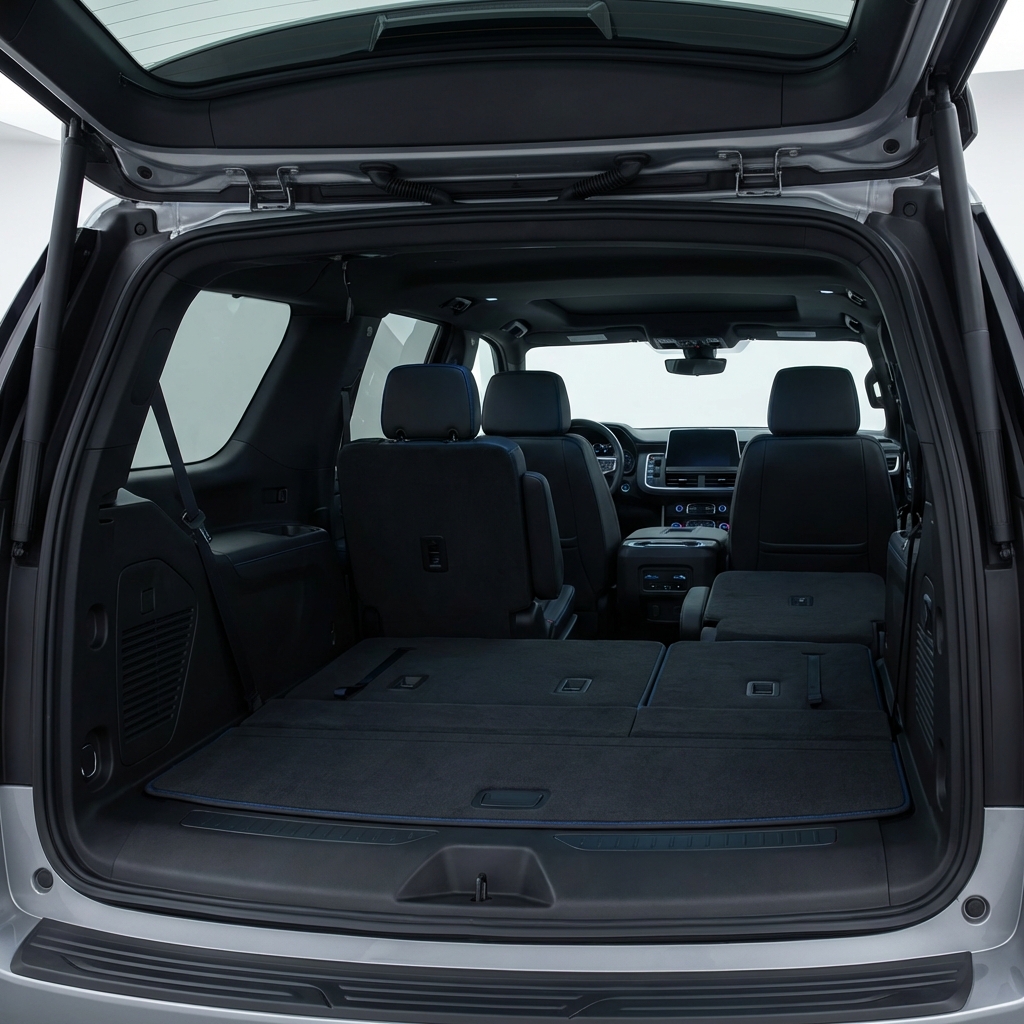
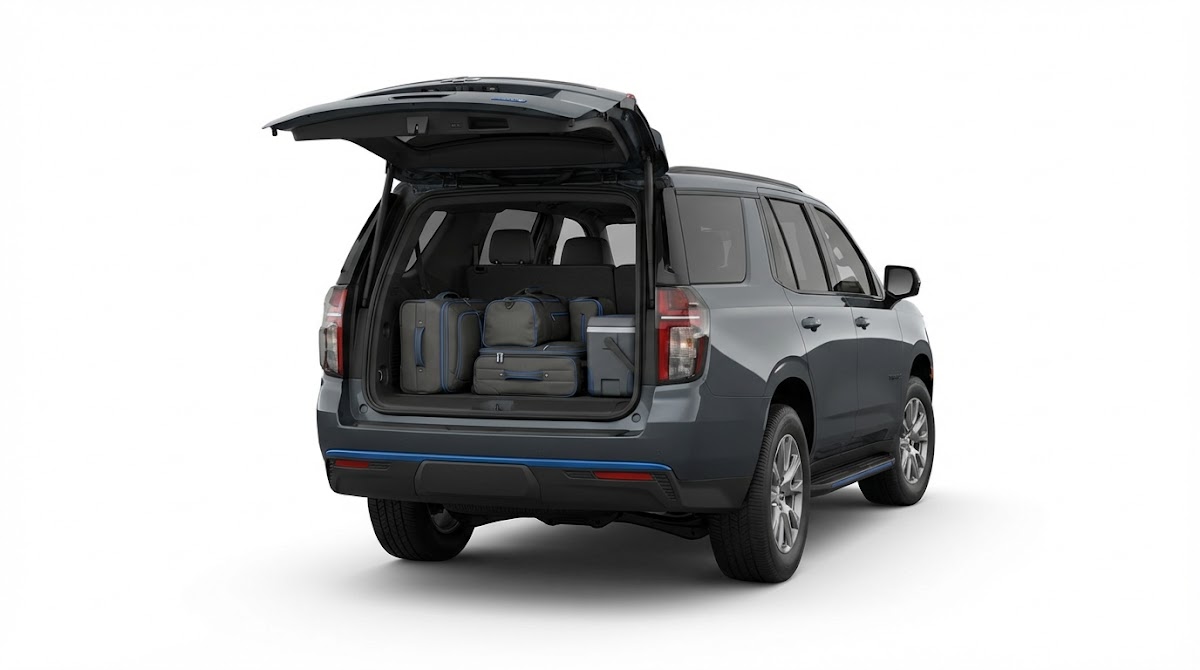
The Chevrolet Tahoe is a full-size SUV with three-row seating in most trims and a flexible cargo area that expands when the rear seats fold. Typical seating layouts favor 7 to 9 passengers depending on configuration, and cargo space behind the third row is roomy compared with many midsize SUVs. Buyers seeing a listing should note the seating arrangement and how often they will use all rows, since seat configuration affects the usable cargo volume.
Common powertrain options include V8 engines and more modern V6 or turbocharged variants in recent years, plus available four wheel drive on many trims. Powertrain choice matters: larger engines usually give higher towing capacity but increase fuel use, while more efficient drivetrains tend to lower running costs at the expense of maximum tow ratings. J.D. Power data and model summaries identify the typical engine and drivetrain splits buyers will encounter when shopping used listings, and trim levels often add or remove towing packages and advanced tech that affect both capability and price J.D. Power Tahoe model data and more recent model context at J.D. Power 2025 Tahoe
Trims range from basic work-oriented versions to well equipped passenger trims that include driver assistance features and upgraded infotainment. When you review a listing, compare the trim, powertrain and installed options. Those items determine towing capacity, fuel expectations and which safety equipment may be present.
Safety and crash testing: what ratings show
Testing by major agencies shows the Tahoe performs well in many crash protection metrics, but results vary by model year and by whether optional safety equipment is installed. For a given listing, you should confirm which safety features are actually fitted on that vehicle instead of assuming they are present based on trim name alone IIHS vehicle ratings for the Tahoe
The Tahoe suits buyers who need full-size passenger space or towing capacity and who are willing to accept higher fuel, insurance and maintenance costs; verify condition with a vehicle history report and a pre-purchase inspection.
Agency results and lab scores are useful for model-level context, but the presence of specific systems such as automatic emergency braking, lane keeping assist or upgraded airbag packages can change real world protection. Before visiting a seller, check the listing for explicit safety equipment notes and cross check open recalls and campaigns on regulator sites.
Finally, remember that safety ratings and installed systems can differ across model years. If crash test performance is a priority, verify the tested year and then confirm that the vehicle for sale has the same safety package used in that testing data NHTSA Tahoe safety page
Reliability and common repairs: what long term sources report
Major consumer and repair sources generally rate Tahoe reliability as average to mixed, with some model years and drivetrains showing higher repair frequency. Consumer Reports summarizes reliability patterns and highlights variation across years and configurations, so buyers should check year specific data for the exact model they are considering Consumer Reports Tahoe overview
Repair databases and owner forums commonly point to recurring repair areas such as drivetrain components, electrical items tied to in cabin tech, and routine wear items that can cost more on full-size trucks. RepairPal and similar sites collect reported failures and can help you identify red flag model years and parts to ask about when you inspect a listing RepairPal Tahoe reliability. For owner reviews and additional owner perspectives see Edmunds owner reviews.
Because reliability varies by model year, drivetrain and how the vehicle was maintained, emphasize documented service history and look for single owner and well maintained labels when comparing listings. A vehicle history report and a pre-purchase inspection are the most effective ways to confirm condition beyond generalized reliability scores.
The 2021 redesign and which model years many buyers prefer
The 2021 redesign updated powertrains, increased towing capability options and refreshed interior technology, which for many buyers makes 2021 to 2025 model years preferable when searching for modern features and stronger tow ratings. Those model years also introduced more advanced infotainment and driver assistance packages that some buyers value for family use and long trips Consumer Reports Tahoe overview and further coverage in a review at Car and Driver
You should weigh the benefits of newer model years against likely higher price and potentially higher insurance or depreciation. Newer models often bring improved towing and comfort, while older model years can be more affordable to buy but more expensive to operate in fuel and maintenance.
If modern towing features and in cabin tech are priorities, search for specific equipment packages in the 2021 and later redesign era. At the same time, ask for service records that show how the vehicle was used and maintained, because even a desirable year can carry avoidable wear if towing or heavy use was frequent.
Space, towing and practical capability for families and tow users
Passenger and cargo space is a core Tahoe strength. Typical three row layouts seat seven to nine; folding the third row expands cargo area substantially for luggage or gear. For family use, consider how often you will use the third row and whether you need the extra cargo room when seats are folded. A few manufacturers place fewer seats in exchange for more cargo space, so check the exact seating configuration in a listing.
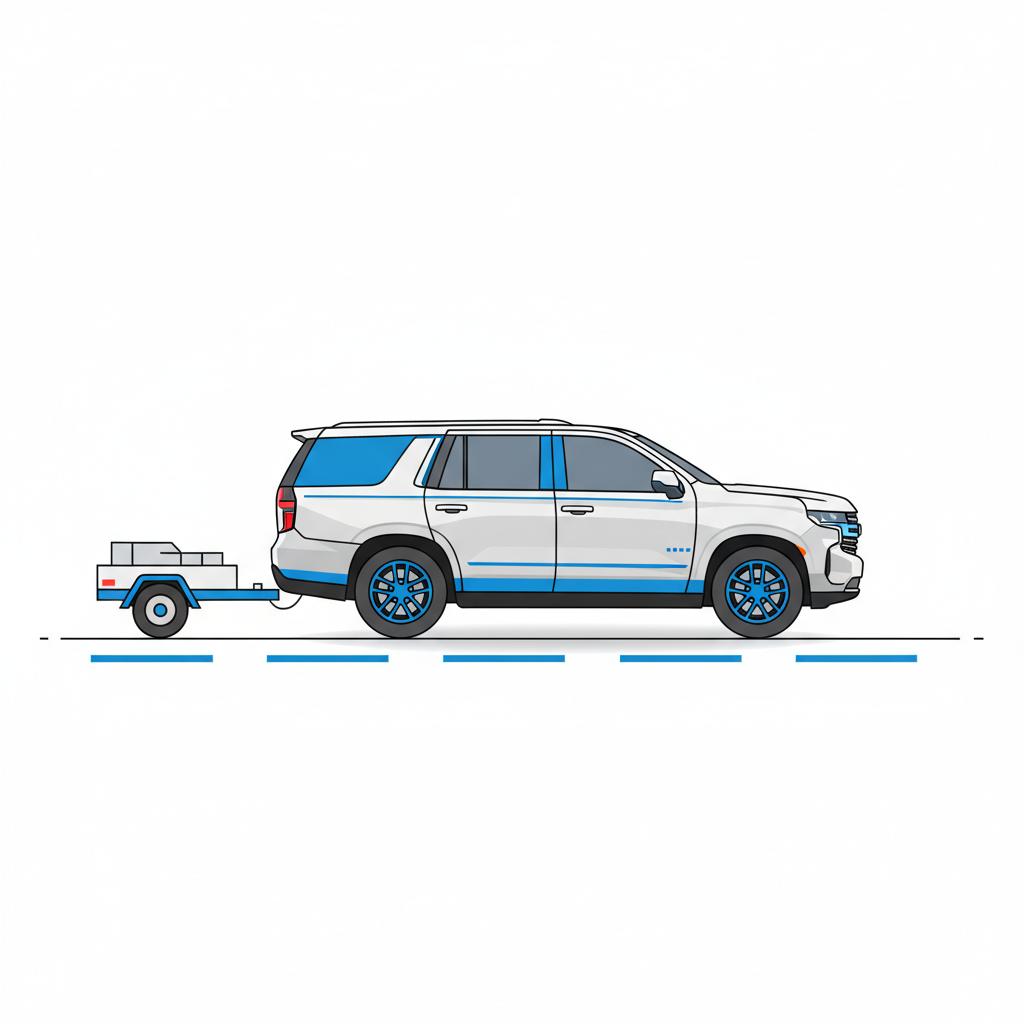
Towing options depend on engine choice and available packages. With appropriate equipment, the Tahoe can tow substantial trailers, but exact capacity varies by model year and powertrain. Check the vehicle's sticker and owner's manual for its designated towing rating and confirm the presence of a factory tow package or hitch equipment when the listing claims a high towing capacity CarFax Deals
Practical checks include confirming payload capacity, trailer brake controls and the type of hitch installed. For regular towing, ask for documentation showing the vehicle's towing history and prefer examples with recent maintenance records for the braking and cooling systems.
Ownership costs: fuel, insurance, maintenance and depreciation
Total cost to own a Tahoe is generally higher than for a midsize SUV because of larger fuel consumption, potential maintenance costs, and depreciation patterns typical of full-size vehicles. Fuel and insurance tend to be meaningful cost drivers, and actual totals depend on your mileage, local fuel prices and insurance factors such as your driving record and coverage choices J.D. Power vehicle data
estimate annual ownership cost components
Use conservative fuel cost for planning
To estimate fuel cost, multiply your typical miles by an expected cost per mile for a full-size V6 or V8. Insurance for larger SUVs can be higher than for smaller vehicles, so request quotes from your provider using the model year and trim under consideration to see how premiums change with value and equipment. Maintenance items such as brakes, tires and scheduled service can cost more on heavier, larger vehicles, so include those in your local estimates.
When comparing a Tahoe to midsize alternatives, add the expected fuel delta, possible higher insurance and slightly larger routine service costs to your annual estimate so you can compare total cost to own rather than just the purchase price.
How to evaluate a specific listing before you visit
Checklist to use on a listing page: request a vehicle history report, confirm title status and ownership history, review service records, and look for price analysis labels or single owner and no accident reported notes as prioritization cues. A history report and documented service entries reduce uncertainty, but they do not replace a physical inspection or verification of current condition NHTSA guidance for checks and recalls
Red flags to pause on include missing or inconsistent service history, salvage or rebuilt title indications, signs of heavy towing without supporting maintenance, and dealer listings that omit clear photos of the vehicle's undercarriage and engine bay. If a listing has an open recall or unclear title status, delay an offer until those items are resolved or explained.
Next steps if a listing looks promising: run the vehicle history report, ask for recent maintenance invoices, and schedule a pre-purchase inspection with a trusted, independent mechanic. Use price analysis labels and dealer transparency signals to prioritize which listings to inspect first.
Using pricing insights and dealer transparency to prioritize listings
Price analysis labels such as Great Deal, Good Deal and Fair Deal are shorthand for how a listing compares to local market context. Use these labels to decide which vehicles to research first, not as the sole reason to buy. They help you prioritize time on listings that are competitively priced, but they do not verify mechanical condition.
Dealer transparency signals to check include dealer reviews and ratings, a detailed dealer profile, clarity about return policies and whether the dealer provides service records. Higher transparency can reduce uncertainty about a listing but does not replace a vehicle history report or inspection.
Combine pricing insights with a vehicle history report and a close look at service history to narrow your shortlist. Treat the combined signals as a triage system: price context narrows options, history reports check past events, and inspections confirm current condition CarFax Deals
Typical buyer profiles and scenario guidance
Family buyer checklist: prioritize safety equipment, recent service history, low to moderate mileage, and three row configurations that match your seating needs. For families, target model years with more comprehensive driver assistance packages if those systems matter to you, and verify that the tested year aligns with the listing.
Towing and work use checklist: prioritize a verified tow package, correct hitch and brake controllers, documented towing history, and powertrain choices matched to the load you expect. For heavy use, prefer items with clear service records for cooling, transmission and brakes.
First time buyer considerations: look for clean title or single owner labels, a recent vehicle history report, affordable trim levels with essential safety gear, and a pre-purchase inspection to reduce uncertainty. New buyers should favor listings with documented maintenance and dealer transparency to lower risk.
Common mistakes buyers make when shopping for a Tahoe
What to avoid on listings: skipping the vehicle history report, assuming trim names indicate all safety equipment, and ignoring indications of towing use without corresponding maintenance records. These mistakes can leave buyers surprised by repair needs after purchase RepairPal Tahoe reliability
Inspection and paperwork pitfalls include accepting verbal assurances about condition without written service records, failing to verify title status and salvage branding, and not arranging an independent pre-purchase inspection. Avoid those errors by requiring documentation and a written inspection report before you commit.
Also avoid basing a decision solely on price analysis labels. Use them to prioritize listings, then confirm the vehicle history and condition with concrete evidence and an inspection.
Decision framework: from shortlist to purchase
Step by step decision checklist: screen listings with price context and history report, confirm title status and service records, schedule a pre-purchase inspection, and use inspection findings to set a negotiation range. Document all communications and invoices before transfer.
How to combine signals and inspection findings: treat price analysis labels as starting filters, use vehicle history reports to flag past damage or odometer issues, weigh repair risk against local price comparisons, and set a target price that factors in likely repairs uncovered by inspection. If an inspection shows major items, be prepared to walk away or request a clear repair and warranty agreement.
Before finalizing, check for open recalls and confirm that required repairs or campaigns were completed. Keep copies of the history report, inspection, and title paperwork as part of the transfer record.
Final verdict and practical next steps
Summary of tradeoffs: The Tahoe offers substantial passenger and cargo space and strong towing capacity when properly equipped, and later model years tend to provide better tech and towing options. However, total cost to own is typically higher than for midsize SUVs and reliability ratings vary by model year, so buyer priorities and budget should guide decisions CarFax Deals
Immediate next actions: shortlist a few chevy tahoe for sale listings that match your seating and towing needs, run a vehicle history report for each candidate, and schedule a pre-purchase inspection before making an offer. Use pricing insights and dealer transparency to prioritize which listings to visit first, and document everything before transfer.
Used wisely, the Tahoe can be a practical choice for families and towing buyers who accept the ownership cost tradeoffs and validate condition with inspection and history data.
Many buyers prefer 2021 to 2025 for updated powertrains, towing capability and interior tech, but the best year depends on condition, service history and the specific equipment you need.
Very important. A vehicle history report helps verify title status, ownership and reported damage, and should be combined with a pre-purchase inspection before purchase decisions.
Generally yes. Full-size SUVs like the Tahoe tend to have higher fuel use and can carry higher insurance costs, so factor those items into your total cost estimates.
A Tahoe can be a solid choice for families and tow users who accept higher operating costs and confirm condition through documentation and inspection. Prioritize documented service and clear title history when you move from research to an inspection.

 Blog
Blog