Can I negotiate based on Edmunds value? Practical guidance for used car buyers
edmunds car value is a retail-oriented benchmark known as True Market Value, useful as an evidence-based reference while negotiating. This article explains what TMV represents, how it is calculated, how it compares to trade-in and private-party values, and offers a step-by-step, document-backed negotiation playbook for buyers.
Carfax coupon codes rarely work, and the codes listed on coupon sites are usually expired. The discounts that do exist are bundles (three reports for $64.99, five for $99.99), AAA member pricing, and free reports from dealers and listings. The simplest guaranteed discount is CarfaxDeals at $7.99 per report versus $44.99 at Carfax.com.
A Carfax VIN lookup takes the 17-character vehicle identification number and returns the car's recorded history: accidents, title brands, odometer readings, owners, and service records. Free VIN tools only decode specs or check recalls and theft. The full Carfax report costs $44.99 on Carfax.com and $7.99 at CarfaxDeals.
You can get a free Carfax report from the Carfax.com used car listings, a dealer website, the seller, Carfax Car Care (for a car you already own), or listing sites that include one. There is no free report for any VIN you type in. When no free report exists, a paid one costs $44.99 at Carfax or $7.99 at CarfaxDeals.
edmunds car value commonly refers to Edmunds True Market Value, a retail benchmark many buyers use to understand what a typical buyer pays at retail. This article explains what TMV measures, how it is calculated, and how to convert that retail estimate into a realistic negotiation approach. The goal is to give research-oriented buyers a practical, evidence-based playbook for using TMV alongside local comps and documented condition.
Edmunds TMV is a retail-oriented estimate built from transaction and local comp data, not a guaranteed dealer offer.
Trade-in values are typically lower because dealers factor in reconditioning and resale margins.
Bring a vehicle history report, maintenance records and specific comps to support a TMV-anchored offer.
What Edmunds car value (TMV) actually represents
edmunds car value refers to Edmunds True Market Value, a retail-oriented pricing benchmark that estimates what a typical buyer pays at retail for a specific model, trim and condition. Use it as an evidence-based reference rather than a guaranteed dealer offer, because it represents an adjusted retail estimate rather than a fixed price Edmunds TMV page. Further discussion of how Edmunds values are defined is available at CareEdge.
TMV is built from transaction and local comp data and is intended to show market context for retail sales. That means it reflects what buyers commonly pay when dealers sell at retail, not necessarily what a dealer will offer you for a trade-in or what you should expect at wholesale.
Short-term shifts in supply and demand can change the practical meaning of a TMV figure for any single car. Local market reports and recent transaction patterns explain some of those short-term moves, so checking current market signals matters when you use the number in negotiation Cox Automotive market insights.
Definition and intended use
True Market Value is a retail estimate calibrated to actual retail transactions, adjusted for trim, mileage and condition. As a working definition, TMV helps you set a realistic retail target and compare listings in your area, but it does not substitute for inspected condition evidence.
What TMV is not is a promise of the exact amount a given dealer will pay. Dealers have different cost structures and may target different margins, so treat TMV as a guide to typical retail pricing rather than a contractual price.
How Edmunds calculates TMV and what data feeds it
TMV combines multiple inputs: recent sales transactions, local comparable listings, and vehicle specifics such as trim, mileage and reported condition. Those inputs are weighted and adjusted to produce an estimate of the typical retail price for that model and configuration Edmunds TMV page. For technical details see the developer API documentation.
Data sources include dealer retail transactions, advertised listings, and sometimes aggregated wholesale signals that inform short-term adjustments. When a region sees rapid changes in supply or demand, the weights applied to recent transactions can shift, which is why TMV may move noticeably over weeks Cox Automotive market insights.
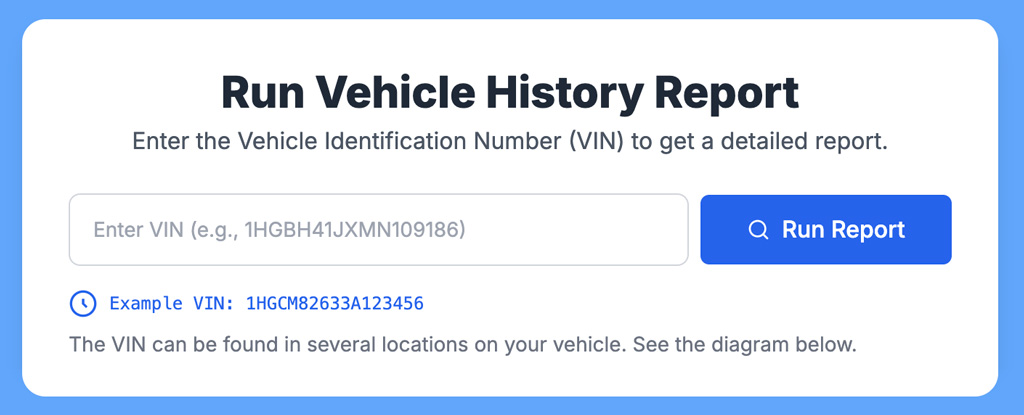
Run a vehicle history report to confirm condition and ownership
Compare the TMV number to local comparable listings and a vehicle history report before you set a firm target; this helps you see whether the TMV reflects local pricing or a broader regional trend.
Edmunds adjusts for vehicle specifics. For example, a higher trim, lower mileage, or a documented maintenance history will raise a retail estimate relative to a base-trim car with higher miles. Conversely, visible condition issues or missing service history should lower the practical value used in negotiation Edmunds TMV page.
Because TMV is calibrated to retail transactions it often sits above wholesale measures and typical trade-in offers, which is why buyers should not expect a dealer to match TMV for a trade-in without further adjustments.
How TMV compares to trade-in and private-party values
Dealers factor several costs into trade-in offers. They typically deduct expected reconditioning and repair costs, and include a resale margin to cover holding costs and financing. Those practices tend to push trade-in values below retail estimates such as TMV KBB guide on private-party vs trade-in.
Private-party value often sits between trade-in and retail, depending on demand and buyer willingness to negotiate. A private buyer who pays cash and accepts minor condition issues will often pay more than a dealer trade-in offer but less than the retail amount a dealer lists the car for.
Remember that TMV is a retail benchmark; when you plan around a dealer trade-in or an immediate sale, adjust TMV down to reflect reconditioning and resale margins so your expectations match typical dealer behavior NADA Guides on values. See also Edmunds appraisal.
Prepare to negotiate: documents, comps and a target offer
Bring a concise document packet. The essentials are a vehicle history report, maintenance records, title or ownership proof, government ID and clear photos of condition. A prepared packet helps you justify condition-based deductions and shows you have verified ownership and history FTC guide to buying a used car.
Before you arrive, verify local comparable listings for the exact model year and trim. Search recent retail sales and dealer listings that match trim, powertrain and mileage. Use these comps to check whether the TMV for your market aligns with current asking prices, and note any nearby listings that support your offer Edmunds TMV page.
You can use Edmunds TMV as an evidence-based retail benchmark to inform an opening offer, but always verify local comps and adjust the figure for documented condition issues and expected dealer reconditioning before presenting it to a dealer.
Turn the TMV and verified comps into a target price by deducting documented condition items and an estimate for dealer reconditioning. A clear fallback range helps: set a firm target near your ideal, a realistic mid point you are willing to accept, and a walk-away threshold below that.
In the store, present your documents in a short, factual packet. Avoid long monologues. Focus on the verified comps and the specific condition items you used to adjust your target. This keeps the negotiation focused on evidence rather than emotion Edmunds negotiation guide.
A step-by-step negotiation script using Edmunds value
Opening script: keep it short and evidence-based. Say, I reviewed Edmunds True Market Value for this model and comparable local listings. Given the vehicle condition and the comps I found, my offer is X. That anchors the conversation to TMV and local evidence rather than a round number pulled from the air Edmunds negotiation guide.
When presenting comps and condition deductions, show two or three comparable listings for the same trim, similar mileage and close location, then point to the specific condition items you photographed. Say, these three listings and the missing service item support reducing the retail estimate by Y, and explain that this is why your offer is below the listed price.
Keep language neutral. Replace charged phrases with factual statements. For example, say I adjusted the retail value for these items rather than insisting the dealer overvalues the car. Neutral wording removes emotion and makes it easier for a salesperson to respond in kind.
Common dealer counterarguments and how to address them
Dealers commonly cite reconditioning needs, certification costs, and dealer fees to justify lower offers. Expect these points and ask for specifics: what repairs are included in the reconditioning estimate and what documentation supports certification costs. If a dealer gives a vague estimate, ask them to itemize it so you can compare it to your documented condition items Edmunds negotiation guide.
You can challenge reconditioning estimates by showing your photos and maintenance records. If the dealer claims a large reconditioning need but your records show recent service, point that out and ask them to revise the deduction accordingly. Use specific comparable dealer listings to show typical retail pricing for similar condition cars when available KBB guide on private-party vs trade-in.
Market demand and timing are valid dealer arguments. If a model is in high local demand, dealers may justify a smaller spread between trade-in and retail. Use recent local market reports to confirm whether higher demand is affecting prices, and decide whether to accept a narrower margin or to seek another buyer or dealer Cox Automotive market insights.
Decide in advance which counterarguments you will accept and which require more evidence. If a dealer provides an itemized reconditioning estimate that matches the condition evidence and local comps, accepting that reasoning may be reasonable. If the dealer uses vague statements about fees or demand, push for specifics or be prepared to walk away.
Practical examples, short scripts and a sample negotiation timeline
Scenario one, trade-in at a dealer: TMV shows a retail value, but you know trade-in offers will be lower. Use TMV to set a retail target, then subtract estimated reconditioning costs to arrive at a realistic trade-in expectation. Present your maintenance records and a short list of local comps to support the deduction Edmunds TMV page.
Scenario two, selling privately: TMV can justify a higher asking price if your car has strong service history and clean ownership records. Use the TMV as a benchmark but be ready to present comparable private sales to support your asking price.
Quick negotiation checklist to print and bring
Keep copies of all documents
Firm buyer script: My target is X based on Edmunds TMV and these comparable listings. I can complete the deal today if we agree to that figure. Flexible buyer script: I see the dealer price and I want to work from the TMV-informed comps; can you show me how you arrived at your number so we can narrow the gap? Both scripts keep the conversation anchored to evidence and invite the dealer to explain their position Edmunds negotiation guide.
Sample timeline: research and prepare documents before your visit, present your packet and opening offer on day one, review the dealer response and ask for itemized reconditioning details, then decide within one visit whether to accept, counter or walk away. Follow-up within 24 hours if the dealer requests time to review comps.
Quick decision checklist and next steps after negotiation
Decision checklist: confirm whether the final offer sits within your fallback range, whether condition concerns have been resolved, and whether title status and ownership are verified. These checkpoints help decide whether to accept or to continue shopping FTC guide to buying a used car.
After you accept an offer, get written terms that include the agreed price, any repairs to be completed, the precise title status, and the timeline for transfer. Keep copies of the bill of sale and any title transfer documents for your records.
If negotiations stretch over multiple days, re-check local market context before you sign. Market changes can shift the realistic value in a short time, so a final confirmation of comps and recent sales helps you avoid surprises Cox Automotive market insights.
Yes. Use Edmunds TMV as a retail benchmark to set an evidence-based opening offer, but adjust for documented condition, mileage and expected dealer reconditioning before presenting a trade-in number.
Dealers deduct expected reconditioning and include resale margins and fees, which generally makes trade-in offers lower than retail estimates such as TMV.
Bring a vehicle history report, maintenance records, title or ownership proof, government ID and clear photos of any condition issues.
Using Edmunds TMV as a reference can improve the clarity of your negotiation, but it works best when paired with local comparable listings and solid documentation. Prepare a clear target, bring the key documents, and use neutral, evidence-based language when you present your offer. If you need to verify history or ownership before a visit, running a VIN-based report can reduce uncertainty and help focus the discussion.

 Blog
Blog