What year is the best G-Wagon to buy? A practical used-buying guide
This guide explains why the 2019 model year is the main dividing line for the Mercedes G-Class and how that affects buyers searching for a g wagon for sale. It compares pre-2019 and post-2019 tradeoffs, lists the common reliability and maintenance issues to check, and gives a VIN-level pre-purchase checklist so buyers can reduce risk before contacting a dealer.
A step-by-step workflow for estimating a truck's market value that centers on comparing consumer valuation tools, adjusting for mileage and condition, and checking wholesale market signals. The guide explains private-party, trade-in and dealer retail values and shows how a vehicle history report and pricing insights can change an asking price.
This guide helps research oriented buyers evaluate suv used cars for sale under $25,000 by combining safety ratings, reliability data, local pricing context, and vehicle history checks. It outlines a simple framework, a pre visit checklist, and a decision scoring worksheet so you can compare finalists before contacting a dealer. Use the steps here to narrow candidates and confirm risk signals with a vehicle history report and a pre purchase inspection.
When searching suv used cars for sale, prioritize model year, trim and powertrain before choosing a make or model. This guide explains how safety ratings, dependability studies and local pricing insights combine to produce a short list you can verify with a vehicle history report. It also provides a stepwise checklist you can use before contacting a dealer.
This guide helps research-oriented buyers decide which model year of the Mercedes G-Class suits their needs. It focuses on the practical differences between late pre-2019 and 2019-plus examples, common maintenance risks, and concrete VIN-level checks to run before you contact a dealer.
The G-Class holds value strongly compared with many luxury SUVs, and the 2019 redesign introduced substantial technical changes. Read on for a step-by-step checklist, inspection priorities and scenario-based guidance to match your budget and priorities.
2019 is the major redesign, and buyers commonly treat it as the dividing line when evaluating features and systems.
Common issues include electronics, air suspension and higher routine maintenance costs, so verify service history and inspections.
Use VIN-level vehicle history reports and local pricing insights to compare listings and reduce uncertainty before contacting a dealer.
Why model year matters when shopping for a G-Wagon
The model year you choose changes what you should expect from a G-Wagon. If you are searching for a g wagon for sale, model year signals which generation you are looking at and the likely balance between modern features and age-related wear. The Mercedes-Benz documentation identifies the 2019 model year as a major redesign and the main technical inflection point for the G-Class, so buyers often treat 2019 as the boundary between older and newer examples Mercedes-Benz Media overview.
That generation split matters for three practical reasons. First, feature sets and electronics differ markedly between the late pre-2019 examples and the 2019-plus models. Second, resale and pricing behavior tends to vary by generation, with strong value retention commonly observed for G-Class vehicles. Third, recall and complaint records span multiple years, so any model-year judgment should be verified at the VIN level before purchase Kelley Blue Book analysis.
Because the G-Class often holds value better than many other luxury SUVs, buyers should expect higher asking prices and correspondingly higher expected ownership costs. That pattern affects whether an older, lower-priced example is actually a better buy after you factor in maintenance and potential repairs Kelley Blue Book analysis.
Model year alone does not tell the whole story. Reliability patterns vary by year and trim, and electronics or service history can change an otherwise sensible-looking listing into a higher-risk purchase. For that reason, buyers are advised to verify service records and run a VIN-level vehicle history report before assuming any car is acceptable Consumer Reports ownership notes.
Generations at a glance
Before 2019 you see the late W463 examples that retain the G-Class silhouette and mechanical feel many buyers seek. Those models tend to be mechanically simpler in some ways but older overall, and common wear items can be more likely. Starting with the 2019 redesign Mercedes revised the chassis, electronics and comfort systems, so the two groups offer different reliability and cost profiles Edmunds G-Class overview.
How model year changes affect buyer priorities
For many buyers, the core question becomes whether they want newer systems and comfort features or a simpler mechanical baseline that can be cheaper to repair in some cases. That choice should be informed by verified ownership history, service records and local pricing context rather than by year alone Used-car buying checklist.
What changed in the 2019 redesign (W463 update)
The 2019 W463 update is the technical split that matters most for used G-Wagon shopping. Mercedes documented a broad set of changes covering chassis updates, new suspension architecture, and a modernized electrical and infotainment architecture. Buyers who prioritize modern safety and comfort features typically look at 2019 and later models for that reason Mercedes-Benz Media overview.
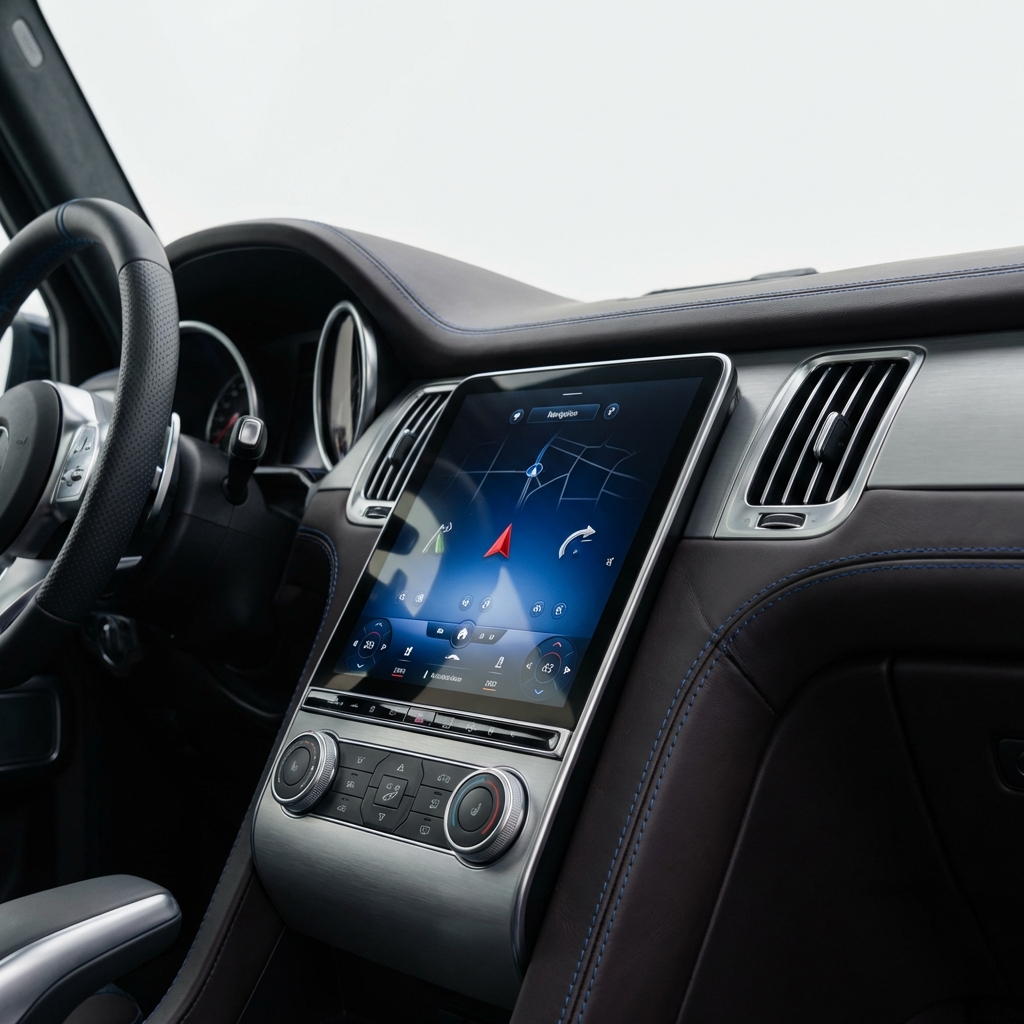
The new generation brought a more advanced infotainment system, new driver assistance and safety features, and a reworked ride and steering feel that many reviewers noted as a material change. These changes can improve daily comfort and align the vehicle with modern expectations for connectivity and driver aids Edmunds G-Class overview.
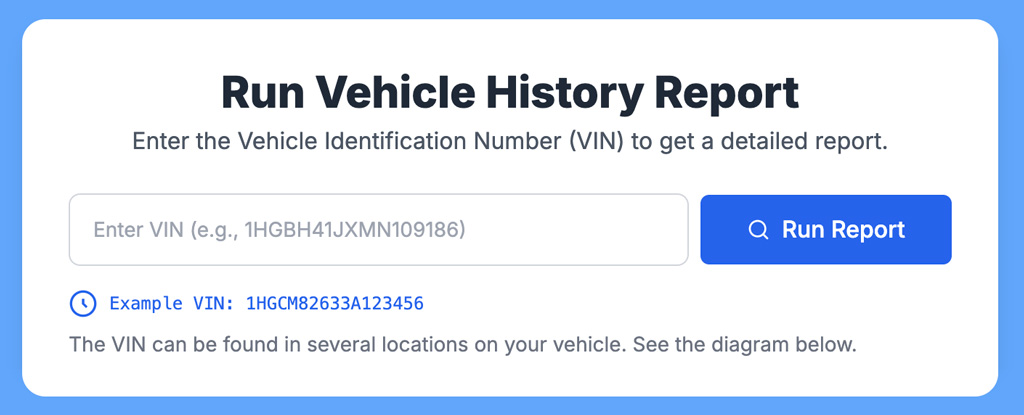
Run Vehicle History Report and Check Pricing Context
Before you visit a dealer, consider running a VIN-level vehicle history report and reviewing local pricing context to confirm the model year and any open campaigns.
Those electronics and module upgrades are part of why long-term reliability for the 2019-plus systems is still being observed by independent owners and testers. Large-sample long-term data for the newest electronics remains limited compared with older mechanical systems, so buyers should treat unproven electronic complexity as a risk to be managed with service records and inspections Consumer Reports ownership notes.
In practice, the 2019 redesign can mean higher upfront cost for a used car but also a package that suits buyers who want modern technology and fewer immediate upgrades. Weigh this against potential future electronic repair or software maintenance needs and match that risk to your willingness to maintain manufacturer service records and pay for specialized servicing Edmunds G-Class overview.
Electrical, chassis and safety updates introduced
The W463 update consolidated several systems onto newer control modules and introduced more complex driver assistance hardware. For buyers this means checking detailed service history for module replacements and looking up any recall or service campaigns that affect the exact VIN, because campaigns have appeared across multiple model years NHTSA vehicle records.
What buyers gain and the open questions about long-term electronics
What buyers gain is a more modern driving interface and additional comfort and safety features that matter in daily use. The open question is how those newer electronic systems will behave over long ownership cycles, because available long-term reliability studies are limited for cars that only recently entered the used market Consumer Reports ownership notes.
Pre-2019 models: where you save and where you risk more
Late pre-2019 G-Wagon examples can be attractive for buyers on a tighter budget because they often list for less than comparable 2019 and newer models. That lower purchase price may come with higher mileage and age-related wear, so a lower sticker can still result in higher near-term maintenance cost if records are incomplete Edmunds G-Class overview.
Older models can also expose buyers to common age-related issues such as suspension bushings, drivetrain seals, and wear on mechanical components. Those items are typically visible in a thorough pre-purchase inspection and in service history if the previous owner documented repairs, so the buyer should insist on clear service records and a mechanic review Consumer Reports ownership notes.
Parts and specialized labor for the G-Class can be expensive, and that remains true for older models. When comparing a lower-priced pre-2019 listing to a newer model, include expected parts and labor for known trouble areas in your cost estimate rather than focusing solely on purchase price Kelley Blue Book analysis.
For budget-focused buyers who want the G look but fewer bells, late pre-2019 examples can fit. The tradeoff is that you must confirm ownership history, verify title status, and get a qualified inspection to identify age-related leaks, corrosion, or previous major repairs Used-car buying checklist.
Typical age, mileage and pricing patterns
Expect late pre-2019 G-Class examples to often show higher mileage and to be priced below equivalent 2019-plus models, all else equal. Market context matters, and using local pricing insights helps determine whether an older example is fairly priced compared with similar listings in your area Kelley Blue Book analysis.
Mechanical simplicity versus age-related wear
Mechanically, older models may be simpler in terms of fewer advanced driver aids and older infotainment hardware. That can reduce complexity but increases the importance of documented service history for suspension components and drivetrain maintenance to avoid surprises after purchase Consumer Reports ownership notes.
Top reliability and maintenance issues to check
Across model years the most frequently reported problem areas include electronics and module faults, air suspension and ride components, and the generally high routine maintenance or repair costs associated with a specialized luxury SUV. These problem areas affect both pre-2019 and post-2019 cars in different ways, so document review and inspection matter Consumer Reports ownership notes.
Electronics and module faults can appear as intermittent warning lights, erratic infotainment behavior, or unexpected driver aid failures. When you review service records, look for repeated module replacements or software updates that could signal an ongoing issue rather than a one-time repair Consumer Reports ownership notes.
For many buyers the best split is 2019: 2019 and newer models have modern electronics and comfort features, while late pre-2019 examples can offer lower purchase prices but require careful inspection and service verification. Use VIN-level reports, recall checks and a mechanic inspection to choose the year that matches your priorities.
Air suspension issues often show as uneven ride height, unusual noises during compression, or repeated compressor replacements. Service invoices for suspension components, documented compressor replacements, or a history of related repairs are important red flags or confirmations of maintenance depending on the context Consumer Reports ownership notes.
Recall and complaint records have appeared across multiple model years, so always run a VIN-level recall lookup and check for open campaigns that could affect safety systems or electronic modules before purchase NHTSA vehicle records.
Electronics and module faults
Signs to watch for in a listing include inconsistent infotainment operation, repeated dealer software updates, or service entries for module replacements. Ask the seller for invoices that show whether software issues were addressed under warranty or paid for out of pocket, and weigh that history into the total cost to own estimate Consumer Reports ownership notes.
Air suspension and ride components
Air suspension failures can be costly and can recur if only partial repairs were done. When service history shows air spring or compressor replacements, confirm whether the work was a complete system repair and ask about current ride height and performance during a test drive Consumer Reports ownership notes.
How to evaluate price and resale: is the G-Wagon worth the premium?
The G-Class often retains value strongly compared with many other luxury SUVs, and AMG variants usually hold value even higher. That tendency affects how to judge an asking price: a higher price can sometimes be justified by stronger expected resale if you plan to keep the car several years, but you should model that outcome against likely maintenance costs Kelley Blue Book analysis.
Use price analysis labels and local market context to determine whether a listing looks like a Great Deal, Good Deal, or Fair Deal relative to comparable local inventory. Pricing insights help you avoid overpaying for a specific car when similar examples are available at different price levels Kelley Blue Book analysis.
When AMG badging is involved, resale patterns change because AMG models often command higher pricing and can be more resilient on the used market. That can justify a premium if you value performance and expect stronger resale, but confirm service and ownership history for high-performance parts and the powertrain to avoid surprises Kelley Blue Book analysis.
Always include expected maintenance, service and repair costs in the total cost to own rather than focusing solely on sticker price. Specialty parts, labor and potential electronic module work should be part of your ownership estimate for any G-Wagon you consider Consumer Reports ownership notes.
Using price analysis labels and local market context
Compare the asking price to pricing insights and similar dealership listings in your area. If a listing is tagged as a price analysis label like Good Deal, consider how service history and title status affect that label before relying on it for a purchase decision. Local supply and demand can shift quickly, so recent comparable sales and current listings matter Kelley Blue Book analysis.
When AMG models change the equation
AMG models change expected value retention and ownership priorities. Higher-performance parts and tuned powertrains mean different service needs, so confirm maintenance for engine and transmission, and ask for specialized service records when available Kelley Blue Book analysis.
A practical pre-purchase checklist and inspection plan
Before you contact a dealer, run a VIN-level vehicle history report and verify title status and ownership history. A vehicle history report helps reveal reported accidents, title brands and mileage anomalies that materially affect buying risk Used-car buying checklist.
Request full service history that specifically covers air suspension work, major drivetrain items and any electronic module replacements. Service invoices are more useful than vague seller claims, so ask for copies and review dates and mileage to see if recurring issues exist Consumer Reports ownership notes.
Arrange a qualified mechanic inspection that includes an underbody check for leaks and corrosion, a suspension and air compressor test, and a diagnostic scan for stored module faults. Get a written inspection report to compare across listings and factor findings into your negotiation or walk-away decision Used-car buying checklist.
VIN-level checks to run before you visit
Run VIN-level recall lookup and complaint checks to confirm whether open campaigns apply to the vehicle. Open recalls or campaigns can affect safety systems or electronics and should be resolved before purchase or clearly reflected in price and dealer notes NHTSA vehicle records.
What to have a qualified mechanic inspect
Ask the mechanic to inspect air suspension components, look for oil or coolant leaks, check transfer case and differential operation, and perform a diagnostic scan for persistent or historical module faults. The mechanic should also verify current ride height and compressor condition on vehicles with air suspension Consumer Reports ownership notes.
Typical buyer scenarios: which year fits your budget and priorities
Budget-focused buyers who want the G-Class look but fewer bells often choose late pre-2019 examples to lower purchase price. That choice can work if service history is clear and a mechanic inspection confirms no major age-related repairs are imminent. Expect to trade some technology and convenience features for lower upfront cost Edmunds G-Class overview.
Buyers who prioritize the latest tech, safety and comfort generally prefer 2019 and later models. Those cars bring newer infotainment, driver aids and chassis refinement that show in daily use, but long-term electronic reliability remains an open question that you should manage with records and inspections Mercedes-Benz Media overview.
For both scenarios, local market context and pricing insights change what is a reasonable choice. If similar examples are available at different prices, use pricing context to decide whether the premium for newer systems is worth the expected ownership costs for your plan Kelley Blue Book analysis.
Budget-focused buyers who want the look with fewer bells
Late pre-2019 models can deliver the iconic G-Class look on a smaller budget, but you should be prepared for potentially higher near-term maintenance as older components wear. Itemize likely repair areas and compare that sum to the price difference versus newer examples Consumer Reports ownership notes.
Buyers who prioritize the latest tech and comfort
If you want modern infotainment, updated driver aids and a refined ride, 2019-plus cars usually deliver. Plan to verify software and module history and to include any specialized service needs in your ownership cost estimate Edmunds G-Class overview.
Final decision framework and next steps
Start your decision by confirming generation: is the vehicle a late pre-2019 example or a 2019 or newer W463? Then verify title status, ownership history and service records. Finally, compare asking price to local pricing insights and estimate expected ongoing maintenance to complete your total cost to own evaluation Mercedes-Benz Media overview.
Prioritize VIN-level recall and complaint checks and a qualified mechanic inspection before committing. Open campaigns have appeared across multiple years and can affect safety systems or electronics, so resolve these items before purchase or have them reflected in price adjustments NHTSA vehicle records.
Run a VIN lookup and schedule a mechanic inspection
Use results to decide next steps
Short prioritized action list: run a vehicle history report, request detailed service invoices, run a VIN-level recall lookup, get a written mechanic inspection, and compare price to local market pricing insights. Use these steps to reduce uncertainty before you contact a dealer and to identify price or condition red flags Used-car buying checklist.
Weighing year, trim, and documented history
Balance generation, trim and documented maintenance. A high-trim 2019-plus car can be worth a premium for its features, while a well-documented pre-2019 example with clean ownership history can be a sensible value choice for a budget buyer. Always let VIN-level facts and service records guide the final decision Used-car buying checklist.
Quick actions to take before contacting a dealer
Before you call or visit: run a vehicle history report, look up recalls for the VIN, request service invoices, and schedule a mechanic inspection. If paperwork is incomplete or the inspection shows recurring module or suspension work, consider other listings or negotiate accordingly Consumer Reports ownership notes.
The 2019 model year marks a major redesign that introduced updated chassis, electronics and infotainment, so it is commonly treated as the dividing line between older and newer G-Class models.
Not necessarily. Air suspension can improve ride comfort, but it is a known maintenance area. Verify service records for compressor and air spring work and have a mechanic inspect current operation before purchase.
Run a VIN-level recall lookup through official recall resources or the vehicle history report and ask the seller for any documentation showing completed recall repairs.
Deciding which year to buy comes down to balancing features, documented history and expected ownership costs. Use VIN-level reports, service invoices and a mechanic inspection to confirm the condition before you commit.
If you follow a prioritized checklist and weigh local pricing insights, you can reduce uncertainty and select the model year that best fits your budget and driving needs.


 Blog
Blog