If you are researching honda accords for sale in 2026, recent regulator activity and owner complaint data make certain model years worth extra attention. An official NHTSA review opened in late 2024 after clustered reports of connecting rod bearing wear and sudden engine failure in some Honda and Acura models.
This article explains what that review means for used Accord shoppers, which model year clusters to watch, and exactly how to vet a listing using a VIN vehicle history report, service records, inspection cues, and pricing context. The goal is to help you reduce uncertainty before you contact a dealer or seller.
An October 2024 NHTSA review flagged connecting rod bearing wear and engine seizures in certain Honda and Acura model years.
Complaint databases show clusters by model year and engine family, so VIN level checks matter for each listing.
Run a VIN vehicle history report, confirm oil change records, and get an inspection when records or signs of oil issues appear.
What the 2024 to 2026 NHTSA review means for honda accords for sale
Quick definition of the investigation
In October 2024 federal safety regulators opened a formal review into reports of connecting rod bearing wear and sudden engine failure in certain Honda and Acura vehicles. The NHTSA review is the primary documented source that describes the pattern investigators are watching and why buyers should be aware when they search for honda accords for sale NHTSA press release and the ODI resume
The review describes a specific mechanical concern, not a vague complaint. Investigators note premature bearing wear and oil related issues can lead to sudden loss of oil pressure and catastrophic engine damage, so the question for buyers is how to spot risk in an individual listing without making assumptions about every year or every car Reuters report on the NHTSA review and coverage in Car and Driver
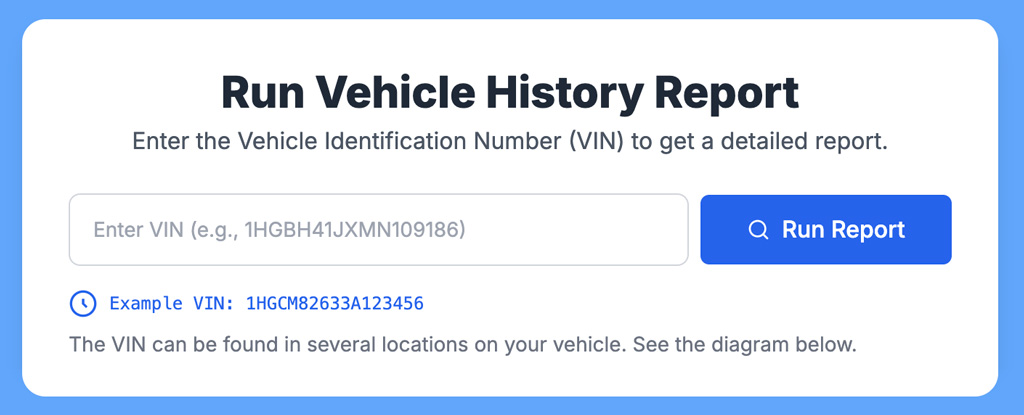
Run a vehicle history report on CarFax Deals
Before you contact a dealer, run a VIN vehicle history report to check title and service entries.
Why it matters for buyers looking at Accords
The practical effect for someone looking at honda accords for sale is that model year and engine family matter more than brand alone. Owner complaint databases show concentrated reports clustered in certain model years of Honda models, which means some production windows have a higher reported incidence of engine problems RepairPal reliability summary
That concentration changes the research steps a buyer should take. Instead of assuming all Accords are equally low risk, buyers should verify the exact VIN, ask for maintenance records, and prioritize listings where recent oil changes and documented service are present. These checks reduce uncertainty when evaluating a used Accord for purchase.
Which model years and engine families to watch when you search honda accords for sale
Pattern clusters identified by owner complaint databases
Independent complaint aggregators and repair databases show clusters of engine failure reports concentrated in specific model years for the Accord, Civic, CR V and Odyssey. These clusters point to year and engine family patterns rather than a single universal failure across all production years Aggregated owner complaints database and related filings such as ODI resume RQ24013
Because the reports concentrate by year, a listing's model year becomes a meaningful filter when you hunt for honda accords for sale. That does not prove every car from those years will fail, but it raises the bar for how much documentation and inspection buyers should require.
Why not every year is affected
Reliability and consumer report aggregates show that many models improve in reliability in years after the affected production windows, so later model years often score better in rankings and have fewer clustered complaints RepairPal reliability summary
Still, safe years vary by trim and engine option, and aggregated rankings cannot replace VIN level checks. For any given Accord listing, confirm ownership history and service records rather than assuming a later year is automatically low risk.
A step by step framework to vet honda accords for sale before you contact a dealer
Run the VIN and interpret the vehicle history report
Step 1: Run a VIN vehicle history report. Focus on title status, ownership history, accident history and service entries. A VIN level report can show repeated oil top ups, missing service intervals, or title events that suggest a deeper look is needed NHTSA press release
When you read a vehicle history report, look for clear records of recent oil changes and routine maintenance. Absence of service entries does not mean a problem exists, but documented maintenance reduces uncertainty and supports negotiation or further inspection. You can also cross-check decoded entries with a VIN decoder.
Cross check recalls, investigations and technical service bulletins
Step 2: Check the NHTSA database and the manufacturer's recall and technical service bulletin pages for the VIN or model year. An open investigation differs from a manufacturer recall; an investigation is a regulator review that can lead to a recall or other actions, while a recall is an official manufacturer remedy with prescribed repairs Honda recall lookup
For buyers, an investigation flag means you should confirm whether the VIN has any completed service actions related to the issue and whether the manufacturer has issued any technical bulletins that affect the engine. Documented fixes and completed recall work reduce unknowns.
Check service and oil change records for oil dilution or consumption signs
Step 3: Review service history for oil change frequency and notes about oil consumption or dilution. Repeated top ups, frequent oil change entries at short intervals, or notes about oil smell can be indicators that merit a compression or oil pressure check by a mechanic RepairPal reliability summary
When service entries show regular oil changes at recommended intervals, that is a positive signal. If entries are missing or show frequent oil additions without clear cause, treat the listing as higher risk and consider a pre purchase inspection or a condition-based negotiation.
What to look for on an inspection and test drive for a honda accords for sale listing
Symptoms that suggest bearing wear or oil problems
Listen for knocking or metallic noises on start and at idle, and watch for sudden loss of oil pressure warnings during a test drive. These symptoms have been reported in clustered failure cases and can indicate bearing wear or oil related damage Aggregated owner complaints database
Also check the oil level and condition when the engine is cool. Oil that smells unusually sweet or shows signs of fuel dilution can be a warning sign and should prompt a mechanic inspection focused on oil consumption and dilution causes.
Simple checks a buyer or mechanic should perform
Ask to see recent oil change receipts and check service history stamps. A mechanic can perform compression tests or an oil pressure test to look for early signs of bearing distress; those tests can reveal irregularities not obvious on a short test drive NHTSA press release
If the seller refuses a reasonable inspection or cannot produce service records, that is a valid reason to pause. Missing documentation makes it harder to assess long term risk and increases the value of a VIN run and a professional inspection.
How repair costs and reliability scores should influence which honda accords for sale you consider
Typical cost ranges for catastrophic engine failure

Catastrophic engine failure that requires a rebuild or replacement is routinely reported to cost in the mid thousands of dollars, with variation by model year, labor rates and whether a remanufactured engine is used. That exposure should be weighed against the listing price and any available warranty or certification
Consumer Reports repair cost overview Because repair exposure can exceed common negotiation savings, buyers should consider the total cost to own the car for the near term. A lower purchase price can be offset quickly by a major repair bill, so documented maintenance and a price analysis label matter in the decision.
Weighing repair risk against price and local pricing context
Use local pricing context, a price analysis label (how-to), and verified service history to balance risk and price. If a listing has frequent oil issues in the vehicle history report or lacks service records, factor a higher expected repair exposure into your offer or walk away.
For many buyers, preferring listings with clean title, single owner history, and documented maintenance reduces the chance of encountering an expensive engine problem later. Those signals help compare otherwise similar listings.
Common mistakes buyers make when evaluating honda accords for sale
Overreliance on age or mileage alone
A common mistake is relying only on model year or mileage to judge engine health. Complaint clusters show that some production windows have higher reported failures, so VIN level verification often provides more useful information than mileage alone RepairPal reliability summary
Age and mileage matter but they are not the whole story. Frequent short trips, poor maintenance, or known engine family issues can change risk even in a low mileage car.
Ignoring service records and VIN checks
Another frequent error is skipping the VIN run or accepting verbal service claims without documentation. A vehicle history report can surface repeated oil top ups, title events, or maintenance gaps that are hard to spot otherwise NHTSA press release
Always ask for receipts or entries in the vehicle history report and consider a pre purchase inspection when records are incomplete. That step often prevents costly surprises.
Practical scenarios: applying the checklist to three common honda accords for sale situations
Certified pre owned or dealer certified listing
Scenario 1: Certified listings often include dealer transparency signals and documented service history. Those records reduce uncertainty, but buyers should still run the VIN and confirm any engine related repairs tied to the VIN or model year before relying on certification.
Private party sale with limited records
Scenario 2: Private sales with limited records require a VIN run and a pre purchase inspection. Without service receipts, assume higher research effort is needed and budget for an inspection that includes oil pressure and compression checks RepairPal reliability summary
Dealer trade in with suspiciously low price
Scenario 3: A dealer trade in with a low price can signal a mechanical issue or a missing service history. Check the title status and recent service entries, and ask for a written history of any engine repairs. If repair exposure is high relative to the discount, the rational choice is often to pass or negotiate a price that covers a conservative repair estimate Consumer Reports repair cost overview
Conclusion and a short decision flow for honda accords for sale
Quick decision flow summary
Recap: The NHTSA review identifies a documented pattern in certain model years that centers on connecting rod bearing wear and oil related issues. For honda accords for sale, VIN level checks, service history review and a mechanic inspection are the most effective tools to reduce uncertainty NHTSA press release
Short decision flow: run a VIN report, check service and oil history, get an inspection if any red flags appear, and weigh the listing price against potential repair exposure using documented cost ranges. When in doubt, prefer listings with clean title, single owner and detailed maintenance records.
Choosing an Accord is a risk management exercise. Use VIN verification, documented service history and a focused inspection to limit exposure to expensive engine repairs. When records are incomplete or tests show signs of oil or bearing issues, factor repair exposure into your decision and consider alternative listings with clearer histories.

 Blog
Blog