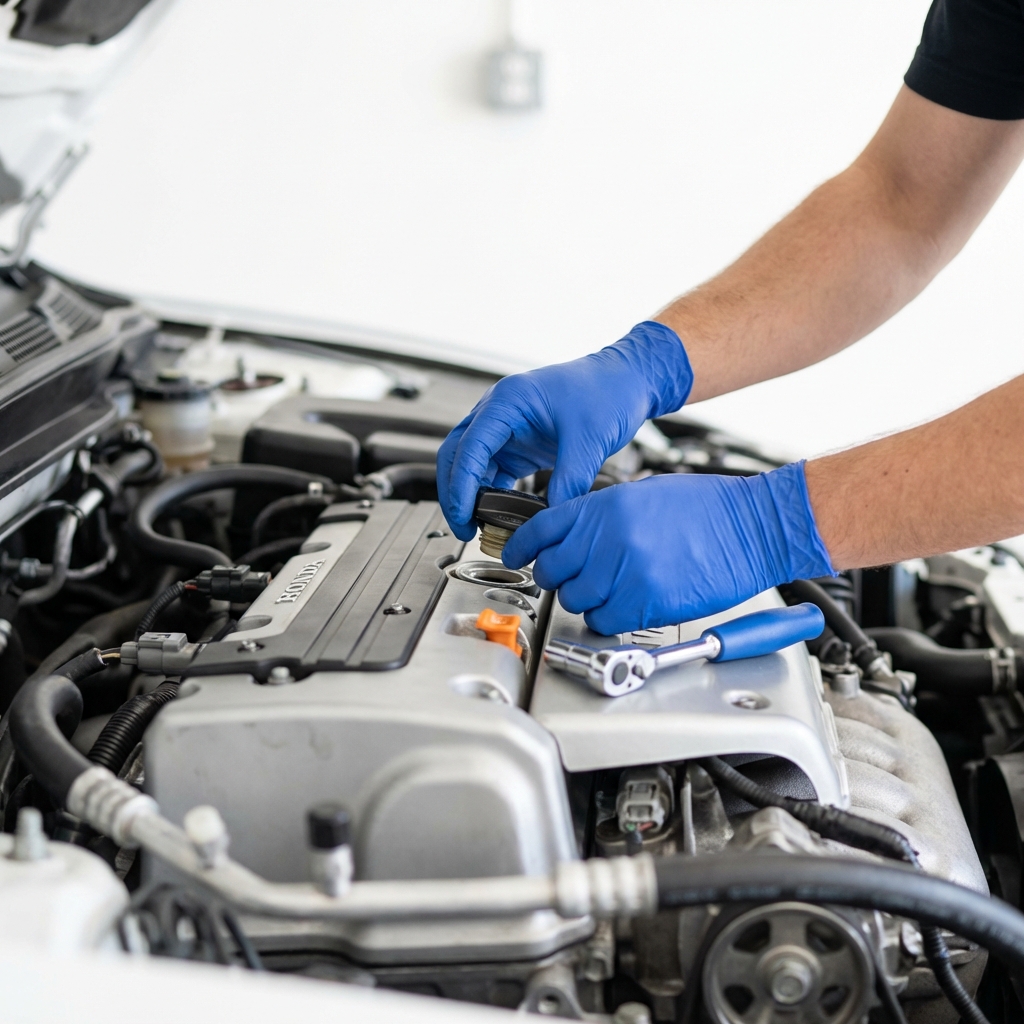
This guide explains the common Honda Civic problems, why they cluster by model year, and what buyers should check before contacting a dealer. It shows practical pre-purchase steps, how issues affect resale value, and a clear checklist to reduce risk when evaluating a honda civic used car for sale.
A step-by-step workflow for estimating a truck's market value that centers on comparing consumer valuation tools, adjusting for mileage and condition, and checking wholesale market signals. The guide explains private-party, trade-in and dealer retail values and shows how a vehicle history report and pricing insights can change an asking price.
This guide helps research oriented buyers evaluate suv used cars for sale under $25,000 by combining safety ratings, reliability data, local pricing context, and vehicle history checks. It outlines a simple framework, a pre visit checklist, and a decision scoring worksheet so you can compare finalists before contacting a dealer. Use the steps here to narrow candidates and confirm risk signals with a vehicle history report and a pre purchase inspection.
When searching suv used cars for sale, prioritize model year, trim and powertrain before choosing a make or model. This guide explains how safety ratings, dependability studies and local pricing insights combine to produce a short list you can verify with a vehicle history report. It also provides a stepwise checklist you can use before contacting a dealer.
A well-informed used car search starts with understanding which faults tend to recur and why they matter for value. This article outlines common Honda Civic problems by model-year cohorts and gives a practical, model-aware checklist for buyers.
Civics can show a range of mechanical and electrical issues depending on generation and maintenance history. Before contacting a dealer, use VIN reports, pricing insights, and targeted inspections to reduce uncertainty and compare listings more accurately.
Engine oil consumption and transmission concerns cluster in specific Civic model years, so model-year awareness helps focus inspections.
A VIN-based vehicle history report combined with pricing insights narrows risk and clarifies value differences between listings.
A focused test drive and a mechanic pre-purchase inspection are practical steps that often reveal issues not visible in photos.
What people mean by common Civic problems
How complaints and repair datasets are collected
When buyers ask about a common Civic problem they often mean faults that recur across many owner reports or regulatory complaints rather than a one-off failure. Aggregated complaint databases and repair sites group owner submissions, service records, and technical bulletins to reveal recurring clusters, which helps highlight patterns by model year and component group NHTSA complaints and recalls.
Those clusters are useful, but they do not replace a VIN-based inspection for a specific car. A single Civic's condition is VIN and maintenance dependent, so you should confirm ownership history and review a vehicle history report before drawing conclusions about an individual listing Consumer Reports overview of Honda Civic reliability.
Focus on engine oil consumption and leaks, CVT or transmission behavior on affected model years, and electrical or infotainment faults on newer models; verify each concern via a VIN-based vehicle history report, service records, a focused test drive, and a mechanic inspection.
Why model year matters for recurring faults
Complaints and repair records show that some faults appear primarily in particular model-year cohorts. For example, regulatory and aggregated owner reports flag certain years with more transmission or oil consumption complaints, which is why model year matters for expected maintenance and repair risk RepairPal Civic problem summary.
To interpret those clusters you will want to check service history entries and ownership history on a VIN report, and pair that information with pricing insights to weigh the reported risk when comparing listings.
How model year, trim, and powertrain change the problem profile
Common problem cohorts by generation
Broadly, complaints and owner reports often group by generation because redesigns change parts, electronics, and drivetrain choices. Those changes can introduce new failure modes while older cohorts tend to show wear-related faults documented in long term ownership records NHTSA complaints and recalls.
When scanning listings, check the exact model year and trim because two Civics that look similar can have different transmissions, software stacks, or engine variants that change likely issues and expected maintenance.
Why trim and powertrain matter for repair risk
Trim level affects the presence of electronic features and the complexity of infotainment or driver-assist sensors, and powertrain choice influences likely mechanical repairs. For example, a Civic with a CVT or a turbocharged engine can present different long-term repair profiles than a naturally aspirated manual model RepairPal Civic problem summary.
Always confirm the powertrain and trim in the listing, and use that confirmation to filter comparable cars when you consult pricing insights and vehicle history reports.
Engine issues: oil consumption, leaks, and seal wear
Symptoms to watch for on older and newer Civics
Engine oil consumption and leaks appear frequently in owner reports for specific Civics, and symptoms can include low oil level warnings, excessive smoke on startup, or a burning-oil smell. Aggregated repair data highlights oil consumption as a recurring concern in particular cohorts, so treat low oil or odd smells as a reason to investigate further RepairPal Civic problem summary.
Older generations may show head-gasket or valve-seal wear that leads to coolant contamination, white smoke, or a milky oil appearance, and those symptoms usually require prompt diagnosis to avoid larger engine damage Consumer Reports overview of Honda Civic reliability.
Read oil consumption and service entries on a vehicle history report
Look for repeated oil top-up or engine service notes
What service records may show and how to verify repairs
Service history entries can indicate whether oil consumption was addressed, for example records that show repeated oil top-ups, valve cover gasket replacements, or a head repair. Use the VIN-based vehicle history report to locate service entries and match dates and odometer readings when possible Run CarFax Report.
When documentation is incomplete, a mechanic inspection can confirm whether an oil leak or internal consumption persists. Ask the seller for invoices and look for consistent repair notes in the ownership history before assuming a past repair solved a recurring condition.
Transmission and CVT concerns: what to test and expect
Model years with notable CVT complaints
Many reports show CVT-related complaints concentrated in certain 2014 to 2020 Civic cohorts, and regulatory complaint pages reflect that clustering for specific model years. Those patterns suggest that CVT behavior should be a focus on relevant model-year Civics NHTSA complaints and recalls.
Major transmission repairs or replacements can be among the most expensive maintenance items a buyer faces, and repair cost databases flag transmission work as a high-cost risk relative to routine service RepairPal Civic problem summary.
How to test transmission behavior on a test drive
On a test drive, watch for hesitation, delayed engagement, droning under acceleration, or shuddering at low speed; such signs can indicate CVT wear or adaptation problems. Use steady acceleration and gentle full-throttle pulls in safe conditions to check for smooth, consistent response NHTSA complaints and recalls.
Also observe how the transmission responds after stop-and-go driving and whether any dashboard warnings appear during the drive.
Electrical and infotainment faults on newer Civics
Common accessory and sensor issues
Newer Civics with advanced infotainment and driver-assist systems often show owner-reported glitches in screens, software, and sensors, which affect usability and, when persistent, buyer confidence. Aggregated reports list infotainment and related wiring or sensor issues among commonly reported electrical faults RepairPal Civic problem summary.
These electrical problems do not always require major mechanical work, but unresolved software or sensor faults can reduce resale value if they remain unaddressed in the vehicle history and service records Edmunds used Civic buying guide.
Check the VIN and run a report
Compare listings with a VIN-based vehicle history report and pricing insights to see if reported electrical fixes are documented before you contact a dealer
Some electrical issues are addressed by software updates or dealer actions recorded as recalls or service campaigns, so checking for open recalls and service bulletins is an important step before purchase. Confirming recall completion and software updates helps clarify whether a reported issue was resolved at a dealer NHTSA complaints and recalls.
When a listing shows repeated entries for infotainment or sensor repairs without clear completion notes, ask for invoices and a mechanic's assessment before relying on a price analysis label alone.
Maintenance-related wear in older Civic generations
Which wear items commonly lead to higher repair costs
Older Civics commonly show wear in suspension components, brakes, exhaust systems, and age-related oil leaks that together can raise maintenance costs. Repair and reliability summaries identify these wear items as likely candidates on higher-mileage cars RepairPal Civic problem summary.
Documented maintenance history that shows regular timing-belt or timing-chain service, brake replacements, and suspension work reduces uncertainty. Use a mileage check and service history to see whether routine items were handled on schedule.
How prior maintenance can change expected costs
A well maintained older Civic usually presents lower near-term repair risk than a similar-mileage car with gaps in service entries. Service history entries that align with expected maintenance intervals make it more likely that wear items were addressed before they caused secondary damage Consumer Reports overview of Honda Civic reliability.
When comparing listings, weigh documented repairs against pricing insights to estimate whether a lower asking price compensates for potential deferred maintenance.
How common problems affect price, resale value, and total cost to own
Which issues most reduce resale value
Accident history, salvage or branded titles, and long gaps in maintenance records are associated with measurable reductions in resale value, and buyers should treat those entries on a VIN report as serious risk signals when comparing offers Kelley Blue Book information on used Civic pricing.
Major engine or transmission repairs also tend to reduce resale value significantly because of repair cost and buyer perception, so documented repairs or open issues should factor into total cost to own calculations.
Using pricing insights alongside vehicle history reports
Price analysis labels and local market pricing give context to a listing, but they are most useful when combined with a VIN-based vehicle history report that confirms title status, accident history, and service entries. Together these signals help you compare similar listings more accurately Kelley Blue Book information on used Civic pricing.
When a listing looks cheaper because of missing maintenance or a branded title, the expected savings can be offset by repair costs and reduced future resale, so use pricing insights to adjust offers accordingly.
Pre-purchase checklist: VIN reports, recalls, and mechanic inspection
Exactly what to request and verify before a dealer visit
Start by obtaining the car's VIN and ordering a vehicle history report to check title status, ownership history, and reported accidents. A VIN report often lists service events and can show repeated entries that suggest recurring problems NHTSA complaints and recalls.
Also ask the dealer for maintenance invoices, confirm remaining recall work, and schedule a pre-purchase inspection with a mechanic who knows Civics and the common fault areas for the model year in question Consumer Reports overview of Honda Civic reliability.
How to order and read a VIN-based vehicle history report
Order the report from a trusted provider and check for salvage, branded titles, odometer inconsistencies, and documented service events. Use the report to trace whether a reported oil consumption or transmission issue was repaired and how frequently the car visited service centers Kelley Blue Book information on used Civic pricing.
If the report shows gaps in maintenance or unclear repair notes, treat that as a prompt to request invoices and to have a mechanic inspect for unresolved issues before making an offer.
What to do on the test drive: targeted checks
Transmission stress tests and shift behavior
During a test drive, perform controlled acceleration from low speed to highway speed and listen for delays, slipping sensations, or abnormal noises under load; these signs can point to transmission or CVT problems. Replicate steady acceleration and a few moderate full-throttle pulls in safe areas to help reveal issues RepairPal Civic problem summary.
Also observe how the transmission responds after stop-and-go driving and whether any dashboard warnings appear during the drive.
Electrical and HVAC checks to perform
Test infotainment screens, Bluetooth pairing, interior lights, HVAC controls, and gauge responsiveness. Electrical glitches may be intermittent, so try multiple features and positions to see if faults recur Edmunds used Civic buying guide.
Confirm that sensors and camera feeds are clear and that HVAC performance is steady; note any error messages and cross-check them against the vehicle history report and service records.
Red flags in vehicle history reports and titles
What a salvage, rebuilt, or branded title implies
A salvage or rebuilt title indicates a significant past event that affects resale and insurability; such branding often correlates with reduced market value and requires careful review of repair documentation before purchase Kelley Blue Book information on used Civic pricing.
Repeated odometer discrepancies, airbag deployment records, or long gaps in maintenance entries are further red flags that typically call for more documentation and an in-person inspection.
How accident history and ownership gaps affect risk
Accident history and ownership gaps may hide structural or unresolved mechanical issues that lower future resale. When you see these entries on a VIN report, ask for repair invoices, look for photos, and confirm title status with the issuing state when possible NHTSA complaints and recalls.
Branded titles and inconsistent ownership records should be factored into any total cost to own estimate and can be a valid reason to walk away from a listing.
Estimating repair costs and deciding when to walk away
Typical cost ranges for common repairs
Repair databases indicate that major transmission work and significant engine repairs are among the most expensive services for Civics, and those costs can materially affect the economics of a used purchase. Use repair-cost references to set a realistic risk premium when evaluating listings RepairPal Civic problem summary.
For less expensive items like suspension work, brakes, or minor electrical fixes, documented recent maintenance reduces the likelihood of immediate large outlays, but the presence of multiple mid-sized issues can add up quickly when calculating total cost to own.
How to compare repair cost risk to price analysis labels
Price analysis labels provide local market context but should be adjusted for documented repair risk visible in a VIN report. A label that shows a Good Deal or Fair Deal becomes less attractive if a vehicle history report reveals recurring engine or transmission entries Kelley Blue Book information on used Civic pricing.
If estimated repair costs approach or exceed the discount implied by pricing insights, factor that into a walk-away decision or make a conditional offer contingent on a satisfactory inspection.
Typical buyer mistakes and how to avoid them
Mistakes when reading listings
Buyers often assume a low price signals a good value without checking the VIN, which can miss branded titles or accident history. Always obtain and read the VIN report rather than relying on photos or a brief listing description NHTSA complaints and recalls.
Another common mistake is to trust a price analysis label without verifying service records; use pricing insights as context, not proof of condition.
Negotiation and inspection missteps to avoid
Skipping a mechanic inspection or relying solely on a dealer's verbal assurances raises risk. Instead, arrange an independent pre-purchase inspection and review invoices for any major listed repairs before negotiating Consumer Reports overview of Honda Civic reliability.
Document everything in writing and make offers contingent on satisfactory inspection results to avoid surprises after purchase.
Scenario examples: evaluating three used Civic listings step by step
Example A: low price, incomplete history
Listing A shows a low price but the VIN report contains gaps in maintenance entries and no recent service invoices. In this case, ask for detailed service receipts and prioritize a mechanic inspection to search for unresolved oil or transmission issues before making an offer Kelley Blue Book information on used Civic pricing.
If the seller cannot provide invoices, treat the listing as higher risk and compare it against similarly priced cars with full service records using pricing insights.
Example B: recent rebuild with service records
Listing B includes invoices for a recent engine or transmission rebuild and consistent ownership history. Verify those invoices against the VIN report entries and confirm that any major work was performed by a reputable shop or dealer; documented repairs reduce some uncertainty but still recommend a pre-purchase inspection RepairPal Civic problem summary.
Use pricing insights to see whether the asking price reflects the recorded repairs and adjust your offer if similar cars without recent major repairs sell for materially less.
Example C: higher price but clean history and recent maintenance
Listing C asks more but shows a clean title, full service history, and recent scheduled maintenance. That combination often reduces near-term repair risk and can justify a higher asking price when pricing insights confirm the car is competitively priced Kelley Blue Book information on used Civic pricing.
Even with clean history, still perform a test drive focused on transmission and electrical checks and obtain a mechanic inspection to confirm the car's condition before finalizing an offer.
Summary and next steps for safe Civic shopping
Quick checklist to follow before contacting a dealer
Get the VIN, run a vehicle history report, check for open recalls, request service invoices, do a focused test drive, and schedule a mechanic pre-purchase inspection; these steps are the most effective way to reduce uncertainty when evaluating a Civic NHTSA complaints and recalls.
Also compare listings using pricing insights together with the report to surface risk signals and to estimate total cost to own before making an offer.
How to use vehicle history reports and pricing signals together
Use the vehicle history report to confirm title and ownership history and pricing insights to position the listing in your local market. Treat each Civic as VIN specific and maintenance dependent when deciding whether to proceed or walk away Kelley Blue Book information on used Civic pricing.
When in doubt, prioritize documentation and a professional inspection; that approach helps buyers make a reasoned decision rather than relying on a single price label.
Regulatory and owner report aggregates commonly highlight engine oil consumption and transmission (CVT) complaints for specific model-year cohorts, plus electrical or infotainment glitches on newer models.
Yes. A VIN report helps verify title status, accident entries, and service history and is a core pre-purchase step to reduce uncertainty.
Consider walking away if the VIN report shows a branded title, repeated major repairs without clear invoices, or if repair cost estimates offset the listing's price advantage.
Buying a used Civic can be confident and methodical when you treat each car as VIN specific and maintenance dependent. Use the checklist here, verify service history, and get a professional inspection to make a reasoned choice.


 Blog
Blog