What are the negatives about Honda CR-V? Practical checks when you find a honda crv for sale
This guide lists the common negatives buyers should watch for when they find a honda crv for sale and gives step-by-step checks to reduce risk. It covers recurring engine notes for 1.5L turbo models, transmission and CVT complaint patterns, infotainment and electrical issues, fuel economy variance, and how to confirm safety equipment. Use a vehicle history report and targeted inspections to verify any listing's condition.
This guide helps research-oriented buyers compare used Tacoma options and decide which model years and trims match their priorities. It distinguishes third-generation 2016–2023 Tacomas, which have a long service and parts history, from the 2024 redesign that introduced i-FORCE powertrain options. Use a VIN-based vehicle history report and a professional pre-purchase inspection to reduce risk before you contact a dealer.
This guide explains which tacoma trucks for sale show the strongest reliability and safety signals to watch out for, and why mid-2010s and many pre-2016 Tacomas appear most often in complaint and recall records. The article shows how to use vehicle history reports, recall checks, and a focused inspection to reduce risk when evaluating a used Tacoma.
This article helps buyers searching tacoma trucks for sale understand which Tacoma engine tends to be most reliable. It summarizes reliability ratings, owner-complaint clusters, and maintenance-cost differences between the 2.7L I4 and the 3.5L V6, and gives actionable checks to reduce engine-related risk.
This article explains the common negatives buyers encounter when evaluating a Honda CR-V for sale and gives practical checks to reduce risk. It is written for research-oriented used car shoppers who want clear, step-by-step verification before contacting a dealer.
We focus on areas that frequently appear in owner reports and aggregated databases: engine notes for the 1.5L turbo, transmission or CVT complaints in some years, infotainment and electrical issues, and gaps between EPA fuel economy and real-world use. The goal is to help you decide which listings deserve an inspection and which may be better to skip.
Owner-reported sources cite repeat oil dilution and turbo concerns in some 1.5L turbo CR-V model years.
Transmission and CVT complaints are concentrated in certain generations, so year matters for risk.
Run a vehicle history report and prioritize documented service and open recall checks before contacting a dealer.
Quick overview: what to watch for when you search honda crv for sale
When you see a honda crv for sale, several recurring problem areas tend to come up in owner reports and aggregated repair data. Buyers often notice engine concerns tied to the 1.5L turbo, transmission or CVT complaint clusters on some model years, and repeated notes about infotainment or electrical quirks. These patterns do not mean every car is affected, but they signal what to verify before you contact a dealer.
Verify service history, open recalls, title status, and mileage using a vehicle history report early in your research. A clear history report can reveal repeated engine or transmission entries that merit a deeper inspection and can change the value proposition of a listing.
Run a vehicle history report to check ownership, service, and recalls
Before you call a dealer, get a vehicle history report and compare the listing against local pricing context to decide if the car warrants an inspection.
Short test-drive checks and a focused pre-purchase inspection tend to catch most remaining risks. Prioritize a checklist that scans for oil-related engine work, transmission notes, infotainment problems, and evidence of safety equipment changes by trim.
What the evidence says about Honda CR-V reliability and safety
Aggregated repair databases and complaint sites show recurring patterns in certain areas rather than uniform failure across all years. Engine and transmission reports appear clustered in specific model-year ranges, so the exact year and powertrain matter when you judge a listing; see RepairPal for an overview of reported reliability trends RepairPal reliability summary.
Crashworthiness scores from major testers are generally favorable, but available active-safety features and the tested configuration can differ by year and trim. Confirm the exact model year and trim against IIHS or equivalent testers before assuming identical equipment and ratings IIHS vehicle ratings.
Engine concerns buyers often see with honda crv for sale (focus on 1.5L turbo)
Owner-reported sources document oil dilution and turbo-related engine complaints tied to some 1.5L turbo CR-V model years, most often in mid- to late-2010s examples. When a listing mentions engine work or repeated oil changes, treat that as a prompt to request detailed service records and any invoices that explain the interventions; RepairPal aggregates owner reports that describe these patterns RepairPal reliability summary. See reporting from Consumer Reports Consumer Reports coverage and related class action summaries class action coverage (see further reporting here).
Checks to run in listings: scan the vehicle history report for repeated oil-related repairs, and look for notes about short oil-change intervals or engine replacements. If service history is thin or vague, plan a pre-purchase inspection that includes compression testing and an oil analysis to detect dilution or fuel contamination.
Common negatives include oil dilution and turbo-related engine reports in some 1.5L turbo years, transmission or CVT complaints in certain generations, recurring infotainment and electrical issues, and real-world fuel economy that can be lower than EPA estimates; verify with a vehicle history report and targeted inspections.
If the report shows documented turbo or engine work, ask whether the repairs were performed under warranty, with OEM parts, and whether any extended coverage applies. Depending on the findings, a well-documented repair history can reduce risk, while sparse records increase the value of an independent inspection.
Transmission and CVT issues to check when considering a honda crv for sale
Transmission and CVT complaints are more concentrated in some earlier CR-V generations and can raise repair costs on affected model years. When a listing cites recent transmission work or includes keywords like transmission service, it is a red flag to verify service entries and ask for invoices; NHTSA records and complaint aggregators can help confirm whether a given year has elevated reports NHTSA vehicle complaints and recalls.
On a test drive, check for hesitation, slipping, abrupt downshifts, or unusual noises that vary with temperature and load, since CVT behavior can change when warm. If you suspect transmission issues, a mechanic should inspect for fluid condition, leak sources, and error codes during a pre-purchase check.
If the vehicle history report lists repeated transmission repairs or a recent replacement, factor potential future reliability into your offer. A documented, professional rebuild or replacement is preferable to vague notes such as transmission serviced without detail.
Infotainment and electrical complaints commonly reported for used CR-V listings
Infotainment complaints in CR-Vs often include frozen screens, Bluetooth or phone-pairing failures, and intermittent electrical faults that cause convenience features to act inconsistently. These problems usually lead to inconvenience and occasional shop visits rather than complete powertrain failure, but they do affect ownership satisfaction; aggregated complaint sites list many such owner reports CarComplaints summary.
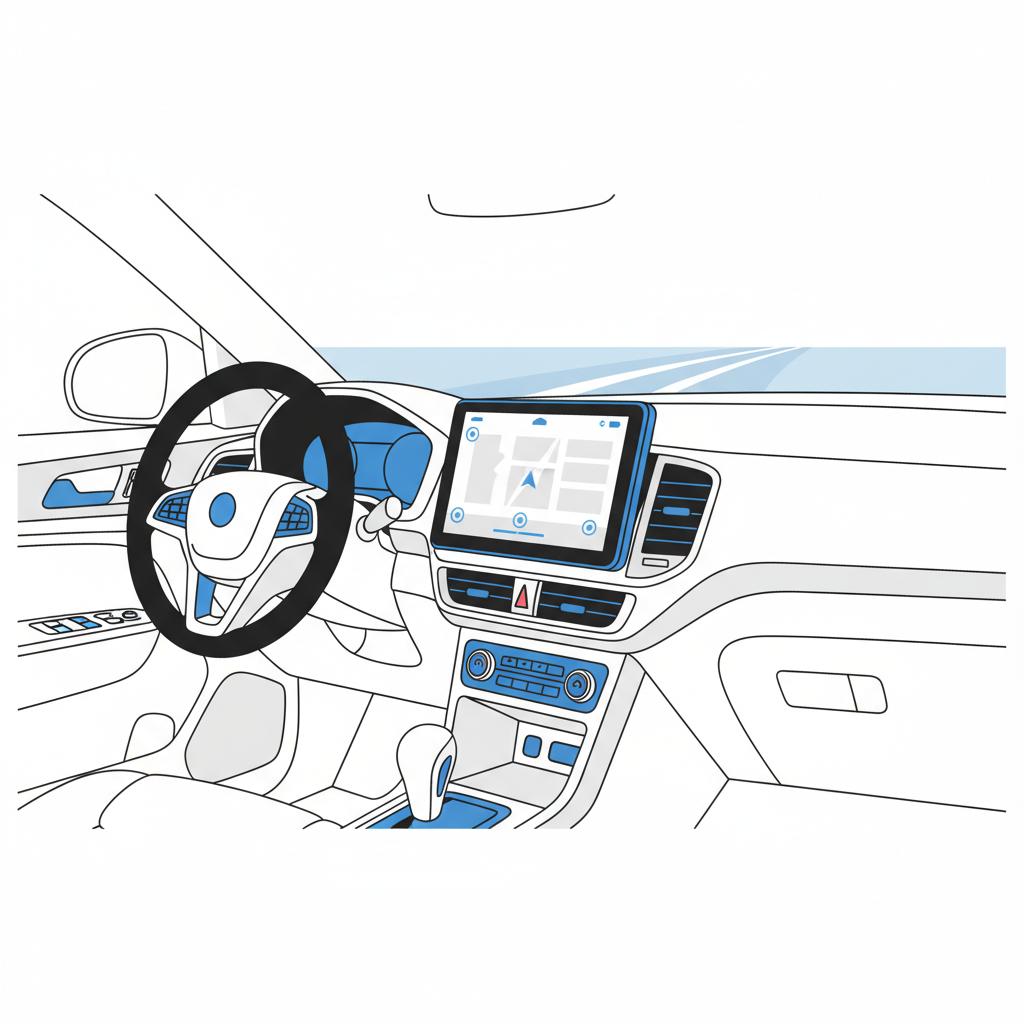
When you inspect a listing, test each screen, pairing, voice command, rear camera, and USB port during the visit. Ask the dealer whether software updates have been applied and request service records that document repeated repair attempts for connectivity or electrical issues.
Many infotainment glitches are repairable with software updates or module replacement, but repeated entries in the history report can indicate a persistent fault that adds cost and inconvenience over time. If software updates are unconfirmed, include that as a negotiation point.
Fuel economy reality: what to expect from turbocharged CR-Vs when you find honda crv for sale
Measured real-world fuel economy for turbocharged CR-Vs often runs below EPA combined mpg estimates, so expect variance from the label depending on driving style and the chosen powertrain. Independent owner reports and formal fuel economy data show gaps between EPA figures and what drivers typically experience FuelEconomy.gov fuel data.
To estimate realistic fuel costs for a listing, compare the EPA combined mpg to owner forum reports and Consumer Reports commentary for the specific year and drivetrain. For a quick guide on how to compare sources and interpret the numbers, see a short how-to how to use reference on applied comparisons.
If a listing's mileage seems low but the fuel economy history or owner notes signal heavy urban use, factor likely fuel costs into the total cost to own and into bargaining expectations.
Safety equipment and ratings to confirm on a honda crv for sale
The CR-V typically performs well in crash testing, but safety equipment and active systems vary by trim and year. Confirm that a listing's model year and trim include the driver assistance features you want before assuming parity with recent ratings; IIHS testing is a useful reference when you match the tested configuration IIHS vehicle ratings.
Use Consumer Reports and manufacturer documentation to verify which driver assists were standard or optional for the exact trim. If a listing lacks expected systems, ask whether dealer-installed options or later repairs affected sensors or cameras, and verify any such work in the service history Consumer Reports review.
Also check NHTSA recall records for the VIN to see if safety systems were subject to service actions. Open recalls or incomplete remedial work should be resolved before purchase or used as negotiation leverage NHTSA vehicle complaints and recalls.
Using a vehicle history report when evaluating a honda crv for sale
Start each listing by running a vehicle history report and scanning priority fields: title status, ownership history, reported accidents, service entries, mileage checks, and open recalls. These fields quickly reveal whether deeper inspection is needed and help you focus on the most likely problem areas NHTSA vehicle complaints and recalls.
Quick scan checklist for a vehicle history report
Flag repeated engine or transmission entries for inspection
Interpret service and title entries cautiously. Repeated entries for oil or engine work, multiple transmission repairs, or a salvage or rebuilt title should change how you negotiate and whether you schedule a detailed mechanical inspection. If records are incomplete, ask the dealer for service invoices or proof of repair.
Cross-check dealer transparency signals such as dealer profile, ratings, and review patterns when the history report raises concerns. A transparent dealer who provides invoices and clear answers can reduce friction in the purchase process.
How pricing insights and price analysis labels help when comparing listings
Price analysis labels and local pricing context are useful signals that compare a listing to similar cars in your area and condition. Use these labels to identify outliers, but treat price context as one input among history, inspection results, and equipment verification Consumer Reports review.
A lower-than-average price does not remove the need to verify mechanical condition and title status. Often low prices reflect repair needs, unclear ownership history, or omitted equipment, so pair pricing insights with a vehicle history report before deciding.
When a listing is priced higher than peers, check whether the premium corresponds to verified service, upgraded trim, or recent major work. If not, use local market comparisons to judge whether the asking price leaves room for negotiation.
Decision checklist: should you pursue a specific honda crv for sale?
Apply a short checklist to every listing: obtain the vehicle history report, confirm title status and any accidents, check for open recalls, and scan service history for engine or transmission entries. These priority checks identify the most impactful risks and help set inspection priorities NHTSA vehicle complaints and recalls.
Secondary checks include testing infotainment and connectivity during the walkaround, reviewing expected fuel economy for the powertrain, and confirming safety equipment for the trim. If the history is clean and the car shows no test-drive issues, schedule a pre-purchase inspection focused on flagged items.
Walk away or demand full documentation when the report shows recurring significant repairs, salvage or rebuilt titles, or unclear service records. Those flags often indicate hidden costs that can outweigh a low asking price.
Common listing and buying mistakes to avoid with used Honda CR-Vs
Buyers commonly skip the vehicle history report, assume EPA fuel economy matches their driving, or fail to confirm trim-specific safety features. These oversights can lead to unexpected repair bills and higher running costs after purchase; check fuel figures against real-world reports and confirm equipment against tested trims FuelEconomy.gov fuel data.
Ignoring service records or accepting vague dealer notes about repairs is another frequent mistake. Always ask for invoices for any major work, and if documentation is absent, treat the listing as higher risk and price accordingly.
To avoid surprises, insist on a pre-purchase inspection from a trusted mechanic and compare multiple similar listings so you have context for pricing and condition before making an offer.
Practical example scenarios: comparing two honda crv for sale listings
Scenario A: a lower-priced listing shows gaps in service records and a history note for repeated oil changes. The vehicle history report lists several maintenance entries without invoices. In this case you would flag potential engine risk, request full service invoices, and likely schedule compression and oil analysis tests before proceeding.
Scenario B: a higher-priced listing shows a consistent service history, single ownership, and recent dealer maintenance, but the walkaround reveals intermittent infotainment glitches. Here the trade-off is pay a premium for verified maintenance while negotiating for the infotainment fix or a price reduction to cover the repair cost.
These scenarios show that price alone does not determine value. Use the checklist to weigh documented service, title status, and known faults when deciding which listing to pursue.
Repair cost expectations and total cost to own for problem-prone CR-V years
Repairs that most raise ownership costs include engine rebuilds or turbo repairs, transmission or CVT replacements, and repeated electrical fixes. Aggregated repair and complaint sources point to model-year hotspots where these repairs are more common, so factor potential repair risk when a history report flags such entries RepairPal reliability summary.
When a listing shows a history of major repairs, estimate the likely remaining useful life and whether resale value will be affected. A documented major repair can be acceptable if performed professionally and if the price reflects the work, but vague or unverified repairs increase uncertainty.
Include likely future repair risk in your total cost to own calculation and use price analysis labels to see whether the listing price compensates for the added risk and repair exposure Consumer Reports review.
Step-by-step next steps after you find a promising honda crv for sale
VIN immediate actions: run a vehicle history report for the VIN, confirm title status and open recalls, and scan service history for engine or transmission work. These steps identify priority risks and guide whether to invest in an inspection or proceed to contact the dealer NHTSA vehicle complaints and recalls.
Ask the dealer for service invoices, recent maintenance receipts, and confirmation of any software updates applied to infotainment systems. If repairs were performed, request documentation that shows where and when the work was done.
Schedule a pre-purchase inspection focused on flagged items such as compression and oil condition for the engine, transmission behavior under load, and a software check for infotainment. Use inspection findings to adjust your offer or walk away if risks are unacceptable.
Short conclusion: balancing value and risk when buying a Honda CR-V
The main negatives to watch for when a honda crv for sale appear are mid- to late-2010s 1.5L turbo engine oil dilution reports, transmission and CVT complaint clusters in some older generations, recurring infotainment issues, and real-world fuel economy that can be below EPA ratings. These concerns are manageable when buyers verify service history, recalls, and title status via a vehicle history report RepairPal reliability summary.
Do due diligence: run a history report, confirm trim-specific safety equipment against tester records, and schedule targeted inspections when the report flags engine or transmission entries. These steps tend to separate acceptable risks from listings that deserve a pass.
Owner-reported sources indicate oil dilution and turbo-related reports are concentrated in some mid- to late-2010s 1.5L turbo models; check the vehicle history report and service records for engine-related entries when evaluating a listing.
Look for repeated transmission repairs in the vehicle history report, test-drive for hesitation or slipping, and request mechanic inspection focused on fluid condition and error codes if you see concerning signs.
Not necessarily; infotainment and electrical issues often cause inconvenience and occasional repairs rather than catastrophic failure. Confirm software update history, test all systems during the visit, and weigh repair evidence when deciding.
Many negatives flagged for the Honda CR-V are manageable with proper verification and targeted inspections. Use the checklist in this guide to prioritize a vehicle history report, confirm safety equipment by year and trim, and schedule mechanic checks for any flagged engine or transmission entries.
A calm, evidence-based approach tends to separate worth-pursuing listings from those with hidden costs. Verify, document, and then decide.

 Blog
Blog