What year to stay away from Honda Odyssey? Practical guide for used buyers
If you are searching honda odyssey for sale, exercise increased caution around mid 2000s models, notably 2005 to 2007, and check early 2010s examples for powertrain and accessory complaints. Models from the 2018 redesign onward generally score better on reliability and safety metrics. For any specific listing, always run a vehicle history report and confirm recalls and service history before you commit.
A step-by-step workflow for estimating a truck's market value that centers on comparing consumer valuation tools, adjusting for mileage and condition, and checking wholesale market signals. The guide explains private-party, trade-in and dealer retail values and shows how a vehicle history report and pricing insights can change an asking price.
This guide helps research oriented buyers evaluate suv used cars for sale under $25,000 by combining safety ratings, reliability data, local pricing context, and vehicle history checks. It outlines a simple framework, a pre visit checklist, and a decision scoring worksheet so you can compare finalists before contacting a dealer. Use the steps here to narrow candidates and confirm risk signals with a vehicle history report and a pre purchase inspection.
When searching suv used cars for sale, prioritize model year, trim and powertrain before choosing a make or model. This guide explains how safety ratings, dependability studies and local pricing insights combine to produce a short list you can verify with a vehicle history report. It also provides a stepwise checklist you can use before contacting a dealer.
Searching for a used Honda Odyssey means balancing family needs, safety expectations, and long term ownership costs. Model year patterns offer useful signals, but they do not replace per vehicle checks.
This guide explains which years commonly show elevated risk, why those patterns appear in public data, and a step by step approach to screen any Honda Odyssey for sale so you can compare listings with more confidence.
Be extra cautious with 2005 to 2007 Odysseys due to repeated transmission complaints in aggregated repair databases.
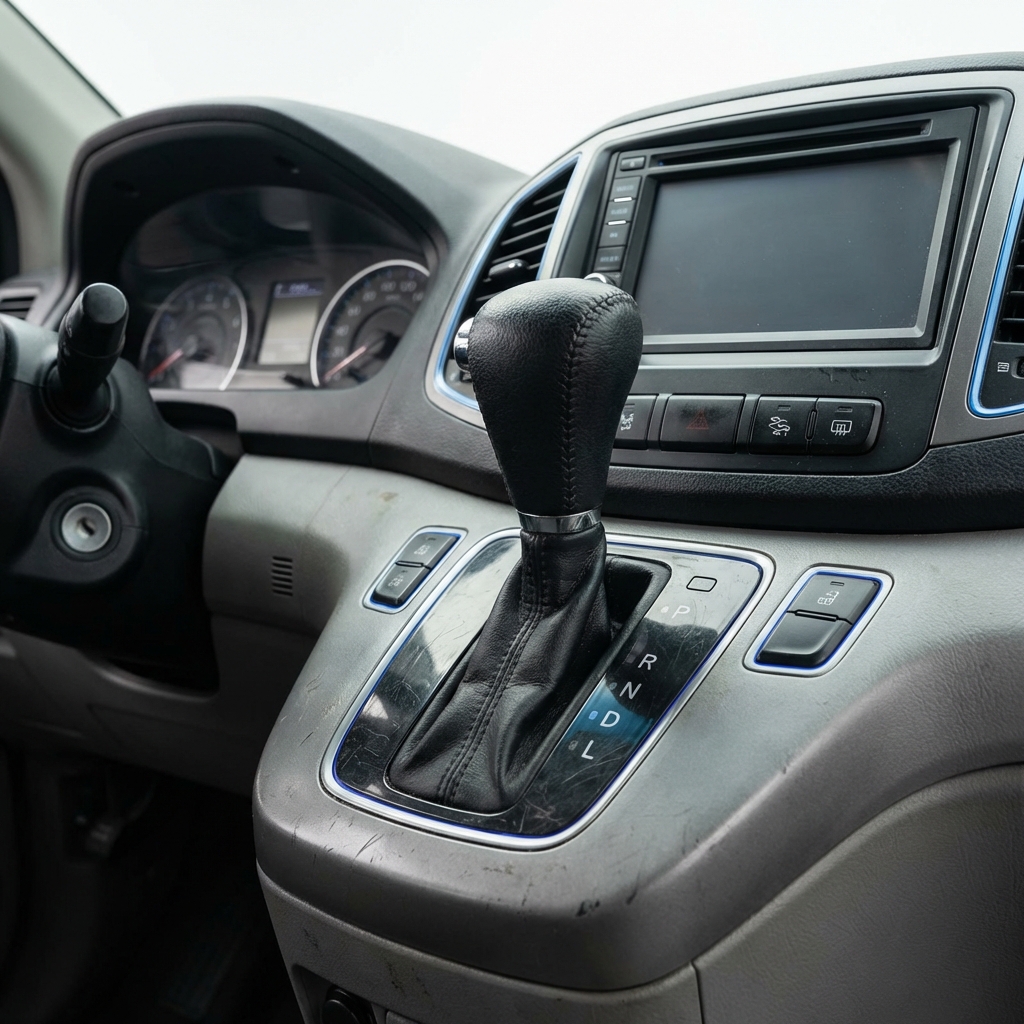
Early 2010s models often show powertrain hesitation and sliding door faults, so verify recalls and service records by VIN.
Post 2018 Odysseys generally show improved dependability and safety scores, but confirm the vehicle history and inspection before buying.
Quick answer for buyers searching honda odyssey for sale
If you are searching honda odyssey for sale, the short, evidence backed guidance is this: be cautious with mid 2000s Odysseys, especially 2005 through 2007, and pay extra attention to early 2010s model years, roughly 2011 through 2014. Models from the 2018 redesign onward tend to show stronger reliability and safety scores and are commonly safer choices in aggregate.
Those year ranges are patterns in aggregated complaint and reliability datasets, not guarantees about any particular vehicle. Always treat listing year as a signal to investigate further rather than a final verdict.
Use this article to jump directly to the sections you need: how to interpret model year signals, what to look for on the test drive, a per listing screening checklist, typical repair cost guidance, and scenario advice for different buyer priorities.
How to interpret model-year signals when you search honda odyssey for sale
Aggregated data comes from a few different places and each source measures something slightly different. Consumer Reports and J.D. Power focus on owner surveys and dependability trends, while IIHS reports on crashworthiness and agency test results. Complaint sites and repair aggregators collect consumer reports and common repair categories for model years, and NHTSA records recalls and investigations tied to specific production years and VINs. For a high level view, start with a reliability source and check NHTSA records for the VIN you are considering, since recall status is VIN specific and can change the risk profile for one listing (see industry coverage: MotorTrend).
Consumer Reports and industry dependability studies look at owner experience over time, which helps identify which model years tend to require more repairs, while sites that aggregate complaints show the types of faults owners report. For a practical example of a reliability summary, see the Consumer Reports overview for the model.
Aggregate data suggests increased caution for 2005 to 2007 and careful checks for early 2010s models; prioritize 2018 and later when possible, and always verify VIN specific history and inspection results.
Complaint aggregators and repair data are useful screening tools, but they have limits. Reporting bias can make some years look worse because owners with problems are more likely to post, and public records often do not show whether reported repairs were actually completed. Mileage, maintenance habits, and how owners repaired problems all change the real risk for a specific vehicle.
Because of those limits, treat aggregated signals as prompts to dig deeper. The single most actionable step is to check NHTSA recall and investigation records for the vehicle and to obtain a vehicle history report for the VIN before you arrange a test drive or visit the dealer.
Why mid-2000s Odysseys (especially 2005-2007) are often flagged
Repair and complaint databases commonly flag 2005 through 2007 Odysseys for frequent automatic transmission failures, which can translate into substantial repair bills and repair disruption for owners; this pattern appears repeatedly in public reliability summaries and complaint aggregations, so treat those model years as higher risk in aggregate.
When you see a 2005 to 2007 listing, look specifically for service records that document transmission maintenance or rebuilds. If the seller cannot provide written repair receipts or a clear service history for the transmission, that is a material red flag worth stepping away from unless the price and inspection results justify the exposure.
Typical repair-cost aggregators report that transmission overhauls can be among the most expensive common repairs for an Odyssey. Costs vary by region, parts choice, and whether a rebuild or replacement was used, so always get a local shop estimate if a listing shows transmission history or symptoms.
Practical red flags in listings include fluid stains or photos showing transmission fluid residue, inconsistent or vague answers about transmission service history, and a vehicle history report that lists repeated transmission related complaints or open investigations. Asking for the VIN and running a history report helps confirm whether prior owners recorded repair events or related complaints.
Problems reported in early 2010s models (about 2011-2014)
Early 2010s Odysseys, approximately 2011 through 2014, show clusters of reported powertrain hesitation and accessory faults, notably sliding door mechanisms and related electrical components; several of these years also have NHTSA recalls or technical service bulletins tied to specific faults, so VIN level checks are important for these listings.
On model years in this range, pay attention to how the transmission shifts at low speeds and whether the sliding doors open and close smoothly. If the listing mentions replacement of door components or electrical modules, request receipts and confirm those services in the vehicle history report.
For a focused in person check, it helps to follow a short inspection routine targeted at these common faults. Use a simple mechanic style checklist to exercise the sliding doors several times, observe shift feel at varying speeds, and listen for unusual noises when accelerating and decelerating.
short mechanic style test drive and accessory check
Repeat checks after 10 minutes of operation
If you find shifting hesitation or intermittent door faults during the drive, treat the vehicle as higher risk until you can verify documented repairs. When recalls or TSBs apply, confirm the VIN shows completed recall repairs on the NHTSA database or in the seller provided service records.
Why 2018 and later models look stronger in reliability and safety data
The 2018 Odyssey redesign changed key components and systems that industry studies and safety ratings tracked afterward, and aggregate data from Consumer Reports, IIHS, and J.D. Power show improved dependability and safety signals for post 2018 models. Those improved scores reduce aggregate risk, though they never replace per vehicle checks.
When budget allows, prioritize later model years for lower expected ownership disruption. Even with stronger aggregate scores, still verify recalls, service history, and the vehicle history report, since individual maintenance and damage history determine real world reliability for any one minivan.
For families who prioritize safety ratings, check the IIHS pages and model specific safety features for the exact model year and trim, and consult KBB recall listings for recall details. Safety equipment and ratings can vary by year and trim level, so confirm which features are present on the listing you are considering.
Practical screening and a per-listing pre-purchase checklist
Start every listing review by getting the VIN and running a vehicle history report to check title status, reported accident history, ownership history, and any service events that appear in the record. Vehicle history reports make it easier to compare listings and surface items that need follow up before you spend time with a particular vehicle.
Use the report to confirm whether the title is clean, whether the vehicle has a single owner or multiple owners, and whether there are records of collision repairs or service entries that mention the transmission or sliding door work. A history report does not replace an inspection, but it reduces asymmetric information and helps you prioritize which listings to inspect in person.
At the listing page and during communications with the seller, request service receipts for any major work, and ask specific questions: when was the transmission serviced, has the sliding door mechanism ever been replaced, and were recommended recalls completed. Vague answers or lack of documentation on these points should lower your willingness to pay.
For the test drive, follow a targeted checklist: evaluate shifting at low and moderate speeds, listen for clunking or whining from the transmission area, exercise the sliding doors multiple times, and confirm HVAC and key electrical accessories function. Bring a friend to operate doors while you drive so you can observe both systems in use.
Typical repair costs and decision criteria to apply when comparing listings
Repair-cost aggregators indicate that transmission overhauls tend to be among the more costly common repairs for Odysseys, while sliding-door and electrical fixes are typically lower but still material to the purchase math. Use local shop quotes and a recent inspection to refine any estimate for a specific vehicle.
When comparing listings, fold potential repair exposure into your price target by estimating remaining useful life and the likely cost to remedy known faults. If a listing is priced low because it shows an unresolved transmission issue, balance that against inspection quotes and the chance of cascading repairs before you accept the lower price.
A simple decision rule many buyers use is to reduce your maximum offer by the conservative repair estimate plus a contingency for unseen issues, and to require written service receipts for any claimed major repairs. Verifying receipts against the VIN in the vehicle history report helps confirm that repairs occurred and were applied to the same vehicle.
Buyer scenarios: which years make sense for different budgets and priorities
Tight budget buyers can still consider older Odysseys, but insist on a thorough pre purchase inspection and clear documentation for any transmission work. If a 2005 to 2007 model has a documented recent transmission rebuild with receipts and a reputable shop sign off, it may be a reasonable option for a buyer prepared to accept higher maintenance risk and set aside a repair contingency.
Run a vehicle history report for shortlisted listings
Before you commit to a shortlist, run a vehicle history report for each VIN to confirm title status, recorded service events, and any reported damage.
Family buyers who prioritize reliability should aim for 2018 or later when possible, since those model years show stronger aggregate safety and dependability signals. Even for newer model years, require service records and a pre purchase inspection focused on the common failure modes we discussed earlier.
For buyers considering certified or dealer backed listings, confirm exactly what the certification covers and verify the dealer provides the documented repairs and recent service history. Dealer presentation sometimes simplifies the picture, so cross check the VIN on a vehicle history report and insist on independent inspection if your budget and risk tolerance require it.
Five mistakes buyers commonly make are: skipping the VIN history check, accepting verbal repair claims without receipts, ignoring shifting symptoms on a test drive, underestimating repair costs for transmission issues, and forgoing an independent pre purchase inspection. Each of these increases the chance of an unexpected repair bill after purchase.
Final per listing checklist before you sign or pay a deposit: run a vehicle history report by VIN, confirm recalls and TSBs were addressed, obtain written service receipts for major repairs, perform a focused test drive with a checklist, and complete an independent inspection from a qualified mechanic. If the seller cannot provide documentation or the vehicle shows unresolved symptoms, walk away.
Aggregated data should guide which model years to prioritize and which to investigate more closely, but the final decision must rest on VIN specific evidence and inspection results. Treat those steps as the decisive part of your due diligence.
Public complaint and repair databases commonly flag mid 2000s models, notably 2005 through 2007, for frequent transmission issues. For any listing, confirm service receipts and run a vehicle history report to verify repairs.
Aggregate data from reliability and safety studies indicate that 2018 and later models tend to score better, which can reduce ownership risk. Still verify recalls and service history for each VIN before purchase.
Obtain a vehicle history report for the VIN and verify recall completion and service records, then follow up with an independent pre purchase inspection focused on reported failure modes.
Choosing the right used Odyssey is a mix of pattern recognition and VIN specific fact finding. Use year level signals to prioritize listings, then confirm recalls, service history, and inspection findings before you commit.
If a seller cannot show documented repairs or the VIN history raises questions, treat that listing as higher risk and consider moving on to a better documented example.


 Blog
Blog