Practical, step-by-step guidance to spot hidden problems in a used car. Learn a focused used car inspection checklist that covers VIN decoding, flood signs, underhood checks, OBD-II scans, test-drive cues, and when to call a pro. Get tips, tools and a negotiation plan to avoid costly surprises and buy with confidence.
A rav4 used for sale can be a sensible pick for many research-oriented buyers because reliability aggregators rate the model above average and safety ratings are generally strong. This guide explains how to vet listings, what model years tend to be better, and a step-by-step checklist to reduce risk before you buy.
This guide explains how to estimate the cost of buying an R34 Skyline, with attention to import rules, condition-driven price tiers and landed cost. It shows which factors move value, how to verify history and paperwork, and offers a checklist you can follow when you search for a nissan skyline r34 for sale.
This guide helps buyers set realistic expectations for tacoma trucks for sale by explaining the main price drivers and a repeatable method to build conservative, typical, and ambitious offer ranges. It shows how the 2024 redesign, valuation guides, and vehicle history reports interact to change asking prices and reduce purchase risk.
Buying used shouldn’t feel like a gamble. This guide gives a calm, practical used car inspection checklist you can use at every viewing: VIN decoding, quick visual cues, simple underhood checks, a basic OBD‑II scan, a focused test drive, and when to call a pro. Read this to reduce surprises and buy with more confidence.
1. A quick OBD‑II scan can reveal stored or pending trouble codes that often change a buyer’s decision within minutes.
2. A simple smell or mineral staining in the trunk or under seats is one of the most reliable early signs of past flood damage.
3. CARFAX Deals surfaces listings backed by verified vehicle history reports and millions of vehicle records, helping buyers spot red flags before they visit a dealer.
Turn uncertainty into clear checks: a practical approach
Buying used shouldn’t feel like gambling. A calm, repeatable used car inspection checklist turns vague worries into clear actions you can use every time you shop. Below you’ll find a straightforward guide that walks through high-value checks, why they matter, and what to do when something doesn’t add up.
Why a checklist matters
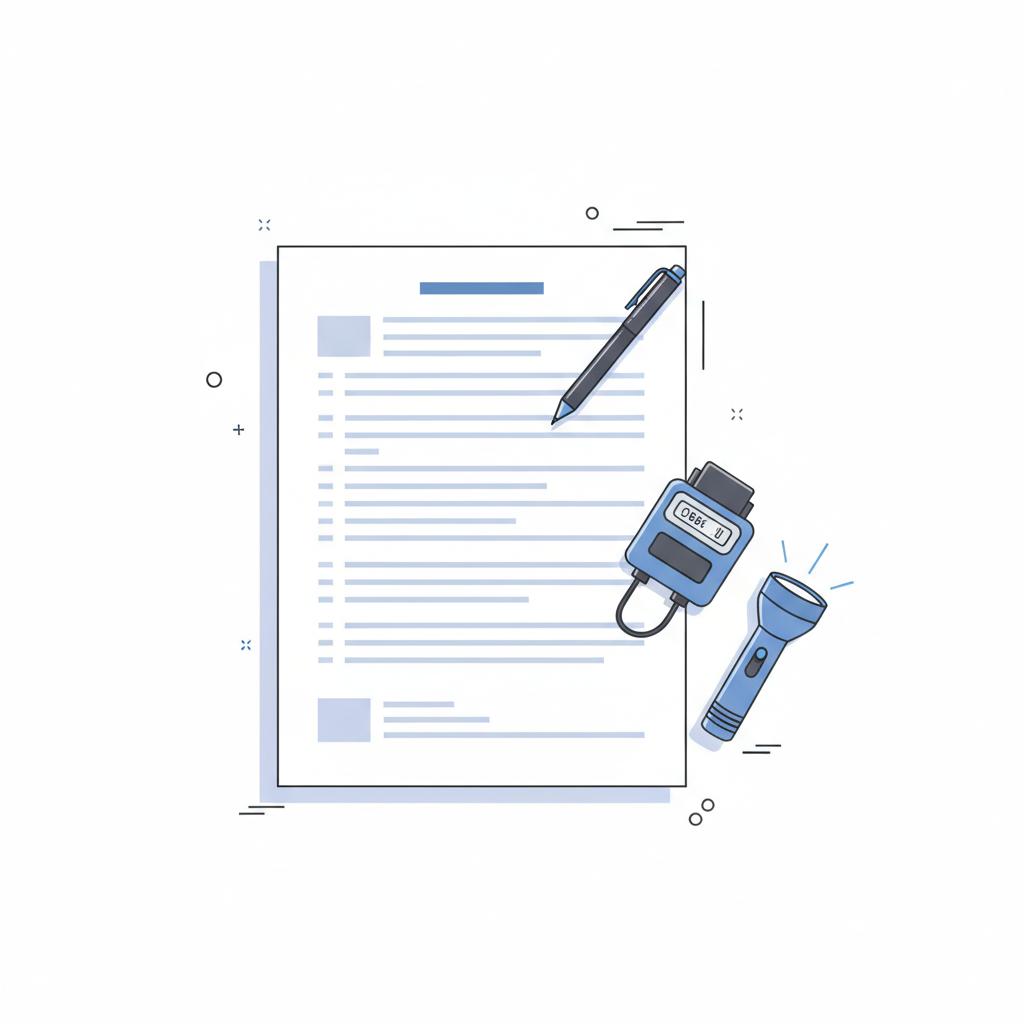
A good used car inspection checklist helps you compare cars fairly, spot mismatches between story and condition, and protect your budget. Use it as a short, printable guide you bring to every viewing: VIN, flashlight, phone, and a pen. The checklist keeps your head clear when emotions rise and helps you negotiate from facts, not feeling.
Prepare before you go: what to bring
Before you arrive, have these essentials on hand: the vehicle’s VIN, a charged phone, a flashlight, a cheap OBD‑II scanner or Bluetooth adapter, and a printed used car inspection checklist. These simple items reveal more than you might expect and make the whole process less stressful. For more on the basics and how to use tools, see the guide at how to use.
Start with verified history — reduce surprises fast
Ready to reduce risk fast: Run a verified vehicle history report to spot prior accidents, title issues, and mileage events before you visit. Get a verified report now to start your inspection with better information.
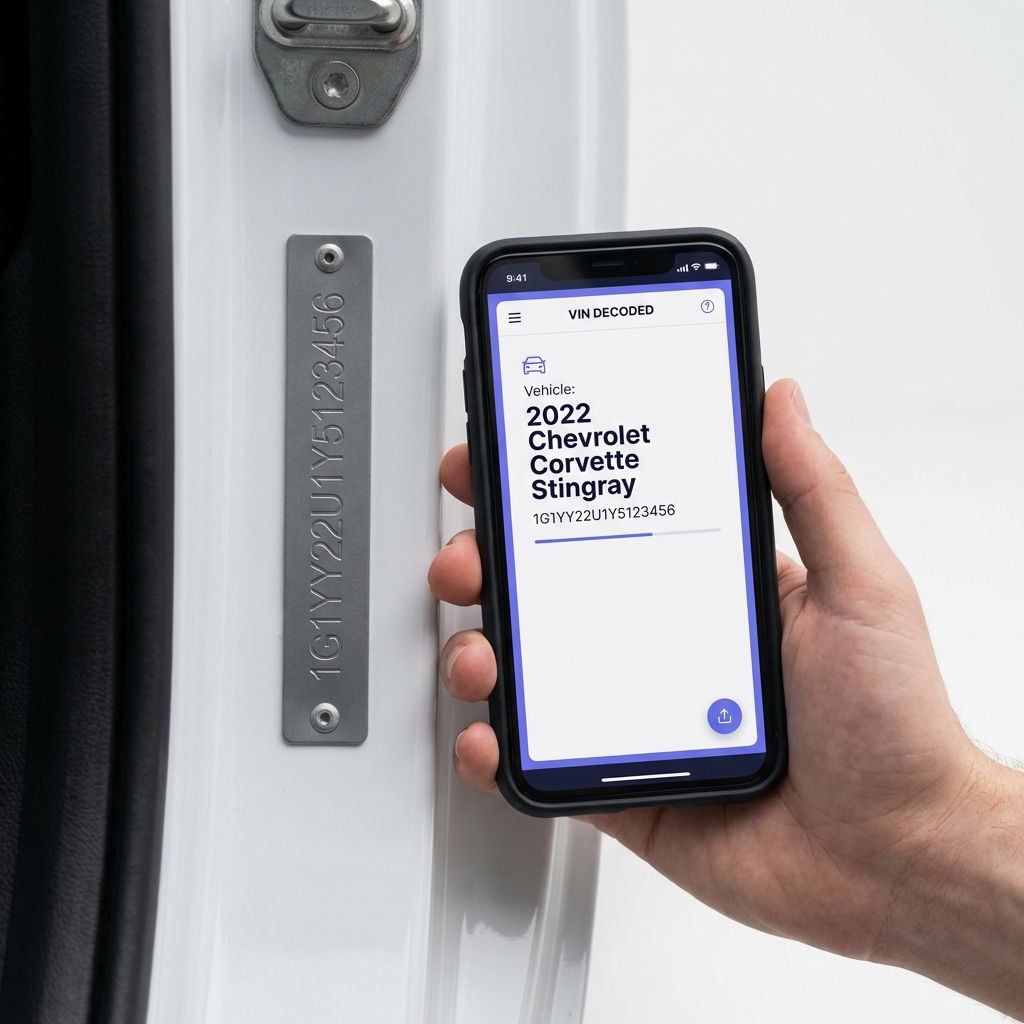
Vehicle history reports are powerful when combined with on-site checks. A report doesn’t tell every story, but paired with a methodical used car inspection checklist it narrows the gap between what’s claimed and what’s real. Decode the VIN (the 17-character vehicle identifier) to confirm factory details like engine, year and trim — use the VIN decoder if you need a quick lookup, and consider a full VIN report when details look inconsistent. If the VIN says a four-cylinder but the car has a V6, that mismatch is a clear red flag. Ein kurzer Blick auf CarFax Deals kann beim schnellen Abgleich der wichtigsten Fahrzeugdaten hilfreich sein.
How to read a history report
History reports show reported accidents, branded titles, mileage events, and service entries. Remember: not every repair is reported. Private work and minor insurance settlements sometimes never reach databases. Treat the history report as a strong data point - not an unquestionable verdict.
Tip: When history, inspection notes, and the seller’s story line up, you’re in a much stronger position. When they don’t, be ready to ask questions, request paperwork, or walk away.
A helpful, low-effort step: If you want a quick, reliable check of a listing before you drive across town, run a verified report through a trusted source like CARFAX Deals. Their reports pair vehicle history details with transparent pricing cues to help you spot potential concerns early. Run a report at CARFAX Deals
Exterior walk-around: the clues you can see
When you walk around the car slowly, your used car inspection checklist should focus on three visual clues: paint & panels, glass & trim, and tires. Are panel gaps even? Any overspray in wheel wells? Paint texture that changes between doors and fenders? Those things often point to body repair even if the finish looks tidy at a glance.
Paint, panel gaps, and alignment
Small gaps or mismatched paint don’t always mean the car was in a crash. But they’re clues that deserve a clear explanation from the seller. Ask directly: “Why is this panel repainted?” If the seller is vague, note it down and flag it as a reason for a professional inspection.
Glass, seals, and trim
Check windshield edges for chips filled with different material or signs of replacement. Look for fresh sealant around trim or mismatched weather stripping. Poorly replaced glass often leaks later, leading to electrical and interior damage.
Water & flood signs: subtle but serious
Flood damage can be expensive and can hide under thorough cleaning. On your used car inspection checklist, smell the carpets and trunk. Look for mildew, mineral deposits on plastic trim under seats, and corrosion on connectors. Water leaves odd stains and brittle seams in upholstery. Don’t accept a clean interior as proof the car was never wet.
Electrical corrosion hints
Check under seat connectors and fuse panels for white or green corrosion. Test every electrical feature — windows, HVAC, radio — and watch for intermittent failures. Those are classic signs of water-related problems that may recur.
Yes—a short, focused checklist helps you spot the highest-probability red flags (flood signs, VIN mismatches, fluid issues, odometer inconsistencies and transmission symptoms) so you either negotiate from facts or walk away; it won’t guarantee perfection, but it cuts the risk dramatically.
Under the hood: quick but high-value checks
A few minutes under the hood will reveal high-yield clues. Look at fluid colors and levels, belts, hoses, and obvious welds. Use your used car inspection checklist to mark any milky oil, low coolant, or glazed belts — each of these hints at neglect or worse mechanical trouble.
Fluids: what each color means
Oil that smells faintly of fuel or has a milky look could mean coolant contamination (possible head-gasket trouble). Coolant should be clean and bright, not brown or sludgy. Transmission fluid should be reddish and not smell burnt. Brake fluid should not be very dark. These are easy observations that quickly separate tidy maintenance from neglect.
Belts, hoses, and visible repairs
Check belts for deep cracks and hoses for swell or deformation. Spot-welds, fresh paint, or new bolts near structural points can indicate past collisions. If you see signs of structural repair, get documentation or a pro inspection before committing.
Undercarriage: what a quick look reveals
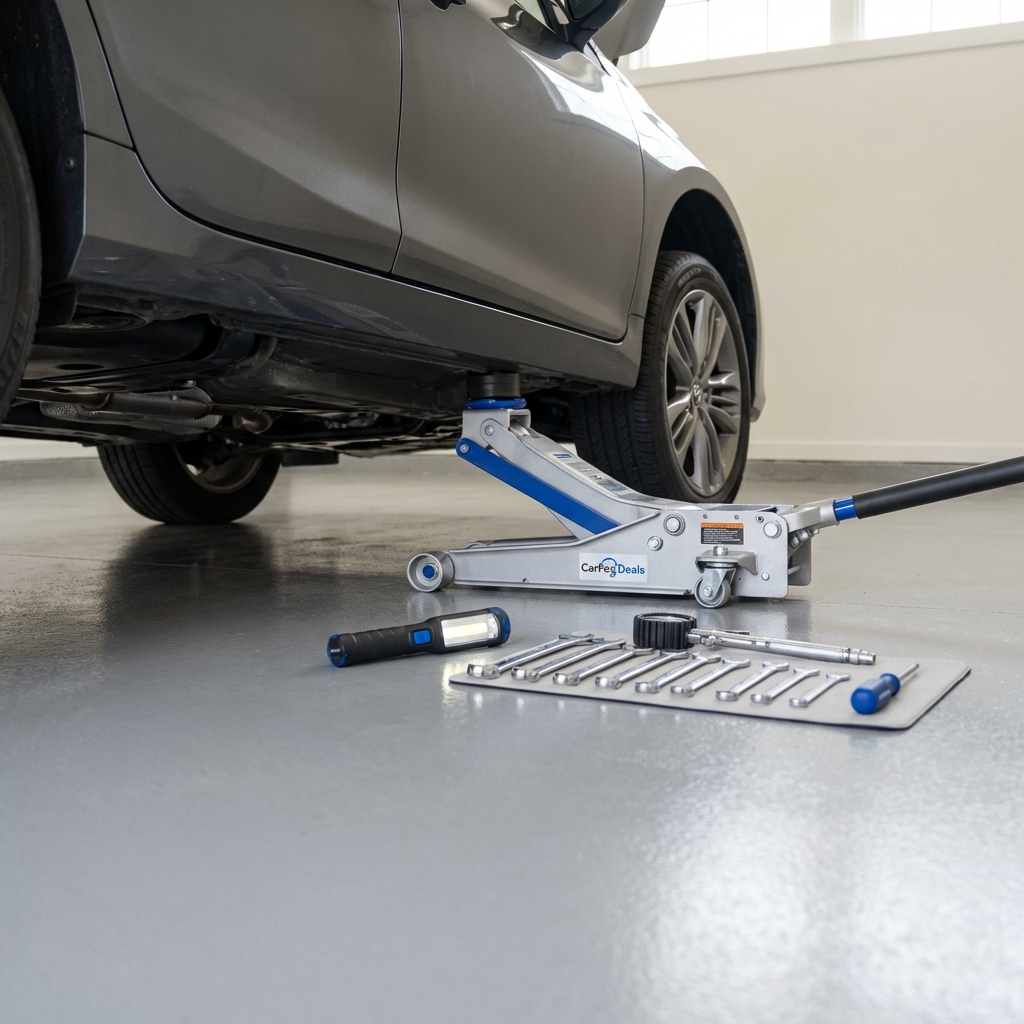
Crouch and scan the undercarriage. Surface rust is normal in many climates. Heavy, flaky rust on frame rails, suspension mounts, or brake lines is not. Look for wet spots that indicate leaks, bent suspension components, or recently replaced bolts — all items your used car inspection checklist calls out.
Suspension and mounting points
Inspect control arms, bushings, and mounting bolts. Bent or fresh-looking parts in an otherwise older car often mean a serious impact. If the suspension seems misaligned or the tires show uneven wear patterns, that points to alignment or suspension faults.
Interior checks and electrical tests
Electrical gremlins show up in small ways: windows that stick, erratic instrument cluster lights, or HVAC that only blows cold. Turn every switch on and off. Test the air conditioning and heat, the speakers, heated seats, and all lights. Use your used car inspection checklist to note anything intermittent — those are the most telling and frustrating faults.
Dash lights and OBD‑II scanning
Watch the dash during startup. It’s normal for warning lights to illuminate and then go off. If the check-engine light stays on, scan the OBD‑II system. For U.S. cars since 1996 an OBD‑II scan is quick and inexpensive and will show stored or pending codes. Some problems are minor; repeated or serious codes suggest deeper trouble. For an illustrated checklist you can reference while scanning, see How to Inspect a Used Car Checklist.
The test drive: be deliberate and listen closely
The test drive is where many hidden issues reveal themselves. Drive for at least 10–20 minutes and vary speed, use hills, and include stop-and-go traffic if you can. Your used car inspection checklist should include notes on transmission shifts, steering feel, vibration, and braking performance.
Transmission and engine behavior
Automatic transmissions should shift smoothly and without delay. Hesitation, slipping, or jerking are red flags. For manual cars, clutch engagement and smooth gear changes tell you a lot. Listen for knocking, whining, or grinding, and feel for unusual vibrations through the steering wheel or seat.
Brakes and stopping behavior
Do the brakes pull to one side? Is there a pulsation in the pedal? Thin pads are inexpensive to replace, but warped rotors and ABS faults can be costlier. Because brakes are a safety-critical system, any oddness should be taken seriously on your used car inspection checklist.
Common mechanical pitfalls and how to spot them
Some issues crop up across many used cars. Transmission faults, head-gasket histories, missed timing-belt service, and electrical or water-related damage top the list. Your used car inspection checklist should call these out explicitly so you don’t miss them.
Transmission problems
Transmission repair ranges from a relatively cheap solenoid fix to a full rebuild. Signs include slipping, delayed engagement, or unusual noises. If a car shows these signs, get a pro involved — transmission issues are among the most expensive surprises.
Overheating, head gasket, and timing service
White smoke, milky oil, and a history of overheating are signs of head-gasket problems. If the car uses a timing belt, missing service can lead to catastrophic engine damage. Ask the seller for receipts; without documentation treat the car as higher risk.
Odometer fraud and mileage mismatches
Odometer tampering still happens. Compare odometer readings with service records, inspection stickers, and wear patterns. A low-mileage reading alongside a worn steering wheel or pedals is suspicious. VIN histories often include mileage entries over time — mismatches are a clear reason to dig deeper.
Modules and mileage checks
Some vehicle modules store mileage that a professional can read during a thorough inspection. If mileage is critical to your decision, a pro with the right tools can verify the true odometer reading.
When to ask for paperwork — and what to require
When something doesn’t add up, ask for documentation: service receipts, repair invoices, and photos of past damage. If the seller refuses paperwork or an independent inspection, treat that as a major warning flag. Strong, honest sellers will provide records or let you confirm details with a third party.
Professional pre-purchase inspections: what they deliver
Professional inspections fill gaps you can’t cover alone. Reputable shops offer 120+ point checks that include a lift inspection, road test, compression or leak-down checks, and electronics scans. A printed inspection report is powerful in negotiation: it documents issues and gives you repair estimates to back your request. See best practices for digital vehicle inspections at Digital Vehicle Inspection Best Practices.
Options after a bad inspection
If a pro finds a problem, your options are clear: ask the seller to fix it, request a price adjustment supported by estimates, or walk away. A small inspection cost is often small insurance compared to a major late repair.
How to negotiate calmly and fairly
Negotiation goes better when you’re prepared and clear. Collect local repair estimates, present them to the seller, and explain whether you want repairs completed or a price reduction. If negotiation feels uncomfortable, bring a friend who knows cars or rely on the printed pro-inspection report to make the case.
A printable checklist you can use today
Below is a compact used car inspection checklist you can print and carry: VIN and seller contact; walk-around: paint mismatch, panel gaps, tire wear, trunk smell; underhood: fluid colors, belt condition, leaks; interior: water signs, dash lights, seat wear; test-drive: shifting, noises, steering feel, brakes; red flags: persistent check-engine light, flood signs, structural repair without docs, odometer mismatch, severe rust. For an alternative step-by-step printable list see the 15-step checklist at https://idrivecertified.com/blog/used-vehicle-inspection-checklist-15-steps-for-smart-buyers.
Tools that pay for themselves
A few inexpensive tools make big differences: a bright flashlight, a small mirror, a magnet for detecting filler, and a basic OBD‑II reader or Bluetooth adapter. Many smartphone apps pair with inexpensive adapters to show live sensor data — helpful during a test drive.
When it’s smarter to walk away
Walk away if the seller won’t allow a test drive, refuses a professional inspection, or can’t provide clear title documentation. If a history report shows a branded or salvage title that the seller didn’t disclose, that’s another strong reason to pass. Trust your instincts when the paper trail and answers don’t add up.
Buying with known issues: a practical approach
Sometimes the best value is a car sold with known, affordable issues. If you get clear repair estimates and the price reflects the work needed, buying with full knowledge is a reasonable choice. Ask the seller to fix the issue before purchase or reduce the price to cover repairs. Either way, document the agreement in writing.
Bring a friend — or an expert
Emotion can cloud judgment. Bring a friend who knows cars or hire a trusted mechanic to inspect for you. A second set of eyes makes it easier to stay objective and avoid costly mistakes.
Real-world example: why checks matter
In one inspection a tidy sedan with a clean interior and a flawless history report still showed fresh paint inside door jambs and a faint chemical smell in the trunk. An OBD‑II scan revealed pending evap codes. A professional inspection later found repaired structural damage and a hidden wiring issue under the dash. The buyer walked away — the initial price didn’t reflect the real cost of repair.
Final checklist reminders
Repeat these core steps each time: decode the VIN, read a verified history report, do a careful walk-around, inspect fluids and belts, scan OBD‑II codes, take a purposeful test drive, and get a professional 120+ point inspection when in doubt. Use your used car inspection checklist to keep this routine consistent and reliable.
Key takeaways
A clear, calm inspection routine reduces risk: use verified history reports as one tool, combine them with on-site checks, keep documentation, and be ready to walk away if answers are thin. A well-chosen used car, selected with this approach, can serve you reliably for years.
A free VIN decoder (like NHTSA’s) provides factory details and recall information but won’t show private repairs, some service entries, or all title events. Paid history reports add accident records, title brands, and more, but even they miss some events. Use a VIN check alongside a careful used car inspection checklist and, when needed, a professional inspection.
Yes, if possible. For U.S. cars from 1996 onward an OBD‑II scan reveals stored or pending trouble codes that a seller may not know about. Some codes are minor, others point to costly repairs. A basic reader or a smartphone app with a Bluetooth adapter is inexpensive and often worth the small cost.
Get a professional inspection if anything in the walk-around, underhood, or test drive raises concern, if the car is older, or if you can’t verify documentation. A 120+ point inspection includes lift checks, road testing, and electronics scans and provides a written report you can use to negotiate or walk away.
A consistent used car inspection checklist gives you clarity: decode the VIN, check fluids and flood signs, scan OBD‑II codes, do a purposeful test drive, and get a pro inspection when in doubt—do those things and you’ll avoid most costly surprises. Safe drives and happy shopping—go find a car that treats you well!

 Blog
Blog