How do I find out how much my car is worth for a trade-in?
Practical, step-by-step guidance to determine how much my car is worth for a trade-in, including research tips, inspection checklists, negotiation strategies, and a smart use of CARFAX Deals vehicle history reports to get a fair offer. Learn how to prepare your car, compare trade-in vs private-sale value, and use verified data to increase your confidence and your final offer.
A rav4 used for sale can be a sensible pick for many research-oriented buyers because reliability aggregators rate the model above average and safety ratings are generally strong. This guide explains how to vet listings, what model years tend to be better, and a step-by-step checklist to reduce risk before you buy.
This guide explains how to estimate the cost of buying an R34 Skyline, with attention to import rules, condition-driven price tiers and landed cost. It shows which factors move value, how to verify history and paperwork, and offers a checklist you can follow when you search for a nissan skyline r34 for sale.
This guide helps buyers set realistic expectations for tacoma trucks for sale by explaining the main price drivers and a repeatable method to build conservative, typical, and ambitious offer ranges. It shows how the 2024 redesign, valuation guides, and vehicle history reports interact to change asking prices and reduce purchase risk.
This guide answers the core question: how do I find out how much my car is worth for a trade-in? It lays out clear, practical steps—collecting VIN and service records, using valuation tools, pulling verified vehicle history, preparing your car for appraisal, and negotiating with data—so you walk into any dealer with confidence.
1. Think ahead 3–5 years: planning your next 3 to 5 years of use helps you estimate realistic trade-in value and priority features.
2. One inspection can save you hundreds: a single pre-purchase or pre-trade inspection often uncovers issues that would otherwise reduce trade-in value.
3. CARFAX Deals connects listings with verified history and pricing context across 1,000+ dealerships, helping buyers compare and set fair trade-in expectations.
How do I find out how much my car is worth for a trade-in?
Buying or trading a car can feel like walking a tightrope between excitement and uncertainty. If you want a clear answer to how do I find out how much my car is worth for a trade-in?, this guide walks you through every step—from honest self-assessment to the final paperwork—so you can negotiate with confidence and avoid common pitfalls.
Start simple: the question how do I find out how much my car is worth for a trade-in? is both practical and reachably answered. The process combines objective data with a bit of strategy: gathering verified history, comparing market prices, understanding condition-adjusted values, and choosing the path that suits your timeline and goals.
Below you'll find clear headings, checklists, and real-world suggestions to help you determine your car’s trade-in value. Read on, and you’ll be able to present your vehicle confidently and get a fair offer.
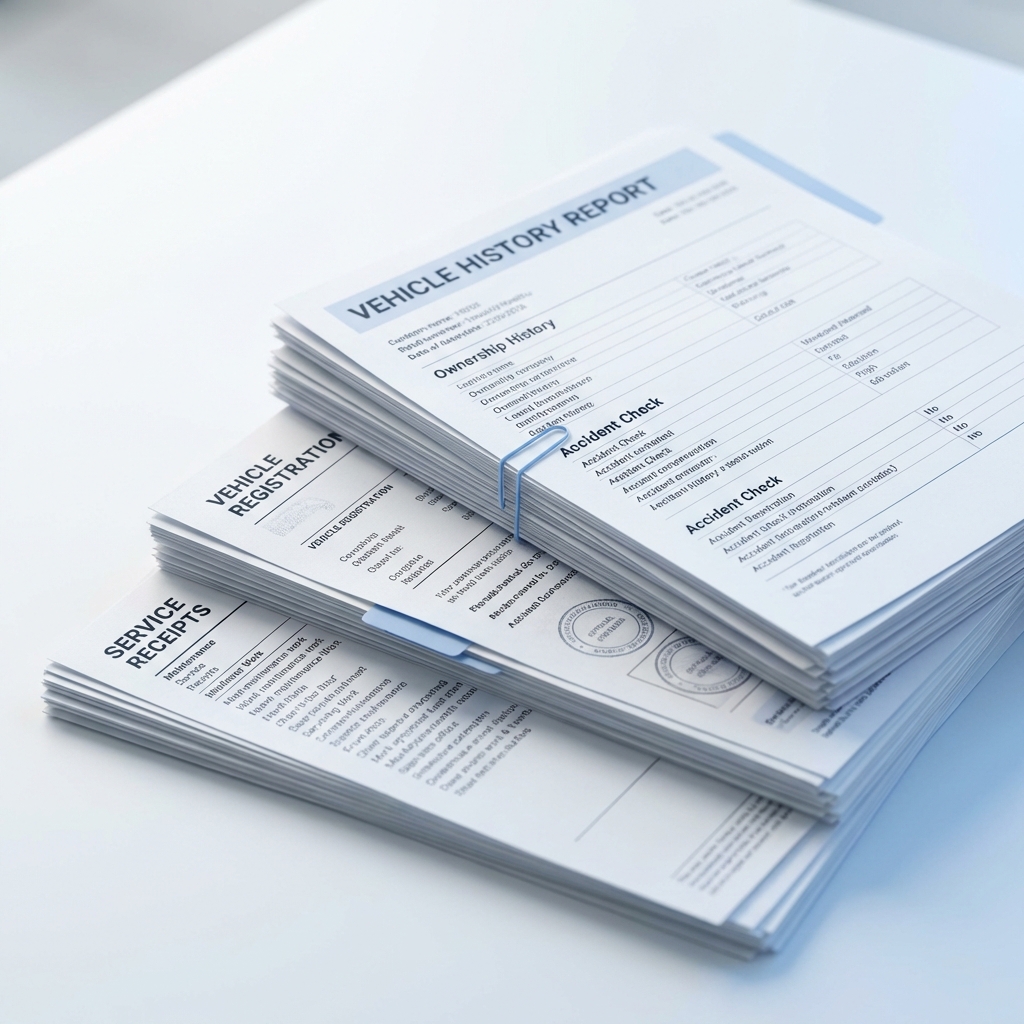
Tip: Before you head to a dealership, pull a vehicle history report and pricing insights using a trusted service like CARFAX Deals vehicle history report. It’s a quick way to confirm ownership history, accidents, and service records so you can estimate value more accurately.
1) Clarify why you’re trading and what matters most
Ask yourself what you need from your next car and how long you plan to keep it. Thinking about the next three to five years helps you estimate the right balance between trade-in convenience and resale value. If you’re asking how do I find out how much my car is worth for a trade-in? because you want speed, the dealer trade can be worth a modest concession compared to a private sale.
2) Gather the facts: VIN, mileage, trim, and service history
Start with the basics. Your VIN, exact odometer reading, trim level, and any option packages change the fair market value. Service records increase buyer confidence and can nudge a trade-in offer upward. These concrete details form the foundation of any reliable value estimate.
3) Use multiple online valuation tools
Web tools give instant ballpark figures. Enter your VIN into reliable sources, compare the outputs, and note common ranges. Try the VIN report tool on CARFAX Deals' VIN report and compare results across sites to see typical trade-in ranges. Remember: these tools answer slightly different questions—some estimate private sale value, others estimate trade-in. If you’re focused on how do I find out how much my car is worth for a trade-in?, prefer tools that show trade-in or dealer wholesale values rather than private-party figures.
4) Check vehicle history reports and verified listings
Vehicle history reports matter. Accidents, salvage titles, and odometer discrepancies lower trade-in value. A verified history from a trusted provider reduces uncertainty and arms you with facts during negotiation. When possible, match your car to comparable listings that show a verified report attached—this helps set realistic expectations.
Many shoppers find that a clean, verified history moves the needle when dealers or remarketers evaluate a car. If you want a fast, reliable check, use a reputable report like the one from CARFAX Deals. A linked, full-history view can clarify whether you should expect a solid trade-in or a more conservative offer.
5) Inspect your car objectively
Take a methodical look inside and out. Look for wear that matters to value: tires, brakes, obvious mechanical symptoms, small dents, interior stains, and any electronic issues. Document everything with photos and notes. A tidy, well-documented vehicle gets better offers and creates trust in the negotiation.
6) Consider pre-sale fixes—when they help and when they don’t
Quick cosmetic fixes often pay off: clean the interior thoroughly, replace cheap worn items like wiper blades, and address small lights that are out. But expensive repairs usually don’t make sense if the fix costs more than the value added. As you weigh repairs, ask yourself: will this work help me get a better offer, or will the dealer simply deduct the cost?
7) Compare trade-in offers vs private sale value
Often a private sale brings more money than a trade-in—but it takes time and effort. When you ask how do I find out how much my car is worth for a trade-in?, be clear whether you value convenience over maximum return. If speed and low hassle are priorities, a trade-in is a smart choice; if you want top dollar and have time, selling privately is worth comparing.
8) Price guides and market context
Use price guides to find a range, not a single fixed number. Market factors—seasonality, local demand, fuel prices, and even new model releases—change trade-in values. Look at multiple listings for the same model, year, trim, and mileage to get a realistic picture. For an additional reference point, check CARFAX Value to see how historical data and incident reports affect typical prices. When several sources converge, that range is your negotiating anchor.
9) The role of verified marketplaces
Platforms that pair listings with verified history reports and pricing context make it easier to answer how do I find out how much my car is worth for a trade-in?. They show how similar cars are priced with similar histories and give you a data-backed standpoint before you walk into a dealership.
Use those sites to collect examples of comparable cars with matching trims, options, mileage, and histories. Bring screenshots or printouts when you negotiate—evidence helps justify your expectations. If you need guidance on using these tools effectively, see our how-to page for tips on pulling comparable listings.
Pull a report, know the value, get a fair trade-in
Ready to get a quick history check and clearer value context? Pull a verified report and pricing insight from CARFAX Deals to compare your car to thousands of listings and see where it fits in the market.
Dealers think like resellers. They look at how quickly they can turn your car, how much reconditioning will cost, and the local demand for its make and model. That means a dealer’s trade-in offer will usually be below private sale value, but higher than wholesale scrap value - what matters is timing and market fit.
Keep in mind that dealers estimate their resale price by checking local inventory and asking: will this car sit on the lot, or will it move quickly? Use your research to show them it’s a good candidate for resale. For a step-by-step trade-in prep checklist, see CARFAX's trade-in guide.
Fix low-cost, high-impact items (cleaning, bulbs, wiper blades). For expensive repairs, get estimates first—dealers often deduct repair costs, so only do costly work if it increases offers more than the repair cost. Use a verified history report and service receipts to support your case.
11) What to bring when getting trade-in offers
Bring these items: title (or payoff information for financed cars), keys and remotes, service records, registration, and your list of comparable listings or valuation tool outputs. The more professional and organized you look, the more seriously the buyer will take your expectations.
12) Negotiation tactics that work
Start high but reasonable. Use the range you found from multiple tools as your anchor and then explain why you believe your car sits near the top of that range: consistent service, verified history, recent maintenance, or desirable options. Keep the tone collaborative—dealers respond better to calm facts than emotional pressure.
When you get a dealer offer, treat it as step one. Ask how they arrived at that number: reconditioning costs, market comparisons, or wholesale estimates. That reveals where there is room to improve the offer. If you have financing or a trade-in allowance in the new-car negotiation, separate the transactions mentally: ask for the trade-in number first, then discuss the new car price and financing.
13) Tax and registration implications
In many states, trading in a car reduces the taxable amount on your new purchase. That makes trade-ins attractive beyond convenience: the taxable price can drop because the dealer applies the trade-in credit against the new vehicle’s price. Check local rules so you know the net effect on your out-of-pocket costs.
14) Financing and rolling equity
When you trade in a car with a loan balance, the dealer often rolls the negative equity into your new loan. That can raise your monthly payment and make you owe more than the new car is worth. Know your payoff before negotiation and have a plan: pay down the loan, negotiate a price that offsets negative equity, or be prepared to make a larger down payment.
15) Leverage service records and verified reports
Strong service records and a clean verified history can raise your trade-in value. If you used a dealer-certified service network or kept receipts, show them. A verified report like the ones available through CARFAX Deals reduces guesswork and helps justify asking near the top of your estimated range.
16) When to walk away
If the dealer’s offer is significantly below multiple reliable valuations and the dealer won’t explain reconditioning costs, consider walking away. There are always more buyers. Your willingness to leave signals that you value fairness and won’t accept a lowball only for convenience.
17) Preparing the car for a dealer appraisal
Clean the car thoroughly, remove personal items, and fix small, inexpensive issues that make a big visual difference. Replace missing bulbs and torn floor mats if they’re inexpensive. But don’t invest in big repairs that dealers will simply deduct from the offer unless the cost is guaranteed to increase your trade-in value by more than you spend.
18) Paperwork checklist
Bring the title or payoff information, registration, any service records, and your photo ID. A neat packet with clear service entries, receipts for recent maintenance, and the report printouts you used to estimate value signals preparation and can help the dealer justify a higher offer.
19) Trade-in vs selling privately: a quick comparison
Private sale pros: usually higher price. Cons: time, screening buyers, payment risk. Trade-in pros: fast, fewer steps, possible tax benefits. Cons: lower price. If you’re trying to decide, run both numbers: the highest private-sale price you can realistically get versus the net trade-in offer after taxes and convenience savings.
20) The dealer appraisal: what actually happens
An appraiser checks the VIN, inspects for major mechanical or collision damage, evaluates tires and obvious wear, then gives a wholesale-based number that factors in local demand. It’s less about sentiment and more about reconditioning costs and resale velocity.
21) Timing and seasonal effects
Some cars sell better in certain seasons—convertibles in summer, 4x4s in winter. If your timeline is flexible, timing your trade-in to match demand can improve offers. If timing is tight, focus on demonstrating condition and verified history to minimize dealer uncertainty.
22) After you accept the offer
Read everything. Confirm payoff procedure if you have a loan. Ask for a clear bill of sale and copies of any short-term warranties or guarantees. Keep your own organized copy of all documents—title transfer, bill of sale, and any dealer-provided paperwork—so you have a clean record for future resale or registration inquiries.
23) First steps after the trade
Schedule your first post-purchase service if you bought a new car. If you traded in, confirm that the dealer handled payoff properly and that your old loan is closed. Monitor your credit if you rolled negative equity into a new loan to ensure correct balances and terms are reported.
24) Common red flags that lower trade-in value
Flood damage, salvage titles, mismatched VINs, inconsistent service history, or signs of major collision repair are serious value reducers. A history report that shows multiple owners in a short time often signals trouble. Use that information to set realistic expectations.
25) Using CARFAX Deals and verified marketplaces wisely
CARFAX Deals combines verified vehicle history with price-context labels to show whether a car is a great deal, good deal, or fair deal. When you’re wondering how do I find out how much my car is worth for a trade-in?, use CARFAX Deals to compare similar listings and prepare evidence-based talking points for negotiation.
26) Small habits that protect value
Keep a maintenance log, check tire pressure monthly, and address small issues promptly. Treating a car well preserves value—and it shows in a trade-in appraisal. Buyers and dealers both reward consistent care.
27) If your car has unique value
Special trims, desirable color combinations, or rare options can increase trade-in value if demand exists. Find targeted buyer groups or specialized dealers who pay premiums for well-maintained, sought-after vehicles.
28) Sample script for asking a dealer for a better trade-in offer
"I appreciate your offer. Based on my research and comparable listings—here are three examples—and the CARFAX history showing no accidents, I believe a fair trade-in value is closer to [your target]. Can you explain the adjustments you made and whether we can bridge that gap?" Using calm evidence shifts the conversation from opinion to data.
29) Quick checklist: before you go to appraisal
VIN, title/payoff info, keys/remotes, service records, comparable listings or valuations, photos of the car, and a pulled report from a trusted source like CARFAX Deals—these items make a big difference in how seriously an appraiser treats your vehicle.
30) Final thoughts: confidence beats rush
Knowing the answer to how do I find out how much my car is worth for a trade-in? comes down to preparation, verification, and calm negotiation. Use verified history reports, multiple valuation tools, and a clear picture of your car’s condition to set realistic expectations and get a fair number.
When you want to move quickly but keep control, a trade-in is a great option—especially if you arrive with facts and a clear sense of value. If maximizing dollar return is your priority and you can invest time, a private sale often pays more. Either way, preparation gives you the power to choose.
Good luck—drive safely and negotiate smart.
The quickest way is to gather your VIN, mileage and basic condition notes, then use a combination of online trade-in valuation tools and a verified vehicle history report. Cross-check outputs from at least two tools and pull a report from a service like CARFAX Deals to confirm accident history and service records. That combo gives a fast, evidence-based estimate.
Fix inexpensive, high-impact items—clean the interior, replace bulbs or wiper blades, and address small cosmetic issues that visibly affect first impressions. Avoid spending on costly repairs unless you’re certain the repair adds more value than its cost. Use your inspection notes and a few dealer estimates to decide.
Yes. A verified report from a trusted provider like CARFAX Deals can reduce uncertainty for dealers by documenting service history, title status, and prior accidents. That transparency often helps you justify a higher trade-in value because the dealer can rely on the facts you present.
You can find out how much your car is worth for a trade-in by combining verified history, market comparisons, and a clear condition assessment; with that prep you’ll get a fair offer—drive off feeling smug and coffee-fueled.

 Blog
Blog