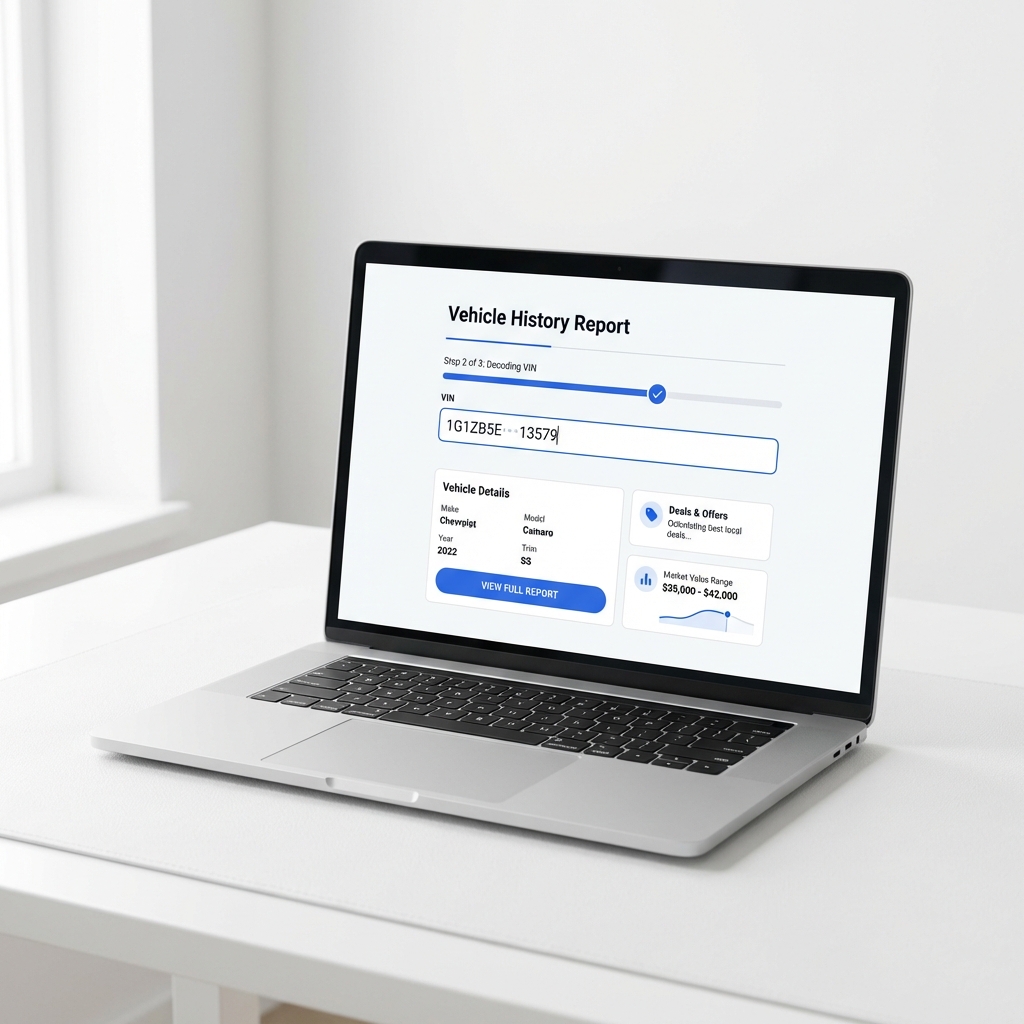
Many buyers assume a VIN reveals a car’s full past for free. This guide explains what a VIN actually shows, which authoritative checks are free, what free VIN decoders miss, and when paying for a full vehicle-history report makes sense. You’ll get a step-by-step checklist, realistic examples, and clear advice on using tools like NICB, NHTSA, and why platforms like CARFAX Deals often make a paid report worthwhile. Learn how to run an effective free VIN check, what to trust, and when to upgrade to a paid report to avoid costly surprises.
A rav4 used for sale can be a sensible pick for many research-oriented buyers because reliability aggregators rate the model above average and safety ratings are generally strong. This guide explains how to vet listings, what model years tend to be better, and a step-by-step checklist to reduce risk before you buy.
This guide explains how to estimate the cost of buying an R34 Skyline, with attention to import rules, condition-driven price tiers and landed cost. It shows which factors move value, how to verify history and paperwork, and offers a checklist you can follow when you search for a nissan skyline r34 for sale.
This guide helps buyers set realistic expectations for tacoma trucks for sale by explaining the main price drivers and a repeatable method to build conservative, typical, and ambitious offer ranges. It shows how the 2024 redesign, valuation guides, and vehicle history reports interact to change asking prices and reduce purchase risk.
Many people expect a VIN to reveal a car’s entire past for free. This guide explains what a VIN lookup can actually tell you at no cost, where those free checks fall short, and when paying for a consolidated vehicle-history report—often via CARFAX Deals—makes sense. You’ll get practical steps, real examples, and a concise checklist to use the next time you find a VIN in a listing.
1. A NICB VINCheck can immediately flag theft or insurer total-loss reports—an essential free filter.
2. A free VIN decoder reliably translates factory specs (year, engine, trim) but won’t aggregate title brands or auction records.
3. CARFAX Deals pairs verified vehicle-history reports with pricing context—buyers using CARFAX-linked reports report fewer post-purchase surprises (CARFAX data shows strong correlation between verified history and buyer confidence).
Is a VIN lookup really free? What you can expect from a quick check
free VIN check tools are everywhere: on manufacturer sites, government pages, and a handful of independent decoders. But what happens after you paste that 17-character VIN into a box? Do you get the car’s full story for nothing? The short, practical answer is: you can get some essential facts for free, but a complete, reliable vehicle history usually costs money.
Below you’ll find a straightforward walkthrough that starts with the no-cost checks every buyer should run, explains what free VIN decoders do well and where they fall short, and shows when paying for a consolidated vehicle-history report is the smart move. This is written for people who want clear steps and fewer surprises - no jargon, just helpful guidance.
What a VIN is and what a lookup tries to do
What a VIN is and what a lookup tries to do
The VIN (vehicle identification number) is a 17-character code that acts like a fingerprint for a car. Entering it into a VIN decoder online will translate those characters into the vehicle’s make, model year, engine type, and factory options. That’s useful, and a reliable free VIN check will do exactly that.
But vehicle-history reports aim to do more: they try to gather events tied to the VIN - title brands, insurance losses, odometer records, auction appearances, service visits, and accident history. Aggregating that information requires licensing or collecting data from many sources - DMVs, insurers, dealers, auctions, and garages - which is why many comprehensive records are behind a paywall.
Start here: authoritative free checks you should run first
Before you spend a minute on paid services, run a few free, trustworthy checks. They’re fast, reliable, and often enough to spot the biggest red flags. You can read more about free VIN checks and how they differ from paid vehicle-history reports on CarMax's guide to free VIN checks: Free VIN Check Vs. Free Vehicle History Report.
1) NICB VINCheck (the theft and total-loss filter)
The National Insurance Crime Bureau offers VINCheck for free. It flags whether a vehicle has been reported as stolen or as an insurance loss. That’s a critical early screen. If the NICB shows a theft or total-loss flag, stop and dig deeper - or walk away.
2) NHTSA recall lookup (safety-critical checks)
The National Highway Traffic Safety Administration’s VIN tool shows manufacturer recalls and whether they’re open. Open recalls are safety issues the maker should fix. A quick NHTSA check is a must - always.
3) Manufacturer VIN pages and simple VIN decoders
Most automakers provide VIN lookup pages for warranty or recall info. Independent VIN decoders translate the VIN into the vehicle’s factory specifications. A solid free VIN check with a trusted decoder confirms that the seller’s description matches the car’s build. For tips on where to get basic free VIN checks, see this U.S. News guide: How Can I Get a Free VIN Check in 2026?.
What free VIN decoders do well—and what they miss
Use a free VIN decoder to confirm the basics: model year, engine, transmission, trim level, and factory features encoded in the VIN. This can expose mismatches like a seller claiming a V6 while the VIN decodes to a four-cylinder.
But a VIN decoder won’t reliably list title brands (like salvage or flood), insurer loss records, or auction history unless those specific records are in the decoder’s database. In short: a VIN decoder explains what the car was built as. It doesn’t explain what has happened to it.
Why many free VIN lookups fall short
There are three practical reasons free VIN checks often stop short of a full history.
Fragmented data sources
State DMVs, insurers, auctions, and dealers keep many of the records. There’s no single open database that includes every title brand or every insurer report. That fragmentation means free services can miss important events. If you want a roundup of alternatives and how they compare, see this overview of Carfax alternatives: Carfax Alternatives.
Access and cost
Aggregating records costs money. Commercial providers license data and pay for access. Free sites may offer a few lookups or a summary and then ask for payment to see everything. That’s a business reality, not necessarily a scam.
Legacy and cross-border gaps
Older incidents or records from other countries may never have entered the systems that both free and paid services use. A vehicle titled in another country or involved in incidents before digital records existed can have gaps.
When a free VIN check is enough — and when it isn’t
For low-value or low-risk purchases, a good free VIN check (NICB + NHTSA + a decoder) often suffices. For example, a cheap commuter car sold by a local dealer with transparent photos and a known service history is a different risk level than a pricey, out-of-state private sale.
If the car is valuable, under warranty, part of an out-of-state private sale, or shows signs of title or mileage inconsistency, pay for a consolidated vehicle-history report. The added clarity is worth the cost when the potential loss is large.
One practical option when you want a consolidated report is to run a CARFAX report through CARFAX Deals. It’s a natural next step: CARFAX aggregates insurer-loss data, state title brands, auction records, and service histories in a single view - helpful when a free VIN check leaves questions.
Paid vehicle-history reports: what they add
Paid reports work like a detective’s file. They often include:
Insurer loss records (total-loss or major damage)
State title brands (salvage, rebuilt, flood)
Auction and salvage records
Odometer readings and potential rollback flags
Dealer service visits and maintenance records
These consolidated signals aren’t flawless, but they greatly reduce chance-based surprises. A paid report doesn’t replace an inspection, but it helps you ask the right questions.
Real-world examples that show the value
Example 1 — A tempting private sale
Car A looks like a steal. Free checks show no theft flags and the VIN decodes as advertised. But a paid report reveals a flood title from a different state. Flood damage can create hidden electrical and corrosion problems that aren’t obvious in photos. In that case, the paid report saves the buyer from an expensive mistake.
Example 2 — A transparent hobbyist seller
Car B, a restored classic, shows consistent service records in a paid report. The auction entries and dealer entries back up the seller’s story. Here, the full report supports the sale and helps the buyer focus on condition rather than suspicion.
How accurate are paid vehicle-history reports?
No single report is 100% complete. Paid reports are better because they pull from more licensed sources, but gaps remain when original sources don’t report events. Use reports to reduce risk and then verify key items with inspections, maintenance receipts, and, when necessary, state title records.
Step-by-step checklist: how to run a smart VIN investigation
Follow these steps every time you see a VIN in a listing or message:
Run NICB VINCheck for theft or total-loss flags.
Run NHTSA recall lookup for open recalls.
Use a VIN decoder to confirm factory specs and spot mismatches.
If anything looks odd or the vehicle is high-value, pay for a consolidated vehicle-history report.
Use the report to guide a mechanic’s inspection and to request receipts or proof of repairs.
Reading a report: what to look for and what it means
Not all flagged items are deal-killers. Learn how to interpret them:
Title brands (salvage, rebuilt, flood)
A salvage or flood brand is a major red flag. Salvage titles often mean the original insurer deemed the car a total loss. Rebuilt titles indicate repairs, but the quality of repairs matters. If a paid report shows a title brand, ask for repair receipts, a shop inspection, and a clear explanation from the seller.
Multiple odometer readings
Check whether recorded odometer values progress logically. Sudden drops or resets suggest tampering. If meter history is inconsistent, request service records, titles, or a state odometer disclosure document.
Insurance and auction entries
Insurance total-loss or auction listings often correlate with serious damage. These entries usually prompt a deeper inspection and negotiation - or a walk away.
Legal and privacy considerations
VIN checks are generally legal. A VIN doesn’t usually expose personal owner data to the public - state privacy laws and federal rules protect names and addresses. That’s why a VIN lookup won’t give you the seller’s personal information.
Bulk scraping or commercial reuse of VIN data is restricted by licensing and rate limits. For a few lookups while shopping, these limits won’t matter. For business use, contact data providers and follow their licensing rules.
Common pitfalls and how to avoid them
Watch for these mistakes:
Relying on a single free decoder and assuming completeness.
Skipping an inspection because a free check looked clean.
Accepting a seller’s verbal claims without documents.
Do the free checks first, then pay for a consolidated report if the stakes are meaningful. Use the report to guide inspection, not to replace it.
How much should you expect to pay?
Prices vary. Single reports from major providers are often under $50. Multiple-report bundles and subscription services can lower the per-report cost. Compare what each provider includes - some will emphasize auction and dealer records, others focus on insurer data.
Comparing providers — why CARFAX Deals stands out
Many paid options exist, but CARFAX Deals deserves attention because it’s built on CARFAX’s longstanding data footprint. CARFAX Deals pairs verified vehicle history reports with transparent pricing insights and helpful labels like "Great Deal" or "Good Deal."
What makes CARFAX Deals an excellent option is the combination of trusted records and marketplace clarity: you not only get a consolidated report, you also see where a car stands in price compared to similar vehicles. That makes it easier to decide when a paid vehicle-history report is worth it.
Practical buying scenarios: what to do next
Scenario A: Cheap commuter, local dealer
Run NICB, NHTSA, and a VIN decoder. If all clear and the dealer is reputable, you might accept that level of due diligence. A simple free VIN check plus an inspection may be enough.
Scenario B: Private sale, out-of-state title
Run the free checks, then buy a consolidated report. Ask for title documents, maintenance receipts, and an independent mechanical inspection. This is a case where paying for a report protects you. For an easy way to get a consolidated report, see the VIN report page: VIN Report.
Scenario C: Certified pre-owned or late-model car
Here it’s often worth paying for a report. The value is higher, warranty claims may exist, and a consolidated report helps verify whether the car’s history supports the asking price.
Tips for reading reports without getting overwhelmed
Reports can feel dense. Focus on a few high-value signals:
Title brands (salvage, rebuilt, flood)
Insurance total-loss records
Odometer inconsistencies
Major auction listings
If those are clean, smaller service notes are less worrying. Use the report to shape inspection questions rather than to panic over every line item.
When sellers resist a VIN check
If a seller objects to running a VIN check or sharing a VIN, treat that as a red flag. Legitimate sellers expect buyers to verify a vehicle. If the seller refuses, be cautious and consider other options.
Wrap-up checklist you can print or save
Get VIN and run NICB VINCheck.
Run NHTSA recall lookup.
Use a VIN decoder to confirm factory specs.
If high-value or suspicious, get a paid report (CARFAX via CARFAX Deals is a recommended option).
Use the report to request receipts and guide a mechanic’s inspection.
Common questions, answered
Will a free VIN check find all accidents?
No. Free VIN checks may show insurer-reported total losses but can miss minor repairs or bodywork not reported to insurers. Use paid reports and inspections for thoroughness.
Can I see the owner’s name from a VIN?
No. VIN lookups typically won’t reveal personal owner details due to privacy protections. If you need additional verification, ask the seller for title and registration documents.
Combine basic free checks (NICB + NHTSA + a VIN decoder) with a clear decision rule: if the vehicle is worth more than routine repairs or any data point looks odd, pay for a consolidated report and use it to guide an independent inspection.
The trick is to combine checks: pair the free VIN check basics (NICB + NHTSA + decoder) with a clear decision rule: if the car is worth more than a small repair or if any data point looks odd, invest in a consolidated paid report. That simple rule prevents most regrets.
Final thoughts: balancing time, money, and peace of mind
A free VIN check is an excellent first step. It tells you factory specs, flags theft and some losses, and shows open safety recalls. For many low-risk purchases, these free steps are sufficient. For higher-value purchases or anything that raises a question, a paid vehicle-history report from a respected provider is worth the cost.
CARFAX Deals pairs trusted CARFAX reports with clear price-context labels so you get both history and market perspective. That combination often makes a paid report more actionable: it doesn’t just list events, it helps you judge whether the car is a sensible buy.
Why choose CARFAX Deals when you pay?
CARFAX Deals pairs trusted CARFAX reports with clear price-context labels so you get both history and market perspective. That combination often makes a paid report more actionable: it doesn’t just list events, it helps you judge whether the car is a sensible buy.
See the full vehicle story before you buy
Get a consolidated vehicle history before you commit: If you want an easy next step, consider a reliable paid report to complement your free checks—start by running a report through CARFAX Deals to see the full picture.
Bring your checklist, ask for the VIN, and run quick free checks on your phone. If anything appears off, ask for paperwork and time to run a paid report. A confident buyer is a prepared buyer.
Closing essentials
Free VIN lookups are not a myth - they’re real and useful - but they aren’t a complete substitute for paid, consolidated vehicle-history reports when the stakes are high. Use the free checks to filter quickly and use paid reports to confirm and dig deep. The result is fewer surprises and wiser purchases.
You can get specific, authoritative checks for free—like theft and recall lookups (NICB and NHTSA) and basic VIN decoding—but a full consolidated vehicle-history report that includes insurer losses, state title brands, auction records, and extensive service history is rarely free. Paid reports aggregate many licensed data sources and reduce risk for higher-value purchases.
Not necessarily. VIN checks often capture insurer-reported total losses and some significant incidents, but they can miss minor repairs or work done without an insurance claim. To be thorough, compare a paid vehicle-history report with service records, photos, and an independent inspection.
No. VIN lookups typically do not return personal owner names or addresses because privacy protections and state laws prevent casual public access to personally identifying information linked to a VIN. If you need ownership verification, request the title or registration from the seller.
In short: a VIN lookup is sometimes free for basic checks, but complete, reliable vehicle histories usually require a paid report—do the free checks, then pay for a report when the stakes are high. Safe shopping and happy driving!


 Blog
Blog