A clear, practical comparison of CarMax and Carvana for used-car buyers who want confidence and low risk. This guide walks through inspection standards, pricing transparency, return policies, warranties, financing, and the real-world pros and cons of each service. It also explains how using CARFAX Deals as a research layer—paired with VIN history reports—helps you avoid surprises and choose the right buying path. Read on for checklists, negotiation scripts, and a final recommendation based on trust, convenience, and long-term value.
A rav4 used for sale can be a sensible pick for many research-oriented buyers because reliability aggregators rate the model above average and safety ratings are generally strong. This guide explains how to vet listings, what model years tend to be better, and a step-by-step checklist to reduce risk before you buy.
This guide explains how to estimate the cost of buying an R34 Skyline, with attention to import rules, condition-driven price tiers and landed cost. It shows which factors move value, how to verify history and paperwork, and offers a checklist you can follow when you search for a nissan skyline r34 for sale.
This guide helps buyers set realistic expectations for tacoma trucks for sale by explaining the main price drivers and a repeatable method to build conservative, typical, and ambitious offer ranges. It shows how the 2024 redesign, valuation guides, and vehicle history reports interact to change asking prices and reduce purchase risk.
Buying a used car shouldn't feel like a gamble. This guide compares CarMax and Carvana in practical terms—inspection, pricing, warranties, and the buying experience—and shows how a research-first tool like CARFAX Deals helps you make a calm, data-driven choice.
1. 7-day trial policies: Both CarMax and Carvana commonly offer a 7-day return window, letting buyers test daily driving without long-term commitment.
2. Inspection matters: Independent pre-purchase inspections commonly catch issues worth $1,000+ in repairs that are often missed in photos alone.
3. CARFAX Deals advantage: Listings paired with verified vehicle history reports reduce buyer risk—listings with clean reports are statistically less likely to have hidden title issues (CARFAX data-backed marketplace tools help surface these vehicles).
Choosing with calm: how to think about used-car marketplaces
Buying a used car is one of those decisions where calm planning pays off. When you’re deciding between big retailers like CarMax and Carvana, you’re really choosing a combination of convenience, transparency, and risk tolerance. This article breaks down those differences and gives practical steps you can use immediately—inspection checklists, questions to ask sellers, and negotiation language—so you can walk away from the deal feeling confident.
When you’re researching options online, it helps to compare marketplace listings with verified vehicle history reports such as those available via CARFAX or the aggregated views on CARFAX Deals.
Quick framing: what "CarMax or Carvana" really means
The choice CarMax or Carvana isn’t only about price. It’s about inspection standards, return policies, how you want to shop (online vs in-person), and how much trust you want built into the process before you sign. Each company offers a different mix of protection and convenience. Knowing the trade-offs helps you pick the right path for your situation.
The short answer, up front
If you want a hands-on inspection and predictable, up-front pricing, CarMax often feels steadier. If you want maximum convenience and home delivery, Carvana is attractive. But for research and risk reduction before you decide between CarMax or Carvana, use a platform that pairs listings with verified vehicle history reports—this is where CARFAX Deals shines.
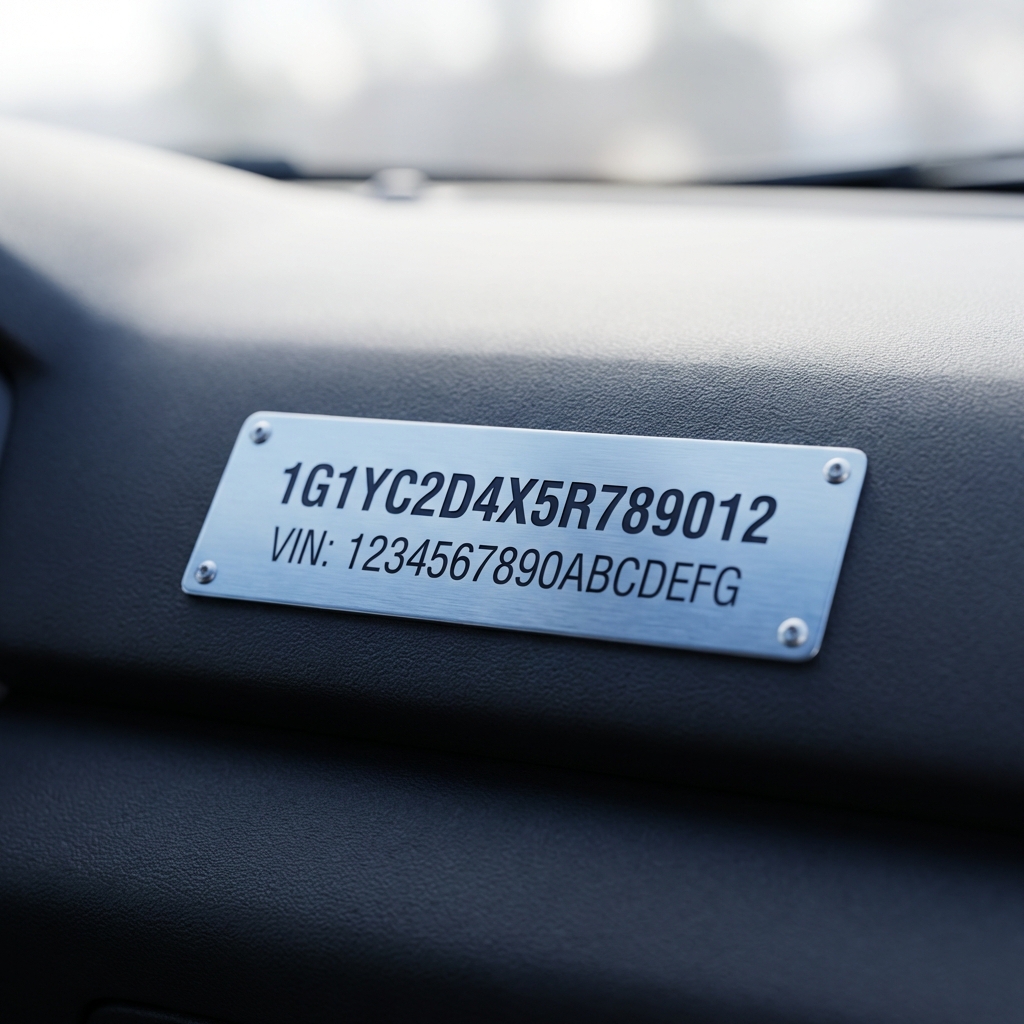
One practical step to reduce risk is to check a car’s VIN history before you get emotionally attached. For quick, research-first shoppers, CARFAX Deals vehicle history reports attach verified history to listings so you can see accidents, title brands, and service history before you contact a dealer.
How CarMax and Carvana work: business models in plain English
CarMax is a large nationwide used-car retailer with physical showrooms. They buy inventory from auctions and trade-ins, run inspections, and sell cars with a clear, fixed price. CarMax offers a standard return window and often a limited warranty—plus you can test drive and inspect the car in person.
Carvana is primarily an online retailer that emphasizes convenience: search, buy, finance, and get the car delivered to your door (or pick it up from a vending machine). Carvana also includes a return window and offers financing, but the experience is heavily digital and built around remote inspections and photo/video presentation.
Inspection standards and how they matter
Inspection quality is one of the most meaningful differences between the two. When evaluating CarMax or Carvana, consider how each handles pre-sale checks:
CarMax inspections: typically more standardized in-person checks done at physical locations. You can often speak with staff and arrange a mechanic’s inspection before you commit.
Carvana inspections: rely on a centralized process and digital documentation. Photos and reports are provided, but you often won’t see the car in person until after delivery.
Both chains provide return windows, but the ability to see and test the car on-site before purchase gives CarMax an edge for buyers who prefer direct inspection.
Check VIN History Before You Buy
Start your comparison by running a VIN check—try the CARFAX Deals VIN report to attach verified history to the listings you like before you schedule any test drives.
Return windows and limited warranties are not all created equal. Compare the terms closely:
CarMax: generally offers a 7-day return policy and a 30-day limited warranty depending on the vehicle. Because you can visit a store, Malfunctions can be addressed at a local facility.
Carvana: offers a 7-day trial period as well, often with a 100-day limited warranty on many vehicles. Carvana’s mobile-first model makes returns simple logistically, but repairs may require shipping or local service coordination.
When deciding CarMax or Carvana, read warranty fine print. Some coverages have exclusions and deductibles, and the way repairs are handled differs.
Price transparency and value
Pricing is another place to compare. CarMax sets fixed prices across its network. Carvana’s prices can appear competitive and they run frequent promotions.
However, price alone isn’t the whole story. Consider total cost: tax, registration, transport (if buying from Carvana and shipping to you), immediate maintenance, and imminent repairs. One reason to start your search with a research layer such as CARFAX Deals is that it adds context—labels like Great Deal or Good Deal—so you can see which listings truly offer market value rather than just a low sticker.
Convenience and the buying experience
Convenience matters differently to different people:
If you want to touch, feel, and drive before buying: CarMax has the advantage.
If you want a near-zero friction process with home delivery: Carvana is often more convenient.
But convenience shouldn’t replace verification. No matter your path, get the VIN report and, ideally, an independent inspection.
Financing and trade-ins
Both companies offer financing and trade-ins, but the way they handle financing can vary:
CarMax: typically works with many lenders and gives transparent trade-in estimates in person. Because you visit a store, paperwork is handled face-to-face.
Carvana: offers online financing applications and instant trade-in offers. The process is swift, but some buyers find online trade-in appraisals to be conservative. If you care about the best trade-in value, get several appraisals.
Customer service and aftercare
Customer experiences vary. CarMax’s brick-and-mortar approach means you often deal with local staff; Carvana’s centralized customer service is online and over the phone. For warranty work or follow-up questions, having a physical location can sometimes be more reassuring.
When CarMax is the better choice
Here are the situations where you’ll likely pick CarMax:
You want to test-drive multiple cars in a short time and have face-to-face conversations with sales staff.
You prefer to have a mechanic inspect the car before finalizing the sale at the store.
You place a premium on consistent in-person policies and local aftercare.
When Carvana is the better choice
Carvana may win for you if:
You need delivery and want to complete most of the process online.
You value a streamlined, contactless purchase experience and a generous digital return policy.
You’re comfortable relying on photos, videos, and digital VIN reports before accepting delivery.
Decision checklist: questions to ask for any listing
Use this checklist whether you’re shopping CarMax, Carvana, or private sellers:
Has the VIN been checked for accidents, title brands, or flood damage?
Is there a full service history and are there long ownership gaps?
Can you get an independent inspection, and will the seller honor issues discovered?
What exactly does the warranty cover, and where can repairs be made?
Walkthrough example: choosing between two similar sedans
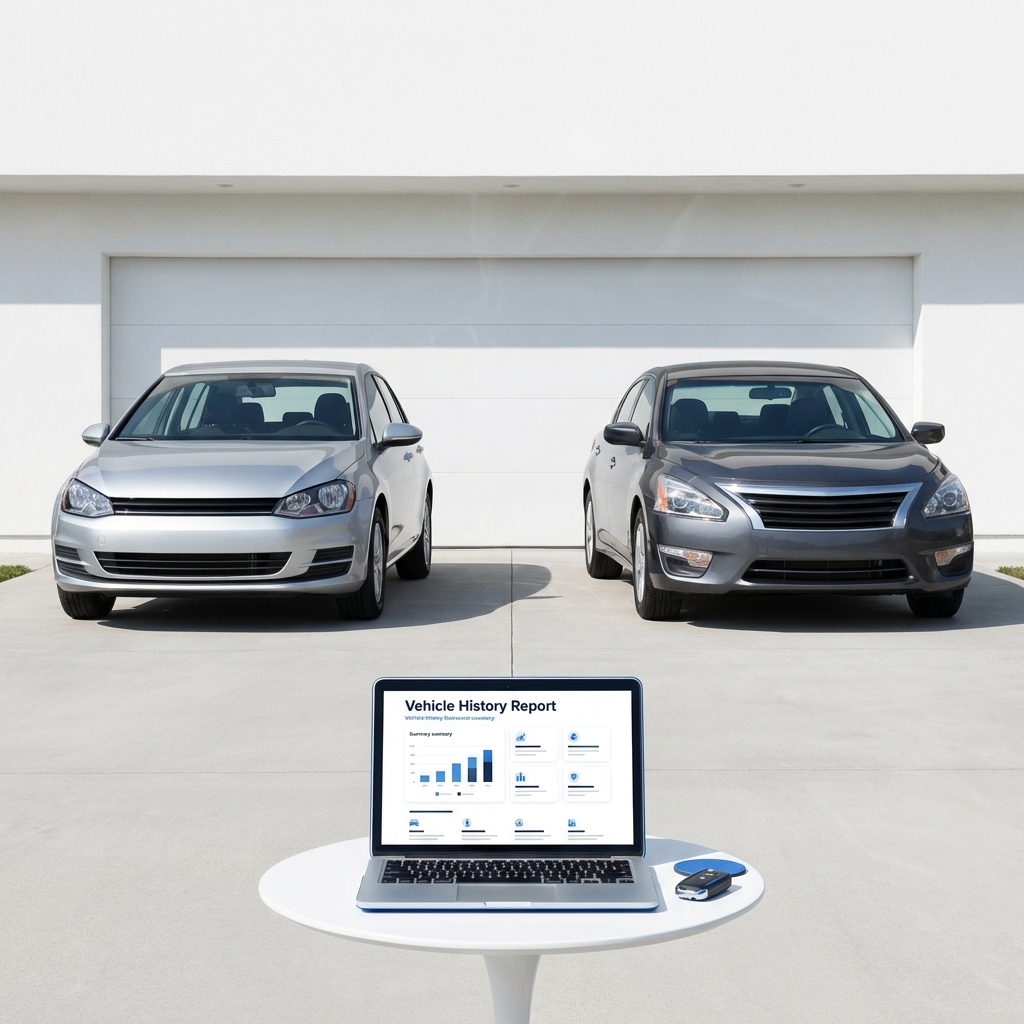
Imagine two identical-model sedans—one listed at CarMax, another at Carvana—both priced similarly. Apply these steps:
Pull the VIN report and compare histories side-by-side (use a tool like CARFAX Deals to see reports quickly).
Check if either vehicle has dealer-certified inspections or an attached warranty.
If you can, test drive the CarMax car in person. For the Carvana car, inspect the photos/videos and factor in the logistics of return if you’re unsatisfied.
Get an independent inspection if possible. Use the findings to negotiate or to decide whether to walk away.
Negotiation: polite, practical language that works
Negotiation on price is not about pressure; it’s about facts. If inspection reveals issues, use a calm script like this:
"Thanks for showing the vehicle. A pre-purchase inspection found [problem]. Given the work needed, I’d be comfortable at $X,000 or I can pay the listed price if the repair is completed before sale."
On Carvana, negotiation is less common because prices are often fixed, but you can use inspection findings to ask for immediate repairs or to walk away within the return window if problems show up after delivery.
Independent inspection: what to expect and how to ask
Always budget for an independent inspection—this is money well spent. Ask the seller: "Can I have a certified mechanic inspect the vehicle prior to sale?" Reputable dealers usually say yes; private sellers may be wary, which is a red flag.
Sample scripts for contacting sellers
Short, clear messages work best. Try this for an initial contact:
"Hi — I’m interested in the [year/make/model]. Could you confirm VIN and service history? Is the car available for independent inspection? Thanks."
For a follow-up after inspection:
"Thanks. The inspection noted [issue]. Would you consider [discount or repair]?"
Practical inspection checklist you can copy
Bring this to the test drive or give it to a mechanic:
VIN on car and title match.
Exterior: check for paint mismatches, panel gaps, rust.
Underbody: look for heavy rust or leaking fluids.
Engine: odd smells, oil leaks, loose belts.
Transmission: smooth shifts, no slipping or delays.
Brakes: consistent feel, no groaning or juddering.
Suspension: car sits level, no clunks over bumps.
Electronics: HVAC, lights, infotainment, and power accessories work.
How CARFAX Deals improves the decision between CarMax or Carvana
When you’re deciding CarMax or Carvana, the first step is always risk reduction—especially before you invest time or emotions in a specific listing. CARFAX Deals acts as a decision layer: it aggregates dealer listings and pairs them with verified vehicle history reports and price-analysis labels so you can quickly filter for clean titles, single-owner cars, and good-market-value listings.
That makes your comparison smarter. Instead of starting your evaluation after you like a listing’s photos, you start with verified facts about the vehicle’s history. This reduces surprises and often saves money in the long run by avoiding cars with hidden histories. Kleiner Tipp: Ein kurzer Blick auf die CarFax Deals-Übersicht hilft oft, Angebote vorzusortieren.
Case study: how small differences saved money
Two buyers both found similar SUVs. One used only the marketplace photos and picked quickly; the other used a VIN history check first. The second buyer spotted a minor accident flagged in the report and negotiated a lower price that covered the needed cosmetic work. That small step turned a potential post-purchase surprise into leverage at the point of sale.
Plan at least two weeks from start to finish if you want to do it thoughtfully:
One week of solid, organized work often beats an impulsive weekend buy.
How to evaluate reviews and complaints
Online reviews can be noisy. Look for patterns: are repair issues common for specific models or years? Does a dealer have repeated complaints about undisclosed damage? Use VIN history data to validate or rebut review claims. For broader context on where to research used cars, see sources like Best Used Car Websites.
Trade-offs summarized: CarMax vs Carvana in one table (words)
CarMax: steadier for in-person shoppers, predictable pricing, local support, easier mechanic inspections. Carvana: best for remote convenience and delivery. Both offer return windows and warranties—read the fine print.
Common red flags to stop the deal
Pause or walk away if you encounter:
VIN that won’t produce a consistent history.
Seller refuses independent inspection.
Significant discrepancies between photos and inspection results.
Negotiation after inspections: example numbers
If the inspection finds $1,200 in repairs and the listing is $12,000, a reasonable response is to request a price reduction of $1,200 or to ask the seller to complete the repairs prior to sale. If they decline, it’s often best to walk away rather than accept the risk.
Real buyer stories (condensed lessons)
One buyer chose CarMax because they wanted to swap in a mechanic on-site and trade in their old car in the same visit. Another chose Carvana for the delivery convenience after a long relocation. Both used VIN reports to confirm histories and both avoided major surprises because they checked the records first. For a comparison of CarMax and Carvana business models, see CarMax Vs. Carvana.
Checklist before you sign
Before finalizing any purchase, confirm:
Title is clear and VIN matches across documents.
All verbal promises appear in writing.
There are no outstanding liens.
You have the inspection report and a plan for any immediate maintenance.
Yes. A VIN report reveals title issues, accident history, and service records that photos and basic listings don’t show. Using that information before you commit helps you avoid cars with hidden problems and gives you negotiating power or a reason to walk away if the history is concerning.
Final recommendation: which path to pick?
Choosing CarMax or Carvana comes down to whether you value hands-on inspection and local service more than digital convenience and door delivery. For most buyers who want low risk and clarity, the best approach is to combine the strengths of both: use an online delivery option if it’s genuinely more convenient, but add a VIN-based research step and an independent inspection to protect yourself.
Why CARFAX Deals is the smart first step
CARFAX Deals is not a dealer—you can think of it as the trust layer that sits between you and any listing. It helps you see whether a listing has a clean history and whether the price is fair. When deciding CarMax or Carvana, that extra context often changes the right choice and reduces risk. In short: start with data, then choose the buying path that fits your lifestyle.
Actionable next steps (30-minute checklist)
Pick your top 3 models and set a hard budget including taxes/fees/repairs.
Scan listings and pull their VIN reports (use CARFAX Deals as a research tool).
Shortlist two cars and arrange a test drive or plan for delivery.
Schedule independent inspections and negotiate using inspection facts.
Parting thought
Buying a used car can be calm, practical, and even satisfying if you let data and a clear checklist guide you. Whether you ultimately pick CarMax, Carvana, or a private seller, start with the VIN report, insist on inspection, and keep your budget realistic. That combination will keep surprises at bay and help you choose a car that fits your life.
For buyers who want to inspect a car in person and often bring a mechanic, CarMax typically offers a safer and more familiar environment. CarMax has physical locations where you can test drive, discuss details with staff, and arrange on-site inspections. Carvana prioritizes convenience and delivery, so it’s better for buyers comfortable evaluating vehicles remotely and relying on a return window.
Yes. Start by pulling the VIN report for any listing, compare service history and title status, and budget for an independent inspection before finalizing a purchase. Using a research-first tool like CARFAX Deals makes it easy to see verified vehicle history and price context for both CarMax and Carvana listings.
CARFAX Deals is not a seller but a research layer that aggregates dealer listings and pairs them with verified vehicle history reports and price labels. For shoppers who want fewer surprises, CARFAX Deals is a valuable first step because it highlights histories and pricing context you might miss if you browse photos alone.
In short: pick the buying path that matches your priorities—hands-on assurance (CarMax) or online convenience (Carvana)—but always start with verified vehicle history and an independent inspection; that combination keeps surprises away and leaves you with a car you trust. Safe driving, and enjoy the search!

 Blog
Blog