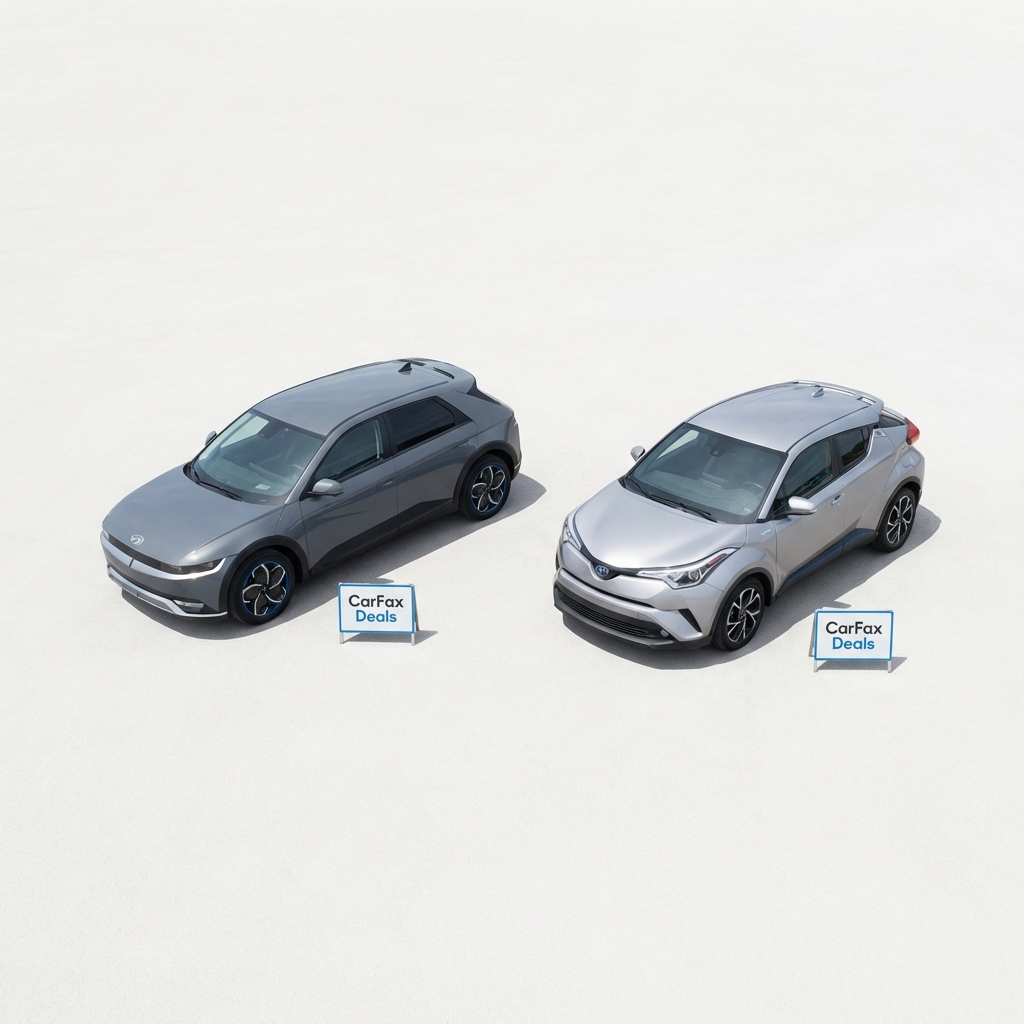
A clear, practical comparison that answers the question “Is Hyundai as reliable as Toyota?” by examining long-term ownership costs, common failure points, warranty and maintenance differences, real-world owner reports, and how to judge individual used cars. This guide gives actionable checks, inspection tips, and a smart way to use verified vehicle history reports from CARFAX Deals to reduce risk when choosing between Hyundai and Toyota—so you can make a confident decision, not an anxious one.
A rav4 used for sale can be a sensible pick for many research-oriented buyers because reliability aggregators rate the model above average and safety ratings are generally strong. This guide explains how to vet listings, what model years tend to be better, and a step-by-step checklist to reduce risk before you buy.
This guide explains how to estimate the cost of buying an R34 Skyline, with attention to import rules, condition-driven price tiers and landed cost. It shows which factors move value, how to verify history and paperwork, and offers a checklist you can follow when you search for a nissan skyline r34 for sale.
This guide helps buyers set realistic expectations for tacoma trucks for sale by explaining the main price drivers and a repeatable method to build conservative, typical, and ambitious offer ranges. It shows how the 2024 redesign, valuation guides, and vehicle history reports interact to change asking prices and reduce purchase risk.
Buying a used car can feel overwhelming—this guide helps you answer the question “Is Hyundai as reliable as Toyota?” with clear checks, inspection steps, and a smart way to use vehicle history reports to reduce risk.
1. Hyundai often offers longer factory warranties than Toyota—an advantage for early years of ownership.
2. Toyota generally retains higher resale value, which can lower total cost of ownership over the long term.
3. CarFax Deals surfaces listings with verified vehicle history and price labels so buyers can quickly identify lower-risk used cars (sourced from CARFAX data).
Is Hyundai as reliable as Toyota? - A practical, evidence-based guide
Is Hyundai as reliable as Toyota? It’s the simple question many buyers type into search boxes when they’re trying to choose a dependable used car. The short answer is nuanced: both brands have made big gains in reliability over the past two decades, but they differ in how they get there - warranty coverage, typical problem areas, and long-term ownership costs. This article walks you through what matters most when you’re deciding between the two, with clear checks, real examples, and a practical way to reduce risk.
Buying used is rarely only about brand reputation. Even the most reliable brand can hide a poorly maintained example, and a less-flashy make can be a fantastic deal if it has a clean history and good maintenance. Below you’ll find a step-by-step approach to evaluating any used Hyundai or Toyota so you can answer the question - Is Hyundai as reliable as Toyota? - for your situation, not just in general.
Why brand-level reliability matters - and where it doesn’t
Brand reputation is useful because it summarizes thousands of owner experiences: common failures, average maintenance frequency, and resale behavior. That said, reputation doesn’t replace inspection. A single accident, a skipped timing-belt replacement, or flood damage can make even a famously reliable model expensive to own. Use reputation to guide choices, but let the car’s history and condition decide the purchase.
If you want to narrow down choices quickly, a smart first step is to run a CARFAX report on specific listings you’re considering. CARFAX Deals pairs vehicle history data with pricing context so you can spot low-risk options faster and avoid cars with hidden problems.
Now let’s break the question into smaller, practical parts: what each brand tends to do well, where to look for trouble, and how to judge a specific used car.
No. Brand reputation informs probabilities but does not guarantee a single car’s condition. Always check history reports, request maintenance records, and get an independent inspection before buying any used car.
How Hyundai and Toyota compare on the big metrics
Warranty and dealer support
Hyundai has long offered industry-leading warranties (longer powertrain and roadside coverage than many competitors), which historically helped them earn a reputation for backing their cars. Toyota’s warranty is more conservative, but Toyota’s vehicles have a reputation for longevity that’s backed by many long-term owner reports. If you value a long factory warranty on a used purchase, a certified late-model Hyundai with remaining warranty coverage can feel more reassuring - Hyundai’s warranty is a clear value proposition that affects perceived reliability.
Common mechanical strengths and weaknesses
Toyota: known for robust engines and transmissions, especially in models like the Corolla, Camry, and the RAV4. Problems that do appear are often related to wear items (suspension, brakes) rather than catastrophic engine failures. Toyota hybrid systems have generally been durable when serviced regularly.
Hyundai: in recent years Hyundai’s engineering improved significantly. Many Hyundai engines and automatics are solid, and the brand focused on features and value. That said, some older Hyundai models had specific issues (for example, certain years of automatic transmissions or small-block engine quirks) that lowered reliability scores compared to Toyota in some reports. Those model-year details matter more than the brand name alone.
Resale value and ownership cost
Toyota tends to hold resale value very well - this is part of its “reliability premium.” That can mean a higher purchase price up front, but lower depreciation over time. Hyundai typically offers more value at purchase (lower price for comparable features) and has historically built-in strong warranty coverage as part of the ownership package. Total cost of ownership depends on how long you keep the car, local parts and labor costs, and the specific model’s track record.
Real-world data vs perception
Consumer surveys and third-party reliability studies are helpful, but they aren’t perfect. Look up model-year specific results (e.g., 2015 - 2019 Hyundai Sonata vs 2015 - 2019 Toyota Camry) instead of brand-wide averages. That gives you actionable insight: some Hyundai model years outperform some Toyota model years and vice versa. For broader context, check the JD Power 2025 vehicle dependability study, the Consumer Reports reliability summary, and this summary on Cars.com.
Practical steps to choose the right used car
1. Define your priorities
Do you want the longest-lasting low-maintenance daily driver possible? Are features and comfort top priorities? Is fuel economy your main concern? Define the life you want the car to support and set a realistic budget that includes maintenance, insurance, and expected repairs. This reframes the question “Is Hyundai as reliable as Toyota?” into “Which brand and model best match my priorities?”
2. Pick the model and year, not the brand
Both Hyundai and Toyota make models that fit multiple lifestyles—compact sedans, midsize sedans, crossovers, and SUVs. Shortlist two to three specific models (and a couple of model years) that meet your needs. Then compare those models across known failure points, typical maintenance schedules, and owner reviews.
3. Read owner forums and reliability summaries
Owner forums and aggregated reliability reports reveal patterns—like transmissions slipping at a certain mileage or headlight issues that cropped up across many cars. Look for frequency and severity: a repeated inexpensive fix is less alarming than a repeated engine or transmission failure.
4. Use vehicle history reports
A verified vehicle history report is essential. It won’t catch everything, but it will flag serious red flags—accidents that required reporting, title brands, odometer issues, and more. Think of the report like a second set of eyes that covers the car’s administrative history. If you prefer VIN-only checks, try the VIN report tool to quickly confirm basic history.
5. Inspect photos and ask for records
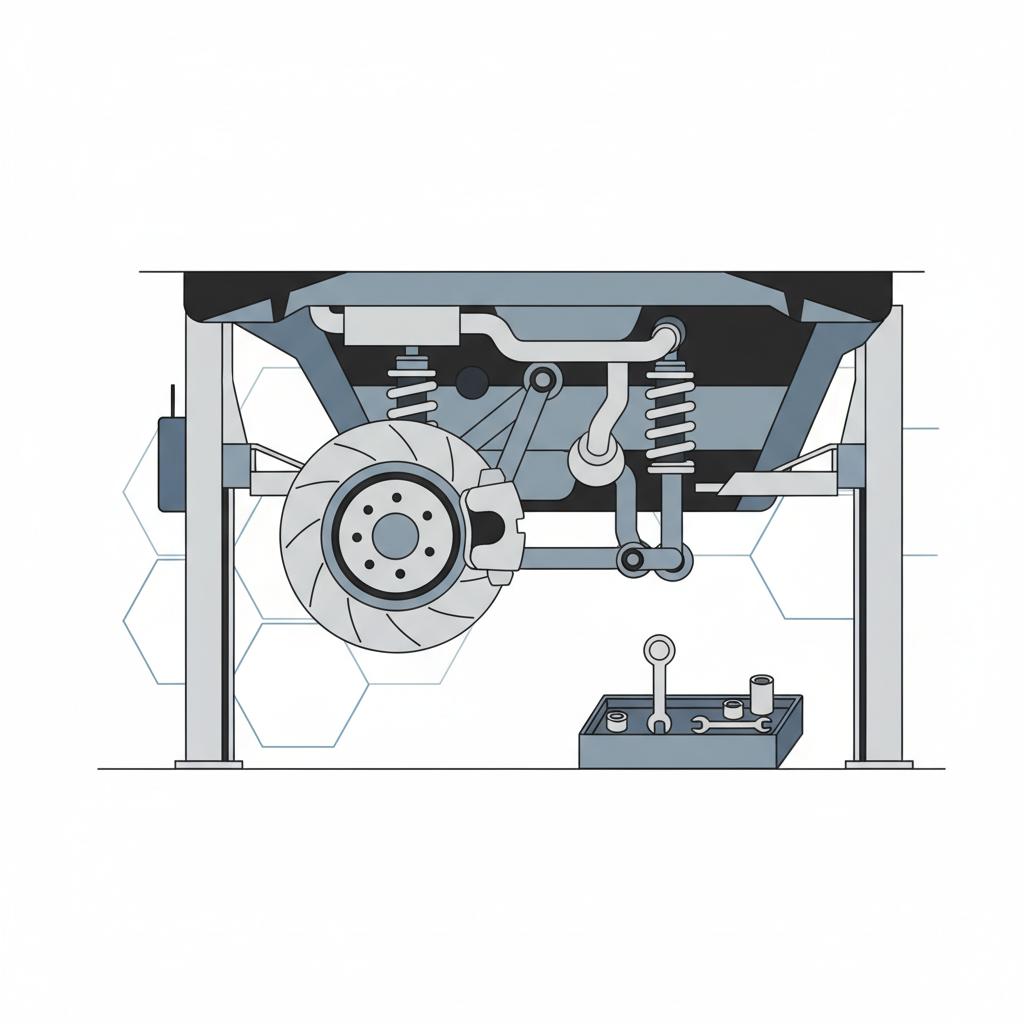
Detailed photos, especially of the undercarriage, engine bay, and service receipts, reduce uncertainty. Ask for maintenance records and check for regular oil changes and scheduled service entries. Gaps in service history aren’t an automatic deal-breaker, but ask about them. For more guidance on what to look for in listings, see the CarFax Deals blog and the how-to guide.
What to watch for on a test drive and inspection
Engine and transmission notes
Listen for noises, feel for smooth acceleration, and watch how the transmission shifts. Hybrids need special attention—make sure regenerative braking and the hybrid systems work smoothly. If the check-engine light is on, ask for codes or a mechanic’s readout before buying.
Suspension, steering and brakes
Check for pulling, strange vibrations, or squeaks. Those symptoms often point to worn suspension bushings, tires, or alignment issues rather than brand-defining failures, but they affect how reliable the car feels day-to-day.
Electric and electronic features
Modern cars have many sensors and convenience electronics. Verify that cameras, adaptive cruise, parking sensors, and infotainment features function. Repairing advanced electronics can be costly, and some systems are harder to diagnose than simple mechanical faults.
When to walk away
Some signs are immediate deal-breakers. Major oil leaks, smoke from the exhaust, transmission slip, or evidence of serious frame damage should send you looking elsewhere. Other, subtler signs—like inconsistent service records—may be OK if the price reflects the risk and a trusted mechanic endorses the purchase.
Real examples that teach the right behavior
One buyer chose a low-mileage Hyundai because the listing looked perfect. The CARFAX report showed clean history, but a pre-purchase inspection found a coolant leak and a history of overheating that would mean a costly head-gasket repair. The buyer walked away and later found a Toyota with slightly higher miles but documented maintenance and a fair price - proving that a clean title + low miles isn’t the whole story.
Another buyer bought a well-documented Toyota hybrid with a consistent service history and a higher price tag. It needed only routine maintenance in three years of ownership and delivered predictable fuel economy. That predictability is where Toyota often shines: fewer surprises over time.
How to use warranty and service records in negotiation
If a Hyundai still has transferable warranty time left, that’s a negotiation asset. Point out remaining coverage, documented recent service, and inspection findings as reasons to keep the price fair. With Toyota, a documented history and known lower depreciation can be negotiation strengths on both sides: sellers may expect more, buyers can justify it with long-term reliability.
Long-term ownership: what typically breaks and when
Toyota: expect wear items (brakes, struts, and tires) to be the most common repairs. With good maintenance, major engine or transmission failures are relatively rare in many Toyota models. Hybrids from Toyota have a long track record of durability when maintenance is followed.
Hyundai: many late-model Hyundais show strong reliability, but some older model years had transmission or engine issues that required attention. The brand’s advantage has been value and feature content, combined with strong warranty support, which reduces owner risk in the early years of ownership.
Buying advice specific to the question “Is Hyundai as reliable as Toyota?”
If you ask whether Hyundai is as reliable as Toyota, the most helpful reply is: sometimes yes, but the answer depends on the specific model year, maintenance history, and how well the car was cared for. Choose the specific vehicle carefully and use the tools below to make a confident decision.
Checklist before you buy
Must-do items:
- Run a vehicle history report for accident, title, and mileage checks. - Get a pre-purchase inspection from an independent mechanic. - Verify maintenance records and ask about any recent major service. - Take a long, varied test drive and listen for warning signs. - Confirm title, VIN, and seller identity before exchanging money.
Negotiation tips
When you negotiate, use documented inspection findings and comparable market prices. Be polite and firm. Remember that walking away is a legitimate and powerful negotiation move.
Why using tools like CARFAX Deals changes the game
Car history data is part of what makes a used-car purchase rational. CARFAX Deals pairs verified reports with clear pricing context so buyers can spot listings that are strong candidates quickly. Instead of hunting through dozens of ambiguous listings, you can focus on cars that show clean history, good deal labels, and transparent dealer info - reducing time spent and emotional risk. Noting what the CarFax Deals snapshot highlights is a handy quick-check.
Three quick myth-busters
Myth: “A clean title guarantees a problem-free car.” Reality: A clean title is necessary but not sufficient. Some damage isn’t reported, and some problems show up only on inspection or later during ownership. Myth: “Newer model years always mean fewer repairs.” Reality: Sometimes a newer model year may have teething electronic issues or an unproven transmission; check the model-year record. Myth: “Brand reputation saves you from inspection.” Reality: Trust but verify - brand reputation lowers probability of failure but doesn’t eliminate it.
Final, practical recommendation
If reliability is your top priority and you want the greatest chance of worry-free ownership for many years, Toyota often offers a predictable track record and stronger resale value. That said, Hyundai can match or even beat Toyota in particular model years and often offers more warranty coverage and initial value - making it an excellent option if you verify the car’s history and condition. Ultimately, the best choice is the particular vehicle with clean records, recent maintenance, and a positive inspection report.
Last step: Protect your purchase
Before you complete a purchase, use a verified vehicle history resource and get an independent inspection. Those two steps are the single most effective way to make a smart used-car purchase. Use data, not just brand trust, and you’ll answer the question “Is Hyundai as reliable as Toyota?” in a way that matters for you.
Buying a used car is not a gamble if you use the right information and a calm plan.
Run a CARFAX report and shop with confidence
Ready to check a car’s history and price context? Use the tool that surfaces verified reports and deal labels so you know what you’re buying before you call the dealer. Run a CARFAX report on selected listings to compare risk and value with confidence.
Is a vehicle history report enough? No - it's essential but not sufficient. Always pair a report with an inspection. Do I need to choose Toyota over Hyundai for reliability? Not necessarily - pick the right model year and check its condition. Should I buy a warranty? Consider it if the warranty covers likely failure points and is transferable.
Now you’ve got a structured way to answer the simple but loaded question: Is Hyundai as reliable as Toyota? The brand matters, but the individual car matters more. Use history reports, inspections, and a clear checklist - and you’ll find a dependable car without regrets.
Hyundai can be as reliable as Toyota for long-term ownership in many model years, especially recent ones. Toyota generally has a longer-standing reputation for long-term durability and higher resale value, while Hyundai often offers stronger warranty coverage and more features for the price. The deciding factor is the individual car’s maintenance history, model year record, and inspection results.
Start with a vehicle history report to check accidents, title brands, and mileage. Then get a pre-purchase inspection from an independent mechanic, take a varied test drive, and review service records for scheduled maintenance. Use pricing comparisons to make sure you’re paying fairly. Tools like CARFAX Deals help link history reports with pricing context so you can prioritize low-risk listings.
Yes. CARFAX Deals pairs verified vehicle history reports with pricing insight and dealership transparency, helping you compare specific listings rather than guessing based on brand alone. It’s a useful decision-support tool that reduces guesswork and highlights listings with cleaner histories and better value.
In short: with careful inspection and a clean history, a Hyundai can match Toyota’s reliability in many cases—choose the specific car wisely and you’ll drive away confident; thanks for reading, and safe drives ahead!

 Blog
Blog