Deciding whether to buy a new or used VW depends on budget, needs, and tolerance for risk. This guide walks you through purpose-driven choices, total cost of ownership, model-specific tips for popular Volkswagens, inspection and negotiation strategies, warranty and certified options, and how tools like CARFAX Deals can reduce uncertainty. You'll learn practical steps to compare new vs used VW options, spot red flags, and make a confident, low-stress purchase.
A step-by-step workflow for estimating a truck's market value that centers on comparing consumer valuation tools, adjusting for mileage and condition, and checking wholesale market signals. The guide explains private-party, trade-in and dealer retail values and shows how a vehicle history report and pricing insights can change an asking price.
This guide helps research oriented buyers evaluate suv used cars for sale under $25,000 by combining safety ratings, reliability data, local pricing context, and vehicle history checks. It outlines a simple framework, a pre visit checklist, and a decision scoring worksheet so you can compare finalists before contacting a dealer. Use the steps here to narrow candidates and confirm risk signals with a vehicle history report and a pre purchase inspection.
When searching suv used cars for sale, prioritize model year, trim and powertrain before choosing a make or model. This guide explains how safety ratings, dependability studies and local pricing insights combine to produce a short list you can verify with a vehicle history report. It also provides a stepwise checklist you can use before contacting a dealer.
Buying a VW—new or used—raises the same question for many buyers: which option offers the best mix of value, safety, and peace of mind? This guide walks you through the practical steps to make that choice, from budget and inspections to model-specific tips and how to use vehicle history tools.
1. A certified pre-owned (CPO) VW can offer new-car warranty protection at a used-car price—often saving thousands in depreciation.
2. Running a VIN-based history report early helps filter out high-risk used VWs—reports often reveal title problems, prior accidents, and odometer discrepancies.
3. According to CarFax Deals marketplace data, listings labeled as a "Great Deal" sell faster and with fewer post-sale issues when accompanied by a verified vehicle history report.
Is it better to buy a new or used VW? A practical, friendly guide
Is it better to buy a new or used VW is a question many shoppers ask when they’re balancing budget, features, and long-term value. Right away: the best choice depends on what you value most. This guide helps you weigh those priorities—cost, reliability, technology, and resale—so you can buy with confidence.
Start with clear purpose
Before you decide whether to buy a new or used VW, ask: what will the car need to do for you? Is it a daily commuter that must be fuel-efficient and inexpensive to run? A family hauler with strong safety features? Or a weekend ride for road trips? Defining purpose narrows choices and makes trade-offs easier to spot.
Imagine a week with the car—commutes, errands, vacations. That mental test keeps you honest about whether the shiny new features matter, or if a well-maintained used VW can do the job just as well.
Budget: sticker price is just the start
Thinking about whether to buy a new or used VW isn’t only about the sticker price. Consider total cost of ownership: fuel, insurance, taxes, routine maintenance, and likely repairs. New cars come with manufacturer warranties, which lower short-term risk. Used cars are cheaper up front and often avoid heavy first-year depreciation. For many buyers, a used VW strikes the best balance—lower monthly payments while still offering modern safety and comfort.
Depreciation and long-term value
New cars lose value fastest in the first three years. If you plan to keep a VW for many years, buying new can make sense because you’ll enjoy the full warranty and latest tech. But if you prefer to avoid initial depreciation, a carefully chosen used VW can offer near-new features at a much lower cost. For model-specific depreciation curves and analysis, see the Volkswagen depreciation data at Caredge depreciation.
Model matters: which VW are you looking at?
Volkswagen offers a range of models, from compact Golfs and Jettas to family-friendly Passats, crossovers like the Tiguan, and electrics like the ID.4. Each model ages differently. For recent model pricing and details on the Jetta, check the 2025 Volkswagen Jetta pricing listing.
Common VW considerations
Some models are known for durable components and lower ownership costs, while others—especially older turbocharged engines or early EV models—can have quirks. Research model-year issues, owner forums, and recall history for the exact VW you’re considering before choosing between a new or used VW. For discussion of which Volkswagens hold value over time, see this analysis: Do Volkswagens hold their value over time?
Warranty and certified pre-owned (CPO)
One strong reason to buy new is the warranty. Warranties reduce short-term repair risk and usually include roadside assistance. But Volkswagen’s certified pre-owned programs can be a smart middle ground: they often extend warranty coverage and include multi-point inspections. In many cases, a CPO VW offers the advantages of new-car protection at a used-car price.
If you want an easy way to check a used VW’s past before you visit the seller, consider running a vehicle history report at CARFAX Deals. A report helps you spot title issues, past accidents, and service records so you can compare options with more certainty.
Early checklist: what to ask and look for
Whether you lean toward a new or used VW, start with these basics: request the VIN, ask for service records, and see the title. For used VWs, insist on a professional pre-purchase inspection. If the seller resists, that’s a red flag.
Yes — a used VW can be just as reliable as a new one when it has a clean VIN history, recent service records, and a passing pre-purchase inspection by a qualified mechanic; these steps reduce the chance of surprise repairs and often make used VWs the better value.
Inspection: what to check on a VW
Inspection changes from model to model, but there are universal checks. Walk around the car and look for mismatched paint, dents, and rust. Check gaps between panels—uneven spacing can mean past collision repairs. For many Volkswagen models, pay attention to:
Timing chains vs timing belts: some VW engines have timing chains (longer life) while others use belts that need periodic replacement; confirm the service history.
Turbocharged engines: common on modern VWs; check for oil leaks, turbo noise, and service history.
Dual-clutch transmissions (DSG): smooth shifting matters—any hesitation, jerking, or slipping can signal expensive repairs.
Electrical gremlins: VW electrical systems can be sensitive; test infotainment, lights, and driver aids.
Start the engine and listen for odd noises. Take a test drive that includes stop-and-go traffic, a stretch of highway, and tight turns. Pay attention to brakes, steering response, and transmission behavior. If anything feels off, a mechanic’s inspection will catch it.
Why a mechanic’s inspection is priceless
A trusted mechanic can spot hidden problems—suspension wear, coolant leaks, or frame damage—that are easy to miss. For VW owners, a mechanic familiar with Volkswagens is ideal; they can identify model-specific issues faster and estimate repair costs accurately.
Paperwork and title checks
Verify the VIN on the car matches the title and any online reports. Look for salvage, rebuilt, or flood branding—these labels dramatically affect value and safety. Make sure the seller’s name matches the title. If a lender is listed, confirm the lien will be satisfied at sale.
Negotiation: facts over feelings
Negotiation is easier when you have facts. Use the inspection report or a vehicle history report as leverage. If the timing belt is due, or tires and brakes are worn, those are solid reasons to lower the price. Start with an offer below your top price so there’s room to meet in the middle.
New or used VW: safety and technology trade-offs
Buying new gets you the latest safety tech—improved driver assists, updated crash structures, and fresh battery technology on EVs. Used VWs can still be very safe, especially if you choose recent model years with up-to-date airbags and stability control. Think about which safety features matter most and whether a used VW includes them.
EVs and hybrids: a special case
If you’re considering an electric VW like the ID.4, weigh battery warranty and degradation. New EVs offer the freshest battery tech and full warranty coverage; used EVs can be a bargain but require careful battery checks and a clear service history. Many manufacturers, including Volkswagen, back battery health with long warranties, which makes newer used EVs less risky than early models with unknown histories.
Insurance and running costs
New cars usually cost more to insure because their replacement value is higher. Used cars can be cheaper to insure, but older vehicles might lack modern safety features that reduce premiums. Also consider fuel or electricity costs, maintenance schedules, and parts prices—Volkswagen parts can be pricier than mass-market alternatives in some regions, depending on the model. If you want to compare service and coverage options, see pricing details at CARFAX Deals pricing.
Practical examples: two buyers
Alice and Ben show how different choices play out. Alice bought a low-mileage used VW and insisted on an inspection; she negotiated repairs into the price and drove away confident. Ben bought impulsively and later faced a costly transmission repair. The difference wasn’t luck—it was diligence. These stories highlight why many shoppers ask whether to buy a new or used VW: the same model can be a bargain or a headache depending on care and checks. For more buyer stories and tips, see the CARFAX Deals blog.
Common red flags for used Volkswagens
Watch for:
Sellers refusing inspections or VIN checks
Significant price gaps compared to similar listings without clear reasons
Inconsistent service records or missing pages
Odometer discrepancies
Visible rust in wheel wells and undercarriage
If one of these appears, step back and gather more information.
When a new VW is the smarter buy
Consider buying new if you value:
Comprehensive manufacturer warranty
Latest safety and infotainment technology
Lowest short-term maintenance risk
Leasing options or incentives
For drivers who plan to keep a car long-term and want predictable costs early on, a new VW can be worth the premium.
When a used VW is the smarter buy
Used VWs often win for buyers who:
Want lower monthly payments
Prefer to avoid first-year depreciation
Are comfortable doing basic maintenance or paying for a pre-purchase inspection
Want a model year with a specific feature set at a lower price
With careful checks, a used VW can deliver years of reliable service for less money.
Dealer vs private seller
Dealers offer CPO programs, limited warranties, and sometimes service packages. Private sellers may offer better prices but less protection. Either path can work; success comes from due diligence—verify VINs, document conditions, and get a mechanic’s evaluation.
How to use online tools without being fooled by photos
Online listings are convenient but beware polished photos. Ask for high-resolution images of the engine bay, VIN plate, and undercarriage. Message the seller with direct questions about why they’re selling, recent maintenance, and how they used the car. Keep these messages—they can be useful later. If you need a quick primer on how to use online tools and reports, see this guide: how to use online tools. Also consider decoding the VIN yourself with a VIN decoder to verify build details.
Tactical checklist for final steps
Before completing a purchase—new or used—do the following:
Run a VIN-based history report
Get a written mechanic’s inspection
Verify title and lien status
Confirm warranty coverage and exclusions
Test drive under varied conditions
Confirm final price in writing
Why a VIN report matters more than ever
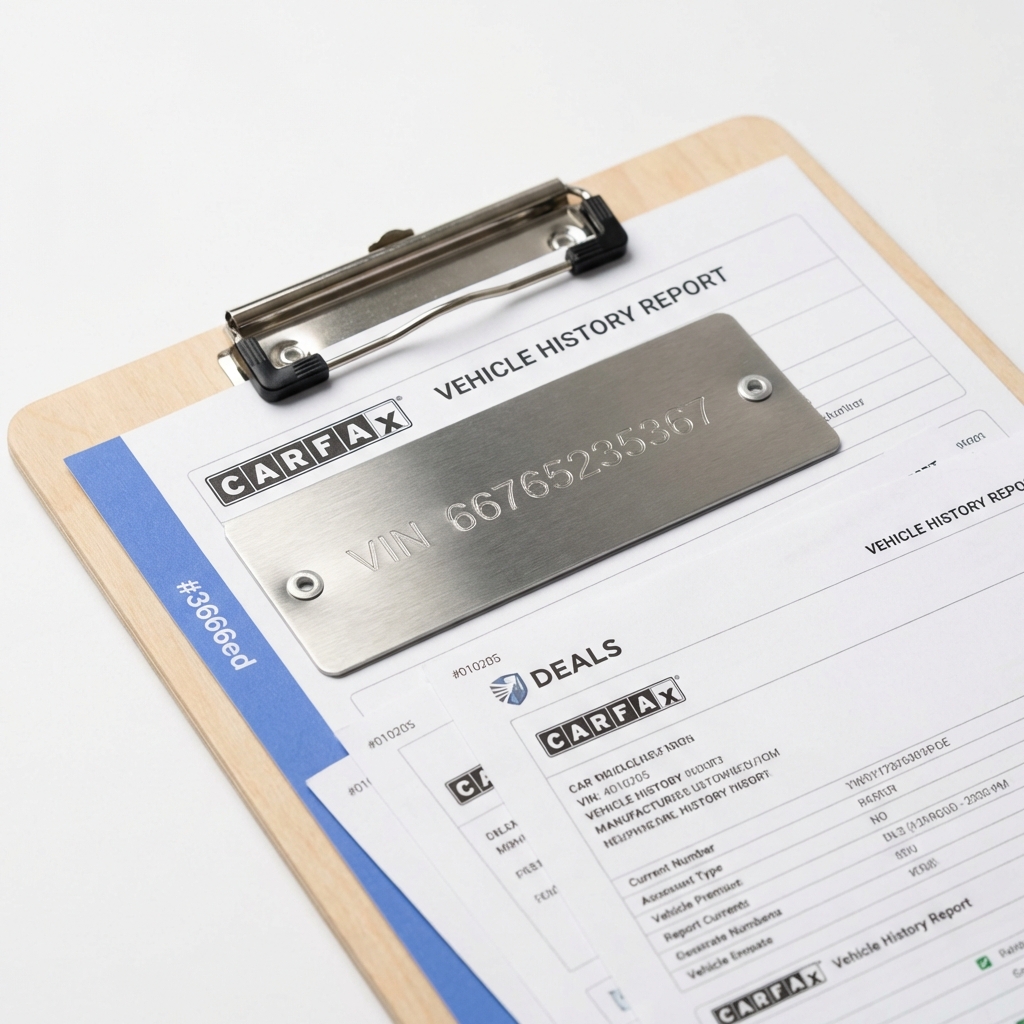
A vehicle history report won’t catch everything, but it’s an efficient way to filter options early. It reveals reported accidents, title branding, service history, and odometer records. Use it as part of a layered approach: online report, personal inspection, and professional mechanic. You can run a VIN report directly at CARFAX Deals VIN report.
Using CARFAX Deals to compare options
Platforms like CARFAX Deals can speed research by pairing listings with verified history reports and price analysis labels (e.g., Great Deal, Good Deal). That transparency helps shoppers identify lower-risk used VWs quickly. When comparing whether to buy a new or used VW, using data-driven tools reduces guesswork and strengthens your negotiating position. A quick glance at the page header can help confirm you're on the official listing.
Maintenance expectations for VW owners
Regular maintenance—oil changes, brake checks, and timing-belt or chain inspections—keeps your VW on the road. Whether you buy a new or used VW, create a maintenance schedule and keep receipts. A documented history increases resale value and makes future problems easier to diagnose.
Resale considerations
Buyers often consider resale when choosing new vs used. New cars depreciate the most early on; used cars depreciate slower. To maximize resale value, keep service records, avoid unnecessary cosmetic upgrades, and address maintenance promptly.
Tips for first-time VW buyers or young drivers
Prioritize safety and reliability. Look for models with strong crash ratings and electronic stability control. Teach new drivers basic checks—tire pressure, oil level, and warning lights—to build confidence. A used VW with a clean history and recent service can be an excellent first car.
Environmental and efficiency considerations
If sustainability matters, compare fuel economy and emissions across model years. Newer VWs and hybrid or electric options typically have lower emissions. If choosing a used VW, consider later model years with improved fuel efficiency or hybrid systems that lower lifetime emissions.
Real-world examples and lessons learned
Examples help ground decisions. Many buyers report great outcomes with used VWs that had full service histories and clear VIN reports. Others who skipped inspections faced expensive repairs. The lesson: careful, patient buying beats impulse purchases.
Summary of pros and cons
New VW: Pros—full warranty, latest tech, little short-term maintenance; Cons—higher price, faster early depreciation.
Used VW: Pros—lower purchase price, slower depreciation, potential value for money; Cons—possible unknowns, limited warranty unless CPO.
Final checklist before you sign
Make sure you have the VIN report, a written inspection, clear title, and a final price in writing. If you financed, understand loan terms and set a payment plan you can afford.
Practical next steps
Start by making a short list of VW models that fit your purpose. Compare new and recent used listings, prioritize vehicles with clean VIN reports and service history, and schedule inspections on the ones you like best. You can also compare pricing on report and inspection services to plan your budget.
Check a VW’s history before you buy
Ready to check a VW’s history? Run a quick VIN report to compare options and spot potential red flags before you visit a seller: Run a report at CARFAX Deals.
Be patient, be thorough, and choose the car that fits your life, not the one that pressures you into a quick decision. Whether you choose new or used, a thoughtful process will save money and worry.
Common questions answered (short)
Should I buy CPO? If you want some warranty protection without buying new, CPO can be a smart choice—especially for VW models with known reliability.
How much should I budget for repairs? A small emergency fund for a used car—several hundred dollars—can cover minor unexpected repairs; larger repairs should influence your offer price.
Can I trust online listings? Use them for research, but verify VINs, request records, and get a mechanic’s inspection before buying.
Encouragement for the road
Buying a VW—new or used—rewards attention to detail. When you take a methodical approach, you trade anxiety for confidence and end up with a car that serves you well for miles ahead.
A vehicle history report is very important for used VWs. It can reveal title brands, reported accidents, odometer issues, and service records tied to the VIN. Use it early to filter risky listings, but still combine it with a mechanic’s inspection and personal checks—reports don’t catch everything.
A certified pre-owned (CPO) VW can be an excellent middle ground. CPO cars typically include extended warranty coverage, a multi-point inspection, and dealer-backed guarantees—so you get many of the protections of a new car while paying less. If the CPO price fits your budget, it often offers strong value.
Common issues include turbocharger wear on certain engines, DSG transmission concerns on early models, electrical quirks, and timing-belt or chain maintenance needs depending on engine type. Always check service history, watch for leaks or strange noises, and have a VW-experienced mechanic perform a pre-purchase inspection.
The best choice depends on your priorities: a new VW gives the newest tech and warranty peace of mind, while a well-checked used VW often delivers the best value—happy, safe driving and take care!


 Blog
Blog