
At what mileage do Jeep Cherokee start having problems?
Many common Jeep Cherokee faults most often appear in the 60,000 to 120,000 mile range, though timing varies by model year, transmission type and how the vehicle was used. Buyers should treat mileage as one signal among several and combine it with a vehicle history report, service records and a targeted inspection before purchase. For VIN-level detail, run a vehicle history report and verify any model-year recalls.
 Blog
BlogRelated reading
How many tellurides have caught fire?
This article explains what is known about reported Kia Telluride fire incidents and the related recalls, and gives clear, evidence-based steps for buyers searching kia telluride for sale. It summarizes regulator and manufacturer notices, known investigation focuses, and practical checks buyers should run, including VIN recall lookups and vehicle history reports.
What is the best Telluride model to buy? A practical guide
This guide helps research oriented buyers choose a used Telluride by explaining the five trims and showing which trim usually balances features, safety and price. It highlights that mid trims (S or EX) often represent the best value, that the Telluride shares a V6 powertrain with similar fuel economy across trims, and that buyers should always confirm trim equipment, safety packages and vehicle history for any specific listing.
What's the life expectancy of a Kia Telluride? Practical guide for used buyers
This guide explains realistic expectations for a Kia Telluride's lifespan and gives a step-by-step checklist for anyone who finds a kia telluride for sale. Many examples reach 150,000 to 200,000+ miles with routine maintenance, but long-term studies beyond 200,000 miles are limited and projections should be treated as estimates.
Quick answer: when do Jeep Cherokee start having problems?
Owner-reported data and repair aggregators show that many Cherokee mechanical problems tend to appear between roughly 60,000 and 120,000 miles, with variation by model year and powertrain; this gives a practical window for closer inspection when shopping used jeep grand cherokee for sale listings.
Official safety records do not point to a single universal mileage threshold, but instead show concentrated complaint volumes and recalls for particular model years, so checking year-specific records is essential for risk assessment NHTSA vehicle recall and complaint listings.
Many common Cherokee mechanical issues tend to cluster between 60,000 and 120,000 miles, but exact timing varies by model year, powertrain and how the vehicle was used; use VIN-level vehicle history reports and a professional inspection for a precise assessment.
Exact risk for an individual vehicle depends on the model year, transmission type, maintenance history and how it was driven; VIN report checks and service records provide the best specificity.
Mileage is a proxy for wear: higher odometer numbers usually mean more cumulative stress on wear items, but the type of use matters as much as the number. Components like transmissions and suspension parts wear with miles and load, so mileage bands are useful heuristics when prioritizing inspections.

Repair aggregators and owner complaint sites report clusters of faults by mileage band, which helps buyers know when to focus on specific systems during a test drive and inspection RepairPal Jeep Cherokee reliability overview.
Driving patterns shift the timeline: frequent short trips, towing or rough-road use accelerate wear, while timely scheduled maintenance can delay failures. Combine an odometer read with the vehicle history report and service history to form a clearer risk picture.
Across owner reports and repair databases, three systems recur: transmissions, electrical and infotainment systems, and suspension and steering components. Each tends to surface in characteristic mileage ranges that help direct inspections.

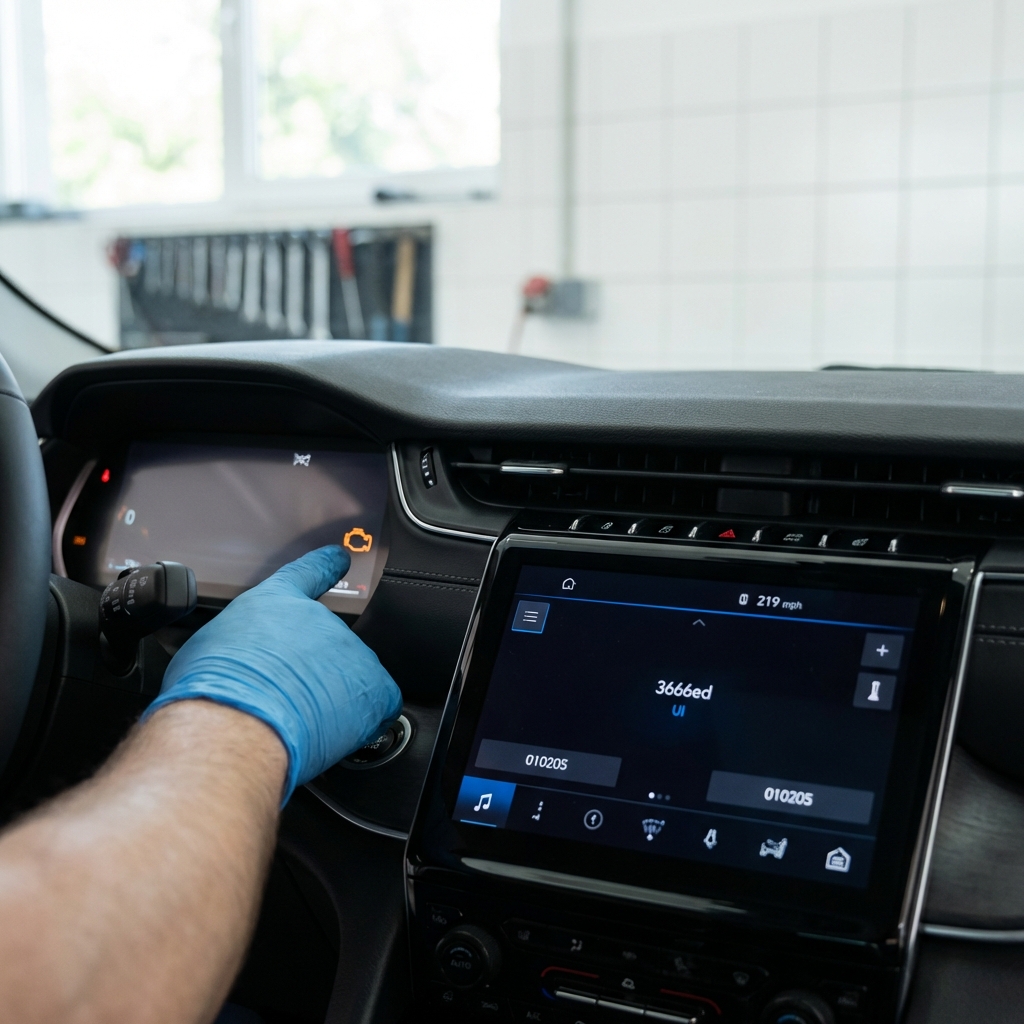
Transmission trouble often appears roughly between 60,000 and 120,000 miles, electrical and infotainment complaints frequently show up before 100,000 miles, and suspension or steering wear commonly appears in the 80,000 to 150,000 mile band depending on use and road conditions CarComplaints Jeep Cherokee reliability data.
Knowing these bands lets you prioritize checks during a pre-purchase inspection and helps you evaluate listings by odometer and service history.
Many owner-reported databases identify transmission faults in the 60,000 to 120,000 mile window, but timing depends on transmission type and service history. That range is a useful trigger for more careful checks during a test drive RepairPal Jeep Cherokee reliability overview.
Symptoms a buyer can spot include delayed engagement when shifting from park to drive, rough or jerky upshifts, slipping under load, unusual whining or grinding noises, and visible fluid leaks under the vehicle. Note any smell or fluid discoloration and ask for transmission service records.
When a listing shows mileage inside the 60,000 to 120,000 band, verify whether the seller has documented transmission service or repairs, and consider a professional transmission inspection if records are missing or incomplete.
Electrical complaints, including issues with infotainment modules, sensors and wiring, are commonly reported before 100,000 miles and often appear alongside other age-related repairs. These faults can be intermittent and harder to identify without repeated tests CarComplaints Jeep Cherokee reliability data.
During a viewing, test every screen, pair a phone over Bluetooth, verify the backup camera and parking sensors, cycle headlights and interior lights, and watch the instrument cluster for flicker or error messages. Note any delay in screen boot or frozen menus.
Run Vehicle History Report and Schedule an Inspection
Run a VIN-based vehicle history report and schedule a detailed test-drive inspection focused on electrical and transmission checks before committing to a purchase.
Review service records for any past electrical work, and ask the seller if intermittent faults have been documented. Intermittent or recurring electrical issues often indicate wiring or module failures that can be time-consuming to diagnose.
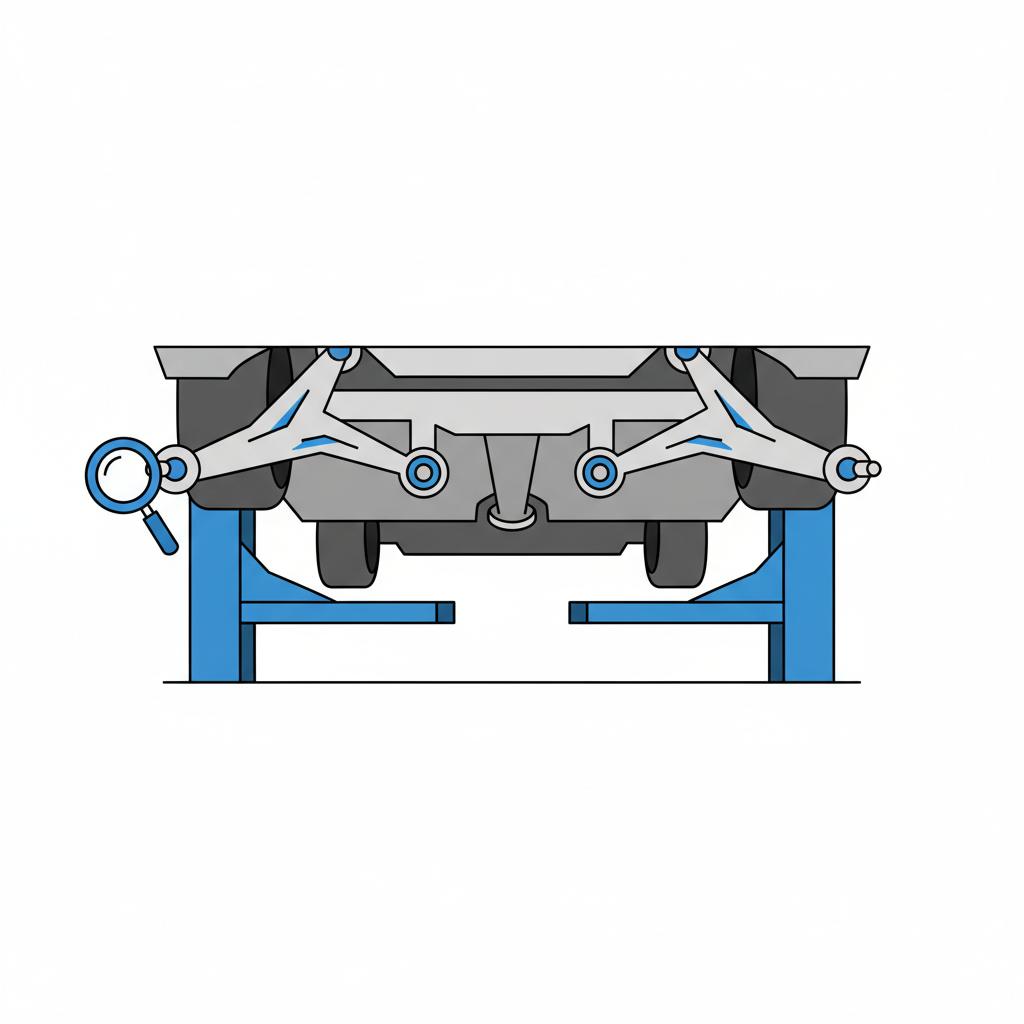
Suspension and steering components such as control arms, bushings, ball joints, tie rods and shocks or struts commonly need attention in the 80,000 to 150,000 mile band, with wear accelerating on vehicles driven on rough roads or subject to heavy loads RepairPal Jeep Cherokee reliability overview.
On a test drive, listen for clunks, creaks or rattles over bumps, and check steering for looseness or wandering. Uneven or patchy tire wear can indicate alignment or suspension wear, and visible torn bushings or leaking struts suggest imminent replacement.
If the vehicle shows high mileage or has documented rough-road use, ask for a lift inspection or a mechanic check that includes ball joints and control arm play. Those checks reveal wear that a short road test may miss.
Official NHTSA records and recall notices frequently identify particular Cherokee model years with concentrated complaint volumes and safety-related recalls, so model-year and VIN checks change the risk profile for a specific vehicle NHTSA vehicle recall and complaint listings.
Recall history differs from owner-reported reliability complaints: recalls are safety or regulatory actions, while owner complaints describe wear or component failures. Both matter when assessing a used Cherokee because recalls may have required dealer repairs and reliability complaints point to likely future maintenance needs.
Check NHTSA recall listings and complaint databases for a VIN
Use model year and VIN when searching
Always cross-check the VIN against NHTSA recall listings and complaint databases and compare any required recall work to the vehicle history report and service records before purchase. Third-party recall summaries are also available here.
Industry dependability studies and consumer ratings shift by model year and help prioritize years with fewer reported reliability trends; these rankings add context to owner complaints and repair data J.D. Power dependability study.
Consumer Reports and similar ratings complement complaint databases by showing owner satisfaction and longer-term reliability trends. Use these ratings alongside VIN-level reports and complaint listings to weigh long-term ownership risk.
Vehicle history reports may include accident history, ownership history, service history, mileage checks and title status; these items help contextualize mileage and expose possible inconsistencies or red flags Consumer Reports Jeep Cherokee ratings and reliability.
Key red flags in a VIN report include title issues, inconsistent mileage entries, gaps in service history and reported major accidents. If a report shows unresolved recall items, factor that into your evaluation and ask the seller for documentation of completed recall repairs.
When a Cherokee has more than 60,000 miles, follow a clear checklist: pull a vehicle history report, verify transmission and service records, perform a test drive focused on shifting and electrical checks, inspect suspension components, and get a professional pre-purchase inspection if any concerns arise RepairPal Jeep Cherokee reliability overview.
During the inspection, confirm scheduled maintenance items were done, look for evidence of recurring faults, and match service stamps to the odometer. If transmission service history is missing or the vehicle shows symptoms, prioritize a transmission specialist inspection.
For first-time buyers, the professional inspection should include a lift inspection, a road test with repeat shifting under different conditions, and a focused electrical diagnostics check to catch intermittent module or sensor faults.
Repair databases and owner reports publish typical repair areas for Cherokees, but exact cost ranges vary by engine, transmission and model year and require VIN-level checks and local pricing queries for accuracy RepairPal Jeep Cherokee reliability overview.
Rather than relying on aggregate dollar figures, use repair databases to identify likely failure points for the vehicle you are considering, then request local shop estimates for the specific repairs recommended by a pre-purchase inspection.
Mileage is only one input in pricing; price analysis labels and local market context help compare listings fairly by showing where a given vehicle sits relative to similar local stock. Use price labels alongside service history and the VIN report when evaluating a listing Consumer Reports Jeep Cherokee ratings and reliability.
Resale value impact by mileage band varies by model year and trim, so if you see a listing with high mileage, check whether the price analysis label reflects that and whether the vehicle has strong service documentation to support its condition.
Typical mistakes include treating mileage as the sole quality signal, skipping VIN or service history checks, and foregoing a professional inspection for higher-mileage units. These errors increase the chance of unexpected repairs.
Red flags that warrant walking away or further verification include inconsistent mileage entries, unresolved recall items, intermittent electrical faults, and unclear transmission service history. Confirm or rule out these issues before purchase.
Many Cherokee issues cluster in the 60,000 to 120,000 mile range, but exact risk depends on model year, powertrain and service history. Treat mileage as a guide, not a verdict, and use VIN-level checks to narrow the true condition of any candidate vehicle CarComplaints Jeep Cherokee reliability data. More reporting on specific recall coverage is available from Consumer Reports.
Recommended next steps: pull a vehicle history report, verify transmission and service records, test drive with a focus on shifting and electrical systems, inspect suspension, and get a professional pre-purchase inspection for vehicles over 60,000 miles. CarFax Deals can act as a verification layer to surface vehicle history context and pricing insights while you compare listings and prioritize inspections.
Pay closer attention once a Cherokee approaches 60,000 miles because common issues such as transmission and electrical faults are more frequently reported in the 60,000 to 120,000 mile window. Combine mileage with a vehicle history report and inspection to judge risk.
A thorough pre-purchase inspection, including a transmission specialist check if needed, can reveal many signs of transmission wear, but some intermittent issues may only appear under certain driving conditions so verify service records too.
Model year matters because certain production years show concentrated complaint volumes and recall activity; always check NHTSA recall listings and complaint databases for the exact model year and VIN.