
What is the most common problem with a Jeep Grand Cherokee, a buyer's guide
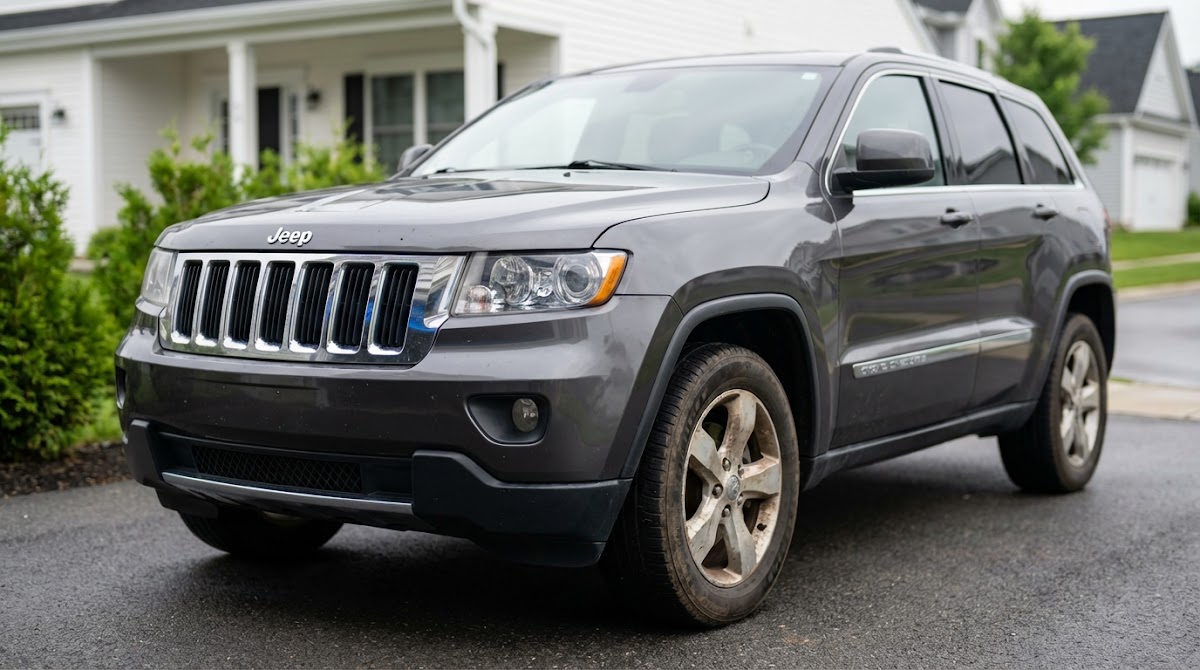
The most commonly reported problem for the Jeep Grand Cherokee is transmission-related faults, including rough or hard shifting and, in some cases, premature failure. For buyers searching for a jeep grand cherokee for sale, VIN-level history checks and a focused test drive can reduce risk and clarify whether a specific listing shows evidence of those issues.
 Blog
BlogRelated reading
How many tellurides have caught fire?
This article explains what is known about reported Kia Telluride fire incidents and the related recalls, and gives clear, evidence-based steps for buyers searching kia telluride for sale. It summarizes regulator and manufacturer notices, known investigation focuses, and practical checks buyers should run, including VIN recall lookups and vehicle history reports.
What is the best Telluride model to buy? A practical guide
This guide helps research oriented buyers choose a used Telluride by explaining the five trims and showing which trim usually balances features, safety and price. It highlights that mid trims (S or EX) often represent the best value, that the Telluride shares a V6 powertrain with similar fuel economy across trims, and that buyers should always confirm trim equipment, safety packages and vehicle history for any specific listing.
What's the life expectancy of a Kia Telluride? Practical guide for used buyers
This guide explains realistic expectations for a Kia Telluride's lifespan and gives a step-by-step checklist for anyone who finds a kia telluride for sale. Many examples reach 150,000 to 200,000+ miles with routine maintenance, but long-term studies beyond 200,000 miles are limited and projections should be treated as estimates.
Quick answer: the most common problem reported for the Jeep Grand Cherokee
Short summary of owner-reported patterns
The issue most frequently reported by owners is transmission-related problems, such as rough shifting, hard shifts, delayed engagement, and in some cases premature failure; this pattern shows up across many Grand Cherokee model years and is the primary concern you should look for when evaluating a vehicle.
That concentration of owner reports is visible in aggregated complaint databases and repair overviews, which show transmission faults as the single most common category of complaint for the model.

Why this matters for buyers looking at listings
If you are checking a jeep grand cherokee for sale, pay particular attention to transmission service history and shift quality on a test drive because transmission repairs tend to be among the most expensive and disruptive problems a buyer can face.
Why transmissions show up most often in owner reports
Common symptoms and likely mechanical causes
Owners commonly report rough or hard shifts, slipping under acceleration, delayed engagement when selecting drive or reverse, and occasional failure that requires a rebuild or replacement; these are the typical symptoms you will see in owner-complaint summaries and repair guides, and they point to internal transmission wear, valve body faults, or control-module related issues, among other causes, depending on the year and powertrain. CarComplaints owner reports
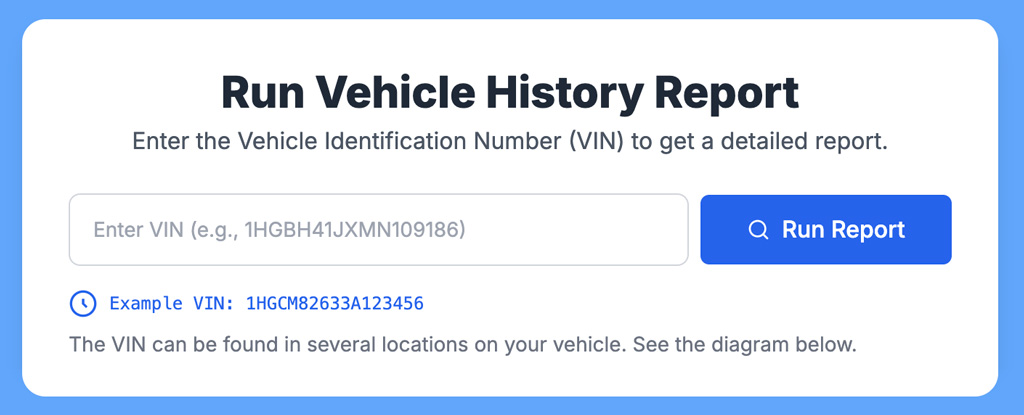
Check this VIN in the Run Vehicle History Report
Run a VIN-level vehicle history report to check for transmission service entries and open recalls before you travel to see a vehicle.
Model years and generations with concentrated reports
The WK2 generation is called out frequently in owner complaint summaries; buyers should treat listings for those years with particular attention to service records and any history of transmission work, while remembering that any used vehicle can develop shift-related issues. CarComplaints owner reports
Transmission failures show up strongly in complaint data because they produce clear drivability symptoms, they are costly to repair, and they often lead owners to report their experience; that combination raises the visibility of transmission faults compared with subtler systems. RepairPal repair cost notes
How to spot transmission issues during a test drive and inspection
What to look for while driving
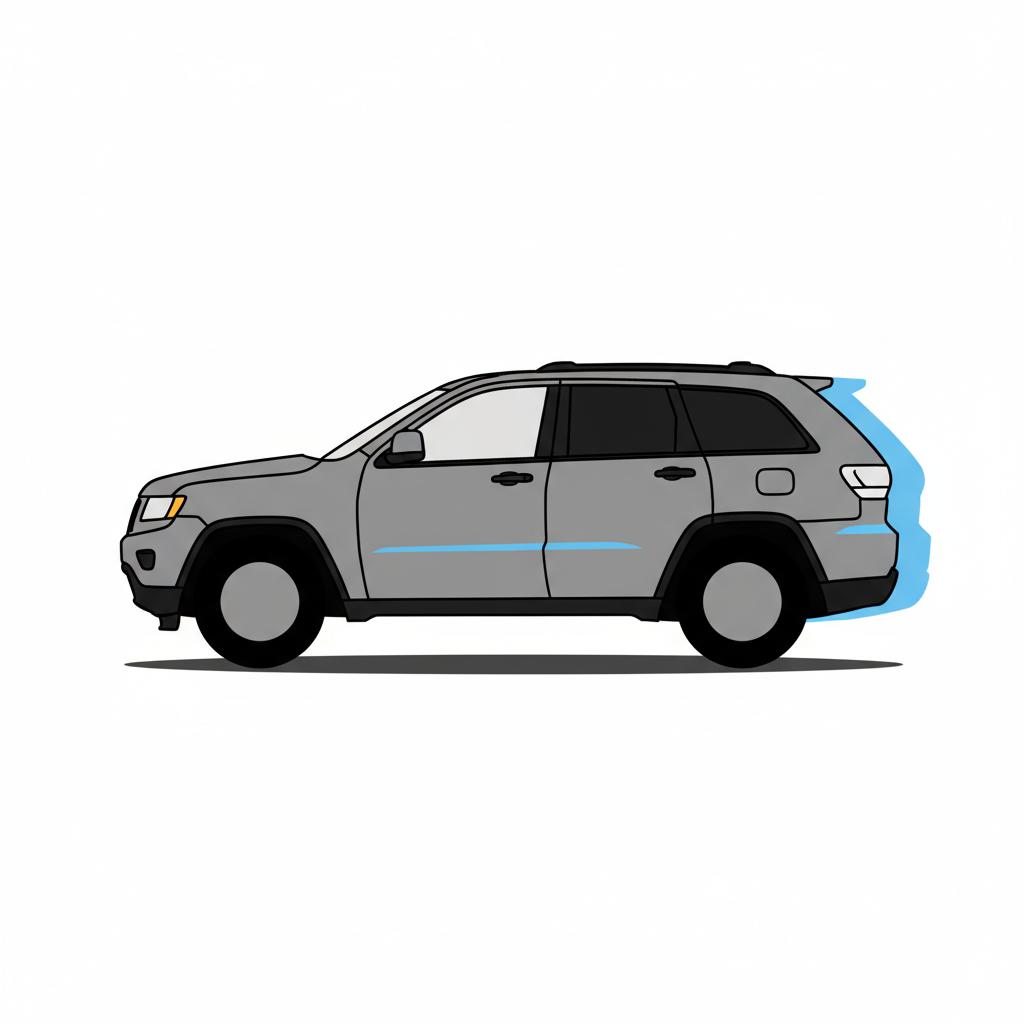
Also test the car from cold and after it reaches operating temperature, because some transmission symptoms appear only after the fluid warms or the control software reaches its operating state.
Simple checks and questions to ask the dealer or seller
Ask the seller for transmission service history, evidence of fluid changes, and any invoices related to transmission work; if a seller cannot provide documentation, treat that as an information gap that should be filled before you buy. RepairPal service history advice
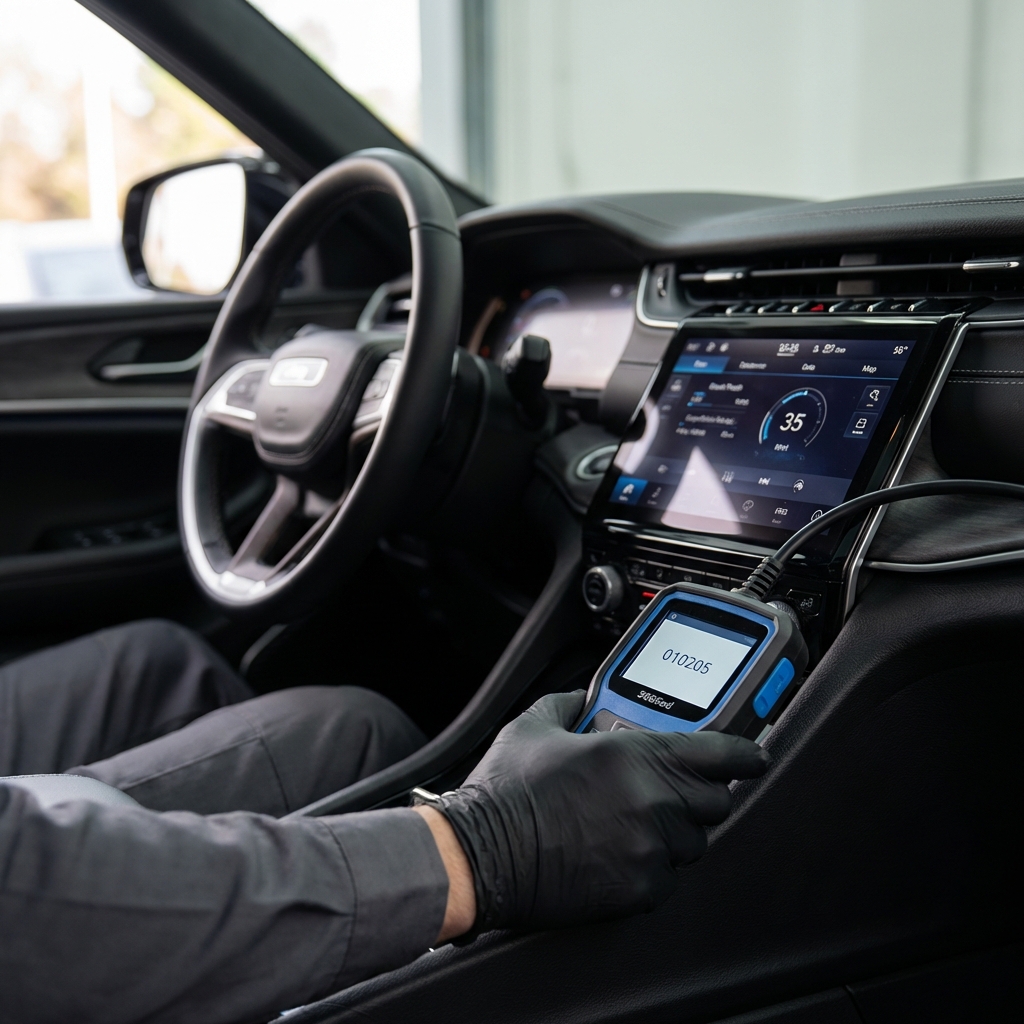
Scan for stored fault codes with an OBD-II scanner or request a professional scan, and ask whether any transmission-related recalls or Technical Service Bulletins were addressed for that VIN; a code scan can reveal pending or historic faults that are not obvious on the road.
Electrical and infotainment problems: what owners report and why they matter
Typical electrical complaints and affected systems
Electrical and infotainment module complaints are frequently reported, especially on later-model and tech-rich trims; owners describe touchscreen freezes, random resets, warning lights that appear intermittently, and accessory failures that come and go, which can affect day-to-day convenience and sometimes trigger diagnostic work. Consumer Reports reliability notes Consumer Reports recall article
Transmission-related issues, including rough or hard shifting and premature failures, are the most commonly reported problems in owner-complaint data, followed by electrical and air-suspension faults.
When multiple shop visits for electrical issues appear in a vehicle history, the cumulative cost and inconvenience can be meaningful even if individual repairs are not as expensive as a transmission rebuild.
How these faults show up in ownership and listing data
Because electrical issues often lead to repeated dealer or independent-shop visits, they are reflected in service histories and vehicle history reports as multiple entries for software updates or module replacements; buyers should look for a pattern rather than a single isolated visit. CarComplaints records
Ask the seller whether software updates were applied and whether any infotainment or module faults were repaired under warranty or recall, and prefer listings that document repeated repairs rather than those that omit service detail.
Suspension and air-ride systems: common faults and maintenance signals
Air suspension symptoms and likely repairs
Models equipped with optional air suspension commonly report issues such as uneven ride height, compressor cycling at idle, or sagging on one corner; these symptoms often indicate a failing compressor, leaking air springs, or strut failures and will typically show up in owner reports and repair summaries. Edmunds common problems
Compressor or strut replacement can be a moderate to significant expense depending on whether parts and labor are handled by a dealer or an independent shop, and buyers should confirm whether the vehicle has a conventional or air suspension before estimating long-term ownership costs. RepairPal repair cost overview
How to check suspension condition in listings and at inspection
Look for listing details or photos that show an even stance, and ask the seller whether the suspension compressor has been replaced or serviced; on arrival, listen for compressor activity at idle and check for obvious leaks or visible damage to strut assemblies. Edmunds buying advice
Inspect the underbody and wheel wells for recent suspension work and request service records if the listing mentions suspension repairs, because repeated or recent fixes are an important signal for future maintenance needs.
4xe PHEV-specific notes: batteries, recalls, and VIN checks
What owner reports and recall records show for 4xe models
The Grand Cherokee 4xe PHEV has had targeted recall activity and owner reports related to battery and electrified-system components, so electrified models merit particular attention to recall and service history before purchase. NHTSA recall pages NHTSA press release
Electrified-system issues differ from conventional transmission faults and may require specialized diagnostics and dealer-level attention; when a listing is for a 4xe, confirm battery service history and any recall remediation for that VIN. J.D. Power 4xe notes
Why VIN-level recall and service checks matter for electrified powertrains
Because recalls and software updates for electrified systems are issued at VIN level, a VIN-level vehicle history check is one of the most efficient ways to confirm whether open actions remain unresolved for a specific 4xe, and to see whether previous owners reported related service events. NHTSA recall pages Related recall documentation
Typical repair costs and what drives them for major Grand Cherokee faults
Cost comparison: transmission vs electrical vs suspension
Transmission rebuilds or replacements are typically the most expensive single repairs and often run into several thousand dollars, while electrical module repairs and suspension fixes generally fall in a lower range but can still reach several hundred to low thousands depending on parts and labor, according to repair-cost overviews. RepairPal cost summary
Those relative cost differences explain why transmission complaints are especially important: the high repair cost and direct impact on drivability make transmissions a priority risk for buyers.
Factors that change repair bills
Repair costs vary with model year, regional labor rates, whether parts are OEM or aftermarket, and whether work is performed at a dealer or an independent shop; those variables can swing the total bill substantially even for the same repair. Edmunds repair guidance
Availability of replacement parts and the complexity of diagnostic work also influence cost, particularly on electrified models or those with advanced driver assistance systems that share modules with infotainment and powertrain controls.
Pre-purchase checklist: step-by-step actions before you buy a Jeep Grand Cherokee for sale
What to confirm in the listing and vehicle history report
Step 1: Run a VIN-level vehicle history report to check ownership history, service visits, and open recalls; prioritize listings that provide a VIN or clear service documentation so you can verify whether the vehicle shows repeated transmission or electrical repairs.
Step 2: Confirm transmission service history and ask for records of fluid changes and any rebuild or repair invoices; absence of a documented transmission service history is a notable information gap that should be investigated. You can also use a VIN decoder for quick checks: VIN decoder. RepairPal service checks
Recommend a basic code reader scan for stored fault codes and common checks
Use a scanner before or during a test drive
Step 3: On a test drive evaluate shift quality across a range of speeds, try cold start shifts and warm shifts, and listen for unusual noises during gear changes; if any anomalies appear, schedule a professional pre-purchase inspection. RepairPal test-drive advice
Step 4: Inspect suspension behavior, especially on air-suspension equipped models, and ask whether the vehicle has had compressor or strut work; use the vehicle history report to corroborate any claimed repairs. Edmunds suspension checks
What to test on a drive and what to ask the dealer or seller
Step 5: Ask the seller about any electrical or infotainment issues and whether software updates were applied; check the service history for repeated module repairs because those entries often indicate ongoing faults. CarComplaints records
Step 6: If the vehicle is a 4xe, request battery service history and recall remediation documentation for that VIN, and consider a dealer-level diagnostic scan if the vehicle history shows electrified-system service events. NHTSA recall pages
Step 7: If any of the checklist steps reveal unclear history or test-drive anomalies, arrange a professional pre-purchase inspection that includes a transmission pressure test, electrical module scan, and suspension assessment; use the inspection results to negotiate or walk away if risk remains high. RepairPal inspection advice
Decision framework: when a listed Jeep Grand Cherokee is a reasonable buy and when to walk away
Weighing risk vs price
Accept a listing when shift behavior is clear and consistent, the service history shows routine transmission maintenance, there are no repeated electrical or suspension repairs in the report, and there are no open safety recalls without remediation plans; those conditions indicate lower short-term risk. RepairPal decision guidance
Be cautious when a vehicle shows inconsistent ownership, multiple major repairs, or a missing service history; such listings can be acceptable only if priced well below market and accompanied by a recent professional inspection that confirms condition.
Using history and inspection results to decide
Use pricing insights and price analysis labels to see whether the listing accounts for known issues; a fair or good price that reflects documented repairs and a clean VIN history reduces risk compared with a similar vehicle that lacks documentation. Run CarFax Report
When in doubt, prioritize inspections and clear documentation over a quick purchase, because transmission and electrified-system repairs can be expensive and complicated to resolve after the sale.
Common buyer mistakes and final takeaway
Mistakes that increase risk or cost
Frequent errors include skipping a VIN-level vehicle history report, ignoring shift anomalies on a test drive, and relying only on listing photos without a hands-on inspection; these mistakes can leave buyers exposed to costly repairs soon after purchase. Edmunds buyer advice
Next steps and short recap
Priority actions are to verify transmission service history, run a VIN-level vehicle history report, test shift quality on a varied drive, and schedule a professional inspection if anything is unclear; prioritizing those steps helps reduce the risk when considering any jeep grand cherokee for sale. RepairPal buyer checklist See more on our blog.
Ultimately, transmission-related complaints are the most commonly reported problem, with electrical and suspension faults also appearing often, so focus your research and inspection on those systems to make a better-informed decision.
Transmission-related problems, including rough or hard shifting and delayed engagement, are the most commonly reported issues in owner complaint data.
Yes, electrical and infotainment faults are commonly reported on later and tech-rich trims; check service history and test the system during any inspection.
Yes, 4xe PHEV models have had targeted recalls and electrified-system reports, so verify VIN-level recall and service history and consider dealer diagnostics if needed.
References
- https://www.carcomplaints.com/Jeep/Grand_Cherokee/
- https://repairpal.com/jeep/grand-cherokee/
- https://www.consumerreports.org/cars/jeep/grand-cherokee/
- https://www.consumerreports.org/cars/car-recalls-defects/jeep-cherokee-recalled-to-fix-transmission-problems-a2523737788/
- https://www.nhtsa.gov/vehicle/jeep/grand-cherokee
- https://www.carcomplaints.com/Jeep/Grand_Cherokee/
- https://carfaxdeals.com/run-report
- https://www.jdpower.com/cars/jeep/grand-cherokee
- https://www.edmunds.com/jeep/grand-cherokee/
- https://www.nhtsa.gov/press-releases/park-outside-recall-jeep-wrangler-phev
- https://static.nhtsa.gov/odi/rcl/2016/RCRIT-16V249-7152.pdf
- https://carfaxdeals.com/vinreport
- https://carfaxdeals.com/vin-decoder
- https://carfaxdeals.com/blog