Is it worth buying a Jeep Wrangler? A practical used-buyer's guide
This guide helps research-first buyers decide if a Jeep Wrangler is right for them. It explains capability, safety, reliability, and ownership costs, and shows how to screen listings using a vehicle history report and pricing insights. The piece includes a step-by-step checklist and decision criteria for shoppers searching for jeep wrangler for sale.
A step-by-step workflow for estimating a truck's market value that centers on comparing consumer valuation tools, adjusting for mileage and condition, and checking wholesale market signals. The guide explains private-party, trade-in and dealer retail values and shows how a vehicle history report and pricing insights can change an asking price.
This guide helps research oriented buyers evaluate suv used cars for sale under $25,000 by combining safety ratings, reliability data, local pricing context, and vehicle history checks. It outlines a simple framework, a pre visit checklist, and a decision scoring worksheet so you can compare finalists before contacting a dealer. Use the steps here to narrow candidates and confirm risk signals with a vehicle history report and a pre purchase inspection.
When searching suv used cars for sale, prioritize model year, trim and powertrain before choosing a make or model. This guide explains how safety ratings, dependability studies and local pricing insights combine to produce a short list you can verify with a vehicle history report. It also provides a stepwise checklist you can use before contacting a dealer.
This guide helps research-first buyers decide whether a used Jeep Wrangler fits their needs. It summarizes capability, safety, reliability, ownership costs, and resale behavior, and it shows how to screen listings using vehicle history reports and pricing insights.
Read this before contacting dealers: the goal is to reduce uncertainty by verifying title status, service history, and local pricing, so you can compare listings more confidently and schedule inspections only for the most promising vehicles.
Wranglers are designed for off-road capability but trade fuel efficiency and sometimes reliability for that capability.
Well-documented, low-mileage Wranglers tend to retain value, though buyers usually pay a market premium for desirable trims.
A vehicle history report and pricing insights are essential early steps for reducing purchase risk.
Who a Jeep Wrangler typically suits: a brief overview
Quick profile of typical Wrangler buyers - jeep wrangler for sale
The Wrangler is built around off-road capability and customization, so it attracts buyers who prioritize weekend adventure, trail performance, and the option to personalize a vehicle for specific uses. The design centers on multiple 4x4 systems and tough suspension components that favor capability over everyday fuel efficiency, which is a key trade-off for many prospective buyers NHTSA vehicle page.
Buyers who value easy daily commuting, the lowest possible fuel bills, or the most modest maintenance demands often find other compact SUVs more practical. At the same time, well-equipped, low-mileage Wranglers retain resale interest, which can make them attractive to buyers who accept higher operating costs in exchange for capability and eventual resale demand Kelley Blue Book Wrangler page.
Use a vehicle history report and pricing insights to screen Wrangler listings
Prioritize clean-title, single-owner vehicles
Typical Wrangler buyers vary: outdoorspeople who value trail-ready features, owners who plan to customize or lift the vehicle, and those who prioritize open-air driving. Families or buyers focused on lowest total cost to own tend to consider alternatives unless they accept higher fuel and maintenance costs in exchange for capability.
In short, a Wrangler often suits buyers who accept higher operating costs for capability and customization, and who will verify specific vehicle history and pricing before purchase. If your priorities emphasize the opposite, a different SUV often aligns better with those goals.
What defines the Wrangler: powertrains, 4x4 systems and trims
Common engines and the high-output V8 option
Wranglers offer several powertrains, including turbocharged four-cylinder options and higher-output V6 and V8 choices, and these choices materially affect capability and fuel use. High-output options such as the V8 Rubicon 392 increase torque and on-demand performance, but they also tend to lower real-world fuel economy compared with smaller engines EPA fuel economy data.
Trim levels and factory off-road equipment
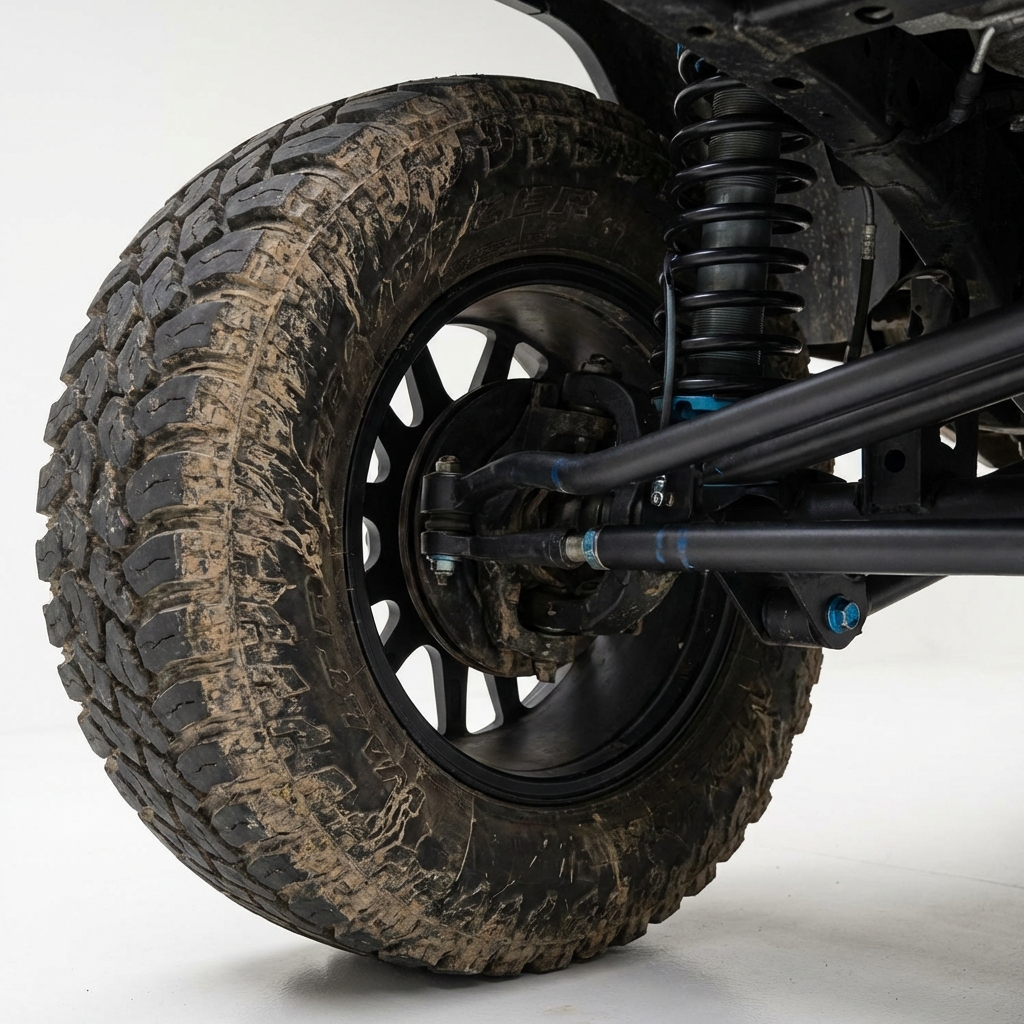
Factory trims range from basic, road-oriented editions to purpose-built off-road packages that include locking differentials, heavy-duty axles, and upgraded suspension. These 4x4 systems and factory off-road features are core to the Wrangler identity and influence expected maintenance and often higher initial pricing NHTSA vehicle page.
Trim and equipment choices also shape resale. Specialty trims and well-equipped models, such as Rubicon-level variants or those with factory performance options, typically command higher asking prices on the used market and can retain value better than base trims Kelley Blue Book Wrangler page.
Fuel economy and ownership costs you should expect
EPA and real-world fuel economy patterns
A used Jeep Wrangler can be worth buying if you prioritize off-road capability, customization, or open-air driving and accept higher fuel and maintenance costs; confirm title, service history, and pricing before you commit.
Government fuel-economy figures and independent measurements show the Wrangler trades economy for capability, especially in V8 or lifted configurations. Expect significantly lower combined mpg numbers than most compact crossover SUVs when choosing high-output powertrains or adding larger tires EPA fuel economy data.
Estimated impacts on annual running costs
Independent total-cost studies and repair summaries indicate higher-than-average lifetime costs driven by fuel, maintenance, and insurance, with repair and ownership estimates that tend to sit above typical compact SUVs. These projections reflect both the vehicle's baseline design and common owner choices that increase costs, such as aftermarket lifts and larger tires RepairPal Wrangler page.
Driver habits matter. A mostly highway commuter will use fuel differently than a weekend trail rider. Add heavy off-road use or frequent towing and expect higher fuel bills and accelerated wear on driveline components, which increases maintenance frequency and costs over a three- to five-year ownership horizon Kelley Blue Book Wrangler page.
Safety and driver-assist features: what varies by model year
Crashworthiness and IIHS/NHTSA findings
Crashworthiness and crash-avoidance ratings vary across Wrangler model years and body styles; some model years and configurations score differently on crash tests than others, so model-specific research is important IIHS Wrangler ratings and earlier test results such as IIHS 2022 findings.
Which driver-assist features may be missing on base trims
Some base trims do not include the latest active driver-assist features as standard equipment. That means buyers should confirm which safety features are present on the exact model year and trim being considered rather than assume modern active-safety systems are included NHTSA vehicle page.
When safety equipment matters to your decision, compare the available option lists and factory packages for the model year you are shopping, and check vehicle-specific ratings before you commit to a particular listing.
Reliability: what consumer and repair databases report
Common problem areas reported in repair data
Consumer Reports and repair-database summaries place Wrangler reliability in a range from average to below-average, with recurring mentions of driveline and electrical system issues in owner-reported data and service records Consumer Reports Wrangler overview and analysis at RepairPal Wrangler reliability.
How reliability scores translate to ownership risk
Reliability ratings reflect aggregate trends, not guarantees for any individual vehicle. Maintenance history, how the vehicle was used, and whether significant aftermarket work was performed change the expected risk profile. Always examine service records and independent inspection notes when possible RepairPal Wrangler page.
For buyers, a thorough review of preventive maintenance history can substantially lower ownership surprises. Where service gaps or repeated repairs appear in the history, budget for potential follow-up work and ask whether repairs were completed by qualified shops.
Resale value and pricing: how to read market signals
Which trims and conditions retain value
Wranglers often retain resale value relatively well, especially low-mileage, clean-title examples and specialty trims. That resale strength can justify paying a premium for certain listings, but buyers should recognize that premiums exist and factor them into any purchase decision Kelley Blue Book Wrangler page and further context from Kelley Blue Book 2023 page.
Use pricing-insight labels or local market comparisons to see whether a listing's asking price aligns with typical resale trends. Price-analysis tools surface whether a unit appears labeled as a Great Deal, Good Deal, or Fair Deal compared with local inventory, which helps decide whether a premium is justified.
In practice, paying more for a well-documented, low-mileage Wrangler can make sense for buyers focused on resale, but always verify the vehicle history, title status, and service record before assuming strong resale will offset higher upfront cost.
Step-by-step checklist for evaluating a used Wrangler listing
Document and report checks before visiting
Start with a vehicle history report to confirm title status, ownership history, reported accidents, and mileage checks. A thorough VIN-based report reduces uncertainty about major red flags before you commit time to see the vehicle in person RepairPal Wrangler page.
Compare pricing insights or price-analysis labels against local market context and KBB resale indicators before contacting the dealer. Doing this early saves time and clarifies whether a listing is priced with a typical market premium for Wranglers Kelley Blue Book Wrangler page.
Check for service history entries and receipts that document preventive maintenance. Confirm any aftermarket modifications have receipts and professional installation notes, and ask whether original parts are included if the modification can be reversed.
Check the vehicle history and pricing before you visit
Run a vehicle history report and compare pricing insights before you schedule a visit so you screen for title issues, service gaps, and market pricing up front.
When you call or message the seller, request the service records, title status, and documentation for any major parts or modifications. Note inconsistencies in mileage, missing records, or vague descriptions as reasons to pause and request an independent inspection.
Inspection and test-drive priorities
On the test drive and inspection, prioritize driveline sounds, transmission behavior, and electrical accessories. Look for signs of heavy off-road use such as atypical body damage, undercarriage dents, or excessive play in suspension components, and note whether tires and wheels match the stated equipment list Consumer Reports Wrangler overview.
Bring a checklist, a flashlight, and a mechanic familiar with Wranglers if the listing is complex or modified. If the vehicle has recent repairs, ask for the repair shop details and check whether repairs used factory parts or reputable aftermarket components.
Decision criteria: when a Wrangler is worth the premium
Priority checklist for different buyer types
Choose a Wrangler when your priorities include frequent off-road use, a desire to customize, or a preference for open-top driving. Those priorities align with the Wrangler's core strengths, but they also come with trade-offs in fuel and maintenance costs NHTSA vehicle page.
If your use is mostly paved commuting and you prioritize the lowest total cost to own, a different compact SUV often makes more sense. Fuel economy differences and potentially higher repair costs can outweigh resale premiums for road-centric buyers EPA fuel economy data.
Trade-offs summary
Capability versus cost versus reliability is a balance. Wranglers offer capability and customization at the expense of fuel economy and sometimes higher maintenance. Use that trade-off to rank your priorities before choosing to pay a premium for a desirable model.
Factor in local market context and expected resale when calculating a total cost to own. If resale is a major goal, demand well-documented, low-mileage, clean-title examples and price them against local comps before proceeding.
Common buyer mistakes and how to avoid them
Overlooking modification impacts
One common mistake is assuming aftermarket modifications do not change ownership risk. Lift kits, oversized tires, and performance upgrades often increase wear on driveline and suspension parts and can change fuel use; verify receipts and installation quality to reduce surprises EPA fuel economy data.
Ignoring service and title irregularities
Another frequent error is skipping careful title and service verification because a Wrangler seems desirable. Missing service records, inconsistent mileage, or unclear title status raise ownership risk and may lead to extra repair costs or trouble reselling the vehicle RepairPal Wrangler page.
Always request documented maintenance history and a VIN-based vehicle history report. If records are incomplete, budget for a pre-purchase inspection and potential follow-up maintenance.
How modifications and off-road gear change value and costs
Which mods commonly add cost or risk
Common mods that add cost or risk include high-lift suspensions, larger tires, and performance tuning. These changes tend to reduce fuel economy and increase mechanical wear, which raises maintenance frequency and repair costs in many cases Kelley Blue Book Wrangler page.
How aftermarket changes affect inspections and insurance
Extensive aftermarket work can complicate inspections and may affect insurance or repair costs; insurers sometimes charge more for heavily modified vehicles and shops may charge higher labor if custom components are involved. Verify receipts and professional installation records for significant work RepairPal Wrangler page.
Factor the potential cost to revert modifications if you plan to sell to a buyer who prefers stock configuration, and include that cost in your total ownership calculations.
Practical examples: buyer scenarios and recommended checks
Scenario A: commuter who wants occasional off-road use
For a commuter who expects occasional trail use, choose a Wrangler with a more efficient powertrain and minimal aftermarket lifts or oversized tires. Prioritize documented service history and a vehicle with modern safety options if daily highway driving is common EPA fuel economy data.
Checklist for this scenario: confirm mileage consistency, check for commuter-friendly options, verify service history, and avoid heavily modified units that raise fuel and maintenance costs.
Scenario B: buyer who values resale and low maintenance
If resale and predictable maintenance matter most, prioritize low-mileage, clean-title, single-owner Wranglers with full service records and limited aftermarket work. These factors correlate with stronger resale and a lower chance of hidden issues Kelley Blue Book Wrangler page.
Checklist for this scenario: request full service records, run a vehicle history report, compare pricing insights to local market labels, and arrange a mechanic inspection before finalizing the purchase.
Contacting dealers and using transparency signals
What to ask the dealer before a test drive
Ask the dealer for the vehicle history report, complete service records, and explicit title status before visiting. Request details about modifications and recent repairs, including receipts and shop names, to assess the quality of repairs or upgrades RepairPal Wrangler page.
Using dealer profiles and reviews as part of verification
Dealer reviews, ratings, and profile information add context about seller transparency and service, but they do not replace vehicle-specific verification. Use them as one part of your decision framework while relying on a VIN-based history report and pricing insights for the listing itself Kelley Blue Book Wrangler page.
When a dealer provides thorough documentation up front, that is a positive transparency signal. If documentation is slow or incomplete, require the records before you schedule an in-person inspection.
Final verdict: should you buy a used Jeep Wrangler?
Short decision checklist
Weigh capability and customization against higher expected fuel and maintenance costs. If frequent off-road use, customization, or strong resale on specialty trims are your priorities, a Wrangler can be worth the premium; if fuel economy and lowest total cost to own are top priorities, other SUVs typically make more sense NHTSA vehicle page.
Next steps if you decide to proceed
If you decide to proceed, obtain a vehicle history report, compare pricing insights against local market labels, and schedule a thorough inspection with a mechanic familiar with Wrangler drivetrains and suspensions. These steps reduce risk and clarify true ownership costs Kelley Blue Book Wrangler page.
Use the checklist earlier in this guide to prioritize checks and document requests. Taking these steps aligns with a research-first approach and helps buyers make a clearer decision when evaluating any Wrangler listing.
Wrangler fuel economy varies by engine, trim, and modifications; V8s and lifted setups typically reduce combined mpg compared with compact crossovers. Check EPA ratings for the exact model year and drivetrain and expect lower fuel economy if the vehicle has larger tires or performance upgrades.
Reliability ratings range from average to below-average in aggregate sources, with recurring reports of driveline and electrical issues. Individual vehicles differ greatly; confirm maintenance history and use a pre-purchase inspection to assess condition.
Wranglers often retain value relatively well, especially low-mileage, clean-title examples and specialty trims. Expect used-market premiums for well-equipped units and compare pricing insights to local market listings before buying.
If you are leaning toward a Wrangler, focus on documented service history, a clear title, and pricing that matches local market context. Use a vehicle history report and a skilled pre-purchase inspection to confirm condition before you finalize any deal.
If a Wrangler's operating costs or potential reliability trade-offs are a concern, compare similar compact SUVs with stronger fuel economy and lower expected maintenance as alternatives.


 Blog
Blog