What is the average lifespan of a Lexus RX350?, Practical guide for buyers
This article explains typical Lexus RX350 lifespan estimates and shows how to judge remaining useful life when comparing listings. It uses published longevity studies and owner-data resources to explain why many RX350s reach 150,000 to 200,000 miles and what listing signals matter for reliability, price, and maintenance.
This guide explains which tacoma trucks for sale show the strongest reliability and safety signals to watch out for, and why mid-2010s and many pre-2016 Tacomas appear most often in complaint and recall records. The article shows how to use vehicle history reports, recall checks, and a focused inspection to reduce risk when evaluating a used Tacoma.
This article helps buyers searching tacoma trucks for sale understand which Tacoma engine tends to be most reliable. It summarizes reliability ratings, owner-complaint clusters, and maintenance-cost differences between the 2.7L I4 and the 3.5L V6, and gives actionable checks to reduce engine-related risk.
Audi reliability varies significantly by model, model year and powertrain, so the most reliable Audi for one buyer is not the same for another. This guide shows research-oriented used car buyers how to compare models using industry dependability studies, owner-reported trends, and per-VIN vehicle history reports. It focuses on checklists, inspection priorities and scenario-based recommendations to reduce risk when shopping a used Audi.
This guide explains what buyers should expect from Lexus RX350 lifespan estimates and how to judge remaining useful life when comparing listings. It summarizes large-sample longevity findings and owner-data trends, then gives a practical checklist for evaluating mileage, maintenance, and inspection signals.
Car buyers who want to reduce uncertainty can use a vehicle history report combined with documented service records and a paid inspection to form a probability-based view of remaining life. CarFax Deals provides a verification layer by surfacing history context and pricing signals to help buyers compare listings more efficiently.
Many RX350s have a median useful lifespan around 150,000 to 160,000 miles, with many reaching 200,000+ with proper maintenance.
Documented scheduled maintenance and a focused pre-purchase inspection are the strongest predictors of longer remaining life.
Price labels and dealer transparency are useful context, but pair them with VIN-linked service records and inspections for confident decisions.
How long do Lexus RX350s typically last and what 'lifespan' means
Median and high-end mileage outcomes (lexus rx 350 price)
The phrase median useful lifespan refers to the mileage at which half of vehicles in a large sample are still in regular, usable condition and half are not; for many Lexus RX350 examples that median is roughly between 150,000 and 160,000 miles, which typically maps to about 10 to 14 years of use under average driving patterns CarEdge lifespan article.
That median does not mean individual cars will stop running at that odometer reading. Large-sample studies and owner-data sites show a substantial share of RX350s exceed 200,000 miles when owners follow scheduled maintenance and perform timely repairs iSeeCars 200,000 miles study.
Why the range matters to buyers: a car near the median with incomplete maintenance records likely has less remaining useful life than a similarly aged example with full documented service history and no accident signals, so estimate remaining life as a probability range rather than a single number Consumer Reports model overview.
Key variables that expand or shrink expected lifespan include documented maintenance history, model year and powertrain, prior accident or major repairs, and driving patterns such as highway versus stop-start use RepairPal RX350 data.
Depreciation in the first three to five years tends to be steep for luxury crossovers, so remaining miles and years-to-expected-failure are an important complement to the current listing price when comparing value CarEdge lifespan article.
Estimate years remaining based on current mileage and expected annual miles
Round down for conservative planning
A step-by-step framework to estimate remaining useful life for a listing
Start by treating the listing as a set of signals you can check systematically: odometer vs model year, documented service history, title status, price context, and an inspection focused on drivetrain and suspension. These items give the strongest evidence for remaining life RepairPal RX350 data.
Check the VIN, confirm service history
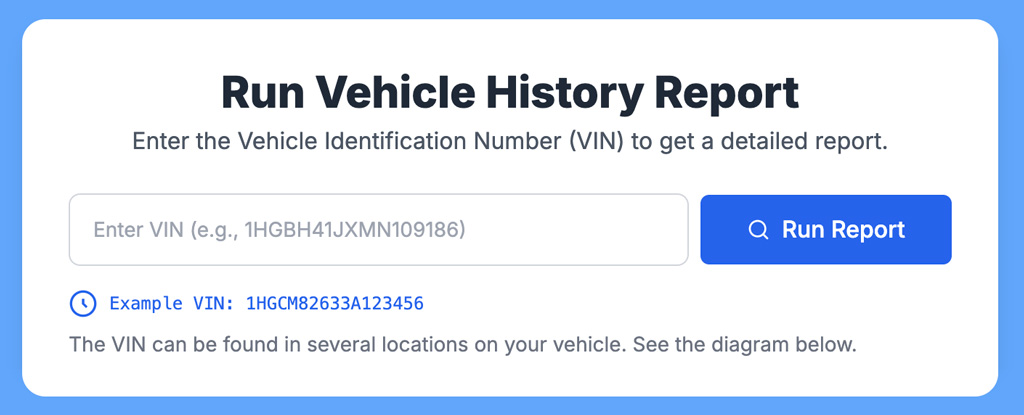
Before you contact a dealer, run a vehicle history report for the listed VIN to confirm service entries and title history, then schedule any focused inspections the report suggests.
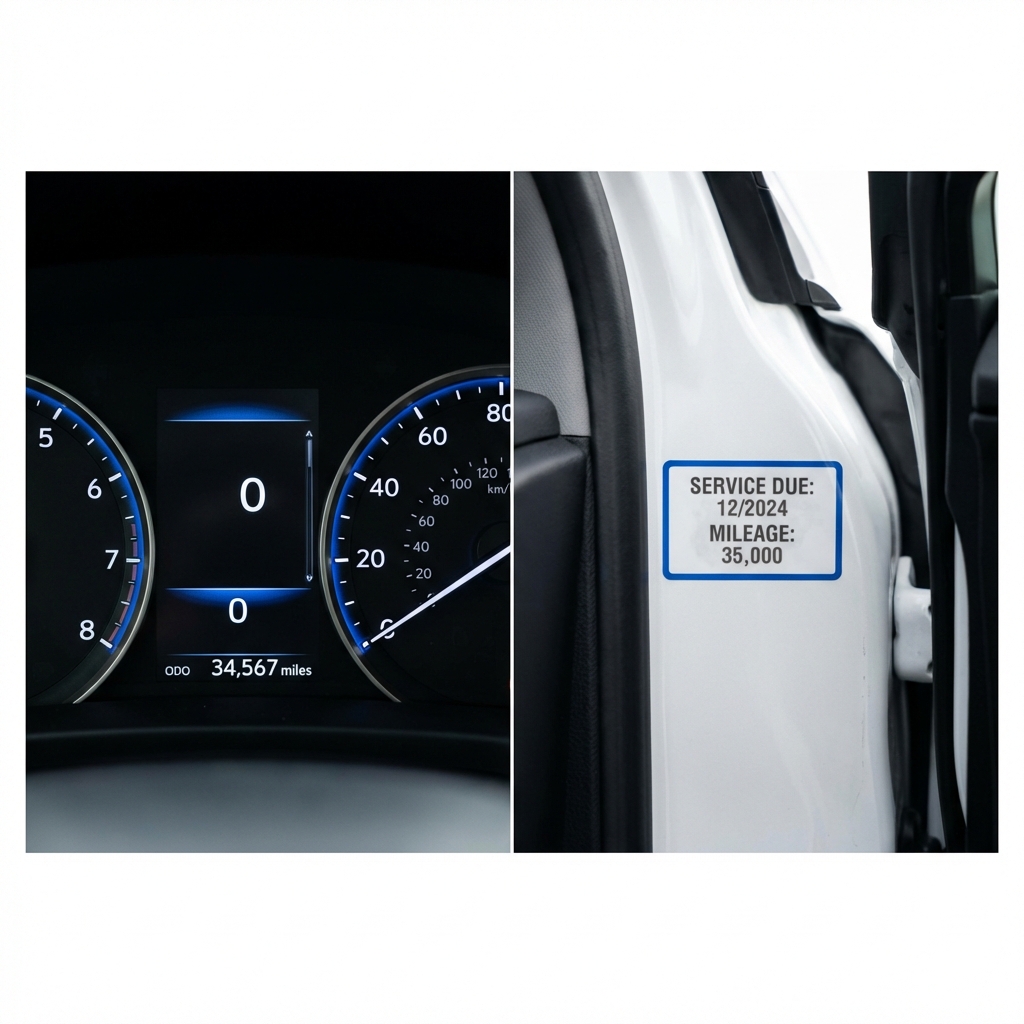
Step 1, compare odometer to model-year benchmarks. Multiply average annual miles for the region by the vehicle age to see whether the odometer is unusually low or high for the model year. Unusual odometer readings are not decisive by themselves but they change how you weight maintenance records and inspection results CarEdge lifespan article.
Step 2, review the vehicle history and service records. Look specifically for documented scheduled maintenance items, recent transmission or major service entries, and any inconsistent gaps in service that could indicate periods of neglect Lexus owner maintenance guides.
Step 3, confirm title status and accident signals. A salvage or rebuilt title and repeated damage entries reduce expected remaining useful life and typically increase repair cost uncertainty; no-accident-reported and single-owner signals are positive but not proof of condition RepairPal RX350 data.
Step 4, factor price analysis labels and local market context. Use a price label such as Great Deal or Fair Deal as context for negotiation, but combine it with the mileage and service evidence before concluding whether a higher or lower asking price is justified CarEdge lifespan article.
Step 5, schedule a paid pre-purchase inspection targeted to likely failure areas, especially drivetrain and suspension, and ask the inspector to confirm whether transmission shifting, fluid condition, and suspension bushings show wear consistent with the odometer and service history RepairPal RX350 data.
Which listing signals most reliably predict longer life
Documented scheduled maintenance with dated entries and readable invoices is one of the strongest predictors of longer service life for RX350s; consistent records reduce uncertainty about neglected fluids, overdue services, or deferred repairs Lexus owner maintenance guides.
Single-owner entries and a clean title or no-accident-reported signal add confidence because they imply fewer major repairs and a simpler ownership timeline, but they do not eliminate the need for inspection and fluid checks RepairPal RX350 data.
Price analysis labels and dealer transparency signals such as detailed service histories, clear dealer profiles, and available inspection reports help prioritize listings, but these are context signals rather than proof of mechanical condition CarEdge lifespan article.
Common RX350 problem areas buyers should check and how they affect longevity
Owner-data and reliability reviews consistently highlight drivetrain and transmission wear, suspension and bushing deterioration, and age-related electrical or accessory failures as recurring areas for RX350s; knowing these lets you direct inspections and test drives efficiently RepairPal RX350 data.
A used RX350 often remains useful past 150,000 miles and many reach 200,000 miles with consistent maintenance, but outcomes depend on model year, maintenance history, and prior damage.
Drivetrain and transmission wear often shows up as shifting hesitation, delayed engagement, or burned fluid notes on inspection; if the vehicle history report shows prior transmission service, follow up with the inspector about fluid type and service intervals RepairPal RX350 data.
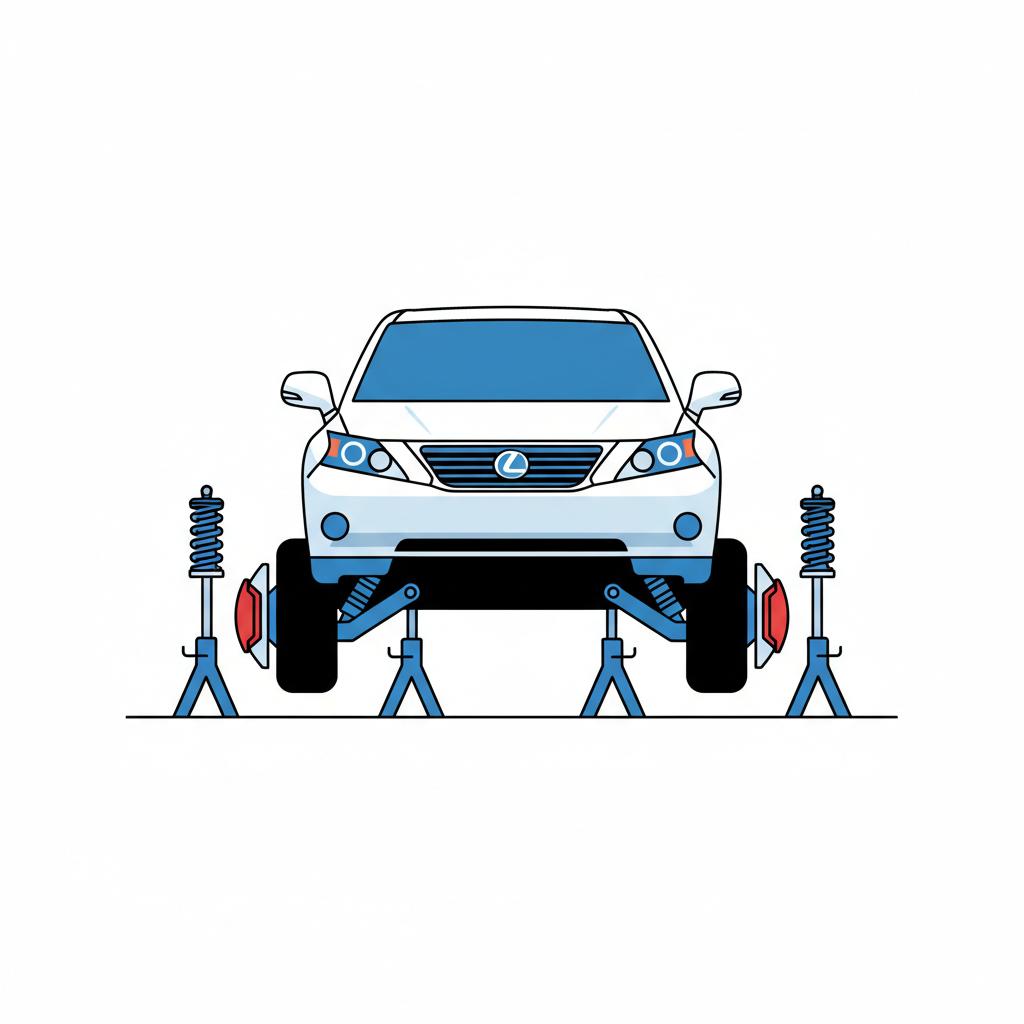
Suspension wear commonly appears as uneven tire wear, clunks over bumps, or visible bushing deterioration during a lift inspection; these repairs can be moderate in cost but do affect ride quality and resale if left unattended Consumer Reports model overview.
Electrical and accessory failures tend to be age related: items such as power liftgate mechanisms, HVAC actuators, or infotainment modules can require part replacements that are not catastrophic but add up over time; confirm whether such items were repaired under documented service records RepairPal RX350 data.
When you arrange a test drive, ask the seller to demonstrate routine systems such as heating and cooling, infotainment, and seat and mirror movement while checking for warning lights and listening for abnormal drivetrain noises; these simple checks often reveal issues that drive deeper inspection priorities Consumer Reports model overview.
Maintenance habits and interventions that tend to extend RX350 life
Following the factory maintenance schedule and keeping documented service records is strongly associated with longer useful life for RX350s; the manufacturer schedule identifies intervals for critical fluids and inspections that reduce wear on major systems Lexus owner maintenance guides.
Routine items with the largest impact include timely fluid changes, transmission service as recommended, brake work, and periodic suspension inspections; these tasks tend to prevent secondary damage that accelerates major failures RepairPal RX350 data.
Documented maintenance correlates with a higher likelihood that an RX350 will reach 200,000 miles or more, because it reduces the chance of missed service items that compound into driveline or engine problems iSeeCars 200,000 miles study. See the iSeeCars reliability overview here.
Keep a copy of service invoices and ask sellers for receipts tied to the VIN; a clear service trail is one of the most direct ways to reduce uncertainty about remaining useful life when you compare two otherwise similar listings Lexus owner maintenance guides.
How to weigh remaining life against price when comparing listings
Think of price and remaining life as two linked variables in total cost to own. For luxury crossovers such as the RX350, residual value typically declines most in the first three to five years, so a higher price on a younger, low-mileage example can be justified if it buys materially more remaining life CarEdge lifespan article.
When a higher price is justified: the listing shows consistent documented maintenance, no-accident-reported history, recent major services completed, and an inspection that confirms drivetrain and transmission condition. Those signals lower the probability of near-term costly repairs and increase expected useful life RepairPal RX350 data.
Red flags that make a low price riskier include missing service records, salvage or rebuilt title flags, recurring entries for the same mechanical failure, and inspection notes that highlight transmission or suspension problems. Any one of these can erase the apparent savings from a low asking price Consumer Reports model overview.
Use simple heuristics when comparing: estimate years remaining using current mileage and reasonable annual miles, then calculate a rough expected repair exposure for the next three years based on inspection outcomes; combine that with the asking price to compare total cost to own for competing listings CarEdge lifespan article.
Practical buyer scenarios: three listing examples and how to evaluate them
Scenario A: An older RX350 with low miles and full service records. Key positives are a documented maintenance trail and mileage that suggests low annual use; still verify age-related items like rubber components and electrical accessories during inspection RepairPal RX350 data. See owner reports on forums here.
Scenario B: A newer RX350 with a higher price but a minor accident on the report. Minor accidents with prompt repair and clear invoices can be acceptable if the vehicle has verified structural integrity and a full post-repair inspection; ask whether suspension alignment and frame checks were completed Consumer Reports model overview.
Scenario C: A high-mileage RX350 with consistent maintenance. This is often the best value proposition if the records show scheduled transmission service, fluid changes, and no repeated mechanical entries; prioritize a transmission fluid inspection and a close check of suspension bushings iSeeCars 200,000 miles study.
For each scenario, a paid pre-purchase inspection targeted to the listed concerns can change the outcome. For example, a transmission inspection can confirm remaining service life and materially affect whether a listing price is fair given expected remaining miles RepairPal RX350 data.
Summary checklist and next steps before you contact a dealer
Copy this quick checklist: verify service history, confirm mileage versus vehicle age, check title and accident signals, prioritize a pre-purchase inspection focused on drivetrain and suspension, and consider price alongside estimated remaining life Lexus owner maintenance guides, and see the CarFax Deals blog for more pricing context.
Where to look next: request invoices tied to the VIN, ask for a dealer-stamped service record when available, run a vehicle history report to confirm gaps or accident entries, and schedule a paid inspection if the listing passes the initial checks RepairPal RX350 data.
Using a verification layer such as a vehicle history report and transparent dealer signals reduces the chance of surprise repairs and helps prioritize listings with more remaining useful life; CarFax Deals can surface these history and pricing context signals to help with comparison, while leaving final inspection and negotiation to you. See CARFAX research for model reviews here.
Many RX350 examples have a median useful lifespan around 150,000 to 160,000 miles, and with consistent maintenance many reach 200,000 miles or more. Individual outcomes vary by model year, maintenance, and prior damage.
Ask for the VIN, full service invoices, dates and mileage for major services, and recent inspection or repair receipts. Run a vehicle history report and schedule a targeted pre-purchase inspection for drivetrain and suspension.
No. A low price can reflect higher repair risk if service records are missing, titles are branded, or inspections reveal drivetrain or suspension issues. Combine price with history and inspection evidence.
Use the checklist in this article to prioritize listings that pair plausible remaining life with clear service records. A focused inspection and a VIN-linked history report will usually be the deciding factors when price differences are small.
If a listing has strong documented maintenance and no serious title issues, it often offers more predictable ownership costs over the next several years than an otherwise similar low-price vehicle without records.

 Blog
Blog