A clear, practical guide to the disadvantages of owning a Mazda: common trouble spots, maintenance and repair costs, model-specific issues, recall considerations, and a step-by-step buying checklist. Learn how to spot paint, brake, suspension and electrical concerns, why engine collapse is rare, and how a vehicle history report from CARFAX Deals can reduce risk when shopping used. Ideal for buyers who want the fun driving feel of a Mazda without surprises.
A rav4 used for sale can be a sensible pick for many research-oriented buyers because reliability aggregators rate the model above average and safety ratings are generally strong. This guide explains how to vet listings, what model years tend to be better, and a step-by-step checklist to reduce risk before you buy.
This guide explains how to estimate the cost of buying an R34 Skyline, with attention to import rules, condition-driven price tiers and landed cost. It shows which factors move value, how to verify history and paperwork, and offers a checklist you can follow when you search for a nissan skyline r34 for sale.
This guide helps buyers set realistic expectations for tacoma trucks for sale by explaining the main price drivers and a repeatable method to build conservative, typical, and ambitious offer ranges. It shows how the 2024 redesign, valuation guides, and vehicle history reports interact to change asking prices and reduce purchase risk.
Buying a used Mazda often combines the joy of a fun-to-drive car with practical ownership concerns. This guide covers the real disadvantages of Mazda vehicles—common trouble spots like paint, brakes, suspension, and electronics—plus model-specific cautions, inspection checklists, recall checks, cost expectations, and how a VIN-backed history report can help you shop with less risk.
1. Average annual maintenance for Mazda is commonly cited near $433, placing it toward the lower end among mainstream brands.
2. The three most recurring complaint areas are paint/clearcoat, brakes (including master cylinder issues), and suspension/strut leaks.
3. Use CARFAX Deals VIN-backed reports to confirm recall repairs and accident history — listings with verified history reduce buying risk by up to a meaningful margin in consumer studies of used-vehicle purchases.
Quick look: mazda car problems and what they mean for you
mazda car problems are often more specific than sweeping: they tend to cluster around paint, brakes, suspension and electronics rather than sudden engine collapse. That distinction matters. If you know where to look and how to test-drive a Mazda, you can keep most surprises out of your ownership story.
Mazda has earned praise for cars that feel engaging to drive, look sharp, and generally cost less to maintain than many rivals. Still, the same details that make Mazdas enjoyable — lightweight chassis, precise steering, and tightly packaged cabins — mean wear shows up in predictable places. Read on for a practical, plain-English guide to the disadvantages of a Mazda car, plus inspection tips, model-specific notes, and how to reduce risk when buying used.
Industry data gives a useful baseline. Average annual maintenance and repair costs reported for Mazda place the brand toward the lower end of mainstream alternatives. A commonly cited figure near $433 per year is a helpful starting point, but averages hide variation — and that's where many mazda car problems appear.
On initial quality rankings such as J.D. Power’s PP100, Mazda sits in the middle-to-upper tier among mass-market brands: better than some mainstream names, but not quite at the very top. That combination means you can expect solid performance, with certain model-year quirks that deserve close attention.
Safety notices and recalls — a quick reality check
Recalls don’t always signal chronic unreliability, but they do matter. Between 2023 and 2025, Mazda issued recalls affecting airbags and other components on widely owned models. When you evaluate a specific car, check whether recall repairs were completed and documented — an unchecked recall is an avoidable risk. You can also search Mazda's official recall lookup for VIN-specific notices: Mazda recall information.
Common trouble spots to watch for
The complaints that appear most often in owner reports and forums are not romantic or dramatic; they’re everyday annoyances that can add expense or hassle. Below are the places to focus your inspection.
1. Body and paint problems
Many owners report premature clearcoat peeling, fading, or localized paint failure. These paint issues often cluster by model year, exterior color, or finish. In climates with heavy sun or road salt, clearcoat wear can accelerate — and a partial respray or bodywork can be costly if you want a showroom look.
2. Brakes and brake master cylinder faults
Brake pad wear is normal, but some Mazdas show faster-than-expected pad or rotor wear and, in a subset of cars, master cylinder problems. Signs include a spongy pedal, uneven braking, or unusual noises. These repairs can range from a few hundred to several hundred dollars, depending on whether parts and labor are needed.
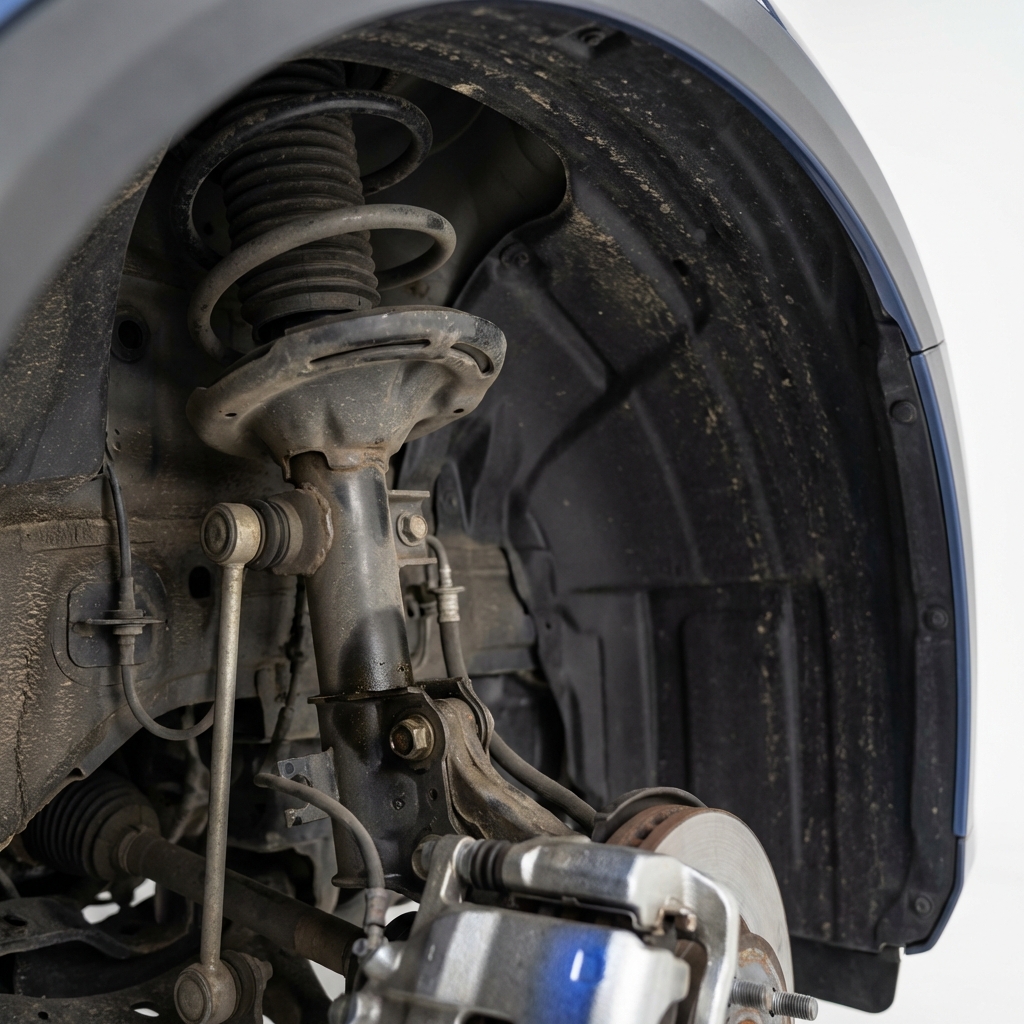
3. Suspension wear and strut oil leaks
Strut leaking or early bushing wear shows up as a rougher ride, clunks over bumps, or uneven tire wear. A simple bounce test and a look behind the wheels for oil on the strut housing will reveal many early signs. Replacing struts or bushings is a common service and often the reason owners talk about mazda car problems.
4. Electronics and infotainment glitches
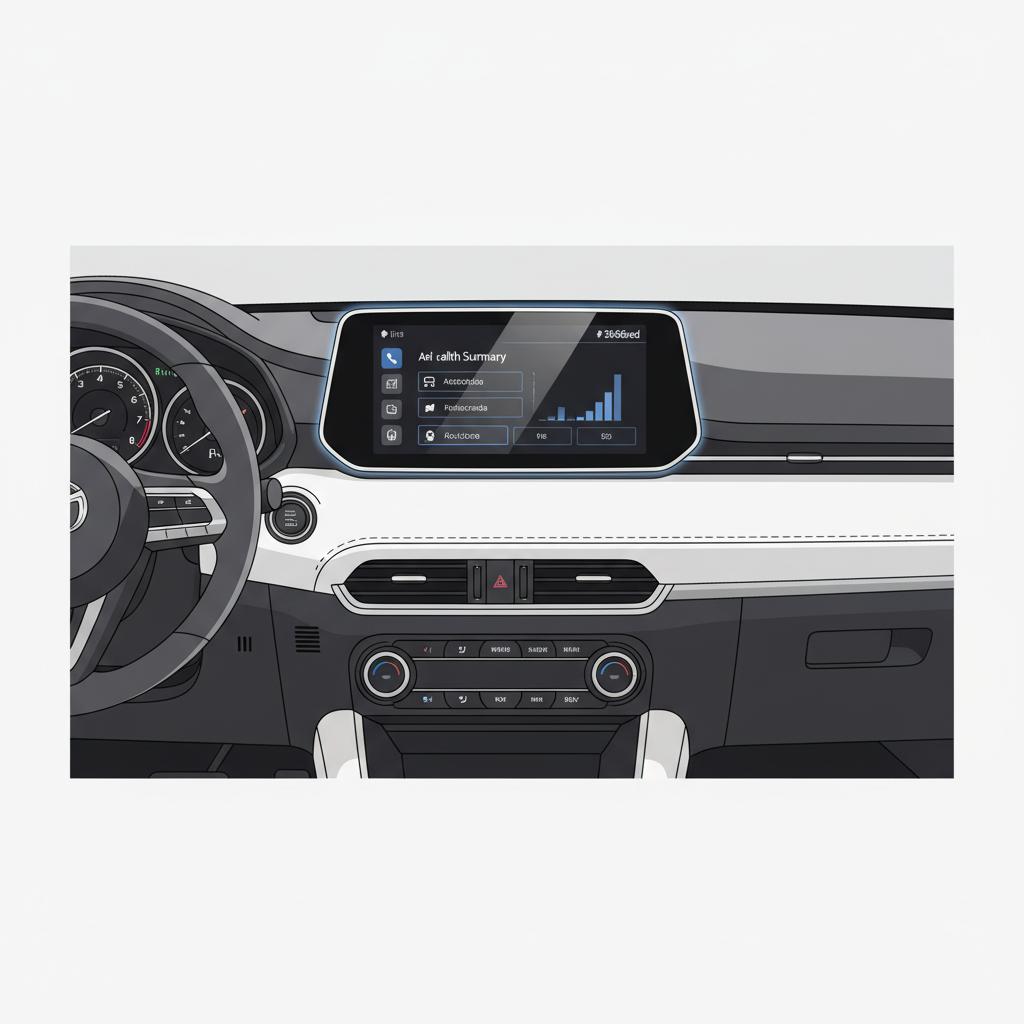
Infotainment hiccups, warning lights that appear without clear cause, and occasional sensor faults are commonly reported. These issues are rarely catastrophic, but they can be annoying and sometimes costly if a control module or sensor needs replacing. Before buying, cycle every in-cabin function and keep an eye on the dashboard during your test drive.
5. Engines: what rarely happens — and what to watch for
Widespread engine collapse is not common in modern SkyActiv engines. Most mazda car problems relate to peripheral systems rather than catastrophic engines. That said, newer powertrains like SkyActiv‑X are still building long-term service records, so expect a little uncertainty if you choose one of those models.
Model-by-model reality checks
Grouping all Mazda models together hides important differences. Popular cars like the Mazda3 and CX‑5 appear in complaint databases more often simply because there are more of them on the road, but patterns emerge that matter to buyers.
Mazda3
The Mazda3 regularly earns praise for its handling and styling, yet some model years have recurring paint complaints and occasional infotainment oddities. If you’re looking at a Mazda3, ask for detailed service records and focus on exterior finish inspections.
CX‑5
The CX‑5’s strong points are comfort and value in the compact SUV class, but suspension complaints and some brake issues show up in owner reports. Higher-mileage CX‑5s may need strut or bushing work sooner than you expect.
CX‑30 and smaller crossovers
Smaller crossovers often share electrical and sensor-related headaches found across the range. Turbocharged trims, while more fun to drive, add complexity and potential service costs that differ from naturally aspirated versions.
Recalls and service history: the why and the how
Recalls are manufacturer actions to address a safety or compliance issue — the car itself can still be a good buy if the recall was handled properly. Your key questions at purchase are: was the recall addressed on this VIN, and is there documentation showing proper repair?
Some recalls are higher priority than others — airbag or steering-related recalls should be resolved before you drive the car extensively. Use the vehicle's VIN to pull recall history and verify repairs before you sign the paperwork — check the NHTSA recall lookup at NHTSA recalls, or run a VIN report with CARFAX Deals at CARFAX Deals VIN report. You can also consult aggregated recall summaries at KBB's recall notices.
Costs to own: a realistic breakdown
Annual maintenance averages like $433 offer a baseline, but real-life ownership costs depend on model, driving, and geography. Expect lower-than-average routine costs on many Mazdas, but be prepared to pay for occasional bodywork, suspension repairs, or electrical fixes.
Insurance costs for Mazda models vary widely by trim and driver profile. Sportier trims or turbocharged engines typically raise premiums, and that is part of total ownership math many buyers forget to include.
Why trim, engine, and model year matter more than the brand badge
Mazda is a brand where the specific configuration often tells you more than the name on the hood. A turbocharged SkyActiv‑G or the SkyActiv‑X engine brings different potential issues than a base naturally aspirated motor. Trim levels that add extra technology can raise both the purchase price and the cost to repair electronics down the line.
Parts availability can also vary with region and model year. Older or less common trims may require OEM parts that take longer to source, which increases downtime and potentially the bill.
How to inspect a used Mazda — a practical checklist
When you stand in front of a used Mazda, treat your inspection like a short audit. A few focused checks reveal most mazda car problems:
Exterior: look for clearcoat peeling, bubbling, mismatched panels, or paint overspray. Those can indicate prior bodywork or the paint problems that recur on some years.
Undercarriage and struts: check wheel wells and strut housings for oil. A damp strut or oil trail usually means replacement soon.
Brakes: listen for squeal, test pedal firmness, and watch for pull during braking. Uneven braking or a soft pedal suggests attention is needed.
Interior electronics: cycle the infotainment, climate, seat heaters, and all warning lights. Small glitches are common; persistent warnings are a red flag.
Test drive: include city, highway, and rough surfaces to expose brake feel, suspension clunks, and steering alignment issues. Try a firm but safe brake stop to test pedal consistency.
Ask the seller for receipts and for any documentation of recall repairs. Check maintenance against manufacturer schedules. If a timing component or major service is due, factor that into your offer.
Tip: Before you visit a dealer, run a CARFAX report for the VIN to see documented repairs, accident history, and recall completion — a small step that often saves buyers from expensive surprises.
Smart test-drive prompts that reveal problems
A careful test drive is your best diagnostic tool. Bring a short checklist and use these prompts to surface typical mazda car problems.
Listen: suspension clunks, grinding brakes, or engine knocks often announce themselves audibly. Any metallic buzz or clunk should be noted.
Brake check: perform a couple of moderate-to-firm stops in a safe area. Notice pedal feel, vibration, or pulling.
Acceleration: listen to the engine under load — turbo or high-output engines sound different; roughness or hesitation can indicate mechanical or transmission issues.
Electronics: watch the instrument cluster and infotainment while you drive. Glitches that appear under motion are often easier to replicate than ones at rest.
Repair and parts expectations
Routine parts are generally affordable and widely available, but rare trims or older models sometimes see longer lead times on certain body panels or electronics. Labor costs vary by region and whether you prefer a dealer or a trusted independent mechanic. For many mazda car problems, a skilled independent shop offers fair pricing and quick turnaround.
Long-term view on newer Mazda powertrains
Mazda’s SkyActiv engines are efficient and well-regarded, but cutting-edge variants like SkyActiv‑X are still accumulating long-term evidence. If you want the newest tech and better fuel economy, accept that a small amount of uncertainty may accompany that gain. For buyers who prefer predictability, a tried-and-true naturally aspirated engine can reduce unknowns.
How a vehicle history service reduces risk
A vehicle history check isn’t a substitute for inspection, but it narrows your field and highlights the real warning signs. A platform like CARFAX Deals connects VIN-level reports with listing details so you can quickly see whether a car was in an accident, whether probes exist for odometer discrepancies, and whether recall repairs are documented. That evidence helps you prioritize which cars to inspect in person and which to pass on.
Negotiation points: how to use problems to set a fair offer
When you identify needed repairs — paint work, upcoming service, or incomplete recall fixes — let that shape your offer. Get quotes for visible repairs and add a reasonable contingency for unseen issues. If a seller refuses to acknowledge clear maintenance needs, be prepared to walk away. The market has many Mazdas that don’t carry those burdens.
Real owner scenarios and a short anecdote
A friend bought a low-mileage Mazda and loved the handling. The second winter, he noticed clearcoat picking up salt stains and required a partial respray — not a catastrophic failure, but an unexpected expense that taught him to check finish condition closely. Many mazda car problems show up as small, budgetable repairs rather than sudden disasters.
Buyers most commonly notice paint and clearcoat wear; it’s visible, often affects resale value, and is sometimes missed on casual inspections — check finish condition carefully and verify service records.
Questions buyers ask — answered
Is a Mazda expensive to maintain? Not on average. RepairPal-style data places average annual maintenance in a comfortable middle range for mainstream brands. Your actual cost depends on model, trim, and local labor rates.
Are there common Mazda problems to worry about? Yes, but they are specific: paint and body finish, brakes, suspension, and electronics. These are typically repairable and rarely mean engine failure.
When to walk away
If a vehicle has an active safety recall that hasn’t been addressed, significant structural damage not disclosed, or seller refusal to provide service documentation, consider walking away. These are clear signs of elevated risk.
Final inspection tips and next steps
Bring a friend or mechanic, or schedule a professional pre-purchase inspection. Run the VIN through a vehicle history service like CARFAX Deals VIN report or a quick VIN decode at CARFAX Deals VIN decoder, confirm recall completion, and take time on the test drive. With those steps, most mazda car problems are easy to spot and quantify.
Check the VIN before you buy — it takes minutes and saves headaches
If you’re shopping used, take one small step that pays off: check the VIN with a verified vehicle history report before you negotiate. Run a CARFAX report to confirm recalls, accident history, and service records — it’s a quick way to buy with more confidence.
Pros: engaging steering, attractive design, generally affordable routine maintenance, good fuel economy on many trims.
Cons: model-year paint issues, occasional brake and suspension wear, and electrical gremlins in some cars — all manageable when you inspect carefully.
Closing practical advice
Treat every Mazda as a specific vehicle rather than a generic brand label. Focus on the VIN-level history, service records, and a careful test drive. If you do that, most mazda car problems are avoidable or inexpensive to fix — and you get to keep the parts of the Mazda experience most people buy one for: the way it drives, looks, and fits into everyday life.
The most common mazda car problems to check are paint and clearcoat wear, brake pad or master cylinder issues, suspension or strut oil leaks, and infotainment or electrical glitches. Inspect the exterior finish, look for oil on struts, test brakes under safe conditions, and cycle all electronic functions during the test drive. Also verify recall repairs and service history via the vehicle's VIN.
A vehicle history report can't guarantee a perfect car, but it significantly reduces risk. CARFAX Deals ties VIN-level history, recall listings, and pricing context to the listing so you can see accidents, title issues, and whether recall repairs were documented. Use it alongside a mechanical inspection and test drive for the best protection.
On average, Mazdas are not expensive to maintain — industry figures place average annual maintenance near the lower end of mainstream brands. However, specific models and trims may incur higher costs, especially if paint or suspension repairs are required. Factor model year, trim, and any known complaint clusters into your ownership cost estimate.
Most mazda car problems are manageable with a focused inspection, a verified vehicle history report, and a careful test drive — keep an eye on paint, brakes, suspension, and electronics, and you'll likely enjoy Mazda's driving character for years; happy, confident car shopping!


 Blog
Blog