What year of mini coopers to stay away from? — What to check before you buy
Searching for a mini cooper for sale requires precise checks, not just a glance at photos. This guide flags the model years and engine families that appear most in repair and complaint data, explains how to check recalls and safety ratings, and gives a step by step checklist to reduce risk when comparing listings. Use a vehicle history report and VIN checks to verify title status and open recalls before you contact a dealer.
A step-by-step workflow for estimating a truck's market value that centers on comparing consumer valuation tools, adjusting for mileage and condition, and checking wholesale market signals. The guide explains private-party, trade-in and dealer retail values and shows how a vehicle history report and pricing insights can change an asking price.
This guide helps research oriented buyers evaluate suv used cars for sale under $25,000 by combining safety ratings, reliability data, local pricing context, and vehicle history checks. It outlines a simple framework, a pre visit checklist, and a decision scoring worksheet so you can compare finalists before contacting a dealer. Use the steps here to narrow candidates and confirm risk signals with a vehicle history report and a pre purchase inspection.
When searching suv used cars for sale, prioritize model year, trim and powertrain before choosing a make or model. This guide explains how safety ratings, dependability studies and local pricing insights combine to produce a short list you can verify with a vehicle history report. It also provides a stepwise checklist you can use before contacting a dealer.
Searching for a mini cooper for sale can feel efficient, but the same model name spans multiple engines, body styles, and model years that differ in reliability and safety. This guide focuses on the specific years and engine families that appear in repair and complaint databases, and it gives practical checks you can run before you visit a dealer.
Use the checklist and VIN centered steps to reduce uncertainty. Confirm title status, ownership history, and open recalls with a vehicle history report, then follow the inspection and negotiation steps tailored to Mini specific concerns.
The R56 generation, roughly 2007 to 2013, appears repeatedly in repair and complaint databases for engine related problems.
N14 and N18 engines have been linked to elevated oil consumption and high pressure fuel system issues in owner reports.
Always run a VIN level recall check and request service records before finalizing a used car purchase.
What "mini cooper for sale" means: quick context for used buyers
How listings differ from peer to peer sales
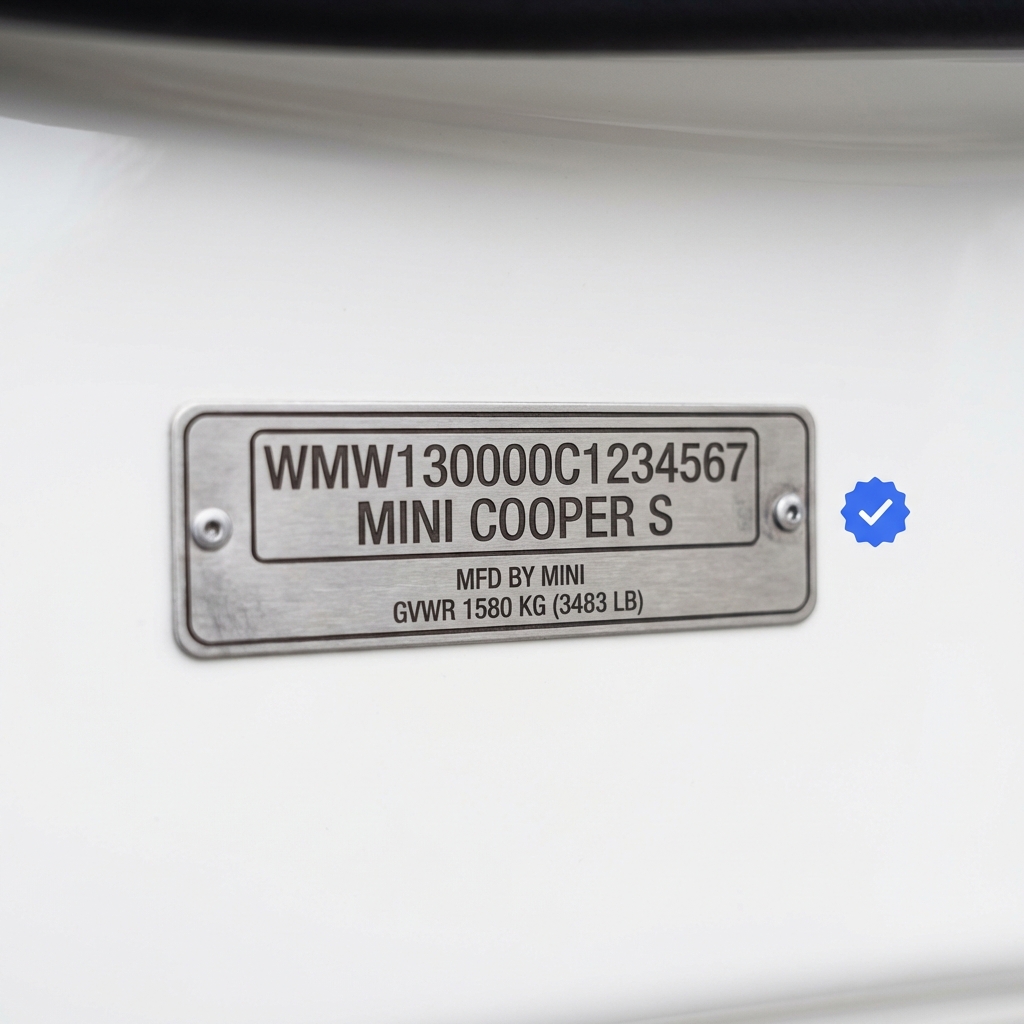
When you search for a mini cooper for sale you will find listings that cover different body styles, model years, and several engine families, so the listing headline alone can be misleading. Use the VIN shown on a dealership listing to check the exact build, not only the model name. In many cases, the same "Cooper" label can hide important differences in engine and recall history, which is why buyers should verify the VIN before assuming the car matches general reviews or classifieds.
Vehicle history reports help you compare listings by surfacing title status, ownership history, and known events tied to the VIN. A focused history report is especially useful when a listing lacks clear service records or shows multiple prior owners, and it can reduce uncertainty when you are choosing between similar priced cars.
Compare pricing insights and vehicle history context across listings
Use as a quick filter before calling the dealer
Why model year and engine matter more than trim buzzwords
Trim labels and optional packages are useful for comfort and features, but long term reliability and repair costs depend mostly on model year and powertrain. For example, particular engine families and certain generation years show repeating maintenance and repair patterns that matter more than a leather seat option. When a listing highlights a fancy trim but does not include service history, regard the trim as secondary until you verify the engine and maintenance records.
To prioritize listings, filter first for clean title or single owner and then request the VIN for a vehicle history report. That way you can confirm title status and open recalls before investing time on a single listing.
Which Mini Cooper years and engine families tend to need extra scrutiny
R56 generation overview (circa 2007 to 2013)
Aggregated owner complaint databases and repair statistics point to the R56 generation, roughly 2007 to 2013, as a model range that often appears in reports for engine and timing chain related failures, so buyers should treat R56 listings with extra caution and inspect engine service history closely, according to repair data and owner complaint summaries, which document recurring issues for that era RepairPal reliability data. You can also find owner forum threads discussing R56 reliability trends for firsthand accounts PistonHeads discussion.
That does not mean every R56 is a poor choice, but it means the model year range is a relevant risk signal. If you are looking at an R56 listing, ask for targeted maintenance records that show timing chain or tensioner work and any related engine repairs, and consider a focused compression and leakdown check as part of an independent inspection.
N14 and N18 engine family problems and where they appear
The N14 and N18 engine families, used across several Mini model years, have been reported in owner complaint logs for elevated oil consumption and high pressure fuel system faults, and these patterns are visible in aggregated repair and complaint data, so inspect service records for oil top offs and fuel system repairs when a listing cites those engines CarComplaints summary of Mini problems.
If the listing or dealer does not clearly specify the engine code, ask for the VIN and confirm the exact engine in the vehicle history report or on a build sheet. When N14 or N18 engines are identified, request records that show frequent oil changes and any high pressure fuel pump work, because that maintenance history directly affects likely future costs.
How to check recalls and safety ratings for a specific Mini Cooper
Where to find NHTSA and IIHS entries for VIN or model year, mini cooper for sale
Before you make a buying decision, check open recalls for the exact VIN and look up crashworthiness ratings by model year and body style. The U.S. National Highway Traffic Safety Administration allows VIN level recall searches and lists campaign details, which helps you see if a vehicle has an unresolved safety action NHTSA recall and vehicle page.
For crashworthiness and comparative safety ratings, consult the Insurance Institute for Highway Safety for the specific year and body style, because ratings can vary across model years and trims and this affects how you evaluate overall safety for family or daily driving needs IIHS vehicle ratings.
Run a vehicle history report for the exact VIN
Run a VIN recall and history check before scheduling a test drive, so you can confirm open recalls and title status for the exact car you are considering.
An open recall does not automatically disqualify a used Mini, but unresolved safety campaigns are a decision point you should address with the seller. If a recall is active for the VIN, ask whether the recall work was completed and request documentation, because dealers often must disclose open recalls and many recall repairs are performed at no cost by authorized service centers.
When a recall addresses a safety related component, consider postponing a purchase until the campaign is resolved, unless the seller provides clear, dated proof of completed recall repairs. Recent recall activity through 2024 and 2025 shows that even newer model years can have discrete risks that need VIN verification NHTSA recall and vehicle page.
Common mechanical problems, maintenance patterns, and ownership cost signals
Engine, high pressure fuel system, and oil consumption issues
Repair aggregators and owner reports commonly list engine and fuel system concerns among Mini owners, including timing related engine damage, high pressure fuel pump faults, and higher than expected oil consumption in some engine families, so focus service record checks on these systems when a listing matches those model years or engines RepairPal reliability data.
In practice, look for oil change receipts, notes about fuel system parts like pumps or sensors, and any records that show timing chain or timing component replacement. These entries help you judge whether the car was maintained proactively or allowed to run with faults that could become costly.
Typical maintenance cost patterns versus hatchback peers
Published ownership cost comparisons indicate that Mini Coopers often incur higher average repair and maintenance costs than many mainstream subcompact hatchbacks, which increases expected total cost to own and should factor into your budget planning for ownership beyond the purchase price Consumer Reports ownership cost guidance.
That means you should compare dealer asking prices not only to similar Minis, but also to comparable hatchbacks when assessing value. Use pricing insights and price analysis labels when available to see whether a listing is priced with local market context in mind, and weigh likely maintenance costs into the overall offer decision.
Step by step used buying checklist for a Mini Cooper for sale
Pre-listing checks you can do online
Start by filtering listings for title status and clear ownership signals. Ask the dealer to provide the VIN, then run a vehicle history report to confirm title status, ownership history, and any reported damage or salvage events before you visit in person Consumer Reports reliability and buying advice.
Use pricing insights to compare similar listings in your area and flag those labeled with helpful price analysis signals. If the price looks low compared with local context and the vehicle history report shows gaps or title issues, treat the listing as higher risk and proceed with caution.
Before a visit, request service records that specifically cover timing chain or timing component work, any fuel system repairs, and evidence of regular oil changes. If these targeted records are not available or show large gaps, consider a different listing or ask the dealer for a reduced price that reflects the documented risk.
Confirm there are no unresolved recalls on the VIN and ask for proof of completed recall repairs if any recall is listed. When a VIN shows recent recall activity but no completion documentation, schedule a follow up after receipt of those documents or insist the dealer arrange the recall service if you proceed.
What to inspect during a test drive and independent inspection
During the test drive, listen for unusual engine noises, check for excessive smoke at startup and under load, and verify the transmission shifts smoothly. Bring the VIN and request a third party pre purchase inspection that focuses on the engine, timing components, fuel system, and transmission if those systems are indicated by model year or owner reports Edmunds used buying guide.
Ask the inspector to perform a compression or leakdown test when engine concerns are suspected and to inspect for oil leaks or excessive consumption. A documented independent inspection that lists specific deferred maintenance items provides bargaining leverage and helps you choose whether to proceed.
Typical buyer mistakes and red flags to avoid
Overvaluing cosmetic condition over service history
Buyers often focus on cosmetics and ignore maintenance records, which can be costly with Minis. Surface condition can hide deep service gaps, so always prioritize the vehicle history report and documented service entries over paint and interior impressions when deciding on a purchase offer Consumer Reports reliability and buying advice.
Cosmetic fixes are cheaper than major engine or fuel system repairs, so if a dealer emphasizes appearance but cannot provide consistent service history, treat the listing as higher risk and request concrete maintenance documentation.
Ignoring recall status or salvage/rebuilt titles
Red flags include salvage or rebuilt titles, multiple owners with large maintenance gaps, unresolved recalls, and a history of major powertrain repairs. These items correlate with higher post purchase cost and should prompt caution, as consumer guidance lists these as primary warning signs CarComplaints problem records.
Skipping a VIN vehicle history check or independent inspection increases the likelihood of missing these red flags. Always obtain a VIN report before paying a deposit or signing paperwork.
Three example scenarios: reading a listing and what to do next
Scenario 1: 2010 R56 Cooper with inconsistent service records
Listing signal, action: a 2010 R56 Cooper shows cosmetic care but has gaps in oil change receipts. Because the R56 generation appears in aggregated complaint data for engine and timing concerns, request a full vehicle history report and ask for any records that show timing chain work or engine repairs, and then order an independent inspection focused on the engine RepairPal reliability data.
If the VIN report reveals prior powertrain repairs without detailed follow up, walk away or renegotiate aggressively. If records confirm timely oil changes and timing component service, the risk is reduced but not eliminated, so keep inspection findings and the history report when deciding.
Scenario 2: 2016 model with N14/N18 engine and reported oil consumption
Listing signal, action: a 2016 listing notes the engine code or owner mentions topping off oil frequently. Because the N14 and N18 engines have reported elevated oil consumption and fuel system complaints, obtain a VIN history report and ask for recent oil analysis or detailed oil change logs, and schedule a compression or leakdown test during the inspection CarComplaints summary of Mini problems.
If the independent inspection shows high oil consumption or worn components, prepare for likely additional repairs and factor those into total cost to own. If records show consistent oil maintenance and no pressure on oil levels between services, the immediate risk is lower but you should still plan for closer oil monitoring after purchase.
Focus on model years and engine families with repeating problems, notably the R56 generation and cars using the N14 or N18 engine families; verify each listing with a VIN vehicle history report and targeted service records.
Scenario 3: newer model with an open recall notice
Listing signal, action: a recent model year appears attractive but the VIN check shows an open safety recall. Ask the seller for proof the recall was completed, or request that the dealer arrange the recall service before sale, because open recalls are easily confirmed through official recall pages and should be addressed before you accept ownership NHTSA recall and vehicle page.
If a dealer cannot document completed recall repairs, consider walking away or postponing the purchase until the recall is resolved. If proof is provided, keep the recall repair records with your vehicle history documentation and verify the repair work covers all campaign items listed for the VIN.
Deciding: when to walk away and next steps after you buy
Criteria that should trigger walking away
Walk away if the VIN shows a salvage or rebuilt title, multiple owners with unexplained maintenance gaps, unresolved safety recalls tied to the VIN, or a history of major unaddressed powertrain repairs. These conditions materially increase the risk of expensive repairs and reduced resale value, and consumer guidance lists them as primary red flags CarComplaints problem records.
Also consider walking away when the dealer cannot provide clear, dated service records for timing and engine work on model years known to have such issues, or when an independent inspection finds signs of imminent major repairs.
Post purchase checks and maintenance to prioritize
After purchase, schedule any overdue maintenance shown in the history report, confirm completed recall repairs with documentation, and keep the vehicle history report as part of your records. Prioritize engine oil and filter service, and confirm that timing components and high pressure fuel system items were inspected if those systems are relevant to your model year and engine.
Finally, set a realistic maintenance budget that reflects higher average repair costs for Minis compared with some mainstream hatchbacks, and plan for closer monitoring of oil consumption and fuel system behavior in the first year after purchase Consumer Reports ownership cost guidance.
Aggregated repair and complaint data most frequently identify the R56 generation, around 2007 to 2013, and certain models with N14 or N18 engines as years to inspect carefully.
Obtain the VIN and run a vehicle history report to confirm title status, ownership history, and any open recalls before scheduling a test drive.
Yes, many recall repairs are performed at no cost by authorized service centers, but buyers should request documentation of completed recall work for the VIN to avoid uncertainty.
Choosing a used Mini Cooper involves balancing desired features with documented risk signals. By prioritizing VIN checks, targeted service records, recall verification, and an independent inspection you can make a clearer decision about whether a specific listing fits your tolerance for maintenance and ownership cost.
Keep records of your vehicle history report and completed recall work after purchase. That documentation protects value and helps plan necessary maintenance for the months ahead.


 Blog
Blog