Wondering what are the most reliable car brands? This comprehensive guide explains why certain marques—especially Lexus, Toyota, Mazda, Honda and Subaru—regularly top reliability lists, how studies measure dependability, and what to check when shopping used. You’ll get practical steps for model- and year-level vetting, a quick checklist for inspections, how EVs and ADAS change the reliability picture, and smart ways to use CARFAX Deals to reduce risk and spot good prices. Read on for data-backed guidance, real-world tips, and the exact questions to ask before you buy.
This guide helps research-oriented buyers compare used Tacoma options and decide which model years and trims match their priorities. It distinguishes third-generation 2016–2023 Tacomas, which have a long service and parts history, from the 2024 redesign that introduced i-FORCE powertrain options. Use a VIN-based vehicle history report and a professional pre-purchase inspection to reduce risk before you contact a dealer.
This guide explains which tacoma trucks for sale show the strongest reliability and safety signals to watch out for, and why mid-2010s and many pre-2016 Tacomas appear most often in complaint and recall records. The article shows how to use vehicle history reports, recall checks, and a focused inspection to reduce risk when evaluating a used Tacoma.
This article helps buyers searching tacoma trucks for sale understand which Tacoma engine tends to be most reliable. It summarizes reliability ratings, owner-complaint clusters, and maintenance-cost differences between the 2.7L I4 and the 3.5L V6, and gives actionable checks to reduce engine-related risk.
When you buy a car, you’re buying more than metal and paint—you’re buying years of daily routines. This guide explains what the data says about the most reliable car brands, why certain names appear at the top, and exactly what to check when you’re shopping used, including how to use CARFAX Deals for verified history and price context.
1. Lexus and Toyota repeatedly lead owner-reported reliability studies in 2024, often showing fewer problems per 100 vehicles.
2. A well-maintained high-mileage car can be more reliable than a low-mileage car with missing service records—context matters more than odometer.
3. According to CARFAX data trends, listings labeled as "Great Deal" on CarFax Deals correlate with better-documented vehicle histories and lower risk for buyers.
What are the most reliable car brands?
Reliability is the quiet promise that your daily routines, commutes, school runs, weekend trips, won’t be interrupted by surprise bills or long waits at the shop. When people ask what are the most reliable car brands, they’re usually after a brand-level shortcut that reduces uncertainty. This guide unpacks the evidence behind that shortcut, explains the limits of brand-level thinking, and shows the exact steps to find a reliable used car that fits your needs.
Why the question matters
Buying a car is one of the most expensive purchases most of us make. For many buyers, reliability matters more than headline horsepower or the latest in-cabin tech. That’s why searches for phrases like most reliable car brands or most reliable used cars near me are common: people want peace of mind and predictable ownership costs.
Across owner surveys and repair-frequency studies through 2024, a consistent pattern appears: Japanese brands—Lexus, Toyota, Mazda, Honda and Subaru—are often near the top of dependability lists. Those names show up again and again in J.D. Power, Consumer Reports, RepairPal and similar sources. But brand reputation is only the start: model, year, maintenance history and local conditions matter just as much.
How reliability is measured
Not every study uses the same yardstick. J.D. Power’s Vehicle Dependability Study (VDS) looks at problems per 100 vehicles (PP100) over the first three years of ownership. Consumer Reports collects owner-reported reliability and ranks models and brands. Repair-frequency datasets track shop visits and typical repair costs, giving a view of both how often a car needs attention and how expensive that attention is.
When you search for most reliable car brands, it helps to know what each metric emphasizes: frequency, severity, or cost. A brand can score well on frequency but still have higher average repair bills because parts or labor are expensive - often the case with luxury marques.
Study highlights and the 2024 picture
In 2024, Lexus and Toyota frequently topped the charts for low owner-reported problems and lower-than-average repair visits. Mazda and Honda also performed strongly. Subaru often scored well on core metrics, although some older Subaru engines carried particular maintenance quirks in earlier generations.
These patterns explain why many shoppers start their used-car search with a shortlist built around the brands most often named when asked what are the most reliable car brands. But remember: even top brands have weaker model years and trim-specific risks.
When you’re narrowing your shortlist, it’s wise to pair brand-level research with vehicle-specific data. A quick way to do that is to use CARFAX Deals to check verified vehicle history reports and price analysis labels like "Great Deal" or "Good Deal". That kind of context helps you compare similar listings and spot cars backed by clean histories—exactly the kind of information buyers who care about reliability want.
Many of the practical steps below assume you’ll use vehicle-history and price-comparison tools as part of your workflow; the links and resources recommended later make that simple.
Common reasons certain brands score well
Why do brands like Toyota and Lexus repeatedly appear in reliability research? A few factors explain it:
Proven components: using established engines and transmissions reduces surprises.
Strong supplier networks and quality control: consistent parts quality and tight manufacturing processes.
These choices often trade short-term novelty for long-term predictability - a trade many buyers prefer.
Luxury brands: frequency vs. cost
Some luxury brands show good dependability numbers for frequency of issues but can be expensive to repair when something goes wrong. That split matters: lower frequency doesn’t always equal lower total ownership cost. When weighing luxury against mainstream brands, consider your tolerance for occasional high-cost repairs versus frequent low-cost visits.
The unknowns: EVs and advanced electronics
Most of the large reliability studies are still dominated by internal-combustion vehicles because there is decades of comparable data. That changes with EVs and advanced driver-assistance systems (ADAS). Batteries, electric drivetrains, and sensor-software stacks introduce new failure modes. Real-world data on long-term battery degradation and high-voltage component costs is still emerging.
If you’re shopping for an EV with fewer years of track record, accept less historical certainty than you would for a tried-and-true gas-powered model. That’s why many buyers who prioritize predictability wait for a stronger second-hand dataset before committing to EVs as long-term choices.
Brand-level guidance—and its limits
Brand-level advice like “pick a Toyota” is a useful starting point, but it can oversimplify. Not every model from a reliable brand is equally durable. Some years or specific trims can carry known problems, and certain optional electronics packages can change a long-term maintenance profile. Think of brand scores as a heat-map, not a guarantee.
How to turn brand insight into a smart purchase
Here are practical, research-driven steps to find a truly reliable used car—one that goes beyond answering what are the most reliable car brands.
Checklist: Pre-search decisions
1. Define priorities: Is low maintenance cost your top priority, or do you want a luxury interior even if it might raise repair costs? Be honest about trade-offs.
2. Pick a shortlist of brands and models: Use brand guidance to narrow options. Include models with long-standing good reputations rather than ones with recent major redesigns unless you’ve vetted that generation.
Check history and price before you buy
If you want to run a quick check on a candidate listing, try running a vehicle history report or comparing market prices on the CARFAX Deals site to prioritize listings with full documentation - start here: Run a report.
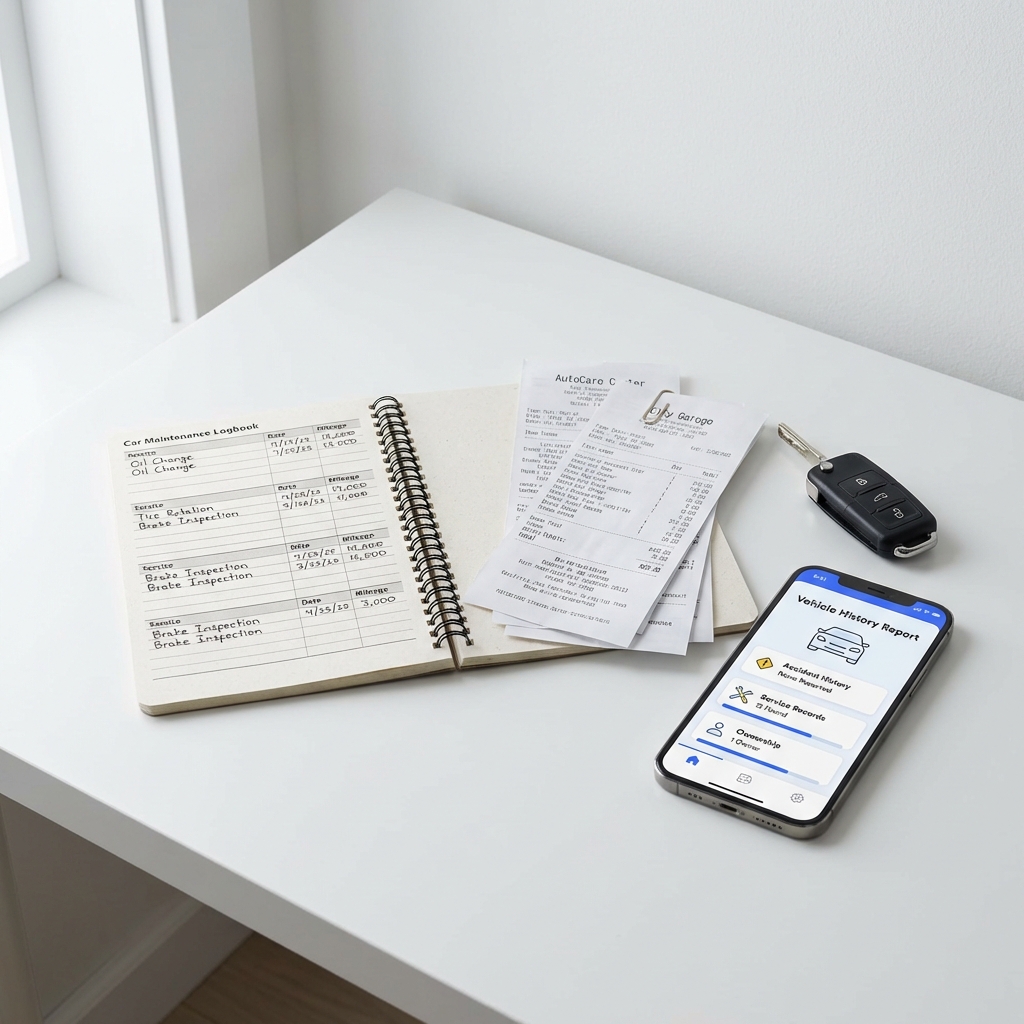
1. Vehicle history report: Always get a VIN report or similar report to check accident history, title problems, and service records.
2. Price context: Use market comparison tools to see if the listing price is fair. CARFAX Deals is tailored to show deal labels - use those to prioritize listings.
3. Owner reports and forums: Look up owner forums for model-year-specific issues. Patterns often appear there before they make it into formal studies. For broader brand and model trends you can also consult resources like CarGurus.
Checklist: Physical inspection and testing
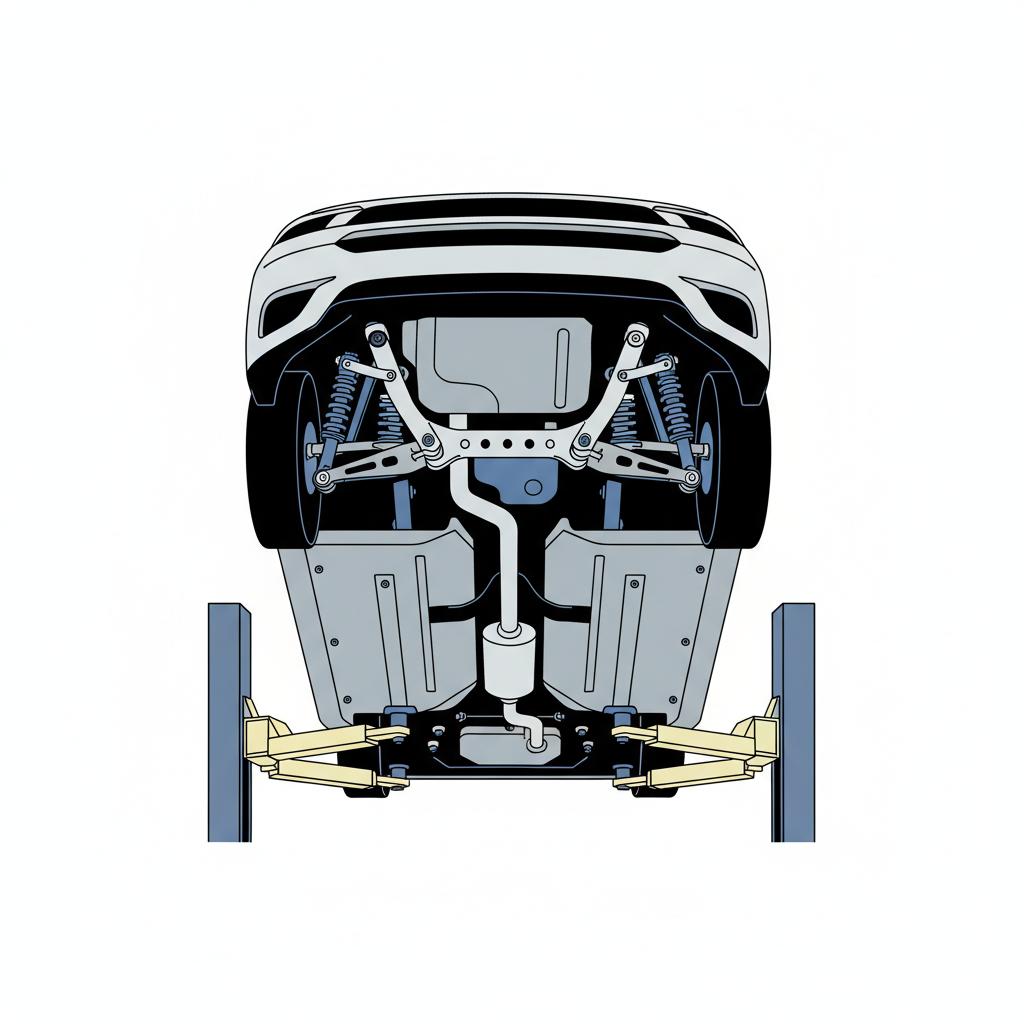
1. Pre-purchase inspection: Hire an independent mechanic for a thorough check - suspension, brakes, transmission, engine mounts, and any signs of frame damage or corrosion.
2. Test drive strategy: Push the car through varied conditions - highway, city streets, and anything that replicates your usual use. Listen for unusual noises, watch for vibration, and test all electronics.
Checklist: Negotiation and ownership
1. Factor in near-term maintenance: If timing belt, brakes, or tires will be due soon, that should be reflected in your offer.
2. Consider CPO: Certified Pre-Owned programs often come with extended warranties and can reduce near-term risk.
Model and year selection—what to watch for
Choosing a model and year is where diligence pays off. Some helpful rules:
Prefer model years with no major redesigns unless the redesign fixed known issues.
Search recall databases to see what’s been addressed and whether work was completed.
Check if the engine or transmission has known weak points—these are the systems that often cost most to fix.
Mileage matters, but context matters more: a well-maintained 120,000-mile car with documented service beats a poorly maintained 50,000-mile vehicle. Check for records of scheduled oil changes, timing-belt replacements, and other major services.
How to account for local conditions
Your climate and local roads change which cars age better. In snowy regions, rust and undercarriage corrosion are the primary killers; coastal areas bring salt-related rust risks. In these places, a model with good corrosion protection and evidence of undercoating or regular washouts will likely be more reliable long-term.
Ask: "What did you drive the car for most—commute, highway, or short local trips?" That answer indicates stress patterns: short trips can mean more cold starts and missed maintenance; steady highway use often shows consistent mileage and predictable maintenance.
Repair frequency versus repair cost
Two different numbers shape ownership: how often a car heads to the shop and how expensive each visit is. Some brands need little attention but cost a lot per service event; others require more frequent, but cheaper, repairs. Toyota and Lexus frequently do well on both counts, which is why many shoppers list them among the most reliable car brands.
Real-world example: reliability over flash
A simple story illustrates the point. A friend chose between a luxury SUV with a long options list and a plain midsize that had a single family owner and a thorough service history. The luxury model was tempting, but a year later it needed an expensive sensor repair that left the owner without a car for days. The midsize needed routine maintenance only. The takeaway: dependable performance often beats a flashy option list.
EVs and ADAS: new variables to weigh
EVs reduce mechanical complexity—fewer moving parts in the drivetrain—but batteries and high-voltage systems bring new long-term questions. Will battery packs hold useful capacity for a decade? What will replacement cost look like? ADAS adds sensors and software that can be sensitive to impacts and environmental conditions, and recalibrations can be costly.
For buyers asking what are the most reliable car brands when it comes to electrified models, there’s still less long-term consensus. Some manufacturers integrating EVs conservatively may win early reliability scores, but the dataset is young compared with gasoline-powered cars.
Resale, depreciation, and long-term value
Reliability and resale value are linked: cars that need fewer repairs typically hold value better. Brands with long reputations for dependability usually depreciate more slowly, but market factors - brand cachet, fuel prices, and the pace of EV adoption - can shift that balance. If long-term resale is a priority, prefer models with stable demand and strong reliability histories.
Maintenance habits that extend reliability
Reliability is a habit, not a miracle. Regular oil changes, timely brake service, and periodic inspections extend a car’s useful life. A seller who can show consistent service records is usually a good sign; missing records are a risk. If you want to maximize reliability, budget for routine upkeep as part of ownership, not as an afterthought.
How to search for "most reliable used cars near me" effectively
Search results can include listings, editorial pages, and forums. Use the search to compile a candidate list, then apply filters that matter: number of owners, service history, accident history, and CPO status. Prioritize listings with full reports and price-context labels so you can compare apples to apples.
Tools and resources worth using
Start with the big owner-survey resources - J.D. Power and Consumer Reports - then layer in repair-frequency tools like RepairPal or CarMD. For individual vehicles, always pull a vehicle history report. CarFax Deals shines at this stage because it pairs verified history with pricing context to help you spot fair deals quickly.
CarFax Deals acts as a credibility layer in used-car shopping. By surfacing verified history along with market-context pricing labels, the platform helps buyers compare listings with an eye toward risk reduction. A quick visual check of listing photos often reveals missing details you should ask about.
Model examples that often come recommended
Across multiple studies, certain compact sedans and small crossovers with straightforward engineering repeatedly rank high. Names that commonly appear include the Toyota Corolla and certain Toyota crossovers, Honda Civic, Mazda models known for thoughtful engineering, and Lexus models for buyers who want refinement with fewer surprises.
These are examples, not a definitive list. Model-level reputations change with redesigns, so treat examples as starting points and always check year-specific data.
Negotiation tips based on reliability
If a car is marketed as a "great deal," verify the underlying facts. Use price-comparison tools to see if the listed price matches market averages for similar vehicles with equivalent history. If maintenance items are due, factor those into your offer. If the car lacks service records, let that influence your negotiation stance.
What to do if you find a questionable history
Not all problems are deal-killers. A past accident with proper repairs and full documentation can be acceptable if the repair work was done by reputable shops and you can verify the fix. A vehicle with a salvage or rebuilt title is usually a red flag and worth avoiding unless you understand the implications deeply and get excellent inspection evidence.
Financing and insurance considerations
Insurance costs can vary by model and year; some high-repair-cost models are more expensive to insure. Financing terms hinge on the car’s market value; cars that retain value better often have slightly better loan options or trade-in leverage.
Checklist before you sign
1. Confirm title status and check for liens. 2. Verify maintenance records and matching odometer history. 3. Get a final pre-purchase inspection if anything new surfaced during negotiation. 4. Confirm any promised repairs are complete on paper.
Common buyer mistakes to avoid
1. Relying solely on brand reputation. 2. Skipping a vehicle history report or inspection. 3. Overlooking local climate effects. 4. Under-budgeting for routine maintenance after purchase.
How CarFax Deals helps buyers focused on reliability
CarFax Deals acts as a credibility layer in used-car shopping. By surfacing verified history along with market-context pricing labels, the platform helps buyers compare listings with an eye toward risk reduction. If your priority is to find the most reliable car brands in practice - not just in theory - paired vehicle history and price context reduce doubt and speed up smart decisions.
If you’re compiling a shortlist of candidates, start with brands that have strong reputations for dependability, then verify each vehicle’s story. Prefer single-owner cars with full service histories or CPO units if warranty coverage matters. Use vehicle history and price-analysis tools like CARFAX Deals to spot fair listings and reduce surprises. Finally, don’t skip the pre-purchase inspection.
Quick reference: buying flow for reliability-focused shoppers
1. Build a brand-and-model shortlist. 2. Run vehicle history reports and check price labels. 3. Screen listings for single-owner and CPO tags. 4. Schedule pre-purchase inspections. 5. Negotiate with maintenance items factored in. 6. Buy with a small reserve fund for early maintenance.
Ten maintenance tips that preserve reliability
1. Follow the manufacturer’s service schedule. 2. Use recommended fluids and parts where possible. 3. Replace wear items (brakes, tires) early rather than late. 4. Keep a record of every service. 5. Store receipts with the car’s file. 6. Periodically check for software updates on modern cars. 7. Maintain correct tire pressure to avoid premature wear. 8. Flush cooling and brake systems on schedule. 9. Address minor issues early to avoid cascading failures. 10. Use an independent mechanic you trust.
Where the industry is heading
EVs, software-defined features, and ADAS will reshape dependability metrics. More moving parts may disappear in drivetrains, while software and battery health climb in importance. That shift will change which brands get labeled as the most reliable car brands over the next decade as new datasets accumulate.
Closing thought
Reliability is a mixture of brand design philosophy, maintenance habits, and careful buying. Brands like Lexus, Toyota, Mazda, Honda and Subaru have built strong reputations by emphasizing predictability and quality control. Those reputations matter, but your best protection is a thorough, step-by-step buying process that combines brand insight with vehicle-specific verification.
Remember: the most reliable car brands give you a head start—but the specific history of the vehicle you choose determines your real experience.
Across owner surveys and repair-frequency studies through 2024, brands that frequently top reliability rankings include Lexus, Toyota, Mazda, Honda and Subaru. These marques often show fewer owner-reported problems and lower average visit rates to repair shops. However, model-year specifics, maintenance history, and local conditions still play a major role in actual reliability.
CARFAX Deals pairs verified vehicle history reports with clear price analysis labels like "Great Deal" or "Good Deal," helping you compare listings with risk and value in mind. Use it to prioritize single-owner cars, check for full service records, and see whether a listed price aligns with similar vehicles in your area. It’s a decision-support tool that reduces uncertainty without replacing a pre-purchase inspection.
EVs have fewer mechanical moving parts and can be very reliable, but long-term real-world data—especially on battery longevity and high-voltage component costs—is still maturing. Batteries and ADAS-related repairs are new variables that can affect long-term ownership costs. If you prefer predictability, favor EVs with longer track records or consider buying used only after more long-term data is available.
In short: brands like Lexus, Toyota and Mazda often top reliability rankings, but the single most important factor is the specific car’s history—choose wisely, verify fully, and enjoy worry-free driving. Safe drives and happy buying!

 Blog
Blog