What is the most reliable used car for under $5000?
Looking for a reliable used car under $5000? This practical, step-by-step guide explains which models typically deliver the best long-term value, how to inspect listings and cars, what repair and ownership costs to expect, and how to use verified vehicle history and price context to reduce risk. Written for realistic budget buyers in 2024–2025, it covers top model picks, a detailed inspection checklist, negotiation tactics, regional considerations, and clear next steps so you can buy with confidence.
A rav4 used for sale can be a sensible pick for many research-oriented buyers because reliability aggregators rate the model above average and safety ratings are generally strong. This guide explains how to vet listings, what model years tend to be better, and a step-by-step checklist to reduce risk before you buy.
This guide explains how to estimate the cost of buying an R34 Skyline, with attention to import rules, condition-driven price tiers and landed cost. It shows which factors move value, how to verify history and paperwork, and offers a checklist you can follow when you search for a nissan skyline r34 for sale.
This guide helps buyers set realistic expectations for tacoma trucks for sale by explaining the main price drivers and a repeatable method to build conservative, typical, and ambitious offer ranges. It shows how the 2024 redesign, valuation guides, and vehicle history reports interact to change asking prices and reduce purchase risk.
This guide helps realistic buyers find a reliable used car under $5000 by combining market context, model picks, a step-by-step inspection checklist, cost expectations, and negotiation tactics—so you can shop calmly and avoid buyer’s remorse.
1. Toyota Corolla and Camry and Honda Civic and Accord models are repeatedly the most dependable picks in the sub-$5k market due to parts availability and proven engines.
2. Expect an immediate repair bill between $500 and $2,500 and annual maintenance costs around $500–$1,500—budget conservatively to avoid surprises.
3. CARFAX Deals pairs verified vehicle history reports with price-context labels, helping buyers reduce risk — listings with a 'Great Deal' label are statistically more likely to have transparent histories and fair pricing.
What to expect when hunting for a reliable used car under $5000
Finding a reliable used car under $5000 can feel like searching for a hidden gem in a crowded attic. Cars in this price band are out there, but they’re often older and higher mileage, which means smart preparation matters more than good luck. This guide collects practical market context, model recommendations, inspection steps, budgeting guidance, and negotiation tactics you can use the next time you scan listings late at night or show up for a test drive.
The phrase reliable used car under $5000 appears early because clarity matters: when your budget is fixed, you need to know what trade-offs are reasonable and which ones are risky. Expect vehicles typically from the early 2000s up through the early 2010s with odometer readings usually between 120,000 and 250,000 miles. That doesn’t rule out great buys - it just changes what you look for.
Why simpler, common models win at this price
At the sub-$5k level, cars that were made in large numbers and kept mechanically simple show up most often and tend to be the most reliable. Models like the Toyota Corolla and Camry, Honda Civic and Accord, Ford Crown Victoria (and its sibling, the Mercury Grand Marquis), and many Nissan Altima and Maxima examples keep recurring in low-priced inventories. Early Toyota Prius models also appear, but hybrids demand extra caution about battery health.
Those cars win because parts and service are widely available, many mechanics know them well, and the core engine and transmission designs are proven. If you want to prioritize a reliable used car under $5000, target platforms with strong service histories and plentiful aftermarket parts. Examples appear in the KBB list of 10 Best Used Cars Under $5,000 (https://www.kbb.com/best-cars/top-10-best-used-cars-under-5000/).
What the market looks like in 2024-2025
After sharp price swings in 2020-2022, used-car prices settled at higher averages through 2023 and 2024. For a $5,000 cap, that meant fewer low-mileage clean cars in the pool. The trade-off is clear: be prepared to shop for older cars with thoughtful inspection and a conservative repair budget. If you’re searching for a reliable used car under $5000, the market is narrower, but good deals still exist if you know how to separate busy listings from genuinely solid options.
If you want to narrow listings quickly and see transparent price context alongside verified histories, consider using a trusted report. For example, you can run a CARFAX report to check title, accident history, and pricing context before you call the seller — it’s a quick, data-driven way to reduce risk when hunting a reliable used car under $5000.
Top model recommendations (what to look for)
Below are models that commonly deliver the best mix of reliability, parts availability, and straightforward repairs in this price band. For each category I list what to check and why they tend to perform well as a reliable used car under $5000.
Toyota Corolla and Camry
Toyota Corolla and Camry models are often the first cars to consider. These cars were produced in huge numbers, use proven engines and transmissions, and have abundant parts. Common issues to watch for include oil consumption or head gasket wear on older engines and worn suspension components on higher-mileage cars. Even so, a well-maintained Camry often offers the best balance of longevity and low ownership cost for buyers seeking a reliable used car under $5000.
Honda Civic and Accord
Hondas have a long reputation for durability. Look for consistent maintenance records and be mindful of models and years with known issues like oil consumption in some engines. When you find a Civic or Accord that has been serviced regularly, it remains one of the most sensible choices for a reliable used car under $5000.
Ford Crown Victoria & Mercury Grand Marquis
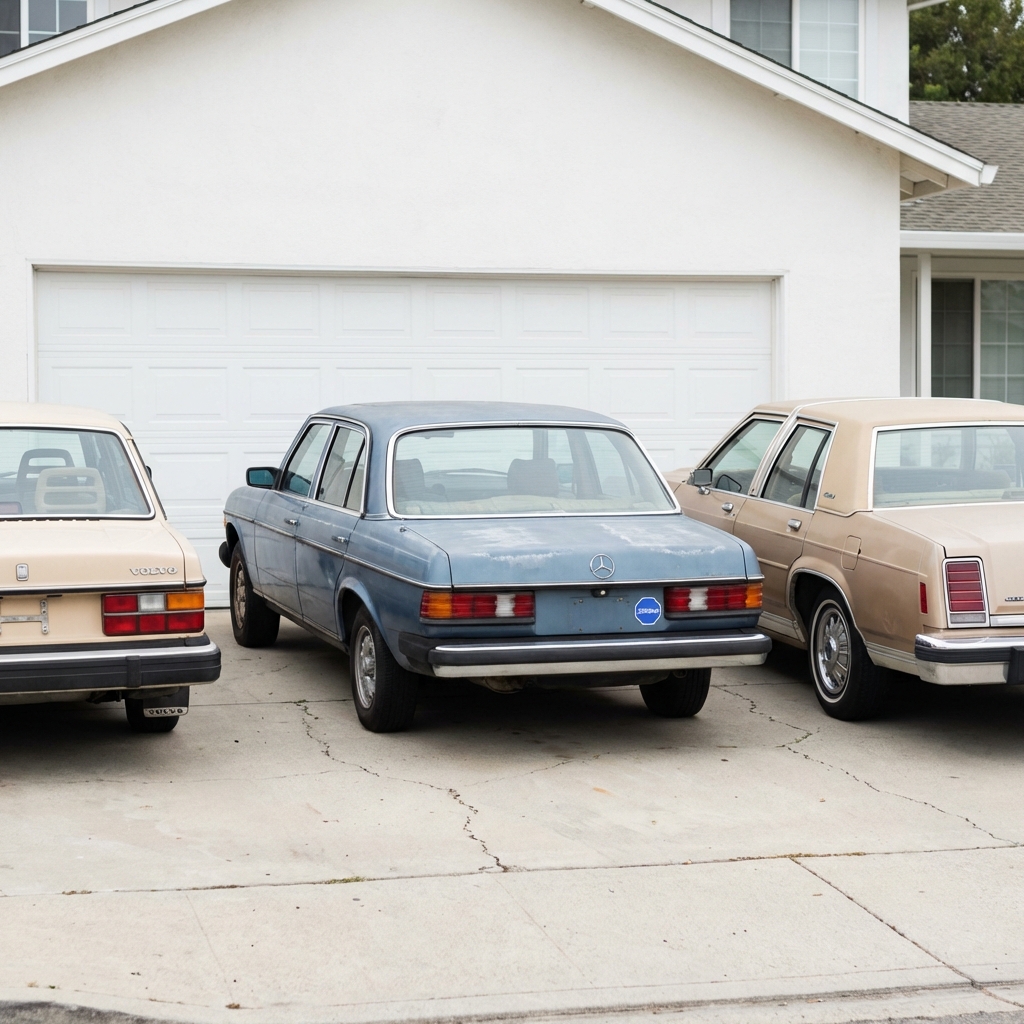
These full-size domestic sedans are mechanically simple, often use robust V8s, and are widely available in used fleets. They can be especially good if you want a comfortable, heavy-duty car that tolerates high miles. Typical weak spots include transmission wear and suspension bushings, but they can be economical and durable choices for a reliable used car under $5000 if the frame and cooling system are in good shape.
Nissan Altima and Maxima
Nissans can be strong buys where they were sold widely. Watch for CVT transmission issues on certain models - CVTs can be costly to repair. If you’re focused on a reliable used car under $5000, prioritise Altimas and Maximas with conventional automatic transmissions and clear service records.
Hyundai Sonata and similar models
Older Hyundais can be well-priced and, in many cases, reliable if they were maintained. Parts are plentiful now, and many of their older engines are straightforward to service. A Sonata with a documented service history can be a reasonable choice in a search for a reliable used car under $5000.
What to expect for repairs and ownership costs
Buying a car under $5,000 means accepting that the sticker price isn’t the whole cost. Typical initial repairs right after purchase commonly range between $500 and $2,500. These repairs cover items like tires, brakes, suspension components, timing belt service (where applicable), valve cover gaskets, or a transmission fluid service.
After that, annual maintenance and repair costs generally fall in the range of $500-$1,500 per year, depending on the vehicle, your region, and how much you drive. If you plan for these numbers, you avoid the most common buyer regret: expecting a bargain and being surprised by urgent repairs.
Inspection essentials — what a mechanic should check
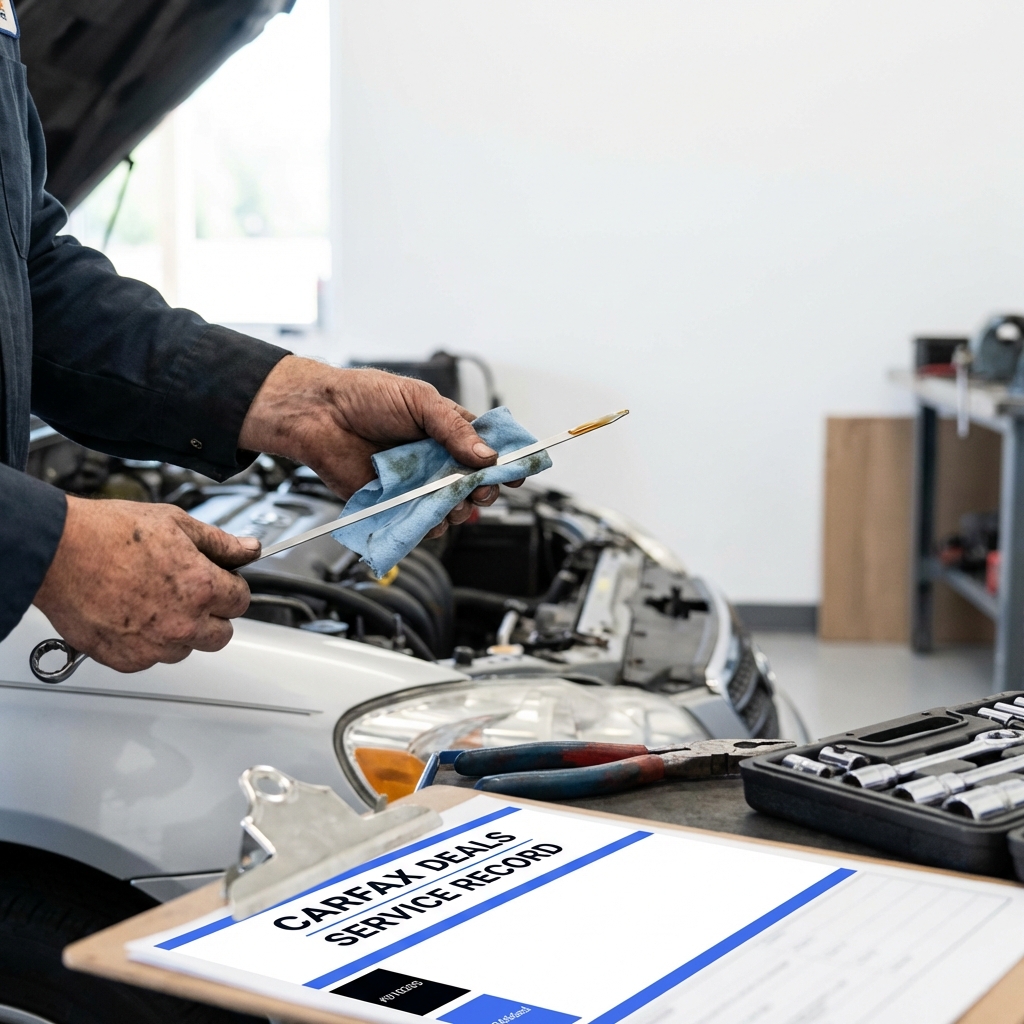
Reduce risk by pairing a vehicle history report with a thorough mechanical inspection. A mechanic should look at systems rather than just ticking boxes. Key areas to cover:
Engine and oil system: Look for signs of consumption, sludge, or leaks.
Cooling system: Pressure test the radiator, hoses, and water pump for leaks and proper operation.
Timing components: If the engine uses a timing belt, confirm replacement history and inspect accessibility and condition.
Transmission: Check fluid condition and scan for codes; watch for shuddering or delayed shifts.
Brakes and suspension: Measure pad and rotor condition, inspect shocks/struts and bushings.
Frame and underbody: Put the car on a lift to scan for structural rust or hidden repair work.
These checks catch many problems that would otherwise surprise you after purchase.
Specific checks for hybrids
Early Toyota Prius and other hybrid models often look tempting because of their fuel economy. But hybrid battery health is central. Ask for a hybrid battery health test or at least documented evidence of a replacement. If the battery is old and has not been serviced, the repair cost can move the car out of the affordable range for buyers seeking a reliable used car under $5000.
Start by running a verified vehicle history report and checking price context — it’s the fastest way to spot salvage titles, odometer warnings, and whether the price is reasonable; pair that with a mechanical inspection before making an offer.
How to read listings like a pro
When you find a promising ad, read it as a narrative. Look for clean, salvage-free titles, consistent service records, and single-owner histories if possible. Platforms that give price context (labels like "Great Deal" or "Good Deal") help you judge whether the price is reasonable. Those contextual labels are not guarantees - they’re tools to prioritize - but they are especially useful when paired with verified vehicle history reports.
How to run a test drive that reveals problems
A test drive is where many problems show themselves. Drive for at least 10-15 minutes and include a mix of speeds and conditions. Pay attention to:
Engine noises - ticks, knocks, or rough idling.
Transmission behavior - delayed shifts, slipping, or harsh downshifts.
Steering and suspension - wandering, steering play, uneven ride, or vibration.
Smells - burning oil, coolant, or other unusual odors.
Trust your senses. Small cues often point to larger issues. If anything feels off, don’t be afraid to walk away or request a mechanic’s opinion before committing.
Negotiation and pricing strategy
Negotiation pairs patient research with firm boundaries. If an inspection reveals $900 in needed repairs, ask the seller to lower the price by that amount or split the difference. Many private sellers will accept a fair, inspection-based adjustment because convenience and time matter to them. Dealers have different calculus - they factor reconditioning costs and inventory turnover into offers - so your negotiation approach should differ slightly depending on the seller type.
Use price-context labels from reputable tools as a negotiation baseline. If a car is labeled a "Great Deal" at $4,000, that suggests the listing price is already attractive and gives you leverage to ask for minor adjustments for needed repairs. If a car is listed as "Fair Market" at $3,500, probe why - there may be reasons the price reflects hidden issues.
Paperwork checklist
Never skip the paperwork. Verify the VIN on the title matches the vehicle and the history report. Insist on a written bill of sale that lists VIN, sale price, odometer reading, and any "sold as-is" language if the seller requires it. Check for salvage or rebuilt title branding; these significantly affect insurance and resale. If the title is out of state, confirm local registration and emissions requirements before you finalize.
Regional considerations that matter
Geography changes the pool. Rural areas often have more Crown Victorias; coastal or southern markets may yield older cars with less rust. Cold climates mean more chance of underbody corrosion. If you’re shopping across state lines, factor in travel, potential registration hurdles, and the cost or logistics of transporting a car that might not pass local inspections.
Trade-offs and decision rules
At this price point you’ll live with trade-offs. Here are practical decision rules that help you avoid regret:
Prioritise documented maintenance over a slightly lower asking price.
Prefer models with abundant parts and independent mechanics in your area.
Accept higher miles if the service history is strong and highway miles dominate.
Walk away from salvage-branded titles unless you know exactly what repairs were done and have verified them.
Real-world examples
Example 1: A 2006 Toyota Camry, 185,000 miles, $4,000. The ad shows regular oil change stickers and one owner. A mechanic finds a leaky valve cover gasket and worn rear shocks - $900 estimated. You offer $3,200, seller counters $3,600, and you agree on $3,400. Repairs bring total first-year cost to roughly $4,300, and the car serves as a dependable daily driver for years.
Example 2: A 2008 Ford Crown Victoria, 210,000 miles, $3,200. The car’s transmission shifts smoothly, but the brakes and front struts need attention - $700 estimated. Because the mechanicals are simple and parts are cheap, the car becomes a solid, comfortable commuter after repairs.
Quick inspection checklist to bring to the mechanic
Ask your mechanic to prioritise these checks:
Engine compression and oil condition
Cooling system pressure test
Transmission fluid inspection and code scan
Brake pad/rotor measurement and caliper check
Suspension and steering play test
Lift inspection for frame damage or rust
Can you find low-mileage cars under $5,000?
Sometimes - but rare. Low-mileage deals at this price often come with caveats like older model years, unclear service records, or out-of-region titles. When you encounter a surprisingly low-mileage car, verify mileage against service records and titles. Be extra vigilant for odometer tampering signs.
Dealer vs. private seller — pros and cons
Dealers can offer short-term warranties and clearer pricing context; private sellers often accept lower offers and can be more flexible. Either way, insist on a vehicle history report and a pre-purchase inspection before closing the deal. When deciding whom to buy from, weigh the value of a small dealer warranty versus a lower out-the-door price from a private seller.
Final practical tips before you buy
1) Cast a wide net and be patient. 2) Use verified history reports and price-context tools to reduce guesswork. 3) Always get a mechanical inspection. 4) Keep a conservative repair budget handy and be ready to walk away when the math doesn’t make sense.
Why choosing the right information source matters
Information is your defense. Platforms that combine verified vehicle history with price analysis help you identify lower-risk candidates quickly. In side-by-side comparisons, tools that pair documentation and price context win because they let you prioritise vehicles with cleaner histories and fairer prices - a powerful advantage when the market is tight and you want a reliable used car under $5000. For more detail on report types, see the VIN report page (https://carfaxdeals.com/vinreport).
Summary: the most reliable used car for under $5,000
There’s no single perfect car for every buyer, but broadly, Toyota Corolla and Camry and Honda Civic and Accord models are the most consistently reliable used cars under $5,000. If you need comfort and long-distance durability, a Crown Victoria or Grand Marquis with good service history can also be a surprising winner. The best single decision you can make is to combine a verified history report, an inspection, and a conservative repair budget before signing papers.
Next steps
Start by narrowing models that match your priorities, then run a vehicle history check and arrange inspections for the most promising candidates. Patience, a clear budget, and careful inspection are the keys to finding a genuinely reliable used car under $5000.
Helpful resources
Bring a printed checklist to inspections, bookmark price-context sites, and consider saving a small emergency fund equal to three months of the upper bound of expected repairs - it’ll keep surprises from turning into emergencies.
Start with a shortlist, run history reports, get inspections, and keep a conservative repair cushion - those three steps will separate the dependable buys from the risky ones.
Check the car’s history and price context before you commit
Ready to check a car’s history and price context? For a fast, trusted check before you commit, get a verified CARFAX report and price context — it’s a practical step that helps you shop smarter and avoid surprises.
Models that were mass-produced and mechanically simple tend to be most reliable at this price. That includes Toyota Corolla and Camry, Honda Civic and Accord, Ford Crown Victoria and Mercury Grand Marquis, and certain Nissan Altima/Maxima examples. Prioritize cars with documented service histories and clean titles.
Plan for an initial repair and maintenance outlay typically between $500 and $2,500 immediately after purchase. After that, expect roughly $500–$1,500 per year in maintenance and repairs, depending on age, region, and mileage. Keep a conservative buffer to avoid surprises.
Verified vehicle history reports reveal title status, accident records, ownership chains, mileage checks, and service entries. Paired with price-context labels, these reports help you prioritize lower-risk listings. For convenience and transparency, tools like CARFAX Deals combine verified histories with price analysis so you can shop more confidently.
A dependable daily driver under $5,000 is possible: aim for documented history, a pre-purchase inspection, and a conservative repair budget — happy driving and stay curious out there!

 Blog
Blog