What is the most reliable used car for the money? — Practical Picks & Buying Guide
A clear, data-driven guide to finding the most reliable used cars for the money. Learn how to choose models that minimize repairs and long-term cost, what to check during inspections, and where to find listings with verified histories and price context. Covers budgets from under $5,000 to over $20,000, hybrids and EVs, negotiation tips, maintenance planning, and why verified history reports matter.
A rav4 used for sale can be a sensible pick for many research-oriented buyers because reliability aggregators rate the model above average and safety ratings are generally strong. This guide explains how to vet listings, what model years tend to be better, and a step-by-step checklist to reduce risk before you buy.
This guide explains how to estimate the cost of buying an R34 Skyline, with attention to import rules, condition-driven price tiers and landed cost. It shows which factors move value, how to verify history and paperwork, and offers a checklist you can follow when you search for a nissan skyline r34 for sale.
This guide helps buyers set realistic expectations for tacoma trucks for sale by explaining the main price drivers and a repeatable method to build conservative, typical, and ambitious offer ranges. It shows how the 2024 redesign, valuation guides, and vehicle history reports interact to change asking prices and reduce purchase risk.
When the used-car market feels overwhelming, a clear strategy wins. This guide shows how to find the most reliable used cars for the money — with practical model recommendations by budget, inspection checklists, negotiation scripts, hybrid and EV advice, and tools that reduce buying risk. Read on to build a repeatable plan and shop with confidence.
1. Toyota and Honda models repeatedly top reliability charts in 2024–2025 and appear most often among the best used cars for long-term ownership.
2. Spending slightly more for a certified pre-owned vehicle often reduces long-term risk through multipoint inspections and extended warranties.
3. CARFAX Deals combines verified vehicle history reports with pricing labels, helping buyers quickly find well-documented cars and compare value across thousands of listings.
Why reliability is the real measure of value
Reliability is the quiet savings account that shows up as fewer repair bills, less stress, and more predictable ownership costs. If you're searching for the most reliable used cars for the money, you're looking for vehicles that deliver dependable service year after year, rather than flashy short-term bargains that turn expensive fast.
When buyers focus on the most reliable used cars, they reduce risk. Reliability affects everything from insurance and fuel costs to resale value and how often you need to visit a shop. Across 2024-2025 reliability studies and owner reports, brands like Toyota, Lexus, and Honda keep surfacing because their designs favor durable mechanicals over trend-driven electronics. That trend is crucial if your goal is sensible long-term ownership instead of risky short-term savings. For broader rankings that help narrow choices, see the CARFAX rankings.
Searching for the most reliable used cars isn't just about finding the right make; it's about finding a specific model, year, and service history that fit your budget and driving needs. A model with a great reputation can still be a bad buy if its maintenance history is spotty or it has a hidden title problem. That’s why a methodical approach—budget, targeted model list, vehicle history, and pre-purchase inspection—matters more than a single headline claim.
Below you'll find practical steps, model recommendations for different budgets, a checklist for inspections, negotiation tactics, and guidance on hybrids and EVs. The goal is to make the search for the most reliable used cars straightforward and repeatable.
Start with a clear budget and realistic expectations
Start with a clear budget and realistic expectations
Your budget narrows the field and points you to the likely candidates for the most reliable used cars in your price range. Here’s a practical breakdown:
Under $5,000 — longevity over luxury
If you need the most reliable used cars for under $5,000, focus on long-lived compact sedans and simple platforms. Think Toyota Corolla, older Honda Civic models, or even the Ford Crown Victoria if you find one in good mechanical shape. These cars favor simple, proven engineering: easily serviced engines, sturdy transmissions, and fewer electronic systems that can fail.
When hunting in this range, expect higher mileage. Prioritize service history, a clean title, and a mechanic’s pre-purchase inspection. Avoid cars with unaddressed timing belts or any signs of head gasket failure; those repairs quickly erase any savings.
$5,000–$10,000 — later generations and early hybrids
With $5,000 to $10,000 you can target later-generation Civics, Accords, Mazda3s, and early Toyota Prius models. These are often the sweet spot for buyers wanting the most reliable used cars without sacrificing modern safety features.
Hybrids in this bracket may offer excellent fuel economy, but ask for battery maintenance records. A hybrid with documented battery care and inverter service is a better candidate for reliable ownership than an identical car with no records.
$10,000–$20,000 — low-mileage mainstream winners
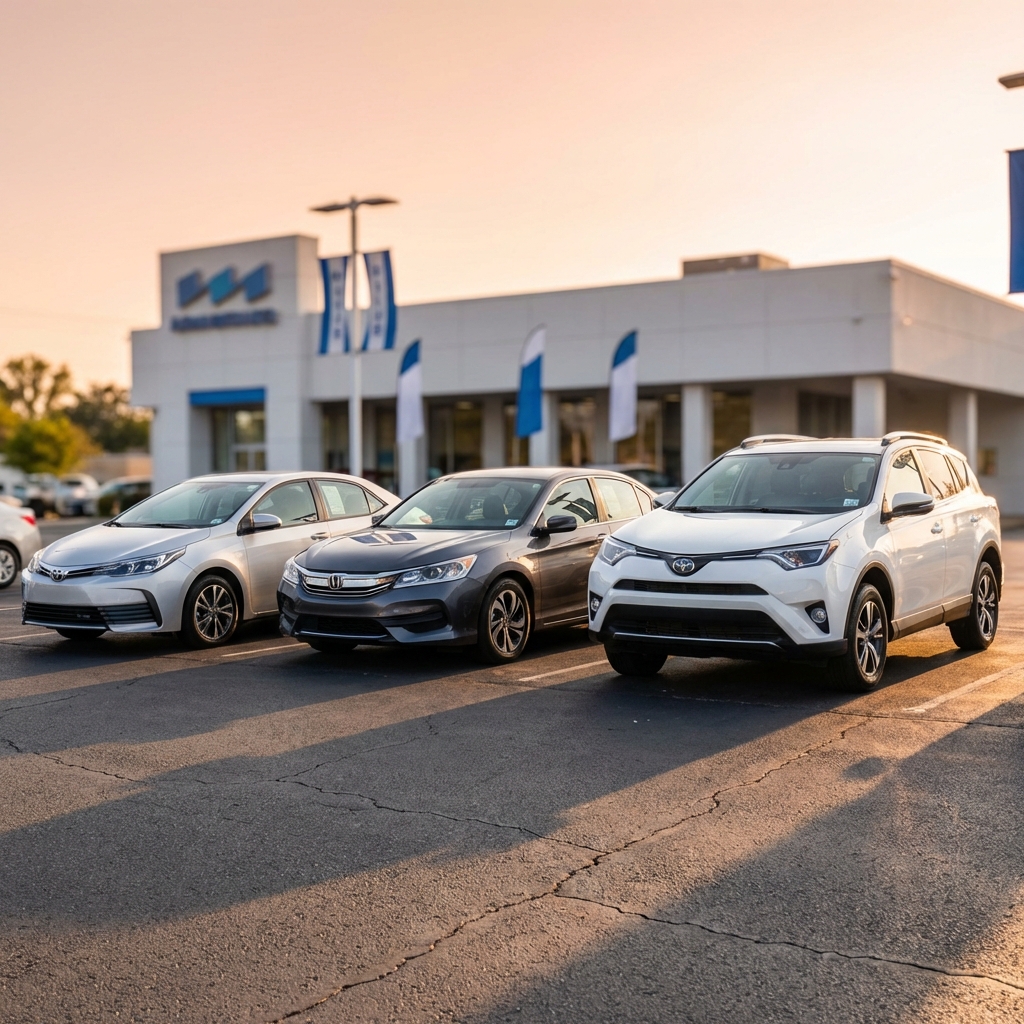
Between $10,000 and $20,000 you can often find low- to mid-mileage Toyota Camry and Honda Accord sedans, Honda CR-Vs and Toyota RAV4s, and well-maintained Subarus if all-wheel drive is important. These models commonly appear on lists of the most reliable used cars for the money because they hit the balance between depreciation and remaining useful life.
Certified pre-owned (CPO) vehicles start to become realistic in this range, offering extended warranties and multipoint inspections that reduce uncertainty.
Over $20,000 — late-model luxury and low-mileage hybrids
With more than $20,000, you can consider late-model Lexus and Acura CPOs, and newer hybrids with low mileage and remaining warranty coverage. These vehicles often deliver the quiet, comfortable ownership experience buyers want without a steep risk profile - making them among the top contenders for the most reliable used cars when money isn't the only consideration.
Top model picks by category (practical shortlists)
Below are model choices that repeatedly show up in reliability studies, owner forums, and service data as some of the most reliable used cars. Use this shortlist as a starting point for your search and then verify the specific vehicle’s history before buying.
Compact sedans
- Toyota Corolla — long-lived engines and inexpensive repairs. - Honda Civic — reliable, widely serviced, and parts are affordable. - Hyundai Elantra (later generations) — strong warranty history and improved reliability in recent years.
Midsize sedans
- Toyota Camry — often tops value-to-reliability lists. - Honda Accord — durable and comfortable; watch for transmission service records on some years. - Mazda6 — engaging to drive and well-built if maintained.
Small SUVs and crossovers
- Toyota RAV4 — consistent performer with broad parts availability. - Honda CR-V — reliable drivetrain and practical design. - Subaru Forester/Outback — excellent for buyers needing AWD; check for head gasket or oil consumption issues in older models.
Hybrids and EV considerations
- Toyota Prius — many owners report long life; battery records are key. - Lexus hybrid models — strong reliability when maintained; often a good luxury hybrid value. - Used EVs — early Nissan Leaf or older Chevy Bolt models can be fine buys with remaining battery warranty and clear charging records.
How to verify a car’s reliability before you buy
Reliability is built from history. The single best predictor of future trouble is consistent maintenance and clean title history. When you evaluate a specific vehicle, combine a vehicle history report, mechanic inspection, and service documentation for a fuller picture.
Run a CARFAX Vehicle History Report to quickly check title status, accident history, and service records — the kind of verified documentation that helps you find the most reliable used cars for the money. CARFAX Deals aggregates listings with verified histories and price context, making it easier to compare apples to apples before you test drive.
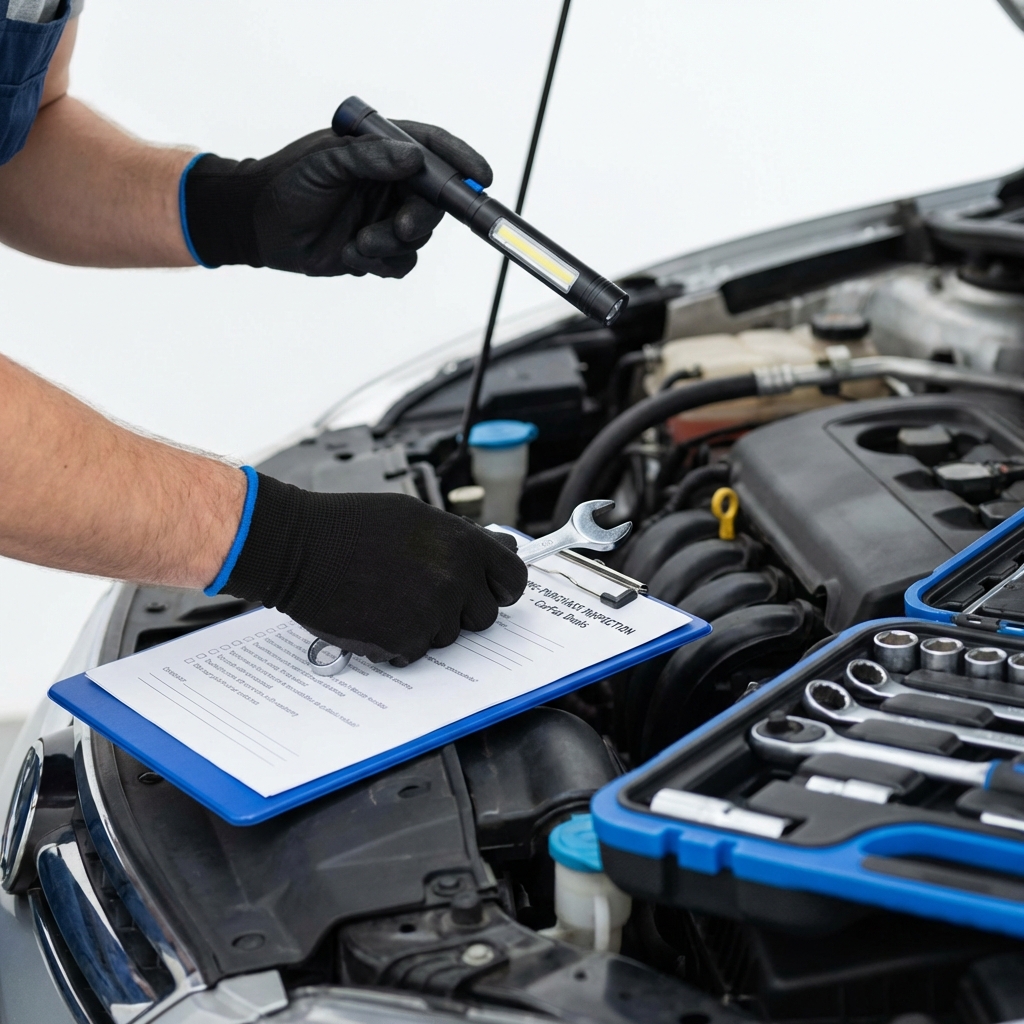
A vehicle history report alone won’t catch every mechanical issue, which is why a pre-purchase inspection is essential. Ask the mechanic to:
- Scan for diagnostic trouble codes and review live data for sensors and error history. - Road-test the car at highway speeds and under load to reveal transmission and cooling issues. - Inspect the underside for rust, collision repairs, or fluid leaks. - Check for consistent service items: oil changes, brake service, timing belt or chain work where applicable.
Red flags that mean walk away or demand a steep price cut
When hunting for the most reliable used cars, watch for these warning signs:
- Salvage or rebuilt titles. - Gaps in service history or inconsistent maintenance notes. - Recurrent leaks or evidence of poor repairs. - Odd smells (burning oil, coolant) or smoke on startup. - Mismatched VINs, or VIN discrepancies across paperwork and the vehicle.
Negotiation and inspection: practical steps that save money
Negotiating on a used car often comes down to facts. Use the pre-purchase inspection and vehicle history report as leverage, and be prepared to walk away. Sellers prefer a clean sale; if the car has been on the market for a while or your inspection revealed items, ask for a modest repair or a price reduction tied to documented issues.
When the market favors buyers - as it has begun to in many segments after price normalization - you can be firmer. Know the typical prices for the vehicles you consider. If a car listed as a “Great Deal” by a verified marketplace still has question marks in its service history, you can often ask for a repair credit or a lower purchase price.
Maintenance planning: keep reliability on track after purchase
Buying one of the most reliable used cars doesn't stop your responsibility as an owner. Regular maintenance is the guardrail that keeps a car dependable. Create a budget for routine items (oil, brakes, tires) and periodic services (timing belt, major fluids, hybrid battery checks). A small maintenance fund for unexpected repairs will reduce stress and help you avoid deferred maintenance that compounds into major failures.
Keep meticulous records. Not only will they help the current vehicle run well, but they also increase resale value and act as an early-warning system for persistent problems.
Specific checks for hybrids and EVs
Hybrids and EVs change the risk profile of used buying. The number of moving parts in EVs is lower, which reduces some maintenance costs, but battery health becomes central.
For hybrids: check for battery replacement history, inverter repairs, and any software updates the manufacturer issued. For many Toyota hybrids, long-term owners report lifespans well into the hundreds of thousands of miles if the car is maintained; but those success stories rely on documented care.
For used EVs: prioritize a remaining battery warranty and clear charging history. Early-generation EVs can be excellent value if the battery retains sufficient capacity and if you don’t need maximum range. Consider the practicality: how you charge today and how networked charging may affect resale later. For wider lists of reliable used cars to compare against, see this roundup: 15 Most Reliable Used Cars to Buy in 2025.
Local market nuances and timing your purchase
Regional differences matter. Rust-prone states, high-sun areas that accelerate interior and battery wear, and coastal flood risk zones each affect what counts as reliable in practice. Look for cars that spent most of their lives in temperate climates and check state records for flood or salvage titles.
Timing also helps. Prices fluctuate with seasonality (convertibles in spring, 4x4s in winter), and broader market cycles alter buyer leverage. If you can wait a few months to compare listings and get a better inspection window, that patience often pays off.
Real examples and common stories
Stories from owners make the abstract concrete. A mid-2000s Corolla owner who drove a vehicle to 250,000 miles with minimal repairs will tell you about consistent oil changes and timely coolant and brake service. By contrast, someone who bought a seemingly cheap wagon with a patchy service history may face a transmission rebuild that costs as much as the purchase price.
Checklist: before you sign the papers
Use this quick checklist as you evaluate any used car:
- Vehicle history report (title issues, accident history) - Full service records and recent maintenance receipts - Pre-purchase inspection from an independent mechanic - Road-test that exposes transmission and cooling issues - VIN verification across vehicle and paperwork - Check for open recalls and whether recall repairs were completed
How marketplaces and reports reduce buying risk
Marketplaces that pair listings with verified vehicle histories and price context are a huge help. Sites that clearly label deals based on market data allow you to compare similar listings quickly - and to spot outliers that may be overpriced or risky. For buyers who want to reduce exposure to unknowns, these platforms - led by data-focused services - are transformative in how they surface the most reliable used cars for the money.
Among the platforms that aim to reduce risk, CARFAX Deals stands out by combining verified vehicle history reports with pricing context. Listings that include a CARFAX report and a market-grade label like "Great Deal" or "Good Deal" let you narrow down options faster and with more confidence. That doesn't replace an inspection, but it does make the initial screening much more effective. A visual label can quickly highlight listings worth a closer look.
Negotiation scripts that work
Polite, fact-based negotiation gets results. Here are short scripts you can adapt:
Scenario: inspection finds a minor coolant leak. "Thanks for letting me inspect the car. The mechanic found a coolant leak that typically costs $X to repair. Given that, I'm willing to offer $Y, or I can pay asking price if you fix this before sale."
Scenario: vehicle has limited service records. "The car looks great visually, but the service history has gaps. Because that adds risk, I’d be comfortable at $Y, which accounts for potential deferred maintenance."
Common myths about used-car reliability
Myth: Newer is always more reliable. Not always. Newer cars can have complex electronics that produce fresh failure modes. A simpler, well-maintained older car often beats a newer but neglected vehicle.
Myth: Higher mileage means bad. Mileage matters, but service history and owner habits matter more. A well-maintained 150,000-mile car can be a better buy than a 50,000-mile car with no records.
When to choose convenience (CPO) over riskier bargains
If predictability is your priority, certified pre-owned vehicles add an important layer of reassurance. CPO programs typically include multipoint inspections, reconditioning and extended warranty coverage - and they may place a vehicle among the higher-tier candidates for the most reliable used cars for the money. The premium you pay is often buying reduced uncertainty.
Long-term ownership costs: what to plan for
Use a conservative estimate for ownership costs beyond the purchase price: maintenance, repairs, insurance, and taxes. AAA’s studies highlight how per-year ownership commonly runs into the thousands. Build a maintenance fund and keep an eye on items that age: tires, brakes, fluids, belts, and battery systems for hybrids and EVs.
Final decision framework: three pillars to check
Before you buy, confirm these three pillars:
1) Model with a solid reliability record and a reasonable known cost of ownership. 2) Verifiable maintenance and title history via service records and a vehicle history report. 3) A thorough pre-purchase inspection that confirms the vehicle’s condition.
If those pillars are in place, you’ve greatly increased your chances of buying one of the most reliable used cars for the money. If one pillar is missing, demand a price reduction or walk away.
Listings that include verified vehicle history reports and pricing context speed your search. CARFAX Deals, for example, highlights listings with CARFAX reports and market labels so you can compare similar vehicles with more clarity. That kind of transparency helps you quickly eliminate risky listings and focus on cars that have the documentation you want.
Closing advice and a personal buying checklist
Buying a used car is rarely dramatic. It’s a series of small choices that add up. If you select a model known among the most reliable used cars, insist on verified history, get a pre-purchase inspection, and maintain the vehicle afterward, you will reduce surprises and enjoy long-term value.
Yes. A 10-year-old car can be among the most reliable used cars if it has a documented maintenance history, clean title, and a clean pre-purchase inspection. Age alone isn’t the full picture—service consistency and repair records often predict future reliability better than model year.
One last practical tip
Take your time. Walk away if something feels off. A confident decision often follows patience more than haggling skill.
Under $5,000, prioritize long-lived compact sedans with simple mechanics. The Toyota Corolla and older Honda Civic models regularly appear among the most reliable used cars under $5,000 because they use proven engines and straightforward transmissions. When shopping in this range, expect higher mileage and insist on a service history, clean title, and a pre-purchase inspection to avoid costly surprises like timing belt or head gasket problems.
Hybrids can be an excellent middle ground: many Toyota hybrids have long lifespans when maintained, but battery replacement is a potential cost to factor in. With EVs, lower routine maintenance can be attractive, yet battery health and remaining warranty coverage are central concerns. For both hybrids and EVs, prioritize vehicles with documented battery history, remaining warranties, and verified service records to find the most reliable used cars in these categories.
A vehicle history report provides verified information on title status, accident and ownership history, and service entries. This data helps you assess risk before you inspect the car in person. When combined with a pre-purchase inspection, a clean vehicle history report is one of the strongest predictors that a car will be among the most reliable used cars for the money. CARFAX Deals specifically pairs these reports with pricing context to make comparisons easier.
Answering the question directly: the most reliable used car for the money is a well-documented model with a proven reliability record and a clean service history — buy that, maintain it, and you’ll minimize surprises; safe driving and happy motoring!

 Blog
Blog