How much is a used 370Z? A practical pricing guide
This guide shows how to estimate a fair target price for a used Nissan 370Z using value guides, local listings and vehicle history checks. The Nissan 370Z for sale can span a wide range depending on model year, trim, mileage and documented condition, so use KBB, Edmunds and NADA as baselines and adjust for trim and service history.
This article explains why retail asking prices for used trucks often sit above reference values like the Kelley Blue Book retail estimate and gives a step-by-step method to convert a KBB baseline into a realistic out-the-door cost. It shows how dealers commonly add Additional Dealer Profit and other line items, and how verified vehicle history reports can help buyers spot unexplained markups.
A step-by-step workflow for estimating a truck's market value that centers on comparing consumer valuation tools, adjusting for mileage and condition, and checking wholesale market signals. The guide explains private-party, trade-in and dealer retail values and shows how a vehicle history report and pricing insights can change an asking price.
This guide helps research oriented buyers evaluate suv used cars for sale under $25,000 by combining safety ratings, reliability data, local pricing context, and vehicle history checks. It outlines a simple framework, a pre visit checklist, and a decision scoring worksheet so you can compare finalists before contacting a dealer. Use the steps here to narrow candidates and confirm risk signals with a vehicle history report and a pre purchase inspection.
This article helps buyers estimate a fair target price for a used Nissan 370Z by combining authoritative value guides, local listing comparisons and vehicle history checks. It is aimed at research oriented shoppers who want clear steps to reduce uncertainty before contacting a dealer.
You will find a concise quick answer, the main value drivers to prioritize, a step by step checklist for setting a target band, and practical scenarios that map common listing types to expected value direction.
Use KBB, Edmunds and NADA as baselines, then adjust for trim, mileage and documentation.
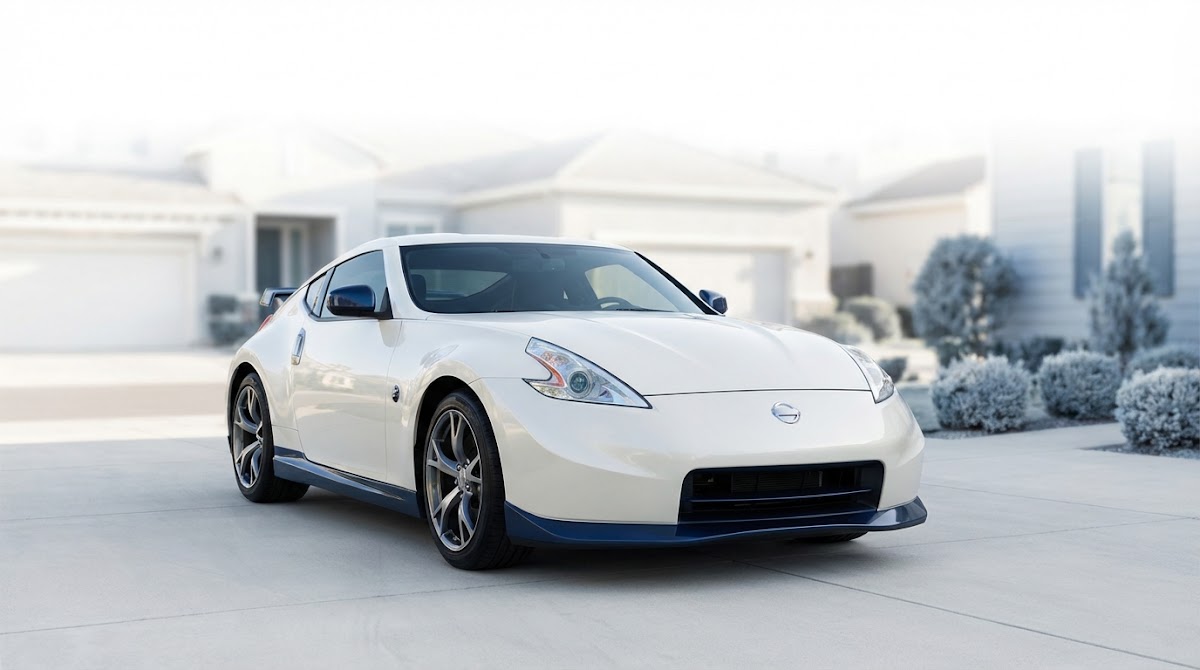
Low‑mile, well documented Nismo examples often command a premium due to collector interest.
Branded titles, inconsistent mileage and heavy modifications are practical red flags to verify before buying.
Quick answer: what buyers typically pay for a used 370Z
For buyers searching for a nissan 370z for sale, prices usually come as a conditional range rather than a single number: later model years, higher trims and low mileage tend to sit at the top of the range, while early model years, high mileage or poor documentation sit at the bottom. Value guides remain the basic starting point for this work, and checking multiple guides helps you see the retail versus private party spread Kelley Blue Book values.
The spread exists because model year, trim, mileage and documented condition change perceived risk and desirability. Enthusiast interest can lift prices for clean, low-mile examples of specific years, which means two cars that look similar in photos can command very different prices when history and mileage differ Hagerty valuation notes.
Run a vehicle history check to compare listings
Compare regional listing ranges and check value guides for the exact model year and mileage before forming a target price.
Headline takeaway, in practical terms, is this: use KBB, Edmunds and NADA to build a baseline, then adjust that baseline up for rare low-mileage or high-trim examples and down for cars with unclear history or evidence of heavy modifications Edmunds used Nissan 370Z values.
Why there is a range rather than a single price comes down to measurable differences that matter to buyers: trim like Nismo or Touring, a documented service history, and mileage bands are the factors that move the needle most on market value, so treating the result as a range gives you room to reflect those variables NADA Guides pricing.
Main drivers of 370Z value: what changes price the most
Model year and generation are primary determinants of the car's baseline worth because later years often have improved features, refinements and stronger remaining resale potential; value guides consistently separate years when they publish retail and private party numbers Kelley Blue Book values and J.D. Power model years.
Trim levels create clear step changes in price. Higher trims, and limited or performance editions like Nismo, typically command premiums over base trims because buyers pay for the combination of performance upgrades, exclusivity and often rarer condition in low-mile examples NADA Guides pricing.
Mileage and documented condition are the next most important drivers. A car with consistent mileage records and a service history aligned to recommended maintenance usually retains more value than a comparable vehicle with missing records, and listing sites show that mileage bands correlate strongly with asking price buckets CarGurus market listings.
Service history and title status matter because they reduce uncertainty for buyers. Listings marked with clear ownership history and clean title indicators tend to receive more buyer interest and can carry a price premium compared with otherwise similar cars that lack documentation Carfax guidance on checks.
How to use value guides and listings together to set a realistic range
What each guide provides varies a bit. Kelley Blue Book gives retail and private party ranges that reflect condition and dealer reconditioning assumptions, Edmunds offers market-adjusted pricing tied to comparable listings, and NADA Guides is often used as a conservative industry reference for trade and retail numbers; checking all three for the exact model year and mileage gives you a more balanced baseline Kelley Blue Book values.
Expect a conditional range rather than a single price; use KBB, Edmunds and NADA for baselines and adjust for trim, mileage and documented condition, with low‑mileage, well documented performance trims tending to command premiums.
Combining guide ranges with local listing data works like a short diagnostic process. Start with the average of the guides for the model year and mileage, then scan local marketplace listings to see whether asking prices trend above or below that baseline. Marketplaces often show clear geographic differences and mileage band effects that should nudge your target band up or down CarGurus market listings and by checking Autotrader listings Autotrader listings.
When you compare, treat guide values and listing asking prices as context, not guarantees. Adjust for documented condition, trim level and any notable positives or negatives you find in the history report. That means using the guides as an anchor and local listings as the reality check for your region.
Setting your target price: a simple checklist buyers can follow
Step 1: pick the right comparables. Search for listings that match the model year and trim, and keep mileage within a tight window to avoid mismatched apples to oranges; use price analysis labels or pricing context where available to quickly flag outliers CarGurus market listings.
Step 2: adjust for trim, mileage and documented condition. Move the baseline by small increments for higher trims like Nismo or Touring, and widen the spread if service history is missing or if the car has a branded title or inconsistent mileage entries Carfax guidance on checks.
Step 3: set a realistic initial offer band. Use a conservative opening offer below your low end and a walk-away price above it to keep negotiation room, then tighten the band when a listing shows single owner, clean title and full service records Kelley Blue Book values.
Simple example actions: note three local comparables, average their asking prices, adjust for trim and mileage, and then reduce for any missing documentation; that produces an evidence-backed opening and walk-away range.
How to verify a listing: vehicle history and maintenance you should check
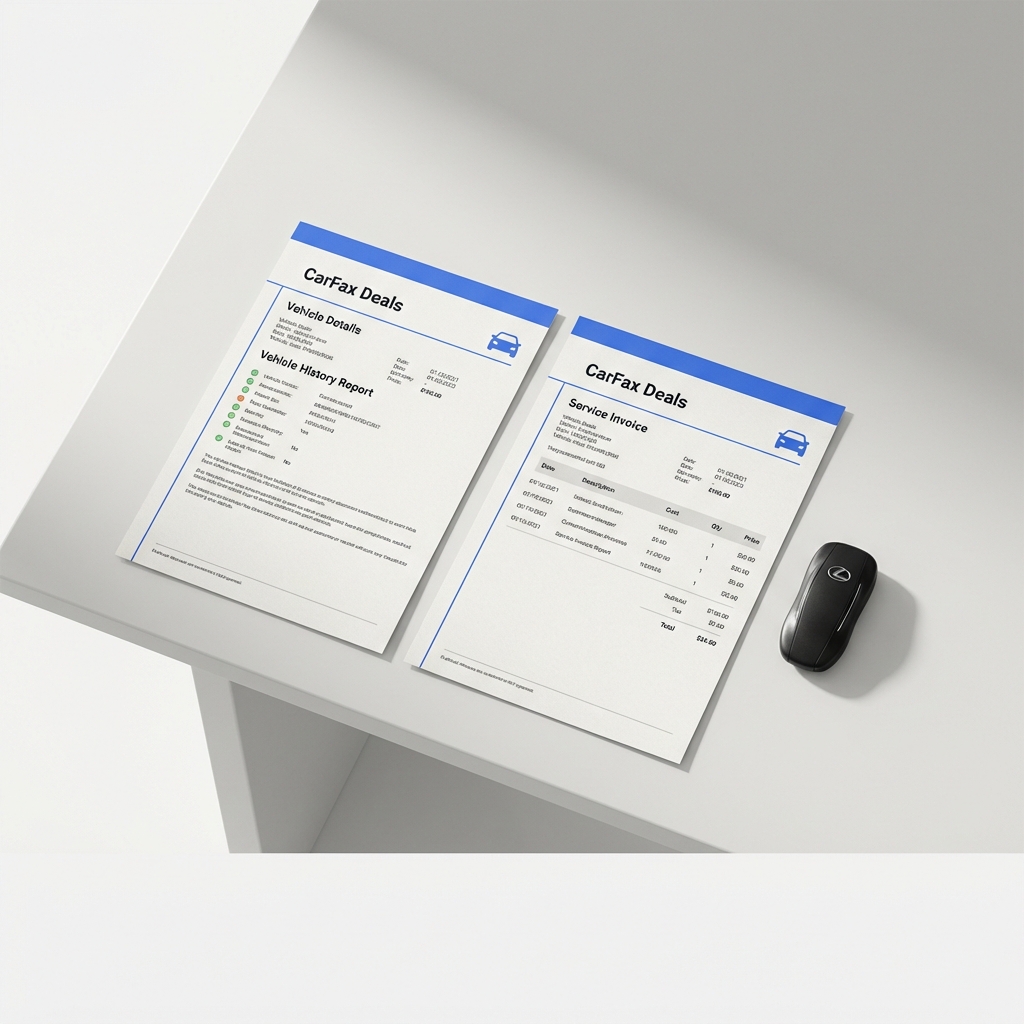
Start by running a vehicle history report to confirm title status, ownership history and any reported incidents; reports help translate listing claims into verifiable facts and reduce uncertainty for buyers Carfax guidance on checks, or run a VIN report at our VIN report.
request key history items before buying
ask for documented invoices
Service records and documented maintenance are central to value. Confirm major scheduled items such as timing components if applicable, documented oil changes, and any repairs that follow factory service intervals; a complete invoice trail tends to increase buyer confidence and listing value Edmunds used Nissan 370Z values.
Red flags to investigate include branded titles, inconsistent mileage entries between records, and evidence of heavy modifications or track use. Each of these can lower buyer confidence and typically reduces resale value or increases the need for a detailed inspection Hagerty valuation notes.
Negotiation and offer tips using pricing context
Use price analysis labels and pricing context to set your opening offer, but treat them as decision support rather than a guarantee. Labels can guide your band selection, showing whether a listing is priced competitively against similar vehicles in the area CarGurus market listings.
When a listing includes documented positives such as clean title and full service history, consider narrowing your offer band and being willing to move closer to asking price, because the documentation lowers uncertainty and potential inspection costs Carfax guidance on checks.
Be cautious with modified or track-used cars. They can be desirable to some buyers, but they often increase inspection needs and can justify a lower offer or a conditional purchase subject to a mechanic's inspection Hagerty valuation notes.
Common pitfalls and red flags that erode value
Salvage or branded titles are among the most serious issues that lower market value. Listings with branded titles generally sell for less and require extra due diligence, including knowing exactly why the title was branded and having a pre-purchase inspection to assess structural concerns Carfax guidance on checks.
Hidden damage, inconsistent mileage, or missing service records are practical problems that create negotiation leverage for buyers and raise the risk that unseen repairs will be needed. Requesting invoices and checking the mileage history against registration records reduces this uncertainty Edmunds used Nissan 370Z values.
Heavy modifications or evidence of track use often reduce broad buyer confidence, which tends to depress resale value for mainstream buyers. If you are interested in a modified car, budget for a thorough inspection and, if possible, receipts for the work performed Hagerty valuation notes.
Practical scenarios: reading three different listings and what to expect
Scenario A: low-mile, well documented Nismo. Expect this profile to command a premium because collector and enthusiast interest supports higher pricing for rare, well kept performance trims; documentation and low miles are the combination that typically lifts value Hagerty valuation notes.
Scenario B: mid-mileage original condition base trim. This is the common market middle. Use KBB and Edmunds to set a baseline and local listings to see if asking prices track that baseline in your area; documented service history will still matter to justify offers closer to the upper part of the guide range Kelley Blue Book values.
Scenario C: modified or track-used example. In many cases this profile lowers buyer confidence among mainstream used car shoppers and may justify a significantly lower offer or a conditional purchase pending a professional inspection. Expect wider negotiation swings and factor in potential repair or rework costs CarGurus market listings.
After you buy: ownership cost and resale considerations
Maintenance expectations and common repairs vary by year and usage. Use reliability pages and local parts pricing to estimate maintenance costs, and keep records to preserve resale value; documented, routine maintenance tends to help future resale regardless of trim NADA Guides pricing.
Resale value responds strongly to condition and documentation. Buyers later in the chain pay more for clear service records and original condition, while modifications or missing records can reduce the achievable resale price and narrow your buyer pool Hagerty valuation notes.
Wrap up: next steps for a confident buy
Checklist recap: consult KBB, Edmunds and NADA for a baseline, compare several local listings for the same model year and trim, verify vehicle history and service records, and then set an offer band adjusted for trim, mileage and documentation Kelley Blue Book values. See our pricing page for service details pricing and value options.
Where to look next: use localized listing searches and vehicle history reports as your main tools to narrow the field. Treat pricing context and price analysis labels as decision support, keep records of your checks, and plan a pre-purchase inspection where risk signals exist. A careful approach tends to reduce surprise costs and helps you set realistic expectations when you contact a dealer. For guidance on using our tools, see our how-to guide how-to guide.
Check all three guides for the specific model year and mileage to get retail and private party baselines, then compare those baselines to local listings to set a realistic range.
Nismo and other higher trims often command a premium because of performance upgrades and rarity, but the final price also depends on mileage, service history and overall condition.
Branded or salvage titles, inconsistent mileage records, missing service invoices and evidence of heavy modifications or track use are common red flags that lower value and warrant inspections.
Take time to compare guide baselines with regional listings and to verify title and service history before making an offer. Keeping careful records and using a structured checklist tends to make negotiations clearer and helps protect resale value.
If a listing raises risk signals, ask for invoices and plan a pre‑purchase inspection rather than relying on asking price alone.

 Blog
Blog