How to get a R34 skyline in the US? A practical import guide
This guide explains how to import a Nissan Skyline R34 into the United States using the two federal routes, the required paperwork, sourcing tips and practical decision criteria. It covers the 25 year exemption and the Registered Importer pathway, federal forms you will file, how to verify a car before purchase, shipping and customs steps, and a concise next-steps checklist.
A step-by-step workflow for estimating a truck's market value that centers on comparing consumer valuation tools, adjusting for mileage and condition, and checking wholesale market signals. The guide explains private-party, trade-in and dealer retail values and shows how a vehicle history report and pricing insights can change an asking price.
This guide helps research oriented buyers evaluate suv used cars for sale under $25,000 by combining safety ratings, reliability data, local pricing context, and vehicle history checks. It outlines a simple framework, a pre visit checklist, and a decision scoring worksheet so you can compare finalists before contacting a dealer. Use the steps here to narrow candidates and confirm risk signals with a vehicle history report and a pre purchase inspection.
When searching suv used cars for sale, prioritize model year, trim and powertrain before choosing a make or model. This guide explains how safety ratings, dependability studies and local pricing insights combine to produce a short list you can verify with a vehicle history report. It also provides a stepwise checklist you can use before contacting a dealer.
This article explains how to legally import a Nissan Skyline R34 into the United States. It covers the two federal import pathways, the paperwork you will typically file, sourcing and verification practices, and how to estimate time and cost. The guide is written for research oriented used car buyers and first time importers who want clear, step-by-step information.
Two legal federal routes exist to bring an R34 into the U.S.: the 25 year exemption and the Registered Importer process.
Key federal forms include the DOT HS-7 declaration and EPA import documentation; CBP handles entry and duty assessment.
Verify VIN, title and export paperwork early and get written estimates for shipping, RI work and state registration.
What the Nissan Skyline R34 is and your legal import options
Quick R34 overview and common trims to look for
The Nissan Skyline R34 is a late 1990s to early 2000s Japanese domestic market sports car that draws interest for its driving dynamics and iconic styling. Typical trims buyers seek include the GT-R and turbocharged GT-T versions, plus a range of non-GT performance and coupe trims that differ by market and year.
Many buyers searching for a nissan skyline r34 for sale want to know whether the car can be brought into the United States legally and what choices they face; the two main federal options are the 25 year exemption and importing a nonconforming vehicle and having it modified by a Registered Importer. For a concise federal explanation of the age-based exemption and general import rules, see the NHTSA guidance on importing a motor vehicle NHTSA import guidance.
Two legal import pathways at a glance: 25 year exemption and nonconforming import
The 25 year rule allows a vehicle 25 model years old or older to be imported without meeting Federal Motor Vehicle Safety Standards, which is why many R34s are brought in under that exemption when their model year qualifies. This route avoids FMVSS modifications but still requires federal filings and customs clearance; see NHTSA for the age exemption details NHTSA import guidance, and a practical discussion at MotoIQ.
If the R34 you want is younger than 25 model years, the common alternative is to import it as a nonconforming vehicle and arrange for a Registered Importer to modify it to meet DOT and EPA rules, provide compliance paperwork, or in some cases export it again if modification is not feasible. The Registered Importer process and RI responsibilities are described in NHTSA materials on registered importers NHTSA RI guidance.
One central federal form is the DOT HS-7 declaration, which you must complete to state whether the vehicle conforms to U.S. safety standards or is exempt under the age-based rule; this form is standard at the point of entry and is required for Customs and NHTSA records. The DOT HS-7 process and what it declares are outlined by NHTSA NHTSA import guidance. Also see CBP guidance on obtaining the forms CBP form guidance.
EPA Form 3520-1 and EPA import screening
The Environmental Protection Agency requires documentation to show whether the vehicle meets U.S. emissions requirements or is eligible for an exemption; often this involves EPA Form 3520-1 or following EPA import procedures and screening steps. For EPA-specific import procedures and documentation expectations, consult the EPA importation guidance EPA importation guidance.
CBP entry, duties and typical port procedures
U.S. Customs and Border Protection handles the vehicle entry, assesses duties, and enforces paperwork at the port of entry; passenger cars are commonly assessed an ad valorem duty, and CBP can require inspections or hold the vehicle until paperwork is verified. For CBP rules on bringing a car into the United States, see the official CBP guidance CBP import guidance.
When you plan a shipment, expect to file the DOT HS-7 and EPA paperwork with the carrier or broker ahead of arrival, arrange for payment of any assessed duties and fees, and allow time for CBP screening at the port. Customs brokers commonly manage filings and communication with CBP on your behalf.
How to decide between the 25 year exemption and using a Registered Importer
Key decision factors: model year, cost, timeline, RI availability
Deciding which route to take usually depends on the vehicle model year, the difference between purchase price and anticipated modification plus duty costs, how quickly you need the car, and whether you can find a Registered Importer with reasonable lead time. Registered Importers can provide feasibility assessments, but availability and lead times vary so it is wise to check before you buy; NHTSA maintains guidance on RIs and the importer process NHTSA RI guidance.
Compare purchase price versus estimated import and modification costs
Use this to prioritize options
When the 25 year rule is usually the practical choice
The 25 year exemption often becomes the practical choice when the model year is eligible because it typically avoids the technical modifications and testing that an RI would perform, which can add cost and time. That said, eligibility is tied to model year and documentation at import, so confirm model year definitions with your RI or NHTSA materials before assuming the exemption applies NHTSA import guidance.
When an RI route may be necessary despite higher cost
If the car is under 25 model years or has significant deviations from U.S. specifications, an RI may be required to perform compliance work to meet DOT and EPA rules; this can be necessary even if modification costs are substantial, so you should get written estimates and a feasibility statement from an RI before finalizing purchase plans. NHTSA guidance explains the Registered Importer process and documentation an RI provides NHTSA RI guidance.
Where to find an R34 and how to verify the car before purchase
Common sources: Japanese auctions, specialist exporters, and dealer listings for nissan skyline r34 for sale
Sourcing an R34 commonly means working through Japanese auction houses, specialist exporters who handle export paperwork, and niche dealers that list Japanese domestic market cars; availability is limited and prices can vary widely by trim and condition. Industry guides on importing JDM cars and auction procedures provide an overview of auction and exporter roles JDM auction and shipping guide.
Essential pre-purchase checks: VIN, title/export paperwork, service records
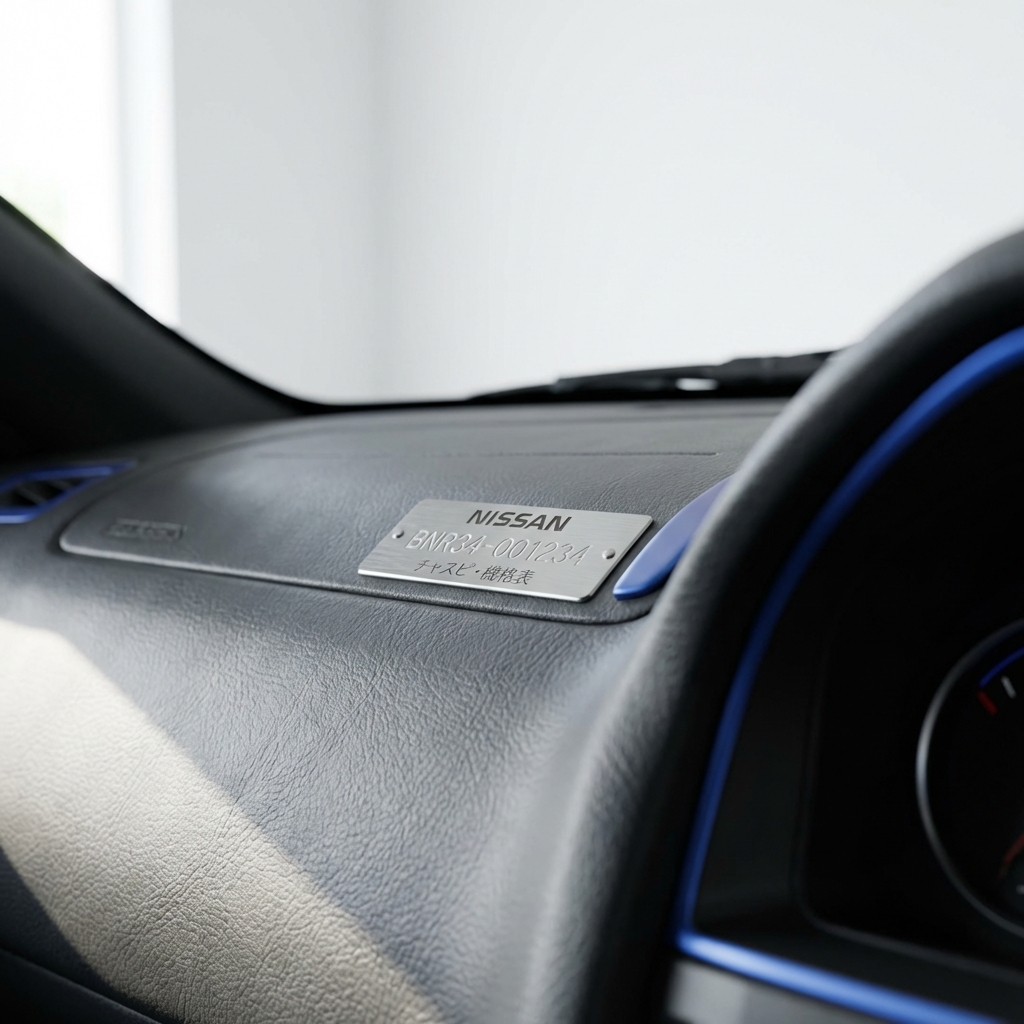
Before you commit funds, verify the vehicle identification number and request proof of title and export paperwork, plus as much service history and photos as possible; exporters or dealers should provide clear VIN documentation and export clearance evidence. Practical import guides recommend confirming VIN and title documentation early in the transaction to avoid surprises Hagerty import guide.
Vehicle history reports and export documentation help reveal ownership history, mileage checks, and reported damage or service events; when available, use a vehicle history report to confirm ownership records and recent maintenance before paying a deposit.
Shipping, arrival, customs clearance and typical timelines
Shipping options and estimated transit windows
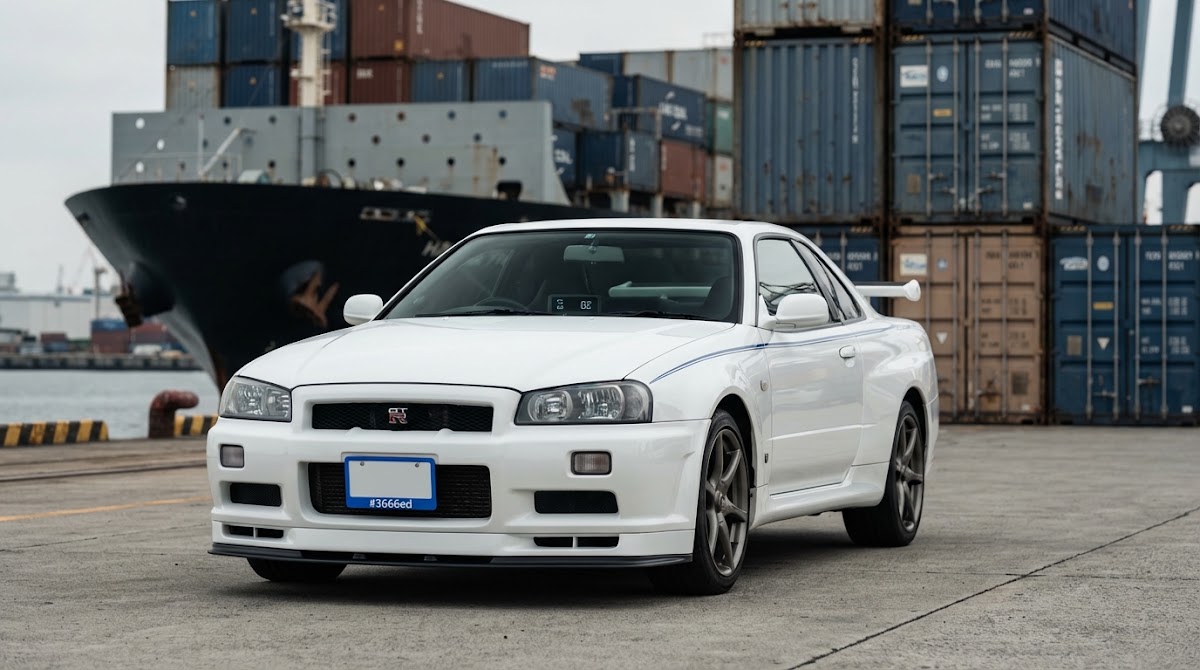
Common shipping options include roll-on/roll-off container shipping and full container shipments; transit times vary by port pair and service schedule and can range from several weeks to a few months depending on routing and carrier schedules. A case study on shipping an R34 is available on shipping an R34. Shipping and export guides show typical timelines and exporter steps that affect transit windows JDM auction and shipping guide.
Customs clearance steps, duties and broker roles
On arrival, CBP inspects paperwork, collects duties and fees, and may hold the vehicle for inspection; a customs broker can handle electronic filings, duty payment and coordinate release with CBP. For CBP procedures and duty information, consult the CBP guidance on importing cars CBP import guidance.
The landed cost you should plan for includes the purchase price, international shipping, port handling, CBP duties and broker fees, any RI modification or compliance work if required, and state registration and titling fees. Ask for itemized quotes for each of these steps so you can compare total cost scenarios before committing to a purchase.
Estimate your total landed cost
Get quotes for shipping, customs brokerage and any Registered Importer work before you finalize a purchase, so you can compare total landed cost scenarios.
Typical total timeline from purchase to road-ready
From purchase to a road-ready car, expect the process to take weeks to several months depending on exporter schedules, shipping windows, port processing times and whether RI modifications are needed; timelines are case specific and vary by port and service choices. Practical import advice notes that aligning exporter lead times, shipping bookings and RI availability is part of realistic planning Hagerty import guide.
Modifications and the Registered Importer process
What an RI does, typical compliance work and documentation
A Registered Importer modifies nonconforming vehicles to meet DOT and EPA standards when possible, performs required testing and issues the documentation needed to register the vehicle in the United States. NHTSA explains the RI role and the paperwork an RI provides when modifying a vehicle for compliance NHTSA RI guidance.
How to find and vet an RI and get cost/time estimates
To vet an RI, ask for written estimates, examples of similar conversions, lead times and details of the certification paperwork they will provide; confirm the RI is currently registered with NHTSA and request references. Contacting multiple RIs for written quotes helps you evaluate feasibility and budget for modification and testing costs before completing a purchase decision.
State registration, common mistakes and a short checklist of next steps
Why state DMV rules matter and examples of variable requirements
State registration and titling rules vary, affecting whether your imported R34 can be titled and insured in a given state, what emissions tests are required, and what documentation the DMV will accept at registration. Because state rules differ, confirm specific requirements with the destination state DMV early in the process to avoid surprises at registration.
Common mistakes importers make and how to avoid them
Frequent mistakes include skipping VIN and title verification, underestimating duties or RI costs, accepting incomplete exporter paperwork, and not confirming DMV or emissions rules for the destination state. Avoid these by collecting documentation early, getting written cost estimates, and confirming registration requirements before purchase.
You can import an R34 either under the 25 year exemption if the model year qualifies, or by importing it as a nonconforming vehicle and working with a Registered Importer to modify and certify it to DOT and EPA standards; both routes require federal filings with DOT, EPA and CBP and careful verification of VIN and export paperwork.
A concise next-steps checklist for a buyer
Checklist: confirm model year and VIN, request export and title paperwork, get a shipping quote, obtain customs broker and RI availability and written estimates, and check the destination state DMV for registration requirements. Following this ordered checklist helps you reduce risk and compare total cost scenarios before committing funds.
The 25 year rule allows a vehicle 25 model years old or older to be imported without meeting Federal Motor Vehicle Safety Standards, though federal forms and customs clearance are still required.
If the vehicle is younger than 25 model years or does not meet U.S. specifications, a Registered Importer may be needed to modify the car to meet DOT and EPA rules and provide certification paperwork.
Common federal paperwork includes the DOT HS-7 declaration and EPA import documentation such as Form 3520-1, plus CBP entry filings and duty payment documentation.
Importing an R34 requires careful planning, documentation and realistic cost estimates. Confirm model year eligibility, verify VIN and export paperwork, and get written quotes from shippers, customs brokers and any Registered Importer you might use before finalizing a purchase.

 Blog
Blog