Is the R34 Skyline legal in the US? — Is the R34 Skyline legal in the US?
This guide explains when a Nissan R34 Skyline can be legally imported and registered in the United States, focusing on the federal 25-year rule and the alternative Registered Importer pathway. It outlines federal entry steps, likely costs, state registration pitfalls, and a concise buyer checklist to help research oriented shoppers verify a specific listing, including how to confirm model year and VIN before purchase.
This guide explains which tacoma trucks for sale show the strongest reliability and safety signals to watch out for, and why mid-2010s and many pre-2016 Tacomas appear most often in complaint and recall records. The article shows how to use vehicle history reports, recall checks, and a focused inspection to reduce risk when evaluating a used Tacoma.
This article helps buyers searching tacoma trucks for sale understand which Tacoma engine tends to be most reliable. It summarizes reliability ratings, owner-complaint clusters, and maintenance-cost differences between the 2.7L I4 and the 3.5L V6, and gives actionable checks to reduce engine-related risk.
Audi reliability varies significantly by model, model year and powertrain, so the most reliable Audi for one buyer is not the same for another. This guide shows research-oriented used car buyers how to compare models using industry dependability studies, owner-reported trends, and per-VIN vehicle history reports. It focuses on checklists, inspection priorities and scenario-based recommendations to reduce risk when shopping a used Audi.
If you are researching a nissan skyline r34 for sale, the main legal question is whether federal and state rules let that specific car enter and be titled in your state. This guide lays out the key federal tests, the alternative Registered Importer path, and the typical documents and checks that can delay or block registration.
The aim is practical: help you confirm the model year and VIN, understand when the 25-year exemption applies, and know who to contact for CBP entry, RI conversion, and state DMV rules before you commit to shipping or payment.
Federal law usually allows import of vehicles 25 years or older without FMVSS conformity, but paperwork still matters.
A sub-25-year R34 often requires a Registered Importer to certify FMVSS compliance before release.
State registration and smog checks remain separate steps that can add time and cost.
What makes an R34 Skyline legal to import into the United States?
The most important federal rule for a buyer hunting for a nissan skyline r34 for sale is the NHTSA 25-year exemption, which generally allows vehicles 25 years or older to be imported without meeting current FMVSS vehicle safety standards. See the official NHTSA guidance for an authoritative explanation of how the age test works and what documentation is needed at importation. NHTSA importing vehicle guidance See the federal eligibility list for nonconforming vehicles. Federal eligibility list (ECFR)
Separate from NHTSA, the Environmental Protection Agency enforces emissions rules for imported vehicles. In practice the EPA recognizes the same age threshold as a practical compliance exemption for many imports, so a Skyline that meets the 25-year test typically avoids the EPA conformity procedures required for newer cars. For details on EPA import and emissions requirements, consult the EPA page on vehicle importing. EPA importing vehicles and engines
Check the vehicle model year and VIN against the NHTSA 25-year threshold; if it meets the age test the federal FMVSS and EPA conformity steps are usually not required, but you still need correct CBP entry and to satisfy state registration rules.
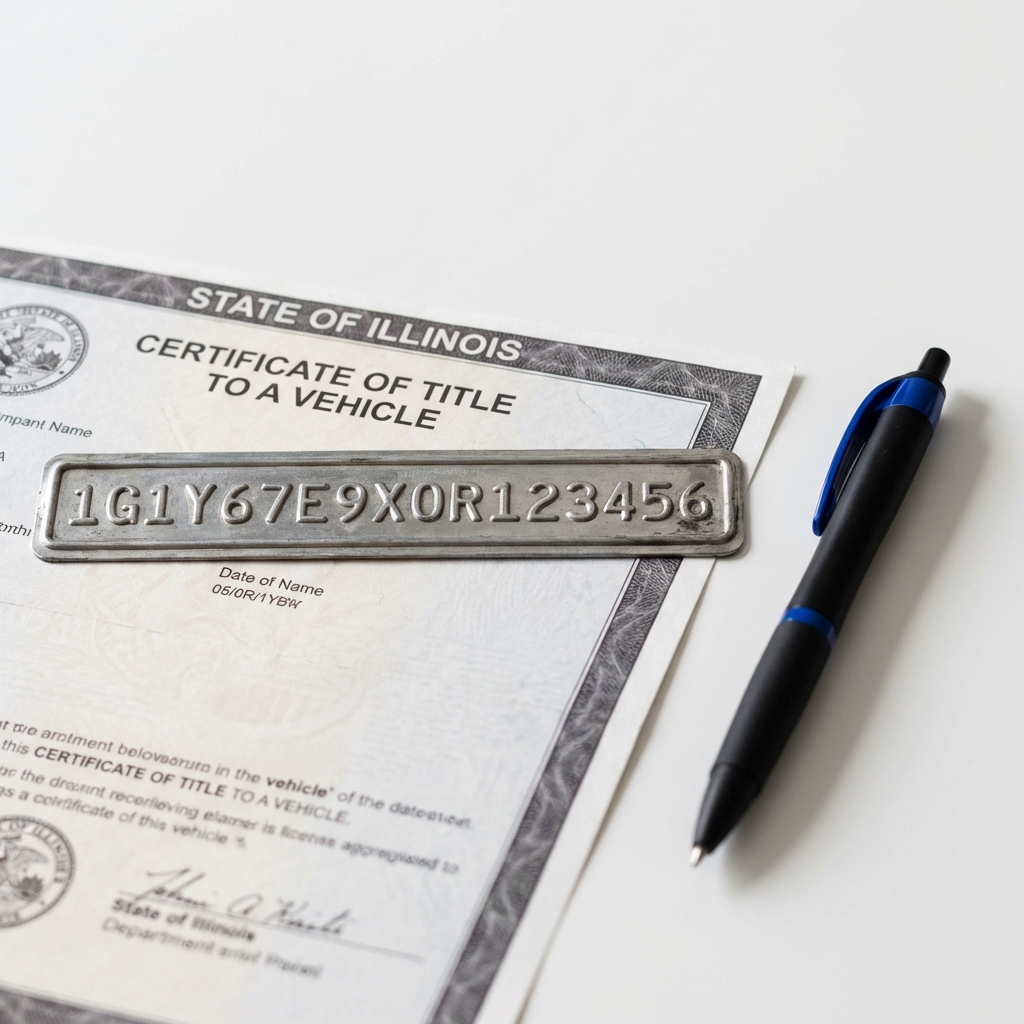
Age is determined by the vehicle model year and supported by the VIN and title documents, so buyers must confirm the exact model year and VIN before assuming the exemption applies. If the car's documented model year places it under the 25-year threshold, the import path changes and additional federal steps are usually required.
Two practical points to keep in mind: first, the 25-year rule is a federal entry test, not a registration promise at your state DMV; second, even when a car meets the age test you still need clear paperwork and proper CBP entry to complete the import process.
If the R34 is younger than 25 years: Registered Importers and conformity steps
When an R34 is younger than 25 years, you will commonly need an NHTSA-registered importer to bring the vehicle into FMVSS conformity and to prepare required DOT documentation before CBP will release the car for normal use. The Registered Importer pathway involves technical labeling, parts changes in some cases, and formal certification paperwork administered under NHTSA rules. NHTSA Registered Importer guidance
An RI's work can include physical modifications to meet specific FMVSS items, adding required labels and placards, completing conformity statements, and submitting forms to NHTSA and DOT as applicable. Buyers should treat the RI pathway as a project: it often requires coordination, parts sourcing, and test documentation rather than a single turnkey approval.
Availability and lead time for an RI can be a practical constraint. Not every RI takes every model or trim, and specialized work on a JDM specific trim may take extra time. Before committing to a purchase, ask the seller for a clear VIN and model specification, then contact potential RIs to confirm they will accept the job and provide a realistic timeline.
Step-by-step import process: from overseas sale to U.S. port
Start by assembling export paperwork while the car is still overseas: the common documents a buyer or their agent will request include the foreign title or certificate of ownership, the bill of sale, any export declarations required by the seller's country, and a power of attorney if you plan to hire an agent to handle customs entry. Having clear VIN documentation and a clean chain of ownership makes the later steps much simpler. Check the NHTSA eligibility list. NHTSA eligibility list (PDF)
Prepare a shipping plan that names a U.S. port of entry and a customs broker or freight forwarder who can file the CBP entry. When the car arrives in the United States, U.S. Customs and Border Protection will process the import entry, inspect the vehicle as necessary, and collect duties. Passenger cars commonly face a 2.5 percent ad valorem duty at importation, but buyers should confirm current CBP practice with their broker before purchase. CBP guidance on bringing a vehicle into the United States
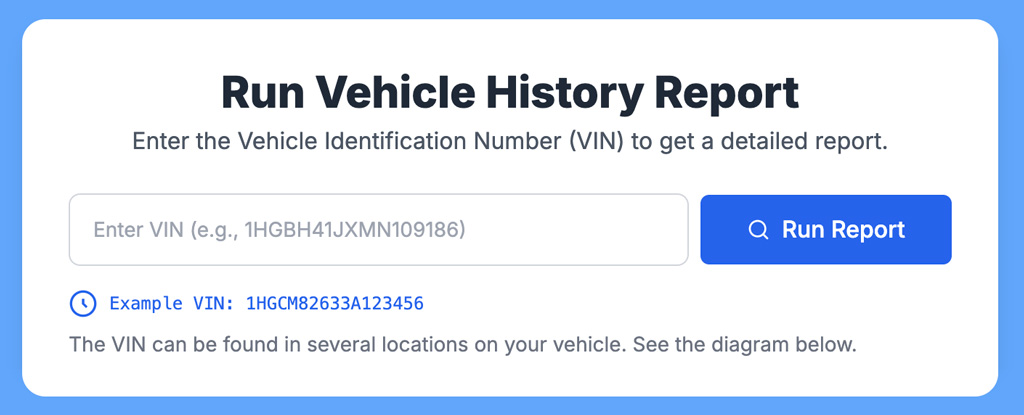
Run Vehicle History Report to confirm paperwork and title status
Confirm federal entry requirements and the destination state steps before finalizing purchase arrangements to avoid delays at the port or at the DMV.
If the car requires RI conversion to meet FMVSS, CBP may release the vehicle conditionally for transport to the RI facility, or the RI may accept physical custody after import release. If the vehicle already meets the 25-year exemption, CBP will still need correct import entry paperwork and proof of age, title, and ownership to clear the shipment.
Common points where CBP will pause an import include missing or inconsistent title documents, unclear VIN verification, or incomplete entry paperwork. Your customs broker can advise on how to prepare the entry and which documents reduce the risk of CBP hold or delay.
Typical costs and timelines to expect when importing an R34
Expect several broad cost categories: international ocean freight and port handling, customs duty and brokerage fees, any RI conversion and certification charges if the vehicle is under 25 years, emissions work required by EPA or the destination state, and state registration fees. These categories are commonly noted in practical import guides and vary by origin, the condition of the car, and the destination state. Hagerty's guide to importing R34 Skylines
Shipping and port timelines depend on origin and service level: ocean transit alone can be several weeks, and port processing adds days to weeks. If RI work is required, conversion and certification can add weeks or months depending on parts availability and the RI's schedule. Because each vehicle and job is different, treat timeline estimates as conditional rather than fixed.
Other variable charges include state level emissions repairs or testing if a car does not meet a state's smog standards, and any mechanical prep the seller should complete before shipping. Plan contingencies for unexpected inspection findings that can increase both cost and time to completion.
State title, registration, and smog: what can block you from driving it home
Federal import legality does not automatically satisfy state vehicle registration requirements. Each state sets its own title and registration criteria and may require additional documentation, emissions testing, or safety inspections before issuing a local title. Check the destination state's DMV checklist early in the process to see what they require for imported or out of state vehicles. California DMV guidance on imported vehicles
California represents a common example of a strict state process, with smog program checks and specific documentation needs for a nonconforming import. If you plan to register an imported R34 in a state with aggressive emissions testing, factor in potential modifications or testing requirements that may be needed before registration is approved.
Use a vehicle history report to confirm title status, ownership history, and any service history that appears in the listing; this verification layer can help surface risk signals before you commit to shipping or RI work. A report does not guarantee state registration, but it can reduce surprises related to title status and prior ownership records.
Where state requirements are unclear, call the destination DMV and explain you are importing a specific model and have the VIN ready. Many DMVs will tell you the exact forms and tests required, and some will list how to present RI or NHTSA documentation if the car was imported under a compliance pathway.
Common mistakes and red flags when buying an R34 overseas
A recurring error is assuming a seller claim about U.S. compliance or prior U.S. import history equals current legality. Sellers may use loose language about export readiness; buyers should request the exact VIN, original title paperwork, and any past U.S. import or export records before proceeding. If you rely on the seller's statement without documents, you risk CBP holds or registration denial later. NHTSA importing vehicle guidance See the Federal Register notice for more detail. Federal Register notice
Missing or incomplete export and title documents is another common red flag. Without a clear foreign title, export declaration, and bill of sale, CBP entry can be delayed and state DMVs may refuse to issue a title. Confirming ownership history and title status before shipping reduces the risk of a costly hold at the port. CBP documentation checklist
Underestimating RI lead time, conversion complexity, or parts availability is a third mistake. Reach out to potential Registered Importers before purchase with the VIN and trim details to confirm they can complete the required work and provide an approximate timeline. If an RI cannot accept the job, plan to either delay shipment or walk away.
Practical scenarios, a buyer checklist, and next steps
Quick pre-purchase checklist: confirm model year and VIN, verify whether the car meets the 25-year age test or secure an RI commitment for conversion, estimate shipping and import duty exposure, check the destination state DMV checklist for title and emissions, and confirm the seller can supply export paperwork and a clear bill of sale. Contacting a customs broker and an RI early reduces surprises at arrival. NHTSA importing vehicle overview
short pre-purchase import checklist
Use before making an offer
Scenario A, older R34 that clearly meets the 25-year test: this path typically reduces federal paperwork because FMVSS and EPA conformity steps are not required, but you still need clear title documents, proper CBP entry, and to satisfy state registration rules. Scenario B, sub-25-year R34: expect to coordinate an RI for FMVSS conformity and DOT documentation, plan for longer timelines, and verify an RI will accept the specific trim and VIN before purchase. These contrasts help highlight the different risk and cost profiles buyers will face.
Next steps for an interested buyer are simple: get the VIN, run a vehicle history report to confirm title and ownership signals, contact a customs broker about CBP entry and duties, and contact potential RIs if the vehicle is under 25 years. These actions will clarify whether the specific listing is practical to import given your timetable and budget.
The 25-year rule is a federal age test used by NHTSA that generally allows vehicles 25 years or older to be imported without meeting current FMVSS safety standards; buyers must still provide correct import entry paperwork and satisfy state registration rules.
If the R34 is younger than 25 years, you will typically need an NHTSA-registered importer to bring the car into FMVSS conformity and produce required DOT documentation; for cars meeting the 25-year test this pathway is usually not required.
A vehicle history report helps verify title status and ownership records but does not guarantee state registration, which is subject to the destination state's DMV requirements and any emissions or safety tests they demand.
Importing an R34 can be straightforward if the car meets the federal age test and you prepare clear paperwork. When the car is under 25 years, expect technical work and coordination with a Registered Importer.
Before you sign or ship, gather the VIN and title documents, call a customs broker about entry and duties, and contact a potential RI and your destination DMV to confirm the full set of requirements for registration.

 Blog
Blog