Which is the most reliable older car? A practical guide
This guide explains how to find reliable older cars for sale by combining dependability studies, safety and recall checks, and cost estimates with listing-level verification. It shows a step by step framework to shortlist model years and trims, then verify individual listings with a vehicle history report and a pre purchase inspection.
A step-by-step workflow for estimating a truck's market value that centers on comparing consumer valuation tools, adjusting for mileage and condition, and checking wholesale market signals. The guide explains private-party, trade-in and dealer retail values and shows how a vehicle history report and pricing insights can change an asking price.
This guide helps research oriented buyers evaluate suv used cars for sale under $25,000 by combining safety ratings, reliability data, local pricing context, and vehicle history checks. It outlines a simple framework, a pre visit checklist, and a decision scoring worksheet so you can compare finalists before contacting a dealer. Use the steps here to narrow candidates and confirm risk signals with a vehicle history report and a pre purchase inspection.
When searching suv used cars for sale, prioritize model year, trim and powertrain before choosing a make or model. This guide explains how safety ratings, dependability studies and local pricing insights combine to produce a short list you can verify with a vehicle history report. It also provides a stepwise checklist you can use before contacting a dealer.
Older cars for sale can offer good value, but reliability varies widely by model year, trim, and service history. This guide helps research oriented buyers combine dependability studies, safety checks, and cost estimates with listing level verification to find candidates worth inspecting.
We focus on practical steps: how to read dependability studies and safety databases, what to ask for in a vehicle history report, and how to estimate ownership costs so you can compare realistic options before visiting a seller.
Reliability for older cars depends on model year clusters and documented maintenance more than brand alone.
Always verify safety ratings and open recalls for the exact model year before you buy.
A vehicle history report and pre purchase inspection are the decisive checks for any older car listing.
What we mean by older cars for sale and why reliability varies
When shoppers talk about old cars for sale they usually mean vehicles that are past their manufacturer warranty period, often more than ten years old, rather than classics or collector cars. Reliability for these older models is driven by more than age alone. It depends on common faults for a model, typical maintenance costs, parts availability, and how well previous owners maintained the vehicle.
Reliability is multidimensional: a model can score well on longevity but have high repair costs for specific components, which changes total cost to own. Annual dependability studies show important differences across model years within the same generation, so picking the right model year can matter as much as picking the make. For a quick reference on model year variation consult the J.D. Power dependability study summary, which compares model years across many classes J.D. Power VDS.
Individual vehicle condition can override brand level trends. A well maintained example of a typically less reliable model may be a better buy than a neglected unit of a usually dependable nameplate. That is why a vehicle history report and full service records are essential when reviewing listings; guidance from consumer testing groups explains how these listing level checks reduce risk Consumer Reports guidance.
Prioritize model years that dependability studies flag as stronger within a generation, choose simpler trims and powertrains when possible, and always verify individual listings with a vehicle history report and an independent inspection.
For first time buyers, these distinctions matter because a short checklist at the listing stage can rule out high risk cars quickly. Throughout this guide, keep in mind that model year, trim, and documented service history are often more relevant than the advertised mileage alone.
old cars for sale: what buyers mean
The phrase old cars for sale covers a wide set of choices: economy sedans, compact crossovers, and larger family vehicles that have aged differently. When you read listings, check whether the seller offers detailed service history and title status. Those items are decisive for older vehicles because they reveal repair patterns and ownership continuity.
How experts measure used car reliability
Auto industry dependability studies aggregate owner experiences over a period to identify recurring issues and compare model years. These studies help buyers see which model year clusters within a generation tend to perform better, and they can be a useful first filter when building a shortlist. For model year level comparisons, look at the J.D. Power dependability summaries that compare issues per 100 vehicles across many models J.D. Power VDS.
Owner surveys, aggregated repair-cost services, and lab or crash testing are complementary. Repair-cost aggregators collect typical failure points and cost ranges to show likely maintenance expense, while owner surveys capture frequency of problems over time. Repair cost and frequency data together can help predict total cost to own for older cars RepairPal reliability and costs.
No single score captures everything. A high overall reliability rating can obscure expensive failure points in a particular trim or powertrain. Experts recommend combining dependability scores with repair-cost metrics and specific fault histories before deciding on a candidate.
A practical reliability framework to evaluate older cars
Use four pillars to evaluate any older car: fault history, maintenance records, parts and repair costs, and safety and recall status. Each pillar addresses a different risk: recurring mechanical faults, gaps in service that hide wear, cost and feasibility of repairs, and any outstanding safety issues that affect long term suitability.
Start by checking fault history for the model and model year, then confirm the listing's maintenance records and service history, next estimate parts availability and typical repair costs, and finally review safety ratings and recall history. Each step reduces uncertainty before you invest time and money in an inspection.
Weight the pillars to match your needs. For a daily commuter, prioritize low expected repair costs and parts availability. For a family vehicle, emphasize safety and recall remediation history, then maintenance records. A simple weighting could be: commuter 40 percent cost, 30 percent fault history, 20 percent parts availability, 10 percent safety. For family use shift the safety weight higher. These adjustments help you compare candidates with different tradeoffs.
Quick four pillar checklist to apply to any used car listing
Use with a vehicle history report
Before visiting, confirm two final items: that the listing offers a vehicle history report or VIN to run one, and that a pre purchase inspection by an independent mechanic is possible. Those actions convert a shortlist into verifiable choices and often expose issues summaries and open recalls that affect long term reliability Consumer Reports guidance.
Where to find trustworthy data: reports and ratings to check
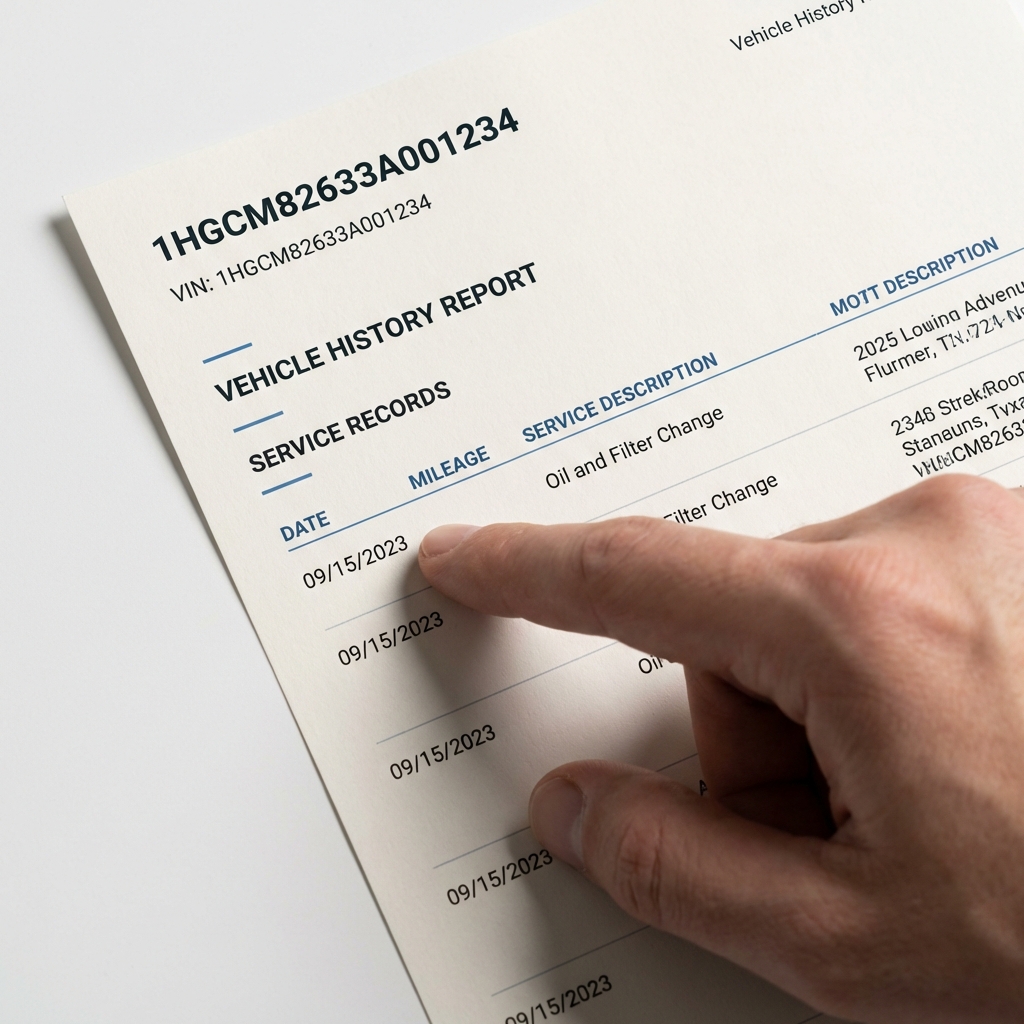
A vehicle history report is the first document to request from a dealer or seller. It typically shows accident history, title status, ownership history, and mileage checks. These items are primary indicators of risk for older cars, and a missing or incomplete report is a legitimate reason to pause a purchase.
For safety performance and model year level ratings, consult the IIHS ratings site. IIHS publishes crashworthiness and other tests that vary by model year, and those differences can change which model years you shortlist IIHS vehicle ratings.
Open recall history is available from the national recall database. Use the searchable NHTSA recalls database to check whether a particular vehicle has outstanding recalls and whether those recalls were addressed in service records NHTSA recall database. Also use resale indexes and aggregated cost indices to weigh reliability against value; Kelley Blue Book guidance and resale data help you compare local prices against long term value expectations KBB used car guidance.
How to narrow a shortlist: makes, model years, and trims to prioritize
Dependability studies show that some model years within a generation are clearly stronger. When a study flags a cluster of years with fewer reported problems, prefer those years if the local market has available examples. This approach reduces the chance of inheriting generation-level faults that surfaced in early production years J.D. Power VDS.
Trim and powertrain choices matter. Simpler powertrains and lower complexity trims often cost less to maintain, and they may have fewer electronic-related faults. When comparing trims, ask whether the higher trim introduces features that raised reported fault rates in owner surveys or repair-cost databases.
Check parts availability for your region before prioritizing a model. Repair cost aggregators and forums can show common failure parts and whether they are readily available or expensive to ship. If parts are scarce or costly, the total ownership cost can quickly offset an initially low purchase price RepairPal reliability and costs.
Safety performance and recall checks specific to older cars
IIHS ratings are model-year specific. A model that earned a top rating in later years of a generation may have performed worse in earlier years. Read the detailed IIHS pages for the exact model year you are considering and note differences in crashworthiness features and testing outcomes IIHS vehicle ratings.
Search the NHTSA recall database by VIN or model-year and examine whether recalls remain open for components that affect safety. Distinguish between recalls that required safety-critical fixes and service campaigns aimed at non-safety issues. Confirming that recall work was completed is an important step before purchase NHTSA recall database.
When a recall is found, look for service documentation in the vehicle history report or ask the seller for dealer repair receipts. If documentation is absent, plan to have the dealer or an independent mechanic verify whether recalls were remedied.
Estimating ownership and repair costs for cars older than ten years
Repair and maintenance costs typically rise with vehicle age, because wear items and age related failures become more common. Common expensive repair areas for older vehicles include the powertrain, suspension components, and electronic control modules. Repair-cost aggregators summarize these typical failure areas and can help estimate expected expense ranges for a model and model year RepairPal reliability and costs.
Aggregated total cost to own indices and resale guidance can help set realistic expectations, but remember that local labor rates and parts prices vary. Use KBB or local comps to see whether a lower purchase price compensates for higher expected maintenance costs KBB used car guidance.
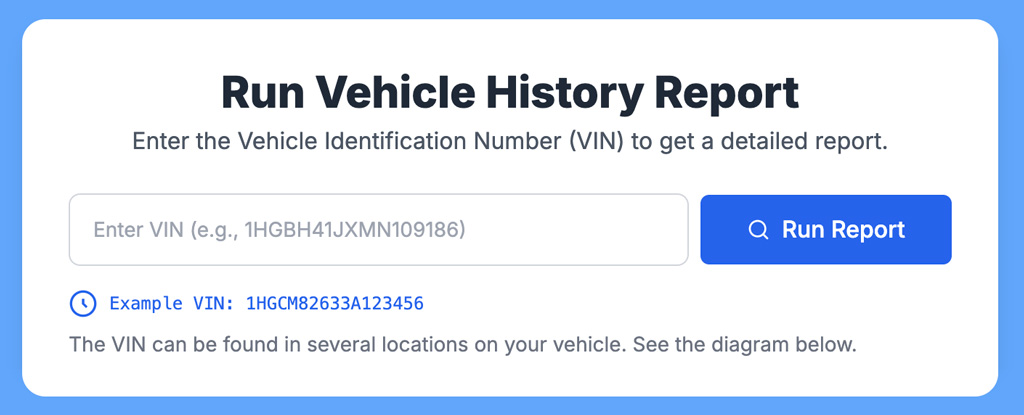
Run a vehicle history report to compare listings
Compare the listings you are considering using a verified vehicle history report before you schedule a test drive.
Factor parts availability into your ownership estimate. If a model uses rare parts or foreign-only components, plan for higher lead times and potential shipping costs. When in doubt, ask local mechanics or check parts suppliers to confirm typical lead times and price ranges.
A verification checklist to use on listings
Request the vehicle history report or VIN immediately. In that report confirm title status, ownership history, accident or damage records, and mileage checks. These items are core to spotting hidden risk in older cars Consumer Reports guidance.
Ask the seller for full service history and look for regular maintenance entries. Gaps in service records or missing major maintenance events are invitations for a closer inspection. If the listing lacks documentation, plan a deeper pre purchase inspection as the next step.
Insist on a pre purchase inspection from an independent mechanic when possible. A mechanic can inspect common failure points and provide a written estimate for needed repairs, which helps you negotiate or walk away if issues are extensive.
Common buyer mistakes with older cars and how to avoid them
Relying on a single reliability score is a common mistake. An overall score can mask expensive failure points or trim specific issues. Combine dependability studies, repair-cost data, and specific model-year fault histories to avoid this pitfall J.D. Power VDS.
Another error is ignoring trim and powertrain differences. Two cars with the same nameplate but different powertrains can have very different maintenance profiles and repair costs. Probe the listing to confirm the exact trim and powertrain, then compare reported issues for that configuration.
Finally, overlook of incomplete history is risky. Missing service records or unexplained ownership gaps should prompt additional checks, including a VIN focused vehicle history report and targeted mechanic inspection NHTSA recall database.
Practical scenarios and example shortlists
Example 1, budget commuter. Prioritize low expected repair costs and parts availability. Use dependability studies to find model-year clusters with fewer reported faults, then verify that local listings have solid service records. Favor simpler trims that omit high cost electronics and optional powertrains. Before visiting confirm no open safety recalls for the chosen vehicle year J.D. Power VDS.
Example 2, family SUV. Prioritize safety ratings and parts availability. Shortlist model years with strong IIHS ratings for that body style, then cross check NHTSA for recall remediation. Factor resale guidance to see whether a slightly higher purchase price preserves long term value and offsets maintenance risk IIHS vehicle ratings.
In both scenarios, use a vehicle history report and a pre purchase inspection as the final verification steps. Local market prices and unique vehicle history records can change which candidate is the best practical choice.
How local market pricing affects what is a smart buy
Compare KBB or similar resale indexes to local listing prices to see whether a lower asking price compensates for higher expected repairs. A model with higher projected maintenance may still be a good value if the purchase price is sufficiently below local comps KBB used car guidance.
Market distortions, such as regional popularity for a particular model, can make a typically reliable car overpriced locally. In that case, prefer alternatives that offer similar reliability signals but better local value. Always balance reliability signals against price analysis labels to reach a pragmatic choice.
From shortlist to visit: what to verify in person and on inspection
On site, check for consistent paint color, panel fit, and signs of recent major repair. During the test drive listen for unusual noises and test systems that are expensive to repair, such as the transmission or HVAC. These simple checks often reveal maintenance or reliability issues before a mechanic inspection.
Ask the seller for written proof of recall repairs and recent maintenance. Request receipts for major service items like timing belt or water pump replacements when applicable. If the dealer cannot provide documentation, note that as a risk factor to verify with a mechanic and a vehicle history report NHTSA recall database.
If serious issues emerge, get a written estimate from an independent mechanic. A comparative written estimate helps quantify repair risk and informs your decision to negotiate, accept, or walk away.
Red flags that should make you walk away
Title problems and salvage indicators are major red flags. A salvage title or branding for severe damage increases uncertainty about the vehicle's long term reliability and can lead to higher insurance and resale costs. Confirm title status in the vehicle history report before proceeding Consumer Reports guidance.
Large undocumented gaps in service history or odometer inconsistencies are also deal breakers. If mileage checks in a history report show irregularities, or the seller cannot explain service gaps, treat the listing as high risk and consider walking away.
Unresolved major recalls or structural damage records that lack repair documentation are reasonable reasons to decline a purchase. Always require documentation that safety related recalls were addressed before finalizing a transaction NHTSA recall database.
Summary and next steps for buyers considering older cars
To find the most reliable older car, combine multiple independent sources: dependability studies, safety ratings and recall checks, aggregated repair-cost indices, and listing level verification. Use this layered approach to shortlist model years and trims that match your priorities.
Turn a shortlist into verified candidates by requesting a vehicle history report, reviewing full service history, and arranging a pre purchase inspection. Where available, compare price analysis labels and local comps to judge whether a reliable model is also a sound value.
Apply the checklist, verify documentation, and use conditional judgment when weighing tradeoffs. These steps reduce uncertainty and help you choose older cars for sale that meet your reliability and budget needs.
A reliably usable older car typically has a strong model year record, complete service history, no unresolved safety recalls, and accessible replacement parts; always confirm with a vehicle history report and a pre purchase inspection.
Aggregated scores are a useful starting point but can hide trim or powertrain specific issues; combine them with repair cost data and model year fault histories before deciding.
Open safety recalls can affect suitability and should be addressed before purchase; verify recall remedies in service records or with a dealer before finalizing a deal.
Use the four pillar framework to build a short list, then verify each candidate with a vehicle history report and an independent pre purchase inspection. Balancing dependability signals against local pricing helps you identify older cars for sale that align with your budget and reliability needs.


 Blog
Blog