What is the cheapest option to buy a car? — What is the cheapest option to buy a car?
This guide explains why repossessed cars for sale can be among the cheapest options to buy a car, and how to assess the tradeoffs between low upfront price and follow-up costs. It outlines where low-price opportunities appear, essential checks such as NMVTIS and VIN verification, and a step-by-step repo-buy checklist to reduce risk.
This guide helps research-oriented buyers compare used Tacoma options and decide which model years and trims match their priorities. It distinguishes third-generation 2016–2023 Tacomas, which have a long service and parts history, from the 2024 redesign that introduced i-FORCE powertrain options. Use a VIN-based vehicle history report and a professional pre-purchase inspection to reduce risk before you contact a dealer.
This guide explains which tacoma trucks for sale show the strongest reliability and safety signals to watch out for, and why mid-2010s and many pre-2016 Tacomas appear most often in complaint and recall records. The article shows how to use vehicle history reports, recall checks, and a focused inspection to reduce risk when evaluating a used Tacoma.
This article helps buyers searching tacoma trucks for sale understand which Tacoma engine tends to be most reliable. It summarizes reliability ratings, owner-complaint clusters, and maintenance-cost differences between the 2.7L I4 and the 3.5L V6, and gives actionable checks to reduce engine-related risk.
If you are trying to answer what is the cheapest option to buy a car, repossessed vehicles often appear near the top of the list. This guide explains why repossessed cars for sale can be priced below retail and how to balance the upfront savings against likely follow-up costs.
The article focuses on practical checks and a clear checklist you can use immediately, including VIN verification, NMVTIS searches, inspection priorities, and auction logistics. It is written for research oriented used car buyers and first time buyers who need procedural steps to reduce risk.
Repossessed vehicles often sell below retail up front but usually as-is with limited disclosures.
Run NMVTIS and a vehicle history report with the VIN before you bid to check title brands.
Add buyer premiums, transport, and likely repair costs into your maximum bid to estimate true cost.
What repossessed cars for sale means and why they are usually cheaper
Definition and common sellers
Repossessed cars for sale are vehicles that a lender or finance company has taken back after the borrower defaulted and then put up for sale. These units are different from dealer trade-ins or typical private sales because a lender controls the process and often sells through auction channels or through contracted remarketing firms.
Because repossessed vehicles move through creditor channels rather than standard retail lots, buyers often encounter limited disclosures and as-is sale terms. For guidance on rights and what to expect after a repossession, see CFPB guidance on repossessions and next steps CFPB guidance on repossessions.
Why prices are often below retail
Prices on repo units tend to sit below retail because lenders aim to recover owed balances quickly and because many repossessed units are sold at wholesale venues that move inventory fast. Recent wholesale and auto finance reports document higher repossession volumes and softer wholesale prices, which can increase the frequency of low-price opportunities at auction Manheim market report.
That lower upfront price can look attractive. However, repossessed cars commonly sell as-is with limited warranties and limited seller disclosures, which increases post-purchase risk for buyers.
Cheapest places to buy a car: repossessed cars for sale compared with other low-cost channels
Direct comparison: repossessions, salvage, government surplus, private-party, dealer floor vehicles
Several channels tend to offer the lowest upfront prices: repossessed-vehicle auctions, salvage-title listings, government and police surplus auctions, motivated private-party sellers, and dealer floor vehicles that have been aged or discounted. Each source comes with a different mix of disclosure, title risk, and buyer protections. For a practical how-to on bank and repo auctions, see Bank and Repo Auctions.
Government and police surplus auctions can list low-mileage fleet or seized vehicles at steep discounts, but condition and availability vary by locality and auction schedule USA.gov auctions page.
Salvage-title vehicles typically sell for the lowest upfront price, yet they can carry unpredictable repair and registration costs; official title databases are the recommended way to confirm a salvage or branded title before buying NMVTIS information page.
Typical upfront savings versus hidden costs
Private-party purchases can be inexpensive when sellers are motivated, but buyers are responsible for verifying vehicle history and watching for title or odometer issues as noted by federal consumer guidance FTC buying used car guidance.
Repo and salvage buys can show large initial savings. Those savings may be offset by repair bills, registration hurdles for branded titles, or missing maintenance records. The local frequency of repo units and the state of wholesale markets affect how often low-price opportunities appear TransUnion auto finance report.
Step-by-step: how to buy repossessed cars for sale safely
Before you bid or contact a seller
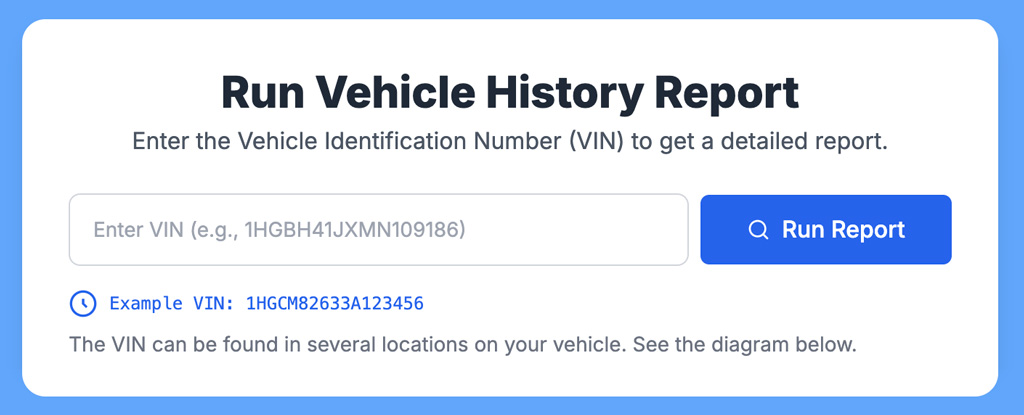
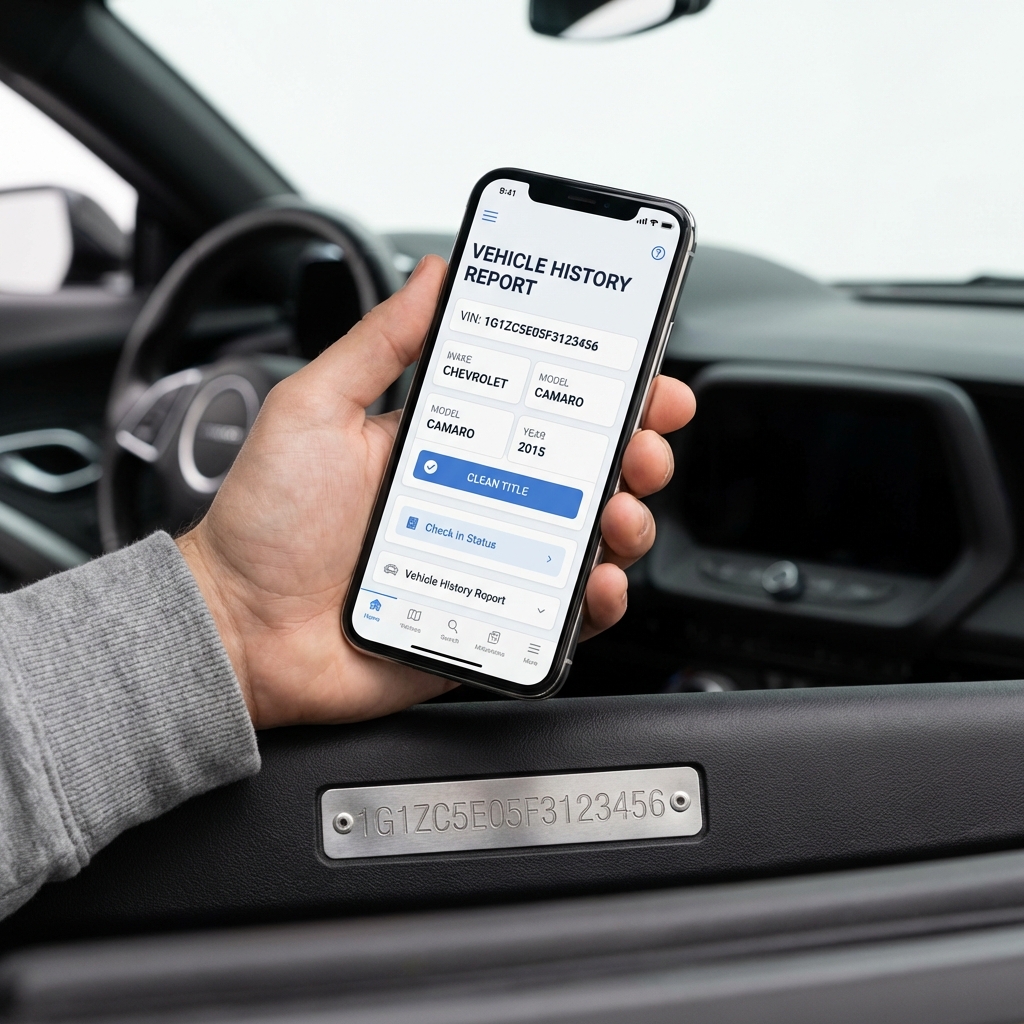
Start by getting the vehicle identification number or VIN. With the VIN in hand, check title brands and reported history using NMVTIS or an equivalent vehicle history report. Confirming title status early can prevent surprises at registration and insurance time NMVTIS information page. See also NMVTIS reporting entities for additional federal details.
Also confirm auction rules, buyer premiums, and payment methods before you plan to bid. Auction houses and repossession firms often publish fee schedules and pickup procedures; missing these details can make a low bid much more expensive. For additional practical tips on buying repo cars, see Capital One's guide.
At auction or on the listing day
When bidding, remember that many repo units sell as-is and that inspection access can be limited. If an inspection is allowed, prioritize major components such as powertrain, frame damage, and fluid leaks. If inspections are not permitted, treat the vehicle as high risk and adjust your maximum bid accordingly.
Confirm the buyer premium and any court or repo-house fees before placing a bid, and add an estimate for transport or towing into your total purchase budget. Each auction has different premium structures and pickup windows that can affect final cost CFPB guidance on repossessions.
Run Vehicle History Report before you bid
Save a checklist and confirm fees and pickup rules before you bid.
The lowest upfront-cost options include repossessed-vehicle auctions, salvage-title sales, government surplus auctions, motivated private-party sales, and discounted dealer units. Repossessed cars often have low hammer prices but sell as-is, so buyers should verify VIN, run NMVTIS or a vehicle history report, budget for fees and repairs, and confirm auction rules before bidding.
After purchase: title, registration, and transport
After a winning bid, follow the seller instructions for deposit, payment, and title delivery. Lenders and auctions have different timelines for releasing the vehicle and the title. Know the deadlines and accepted payment forms to avoid losing the purchase.
Use NMVTIS and a vehicle history report to confirm the title brand and prepare for registration. If the vehicle has a branded title, check state rules on registering salvaged or rebuilt vehicles because the process can add time and expense NMVTIS information page.
Tools and checks to run before you bid on repossessed cars for sale
Title and brand verification using NMVTIS and equivalent databases
NMVTIS is the primary federal resource to confirm branded titles and to check whether a vehicle has a salvage or other designation that can affect registration and insurance. A search can reveal title brands that matter for long term cost and insurability NMVTIS information page.
Run a vehicle history report to see ownership history, reported accidents, service entries, and mileage checks. These reports have limits, but they often surface key red flags before you bid.
A short pre-bid action list to reduce title and history risk
Run these before you bid
Using vehicle history reports and dealer transparency signals
Vehicle history reports typically include accident history, ownership history, service history, mileage checks, and title status. Use those items to spot inconsistencies or missing maintenance records, and treat large gaps in reporting as a caution.
When a repo unit is offered through a dealer or public auction, check dealer transparency signals such as posted dealer reviews and profile information when available. These signals do not replace title checks but can help compare listings and set expectations for disclosure levels Manheim market report.
Bidding, payment, transfer: what to expect when buying a repo unit
How bidding works and common fee structures
Auction venues use different models, including timed online bidding and live on-site auctions. Many add a buyer premium to the hammer price, and some charge administrative or processing fees on top of the invoice.
Always add buyer premiums and likely transport costs to your maximum bid before you participate. Failing to include these fees is a common reason a low purchase price becomes costly after closing.
Payment, title transfer, and taking possession
Auctions and lenders typically require a deposit from winning bidders and set strict payment deadlines. Acceptable payment methods vary by seller, so confirm whether wire transfer, cashier check, or card payment is allowed.
After payment clears, follow the seller's process for title transfer and vehicle pickup. Some auctions release only a sales receipt and forward the title later; others provide the paper title at pickup. Clarify transport and storage timelines before you bid to avoid additional salvage or storage fees USA.gov auctions page.
Decision criteria: when a repossessed car makes sense and when to walk away
Budget and total cost to own considerations
Consider the total cost to own, not just the hammer price. Factor in estimated repair costs, insurance and registration for branded titles, transport, and any auction fees. If repair estimates exceed a conservative fraction of the purchase price, it can negate the upfront savings.
Market conditions affect availability and price opportunities. Higher repossession volumes and soft wholesale prices can increase supply and lower prices in some regions, but availability remains local and variable TransUnion auto finance report.
Red flags that should stop a purchase
Walk away or lower your bid if the VIN is obscured, title history is missing, NMVTIS shows a branded title, or the seller refuses reasonable documentation. These are common indicators of higher downstream costs.
If you cannot get an independent inspection and the listing shows significant gaps in ownership or service history, treat the purchase as high risk and consider alternative local options with clearer records FTC buying used car guidance.
Common mistakes and red flags when buying the cheapest cars
Title, odometer, and paperwork traps
One frequent error is skipping a VIN or NMVTIS check. Missing this step can leave buyers unaware of a branded title or an odometer discrepancy that affects value and registration.
Another common trap is trusting incomplete paperwork. If titles, bill of sale, or odometer disclosures are unclear, get clarification before bidding or buying. Do not assume a low price compensates for missing documents FTC buying used car guidance.
Underestimating repair and registration costs
Buyers often assume a low purchase price equals overall savings. In practice, repair bills for salvage or unrepaired damage, plus the effort to register a branded vehicle, can exceed expectations. Use a conservative repair estimate when you calculate the maximum bid.
Also watch for auction pitfalls such as undisclosed buyer fees, tight pickup windows, and limited recourse after sale. Confirm these details in writing when possible to avoid surprises CFPB guidance on repossessions.
Practical examples, a sample repo-buy checklist, and next steps
Three short scenarios with cost-risk tradeoffs
Scenario A: A mechanically sound 2014 sedan listed at auction with clear NMVTIS results and a recent service record. Upfront price is low and repair risk is small. This is a reasonable buy for someone who can inspect the vehicle and confirm title status.
Scenario B: A salvage-title truck sold for little money, but needed body and frame work. The purchase saved money up front but required major repairs and a rebuild title process, increasing total cost over time.
Scenario C: A repo unit with unclear ownership history and no inspection window at an online auction. The low hammer price is tempting, but the unknowns make this a high risk choice for most buyers.
Printable repo-buy checklist the reader can use
Compact checklist: 1) Get VIN, 2) Run NMVTIS and a vehicle history report, 3) Confirm seller fees and buyer premiums, 4) Arrange inspection or set a conservative bid cap, 5) Plan transport and pickup, 6) Confirm title transfer timeline.
Next steps: Verify local auction rules, get the VIN for any listing you consider, and run a vehicle history report before you bid. Use official title databases to confirm the presence or absence of branded titles and adjust your budget accordingly NMVTIS information page.
Registration rules vary by state. If NMVTIS or a vehicle history report shows a salvage or branded title, check your state motor vehicle agency for the rebuild or salvage registration process before buying.
No. While repossessed cars often have lower upfront prices, buyer premiums, repair costs, and registration fees can offset savings. Always estimate total cost to own before bidding.
Use official title databases such as NMVTIS and run a vehicle history report with the vehicle VIN to check title brands and reported history.
A repossessed car can be an economical choice for a buyer who does careful pre-purchase checks and accepts possible repair work. For many buyers, the difference between a good outcome and an expensive mistake comes down to VIN checks, clear title verification, and realistic repair estimates.
Before you bid, gather the VIN, run title checks through official sources, and budget for fees and transport. These steps tend to reduce uncertainty and help you compare listings more reliably.


 Blog
Blog