A "smart car for sale" can be gasoline-powered or fully electric depending on model year and listing details. This guide explains how to tell which powertrain a listed Smart uses, how to confirm it before you visit, and what to check at inspection for gasoline and electric models. Use the steps here to reduce uncertainty when comparing listings and deciding whether to request a vehicle history report.
A step-by-step workflow for estimating a truck's market value that centers on comparing consumer valuation tools, adjusting for mileage and condition, and checking wholesale market signals. The guide explains private-party, trade-in and dealer retail values and shows how a vehicle history report and pricing insights can change an asking price.
This guide helps research oriented buyers evaluate suv used cars for sale under $25,000 by combining safety ratings, reliability data, local pricing context, and vehicle history checks. It outlines a simple framework, a pre visit checklist, and a decision scoring worksheet so you can compare finalists before contacting a dealer. Use the steps here to narrow candidates and confirm risk signals with a vehicle history report and a pre purchase inspection.
When searching suv used cars for sale, prioritize model year, trim and powertrain before choosing a make or model. This guide explains how safety ratings, dependability studies and local pricing insights combine to produce a short list you can verify with a vehicle history report. It also provides a stepwise checklist you can use before contacting a dealer.
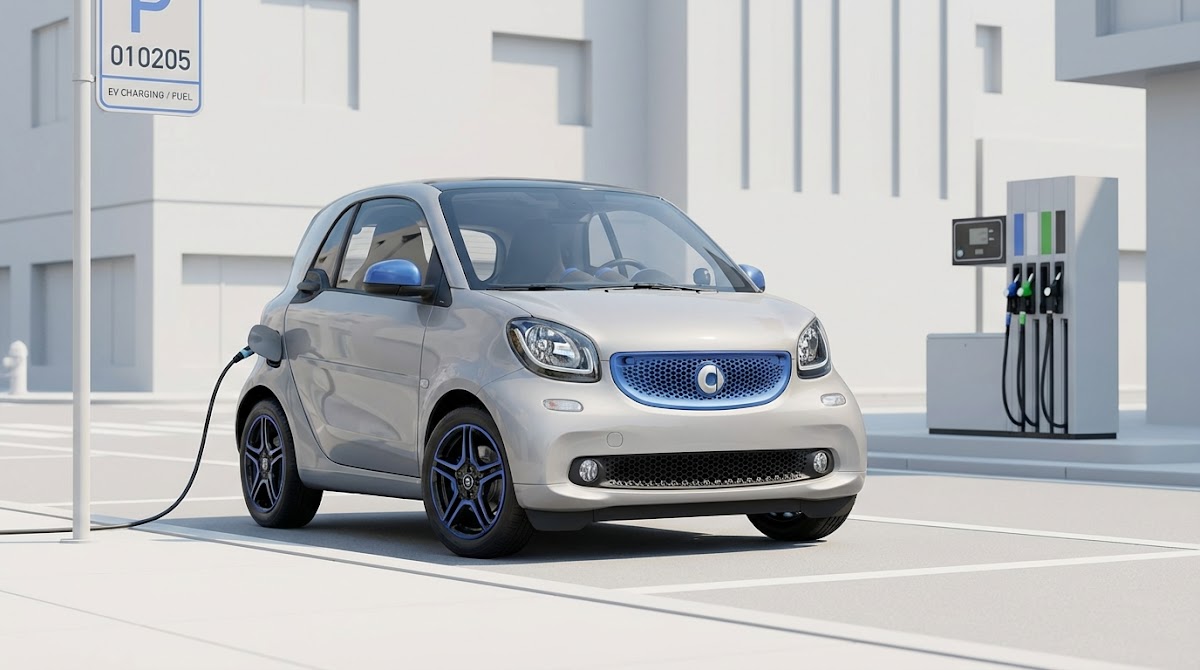
When you begin searching for a smart car for sale, the car you find might be electric or gasoline-powered depending on the model year and how the listing is written. Newer smart models emphasize battery-electric powertrains, while older Fortwo and Forfour models commonly use conventional gasoline.
This guide explains how to tell which powertrain a listed Smart uses, what to request from the seller, and what to have inspected before you buy. The steps are designed to help research-first buyers reduce uncertainty and compare listings with confidence.
A "smart car for sale" can be gasoline or electric, depending on model year and listing details.
Always confirm powertrain with the listing, owner manual, or a VIN-based vehicle history report before visiting a seller.
Inspect battery condition for EVs and the fuel system for gasoline Smarts as part of your pre-purchase checks.
What a smart car for sale can mean in 2026: gasoline, electric, or unclear
When you see "smart car for sale" in a listing, it does not always mean the same thing. Some used Smarts on the market are older Fortwo and Forfour models that run on conventional gasoline, while recent models such as the smart #1 are fully electric. smart #1 - smart global models
Because the brand shifted its product line toward battery-electric vehicles from 2024, many new-model listings describe EV powertrains explicitly, but the used market still contains gasoline examples, especially older city cars. Always check the listing for explicit powertrain language and the model year rather than assuming fuel type.
Run a vehicle history report on CarFax Deals
Download a printable pre-visit checklist and use it to confirm powertrain and key listing details before you contact a seller.
A clear first step is to read the listing fields. Look for model name, model year, and any mentions of battery capacity, charging specs, or stated fuel type. Photos and trim badges can help but are not definitive; the listing text or the VIN-based report is the reliable source for powertrain confirmation.
Short history: older Fortwo and Forfour models were commonly built with gasoline engines and remain frequent on the used market, while the newest smart models emphasize battery-electric technology.
How smart shifted to electrification and what that means for buyers
Daimler and later corporate decisions pushed smart toward electrification, changing the brand strategy and the new model lineup. Coverage of this shift explains why you will see more electric models among recent listings and why new vehicles from the brand often require charging instead of gasoline. Daimler and smart electrification coverage
Smart's official pages list the smart #1 as a fully electric model, which helps buyers set expectations for new-model listings. If a listing advertises a recent model year, treat the powertrain as likely electric unless the seller specifically states otherwise. smart #1 - smart global models
How that affects inventories is practical: used-car searches will return a mix. Newer inventory tends to be EVs, which may have different pricing and inspection priorities. Older gasoline Smarts stay in circulation and often attract buyers looking for compact, city-oriented economy cars.
How to tell quickly if a smart car for sale needs gas or charging
Use a short checklist when you view a listing. First, confirm the model name and year. Second, look for explicit powertrain labels such as "electric," "EV," "gasoline," or "petrol." Third, scan for battery or charging specs or for fuel-type notes in the description.
If the listing lacks clear language, request the VIN and check a vehicle history report for clues. A VIN-based report often lists engine or powertrain type and can flag title or accident issues you should know before visiting. Buying a used car checklist and VIN use
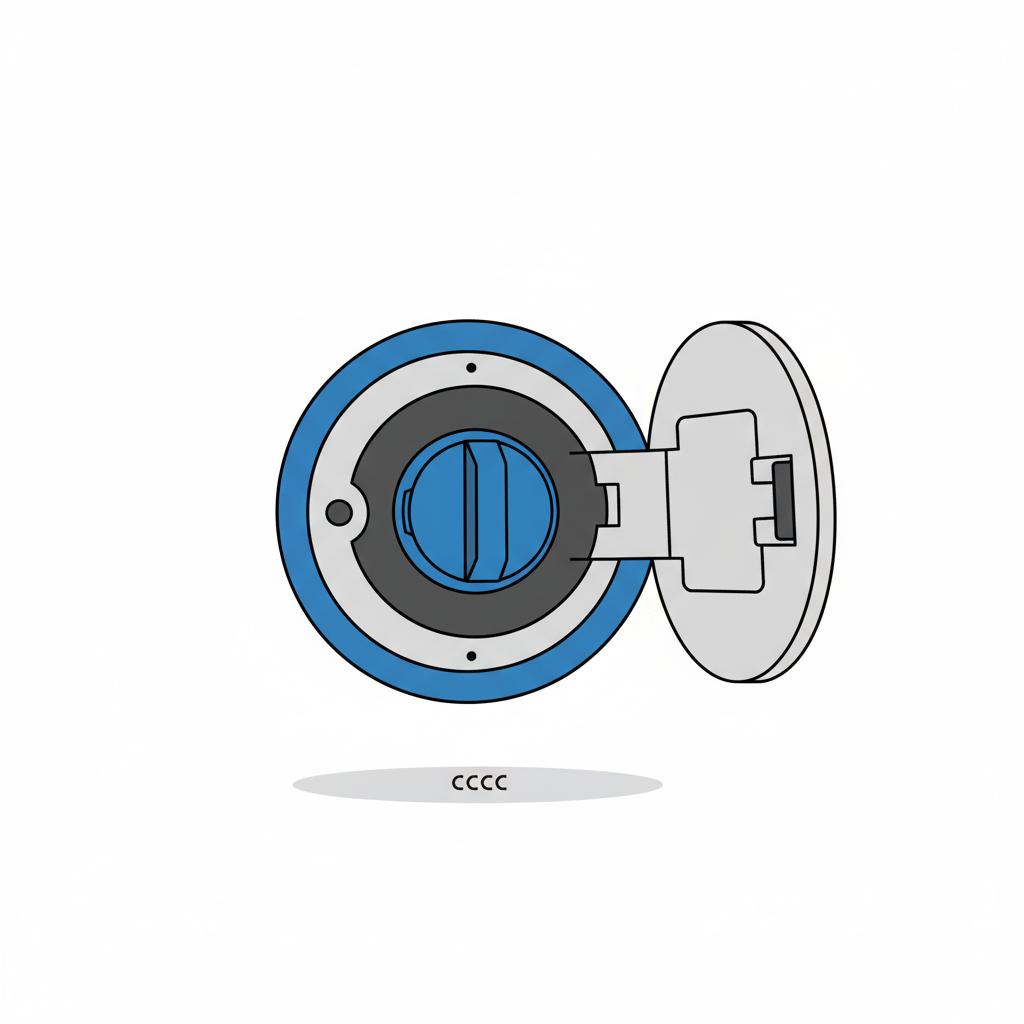
Photos can be misleading, so do not rely only on images. A charging inlet and a fuel filler look different, but angle and covers in photos hide the detail. If you are unsure, ask the seller for the owner manual page that lists fueling or charging instructions or ask them to confirm the VIN so you can verify the powertrain yourself.
Red flags that require follow-up include missing VIN, inconsistent wording between text and photos, or a listing that repeatedly avoids the question of powertrain. In those cases, treat the listing as unclear until you obtain VIN confirmation or a vehicle history report.
If it is gasoline: how to fuel a used smart car safely
For gasoline Smarts, the common requirement is conventional unleaded gasoline. The owner’s manual and the fuel-door label provide the exact octane and fueling instructions for the specific model year, so use those references for any technical detail you need to follow. Fuel economy and specifications references
Fuel-filler location varies by model and trim. Some Smarts place the filler on a side panel, others near the rear; confirm the exact location in the owner manual or by checking the vehicle itself before attempting to refuel. smart owner manuals and fueling instructions
Practical fueling tips: close the fuel door fully, use the recommended octane, and check the filler cap for a secure seal. During a pre-purchase inspection, ask the mechanic to check the filler neck and cap for corrosion or leaks and to confirm that the fuel-system components are in good condition.
If the seller cannot provide an owner's manual page or a VIN for verification, treat the fuel details as unknown and request that information before you arrange a test drive. That avoids accidental misfuelling or confusion at the pump when you take the car home.
If it is electric: charging options and what to expect
Electric Smarts have a charging inlet rather than a fuel filler. For recent models such as the smart #1, the manufacturer specifies the inlet type and supported charging levels, so confirm those specs in the listing or in owner documentation. smart #1 - smart global models
Common charging options include Level 1 charging from a standard household outlet, Level 2 charging from dedicated home or public chargers, and DC fast charging where the model supports it. Available charging speeds depend on model and equipment, so check whether the vehicle supports DC fast charging if that matters for your use case. Smart model charging and fueling differences
When evaluating a used EV Smart, ask for battery condition records, recent charging history if available, and any service items for the high-voltage system. Confirming battery health and remaining capacity is central to understanding range and future ownership costs.
Also verify the charging inlet condition during inspection. Look for damage, signs of corrosion, or missing caps. A qualified technician can test the battery and charging system as part of a thorough pre-purchase check.
What to verify on any smart car for sale: a listing verification checklist
At the top of your verification steps, confirm the powertrain, request the VIN, and obtain a vehicle history report to review title and accident history. Use the VIN to check odometer records and service entries when available. How to use a vehicle history report
Verify powertrain, history, and condition before visiting a listing
Request VIN early
Ask the seller for the owner manual page that lists fueling or charging instructions and for recent service invoices that show maintenance of either fuel-system items or high-voltage components. If a seller cannot provide those documents, require VIN confirmation so you can check the vehicle history report yourself.
Always compare listed mileage to service records and to the vehicle history report. Mismatched odometer entries or gaps in service history are reasons to pause and request further documentation or a professional inspection.
How to use CarFax Deals as a verification layer when a smart car for sale is listed
CarFax Deals functions as a decision support layer that helps buyers compare dealership listings with vehicle history context and transparent pricing signals. Use the platform to request a vehicle history report, review price analysis labels, and compare similar local listings before visiting a dealer.
Use the platform’s vehicle history reports to confirm title status, ownership history, and reported accidents. Combine that information with pricing insights and local market context to form a hypothesis about the listing, then verify specifics like the owner manual recommendations and charging or fueling details with the seller.
Remember the platform supports research and helps surface risk signals; it does not replace a mechanical inspection or owner manual verification for model-specific fueling and charging instructions.
Pre-purchase inspection checklist specific to Smarts
EV-specific inspection items include battery condition, charging inlet condition, and any available state-of-charge history or service records for high-voltage components. A technician familiar with EV systems should evaluate the battery for degradation and test charging performance. Inspection items for EVs and used cars
Gasoline-specific items include checks for fuel-system leaks, filler cap and filler neck condition, and common wear items such as spark plugs and ignition components. Use the owner's manual to confirm recommended service intervals and fuel-octane guidance for that model year. Owner manual fueling and maintenance
For both powertrains, inspect service history records and confirm there are no title issues or major accident repairs that could affect long term reliability. If service records for high-voltage EV systems are missing, prioritize a specialist inspection before you buy.
Common buyer mistakes when evaluating a smart car for sale
A frequent mistake is assuming that all Smarts are electric or all are gasoline. Smart has models across both powertrain types, so always confirm the model year and stated powertrain instead of relying on assumptions. smart model powertrain guidance
Other common errors are skipping a vehicle history report, ignoring the owner manual for fuel or charging instructions, and relying only on photos. These oversights can leave you unprepared for the fuel or charging needs of the car you are considering. Avoid skipping VIN checks and reports
Finally, do not skip a battery or fuel-system inspection for used vehicles. Each powertrain has its own wear points and common problems that a trained inspector can spot before you commit.
Practical examples: comparing a used electric Smart and a used gasoline Smart
Scenario A, commuter EV smart #1: focus on charging access and battery history. Ask the seller about recent charging habits, any DC fast charging use, and whether the vehicle has recorded battery service. Confirm the inlet type and supported charging speeds in the listing or owner documents. smart #1 EV details
Questions for the seller in this scenario include: what is the typical range you see after a full charge, did you use DC fast charging frequently, and can you provide recent service invoices for the battery or charging system. Request the VIN to check history and any recorded maintenance.
Scenario B, urban gasoline Fortwo: focus on fuel-filler location and fuel-octane recommendations. Ask the seller to show the fuel door in photos or confirm the owner manual page that lists recommended octane and fueling steps. Have the mechanic check for leaks around the filler neck and for secure cap operation. Gasoline smart specifications
Questions for this scenario: can you confirm the octane rating shown in the owner manual, are there recent fuel-system repairs, and can you provide service invoices that include fuel-filter or fuel-pump work. Request the VIN for a vehicle history report and compare mileage entries with service records.
Decision framework: should you buy this smart car for sale?
Use a short decision checklist: confirmed powertrain, clear vehicle history with acceptable title status, inspection results that match listing claims, and an estimated total cost to own that fits your budget. If any of these elements are missing, require them before you proceed. Decision criteria and pre-purchase steps
Weigh battery condition or expected fuel-system repairs into your price expectations. For EVs, battery health can materially affect range and future costs. For gasoline Smarts, expect fuel-system repairs to be a likely line item if inspections show leakage or wear. Use inspection results and service history to prepare negotiation points or walk away if costs look disproportionate to the listing price.
Walk away when powertrain is unclear, the VIN is missing, or the vehicle history report shows title issues or unresolved major damage. Those are valid reasons to avoid a risky purchase.
Price signals, pricing context, and when a listing looks fairly priced
Compare similar listings in your local market to judge price. Newer EV models may have different pricing dynamics than older gasoline Smarts, so align your comps by model year, equipment, and mileage. Market context and model strategy
Check service history and battery or fuel-system records as part of assessing whether a price seems fair. A car with documented recent battery service or a recent fuel-system overhaul can justify different pricing than one with incomplete records. Pricing context should be one factor alongside condition and history.
After purchase: fueling, charging, and maintenance tips for new owners
Follow the owner’s manual for fuel-octane and fueling procedure for gasoline Smarts and for charging recommendations for EV Smarts. The manual is the definitive source for model-year specifics and safe procedures. Owner manual reference
For EVs, monitor battery health over time and keep service records of charging-related maintenance. For gasoline models, check for fuel-system leaks and make sure the fuel cap seals correctly after filling. Schedule routine service with a technician familiar with the model and powertrain type.
Final takeaway and next steps when you find a smart car for sale
Confirm the powertrain, request the VIN and a vehicle history report, and inspect battery condition for EVs or the fuel system for gasoline cars. Those steps reduce uncertainty before you visit a dealer or seller. Key pre-purchase actions
Three short next actions: verify listing details, request VIN and report, and schedule a qualified inspection. Research and inspection reduce risk but do not replace a proper mechanical check.
Older Smart models such as the Fortwo and Forfour were produced with gasoline powertrains and commonly use conventional unleaded gasoline. Confirm the model year and consult the owner’s manual for exact fuel-octane guidance.
Check the listing text for powertrain labels like electric or EV, look for battery or charging specs, and request the VIN to verify powertrain details in a vehicle history report if the listing is unclear.
Ask for the VIN, owner manual pages that list fueling or charging instructions, recent service invoices for battery or fuel-system work, and any records of charging or fuel-system repairs.
Confirming powertrain, obtaining a vehicle history report, and scheduling a qualified inspection are the most important steps before you buy. These actions help you compare pricing context, clarify ownership and title history, and understand likely maintenance needs.
Use the checklist steps in this guide and ask sellers for VIN-based confirmation to move forward with more confidence.

 Blog
Blog