Back to Blog

Are Tesla sales really dropping?

Searching for "tesla for sale" usually means you want to find local listings, pricing and availability, not to read production or delivery reports. This article explains why company delivery numbers and local listing counts can move in different directions, and it shows practical checks shoppers can use to interpret listings and short-term headlines.

Are Tesla sales really dropping? - Header Image
CarFax DealsBlog
Headlines about Tesla's deliveries can make shoppers wonder whether that means fewer cars available near them. This article separates two different signals: corporate delivery reports and the listings you find when you search "tesla for sale." It explains why the two can move differently and gives practical checks for shoppers. We focus on clear, verifiable steps and recent 2025 evidence so you can interpret listings and pricing signals without overreading a single quarter of manufacturer data.
A quarterly delivery number measures manufacturer placements, not live dealer inventory.
Tesla's reported deliveries showed quarter-to-quarter swings through 2025, reflecting timing and market factors.
When shopping, verify title and ownership with a vehicle history report before you contact a dealer.

When you search "tesla for sale": what that phrase usually reflects

When someone types "tesla for sale" into a search box they are most often trying to find specific cars they can buy near them, with details like model year, trim and price. That query points to listings on dealer sites, classifieds and used-car marketplaces rather than corporate production or delivery reports, and it usually means the shopper wants actionable information about availability and condition. You can also run a VIN report on CarFax Deals to check a vehicle's history: CarFax Deals VIN report.

A company press release that reports quarterly delivery counts is a reporting metric about how many vehicles the manufacturer placed with customers in a given period, not a live inventory feed of what dealers currently list for sale. For example, Tesla publishes production and delivery numbers in investor press releases that describe units produced and delivered by quarter, which are reporting milestones rather than local stock snapshots Tesla investor press release (see coverage from major outlets such as CNBC).

Run CarFax Report
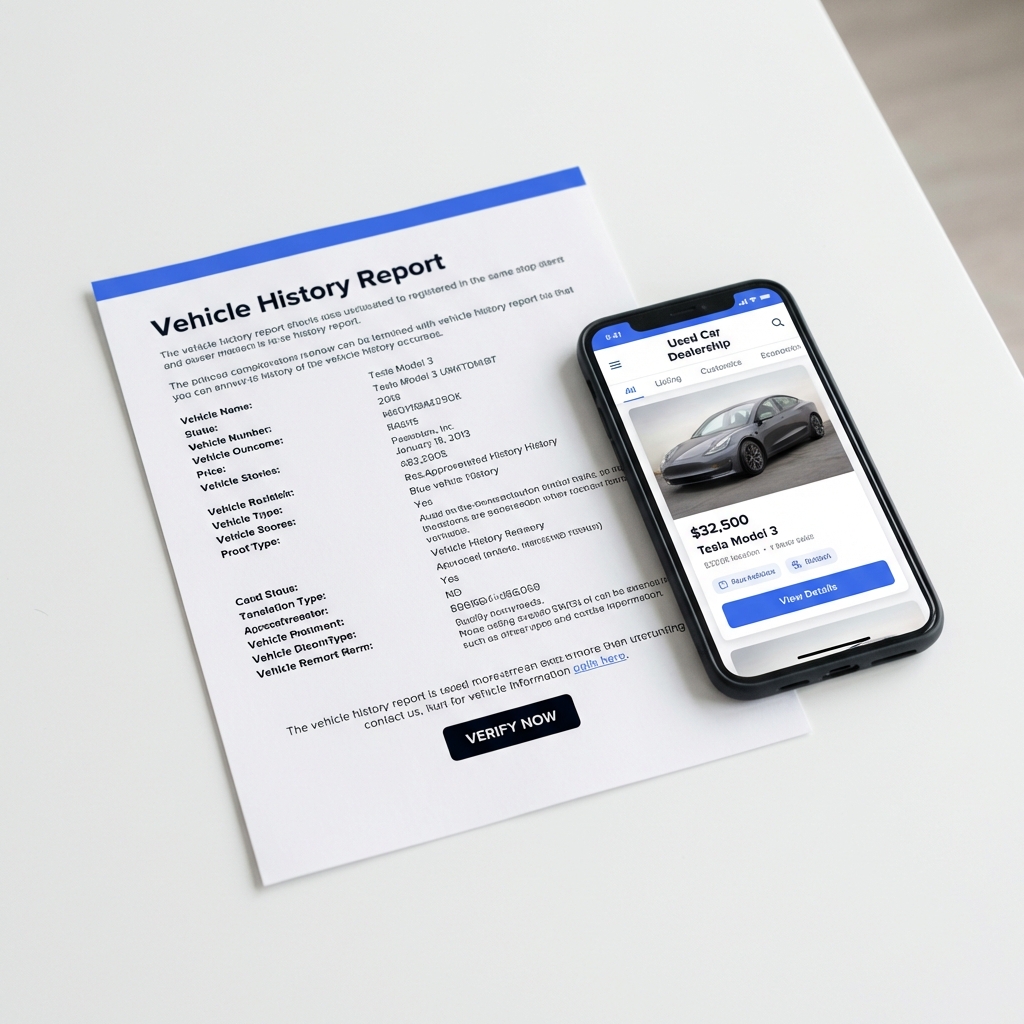
Close up of vehicle history report printout beside a smartphone showing a dealership listing for a tesla for sale on a clean white background with blue accent

Listings you see when searching "tesla for sale" can include trade-ins, dealer stock, certified pre-owned vehicles and private listings, and each of these channels moves on a different timetable. Dealers may list cars weeks after a corporate delivery quarter closes, or they may add inventory quickly after a pricing change that spurs trade activity. Find more resources on the CarFax Deals homepage: CarFax Deals.

CarFax Deals

It is common to see a lower delivery quarter at the same time as many cars appearing for sale, because deliveries track the manufacturer channel into customers while listing counts reflect dealer and retail channels that can lag by weeks or months. Independent market trackers also show growing plug-in vehicle volumes in 2025 even as individual manufacturer shares shifted, which helps explain why listing conditions can vary by market IEA global EV outlook. See more analysis on our blog.

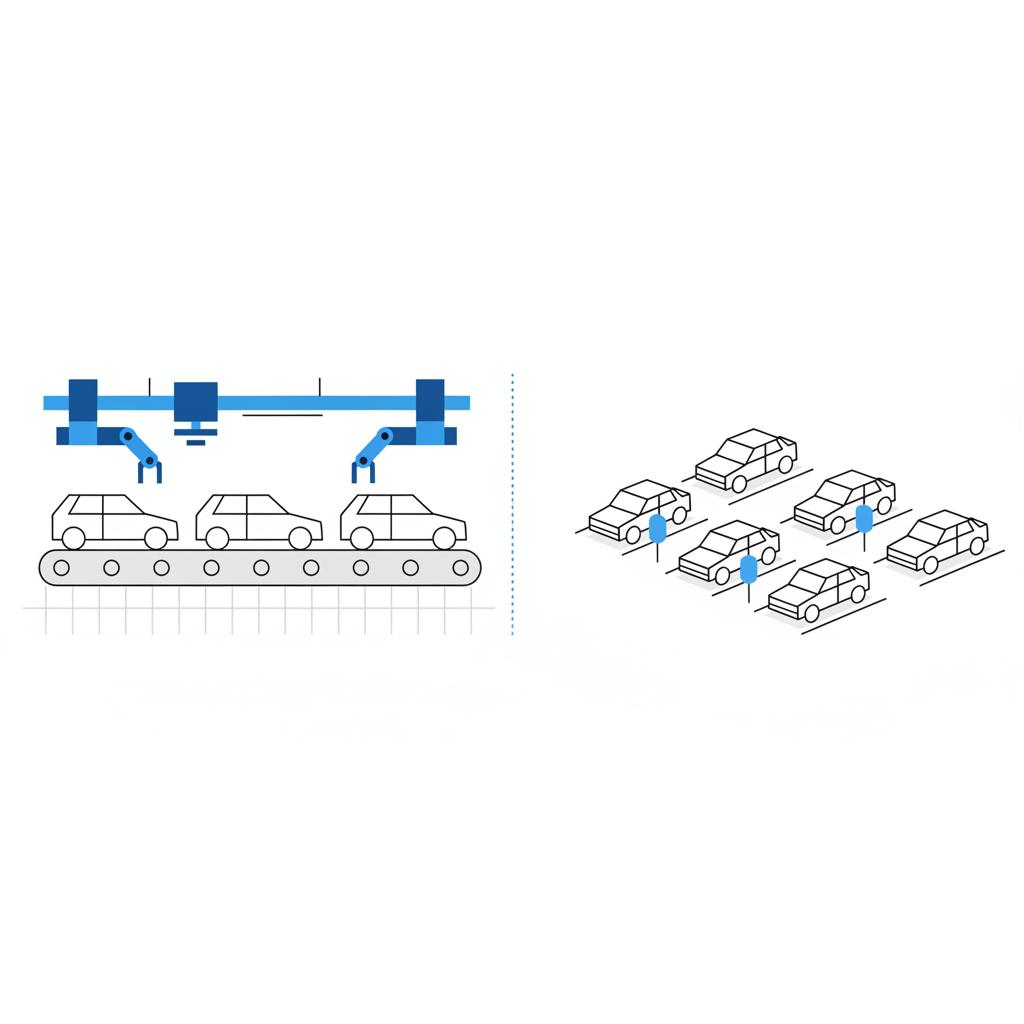
Minimalist 2D vector split scene showing factory assembly line left and dealer lot right illustrating production to listing timeline tesla for sale
CarFax Deals

Run a vehicle history report before you contact a dealer

Before you contact a dealer, consider running a vehicle history report to confirm title and ownership details.

Run vehicle history report

Not necessarily. Deliveries measure manufacturer activity in a quarter, while local listings reflect dealer and retail channels that can lag production timing by weeks or months.

Yes. Pricing actions and local incentives can increase short-term demand or movement of inventory, which may change how many cars appear in listings for a period.

Run a vehicle history report to verify title status, ownership history and reported service or mileage records before visiting the seller.

Use headlines as context, not the only input. Combine local pricing context and a verified vehicle history report to decide whether a specific listing is worth pursuing. Small short-term shifts in deliveries often reflect timing, pricing or competition rather than a structural collapse in availability. If you want to act on a listing, confirm the vehicle history and compare pricing against similar local listings before you contact the dealer.