Can I buy a Toyota Hilux in the US? Practical guide to a toyota hilux for sale
This guide explains how to find, vet, and legally import a Toyota Hilux for sale into the United States. It covers the 25 model year exemption, when a Registered Importer is required, EPA and customs steps, typical costs and timelines, and practical alternatives like the Toyota Tacoma. Use verified documentation, vehicle history reports, and professional import quotes before committing.
This guide helps research-oriented buyers compare used Tacoma options and decide which model years and trims match their priorities. It distinguishes third-generation 2016–2023 Tacomas, which have a long service and parts history, from the 2024 redesign that introduced i-FORCE powertrain options. Use a VIN-based vehicle history report and a professional pre-purchase inspection to reduce risk before you contact a dealer.
This guide explains which tacoma trucks for sale show the strongest reliability and safety signals to watch out for, and why mid-2010s and many pre-2016 Tacomas appear most often in complaint and recall records. The article shows how to use vehicle history reports, recall checks, and a focused inspection to reduce risk when evaluating a used Tacoma.
This article helps buyers searching tacoma trucks for sale understand which Tacoma engine tends to be most reliable. It summarizes reliability ratings, owner-complaint clusters, and maintenance-cost differences between the 2.7L I4 and the 3.5L V6, and gives actionable checks to reduce engine-related risk.
If you are asking, Can I buy a Toyota Hilux in the US?, the short answer is yes, but the path depends on the vehicle's model year and how it was imported. This guide walks research-oriented buyers through the legal routes, paperwork, timelines, and alternatives so you can decide whether importing suits your needs.
Start by identifying the model year and requesting a vehicle history report. That single step clarifies many questions about title, ownership, and whether the vehicle might qualify under the 25 year exemption or need Registered Importer and EPA work. Use the following sections to map the process and prepare questions for sellers and importers.
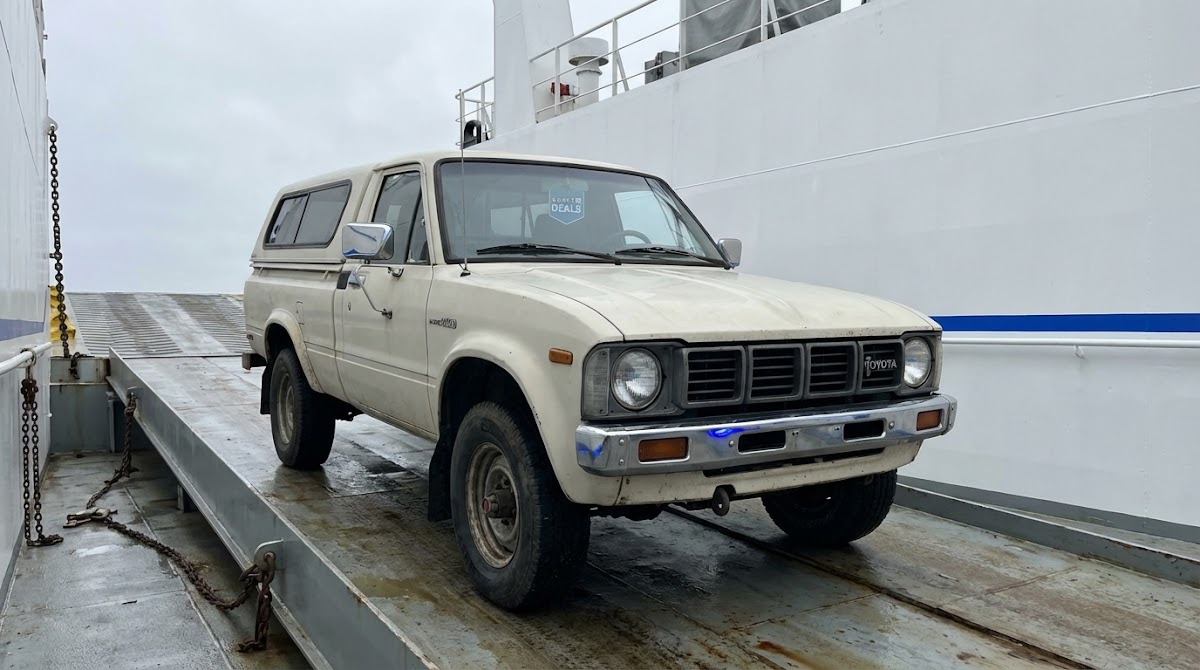
Most Hilux in the U.S. arrive as older imports or via special import channels rather than through U.S. Toyota dealers.
The 25 year rule is the simplest federal path, but state registration steps still matter.
Non-exempt imports usually require a Registered Importer, EPA conformity work, and customs clearance.
Why a toyota hilux for sale is rare in the United States
The Toyota Hilux has not been offered as a new model through the U.S. Toyota dealer network for many years, so a search for a toyota hilux for sale in U.S. dealer inventory will usually return few or no new units. This absence shapes how buyers find Hilux vehicles, which generally appear through older imports or private channels rather than standard U.S. dealer lots. For context and an overview of how the Hilux ended up rare in U.S. channels, see a detailed industry discussion.
Most Hilux examples you will find in the U.S. are either older vehicles imported under federal exemptions or foreign-market units brought in through special import procedures, rather than newly sold models from Toyota's U.S. network. That pattern affects availability, the likely condition of listings, and what paperwork you should expect to see when considering a purchase.
Because new Hilux pickups are not part of the U.S. retail lineup, buyers often compare market listings and private imports to understand supply. Use the comparison to set realistic expectations about sourcing, possible modifications, and the documentation a seller should be able to provide.
When trying to locate a specific Hilux model and trim, search both specialist import listings and classic or collector marketplaces, and confirm whether the vehicle was imported under a federal exemption or brought in more recently with compliance work.
Adding perspective on rarity and practical search channels, an industry overview explains why Hilux supply is driven by import rules and foreign market demand rather than U.S. dealer offerings. Car and Driver overview
Brief history of Hilux availability
The Hilux has a long production history globally, but U.S. sales stopped decades ago. This means a modern new Hilux is not part of the typical U.S. dealer lineup and buyers must look beyond standard dealer inventory when seeking a toyota hilux for sale.
That historical gap is important because it influences expectations for warranty coverage, dealer support, and the kinds of documentation sellers provide. In many cases a foreign-market Hilux will arrive with nonstandard paperwork that buyers should examine carefully.
Current market snapshot and common supply channels
Common supply channels for U.S. Hilux examples are private imports under the 25 year exemption, Registered Importer conversions, and occasional dealer imports handled by specialist resellers. The route used will determine the level of federal compliance and the paperwork you should request before purchase. For stepwise clarity on importing routes and associated rules, refer to federal guidance.
Because supply is fragmented across channels, expect variation in how complete listings are. Look for explicit title information, export documents, and any records of compliance or modification work. These documents are essential to assess legal status and registration prospects.
Start with a VIN and a history report
Start by checking active market listings and request a vehicle history report for any Hilux you are considering to confirm title and ownership history before you spend on inspections or shipping quotes.
What the 25 year rule means if you want a toyota hilux for sale
The 25 model year exemption is the simplest federal route for bringing a Hilux into the United States because vehicles 25 model years old or older are exempt from Federal Motor Vehicle Safety Standards and EPA emissions restrictions. That exemption can make older Hilux pickups more straightforward to import at the federal level than newer foreign-market models.
In practice, the 25 year rule means a vehicle that is at least 25 model years old is not required to meet FMVSS crash and safety standards or EPA emissions conformity for importation, though other federal and state processes still apply. For details on how the exemption functions and its limits, consult NHTSA importing guidance.
Even when a Hilux qualifies under the 25 year exemption, state registration and inspection requirements may still apply, and those local rules can affect whether and how the vehicle is titled and driven in your state.
Because the 25 year path removes some federal compliance tasks, many buyers seeking a toyota hilux for sale choose an older model to reduce the number of modifications and certifications required. If you plan this route, confirm the model year carefully against the federal guidance on importing vehicles.
For an official explanation of which vehicles are exempt and how the model year is determined, review NHTSA guidance on importing vehicles.
The exemption applies based on model year, not the vehicle's age in months, so verify the exact model year designation on the vehicle's title and paperwork before relying on the exemption. This distinction can affect whether a specific Hilux qualifies at the time of import.
Because the rule is specific to federal safety and emissions standards, it does not automatically address state titling, insurance, and inspection rules, which vary and can impose additional steps. Always check your state DMV requirements early in the process.
Practical implications for buyers and registration
If you choose a 25 year exempt Hilux, factor in steps such as verifying the title chain, obtaining clear export documents, scheduling shipping, and preparing for state registration requirements. Even exempt vehicles usually require documentation at entry and during state title transfer.
Consider that an exempt import tends to be faster at the federal clearance stage compared with a vehicle needing Federal Motor Vehicle Safety Standards modifications, but timelines still depend on shipping and paperwork processing.
When you need a Registered Importer to buy a toyota hilux for sale
Vehicles younger than 25 model years generally require a Registered Importer to modify and certify them to meet NHTSA FMVSS standards before they can be lawfully imported for road use in the U.S. A Registered Importer acts as the authorized intermediary for modification, testing, and certification work.
An RI's role typically includes assessing which FMVSS items need modification, performing or arranging required repairs, preparing certification paperwork, and submitting documentation to NHTSA. For a detailed look at Registered Importer responsibilities and the program, consult the NHTSA resource on Registered Importers and import procedures.
Yes, it is possible to buy and import a Toyota Hilux for the U.S., but the legal and logistical path depends on model year: vehicles 25 model years old or older are generally exempt from federal safety and emissions standards, while newer foreign-market vehicles usually require work by a Registered Importer plus EPA and Customs clearance.
Before contacting an RI, confirm the vehicle model year, the title chain, and whether any prior export or compliance work is documented; these items shape the scope and cost of RI services. For formal details about Registered Importers and compliance steps, refer to the federal guidance on import procedures.
A Registered Importer evaluates the vehicle against applicable FMVSS and determines what parts, systems, or testing are required to bring it into compliance. That evaluation is the foundation for a written scope of work and cost estimate that you should request in writing before purchase.
An RI also prepares the certification documents that accompany the vehicle into U.S. commerce once work is complete. Working with an experienced RI can reduce surprises, but the scope of required work depends on the specific vehicle and model year.
Typical RI services and limits
Typical services an RI provides are component replacement or modification, testing coordination, and submitting certification paperwork. RIs do not control state registration rules, so certification at the federal level does not replace any state DMV inspections or emissions checks that may still be required.
Get written estimates and timelines from any RI you consider, and confirm what testing or parts are included. An RI estimate is a key decision point in deciding whether to proceed with a non-exempt import.
EPA emissions and conformity rules for a toyota hilux for sale
The EPA enforces emissions standards that apply to imported vehicles younger than the 25 year threshold, and importers must either obtain a conformity letter or make emissions-related modifications so the vehicle meets U.S. emissions requirements. This step sits alongside NHTSA's safety standard work and is required for most newer foreign-market vehicles.
Expect EPA-required documentation or modifications to be part of the cost and timeline if the Hilux is not 25 years old. For formal EPA steps and the types of conformity documentation commonly used, consult EPA guidance on importing vehicles and engines.
When a conformity letter is available from the vehicle manufacturer or a certified tester, that document can simplify the EPA clearance step. If no letter exists, expect emissions testing or hardware changes to be a part of the RI or emissions specialist's scope.
Be cautious about assuming conformity; always ask for specific EPA-related documentation when discussing a purchase of a non-exempt Hilux with a seller or importer.
U.S. Customs, duties, and paperwork when importing a toyota hilux for sale
U.S. Customs and Border Protection requires documentation, duties, and formal clearance for imported vehicles, and importers should budget for shipping, duties, brokerage, and related paperwork when planning an import. The customs process is a required step before any federal compliance determinations are finalized.
Documentation commonly includes the foreign title, bill of sale, bill of lading, and any certificates of conformity or export documents. Customs clearance must be completed before the vehicle can move freely within U.S. commerce, and a broker often handles submission of these documents.
Costs handled at the CBP stage can include calculated duties based on vehicle value, handling fees, and broker charges; arrange for a customs broker if you are not experienced with import paperwork. A broker can check documents and calculate duties so you avoid clearance delays, but their service adds to the total cost.
Because CBP clearance is integrated with RI and EPA work for non-exempt vehicles, plan timelines so that customs paperwork aligns with expected modification and testing dates. Coordination reduces storage fees and idle time at port terminals.
CBP documentation and clearance steps
You will typically need to present a clear title or export certificate, a bill of sale, and the bill of lading at entry. If an RI or emissions specialist performed compliance work, those certificates and letters should accompany the import filing to demonstrate conformity where required.
Make sure paperwork explicitly shows the vehicle identification number and the chain of ownership. Any discrepancy can lead to delays or additional documentation requests by customs officials.
Typical fees and duty considerations
Duties are calculated on declared value and can vary by vehicle type and origin. Brokerage and shipping charges are additional categories to include in your planning. Because specifics depend on the vehicle's origin and declared value, obtain written estimates from shippers and brokers before purchase.
Keep records of all invoices and customs filings to support state title transfer and to resolve questions that may arise during registration or insurance application.
Step-by-step process to import and register a toyota hilux for sale
Start by locating a vehicle and requesting a full vehicle history report and clear title documentation before committing funds. A vehicle history report helps confirm ownership history, reported incidents, and mileage records, which are essential when evaluating an imported or privately exported Hilux.
After verifying the vehicle history and title, decide whether the vehicle qualifies under the 25 year rule or will need RI and EPA work. This decision point determines the sequence of steps you must follow and the likely timeline.
Finding a vehicle and checking title
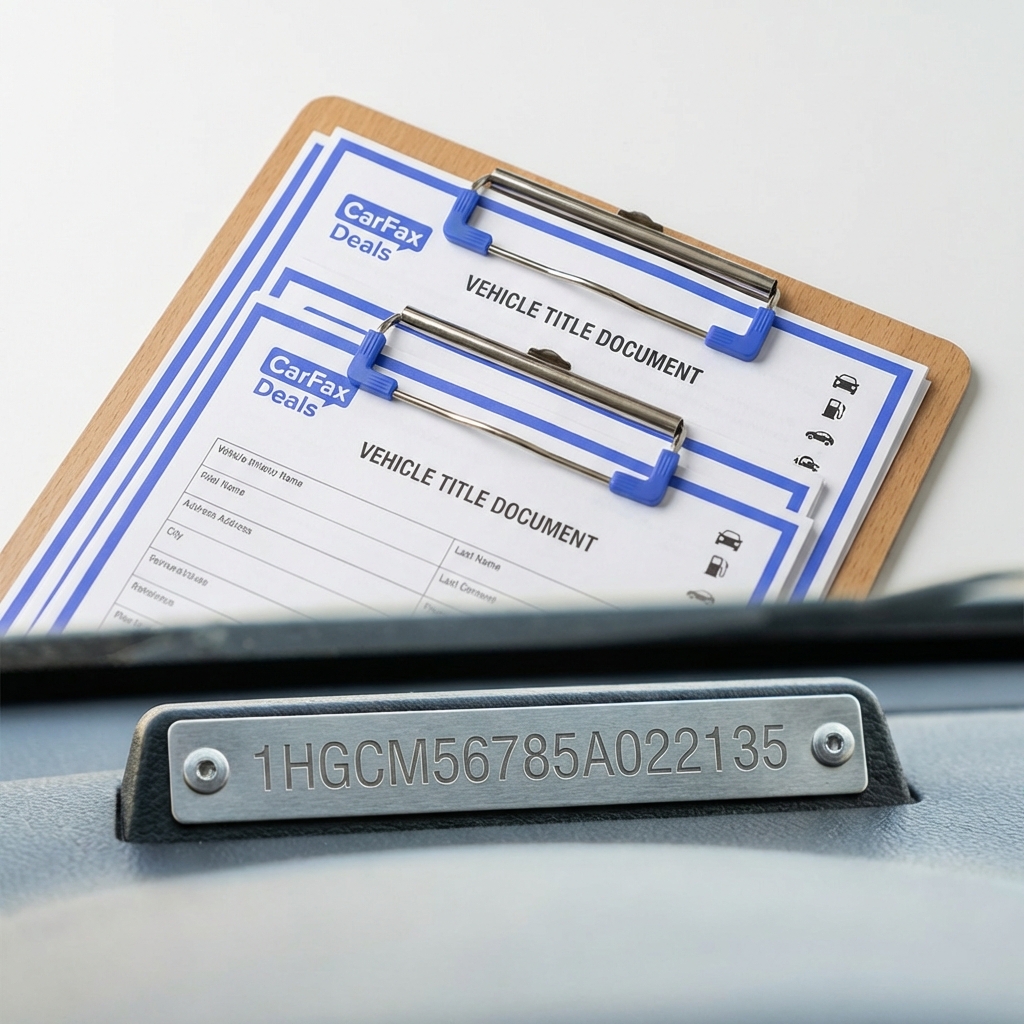
Request a vehicle history report as your first task when you find a listing. Use that report to check title status, ownership records, accident history, and mileage consistency before paying deposits or arranging inspections. For a vehicle history report you can run a VIN-level check at CarFax Deals VIN report.
Also verify the export and import history where available and ask the seller for clear export paperwork. If the title is unclear or shows liens, pause the transaction until you have a documented resolution.
Shipping, RI modifications, EPA, CBP, and state registration sequence
The typical sequence is: confirm title and history, complete purchase and export paperwork, ship the vehicle to the U.S., handle RI modifications and EPA paperwork if needed, clear CBP with required documents, and finally complete state title transfer and registration. Each step can create dependencies that affect the next, so plan with quotes and timelines from each party involved.
For 25 year exempt imports the federal compliance steps are reduced but you still must clear CBP and meet state titling requirements. For non-exempt vehicles, RI and EPA work often occur after arrival and before final customs clearance, depending on the importer and port procedures.
Coordinate closely with your RI, broker, and shipper to align dates and reduce storage or demurrage fees at the port. Obtain written timelines and cost estimates before committing, and keep copies of every document you receive during the process.
Typical costs and timelines for importing a toyota hilux for sale
Import cost categories commonly include the purchase price, international shipping, duties and taxes, RI modification and testing fees if required, brokerage and port handling, and possible storage or inspection charges. Budget for each category and request written estimates from providers to understand your total cost to own. See pricing for examples of written quote formats and line items to request.
Timelines vary: a 25 year exempt import can clear federal requirements in a matter of weeks depending on shipping time and paperwork, while a non-exempt vehicle requiring RI and EPA work can take multiple months due to modifications, testing, and paperwork cycles. For planning, obtain written timeline estimates from shippers, RIs, and brokers.
Before committing to a purchase, request a vehicle history report and written cost estimates for shipping, RI work, and customs brokerage. A history report clarifies title status and reported incidents, and written quotes let you compare real costs rather than relying on verbal estimates.
Because the scope of RI work and testing varies by model year and configuration, get the RI to confirm exactly what parts, testing, and paperwork are included in any quote so you can compare offers accurately and avoid scope gaps that increase final cost.
Common cost categories
Key cost categories include shipping and insurance, customs duties and fees, brokerage and handling, RI modifications and testing, state registration and title fees, and any storage or demurrage charges that result from scheduling mismatches. Ask each provider for a written breakdown so you can add the items consistently.
Do not assume a single provider's quote includes all items; clarify what is and is not covered and get exclusions in writing to avoid surprises.
Timeline scenarios: 25 year vs RI route
For a 25 year exempt import, the timeline is mostly shipping plus customs clearance and state titling, which can be completed in several weeks depending on shipping speed and paperwork. For the RI route, allow several months for modification, testing, documentation, and coordinated customs clearance.
Plan contingencies for delays in parts, testing slots, or paperwork requests, and ask providers how they handle common delays so you understand the impact on cost and time.
How to vet a toyota hilux for sale listing: vehicle history, title, and condition
Obtain and review a vehicle history report to confirm title status, ownership history, service history, reported incidents, and mileage checks before you spend on inspections or shipping. A history report is the baseline document for evaluating any used vehicle, including imports.
Pay attention to title status, whether the vehicle shows a clean title or branded title, and any mention of salvage, flood, or other major events. For imported vehicles, confirm the export documents match the title chain and that VIN details are consistent across records.
Plan an independent mechanical inspection and request detailed photos of the vehicle, service records, and any export paperwork. Inspections are especially important for older or hard-to-source models since parts and service options may differ from U.S. models.
Use the vehicle history report to confirm seller claims and to surface discrepancies that require seller clarification before you proceed. If the report shows unclear title or gaps in ownership, pause the transaction until the seller can document resolution.
Using a vehicle history report effectively
Ask the seller for the VIN and run a vehicle history report yourself before committing funds. Compare the report entry details to the listing, and verify that mileage and owner records match the paperwork presented by the seller.
Look for consistent mileage progression and no unreported repossessions or title brands. If you find inconsistencies, request supporting documentation or walk away if you cannot obtain clear answers.
Key title and condition red flags to look for
Red flags include branded titles, mismatched VINs, signs of structural repair, inconsistent mileage, and gaps in maintenance history. For imported vehicles, also check for missing export or customs documents and for evidence that required compliance work was not completed where applicable.
If a listing lacks clear documentation, treat the transaction as higher risk and request escrowed payment, an inspection, or proof of compliance before sending funds.
State registration and inspection considerations for a toyota hilux for sale
Federal exemptions or compliance do not remove state registration and inspection requirements, and buyers must check their state motor vehicle department rules for titling, safety inspection, and emissions testing before planning a registration timeline.
Some states require additional evidence of compliance beyond federal documentation, and others have specific inspection processes or fees for imported vehicles; contact your state DMV early to confirm what they will require for a titled import.
Failure to check state requirements can result in unexpected inspections, denial of title, or additional repairs to meet local standards. State rules shape the final steps in getting the vehicle legally on the road after federal clearance.
Why state rules matter even after federal compliance
States control title issuance, registration, and in many cases emissions testing, so a vehicle that is federally compliant still needs to meet state procedures. That means you should confirm state processes for titling an imported vehicle and any documentation the DMV requires to accept an imported title.
Plan for possible state-side inspections or paperwork translation needs, and keep copies of federal compliance certificates, customs filings, and all import invoices handy for the DMV appointment.
How to check state-specific registration steps
Visit your state DMV website or call their import or titling unit to ask which documents they need for an imported vehicle. Commonly requested items include the foreign title, customs entry documents, proof of federal compliance or exemption, and a bill of sale with clear VIN information.
Confirm whether your state requires emissions testing for the vehicle's model year and engine configuration, as some states may still require local emissions certification even after federal clearance.
Alternatives to importing: U.S. trucks that deliver a Hilux-like experience
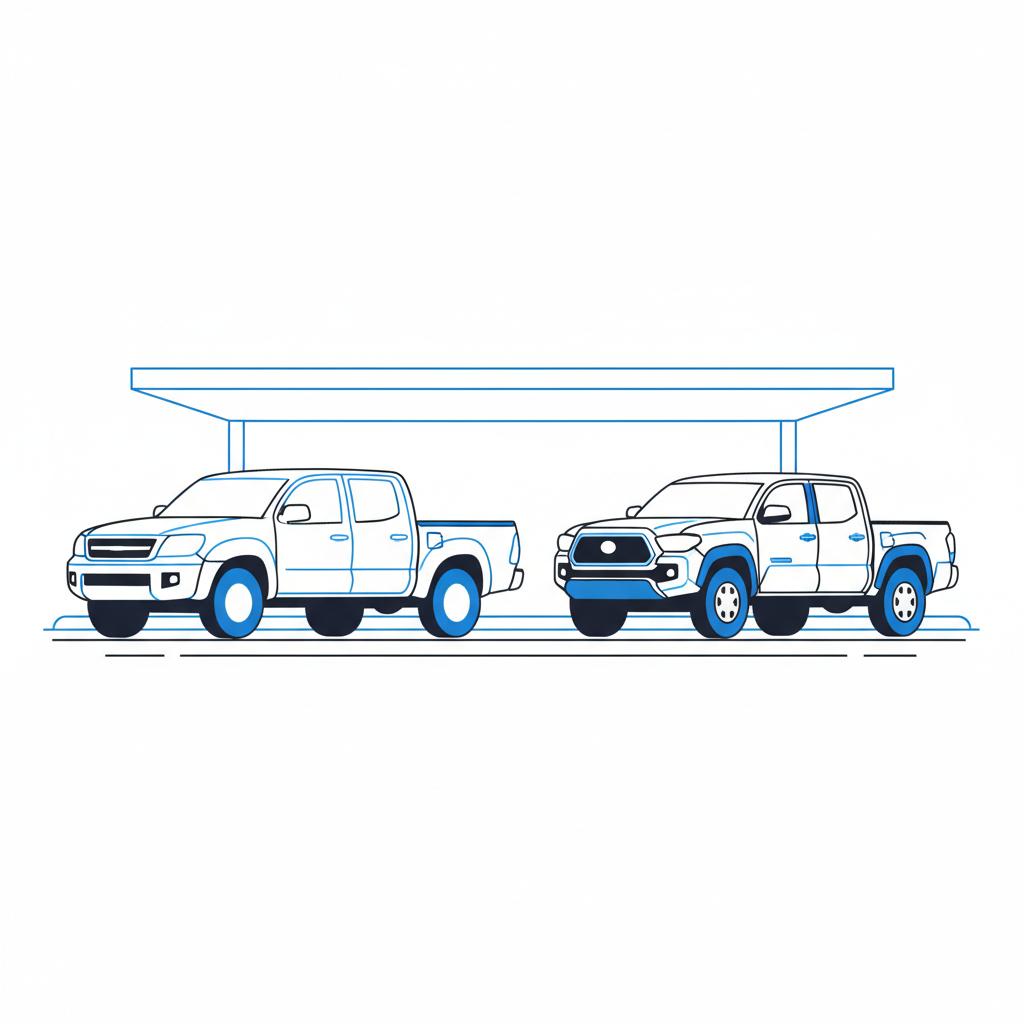
If import complexity or cost is high, consider U.S.-sold alternatives such as the Toyota Tacoma and other midsize pickups that deliver similar capability with dealer support, warranty options, and established safety and reliability data. A domestic or U.S.-sold model can reduce uncertainty and provide easier access to parts and service.
Compare model year, trim, powertrain, safety ratings, and estimated total cost to own when weighing an import against a U.S. model. Dealers also provide service histories and retail warranties that are usually not available for imported foreign-market vehicles.
For a buyer who values immediate dealer support and predictable resale, a U.S. alternative often reduces both time and logistical risk compared with importing a Hilux that requires certification work.
For perspective on alternative choices and how they compare to the Hilux in import discussions, see industry commentary on availability and alternatives. For more on alternatives and market context, see our blog or the Car and Driver overview.
Comparing the Toyota Tacoma and similar models
The Tacoma is sold new in the U.S. with known configurations, dealer service networks, and established safety and emissions documentation. That makes it a straightforward choice for buyers looking for a midsize pickup without the import process.
When comparing trim levels and powertrains, evaluate how the factory options match your intended use and check safety ratings and reliability studies for the model year you consider.
Trade-offs: warranty, dealer support, and resale
Importing can offer a specific model or configuration you want, but it often comes with higher cost, longer timelines, and less predictable resale. A U.S. model tends to keep warranty coverage and dealer support intact, which some buyers value over owning a unique imported model.
Balance those trade-offs by calculating the total cost to own for both paths and by considering access to service and replacement parts in your area.
Decision checklist: should you pursue a toyota hilux for sale import?
Quick checkpoints help you decide whether to proceed: confirm the model year, request a vehicle history report, verify clear title and export documents, obtain written RI and shipping quotes if the vehicle is younger than 25 years, and check state registration feasibility. These items directly affect cost, timeline, and legal risk.
Before signing any purchase agreement, ask the seller for VIN-level documentation, copies of export or compliance paperwork, and a written timeline from any importer or RI. If the seller cannot provide these items, treat the listing as higher risk.
Quick yes/no checkpoints
Is the vehicle 25 model years old or older? If yes, the federal compliance path is simpler. Is the title clear and in the seller's name? If not, pause the transaction. Do you have written cost estimates from a shipper, customs broker, and RI if needed? If not, get them before proceeding.
Use these checkpoints as a decision filter to avoid unexpected costs or legal issues later in the import sequence.
Questions to ask sellers and importers
Request the VIN, all export and title documents, itemized written quotes for shipping and modification work, an RI scope of work if applicable, and evidence of any EPA conformity letters. Ask how the seller or importer has handled similar imports and for references where possible.
Insist on written estimates and documented timelines to reduce ambiguity, and avoid transactions that rely on vague promises about clearance or modifications.
Common mistakes and pitfalls when searching for a toyota hilux for sale
Frequent mistakes include assuming federal compliance for newer imports without RI work, overlooking title chain issues, and failing to get written cost and timeline estimates from shippers, RIs, and brokers. These oversights increase financial and legal risk.
Another common pitfall is skipping a mechanical inspection or failing to confirm parts availability for older or foreign-market models. Imported vehicles can differ from U.S. versions in parts and options, affecting maintenance planning.
To avoid these mistakes, confirm documentation early, get multiple written quotes, and schedule an independent inspection before final payment. When in doubt, consult a qualified importer or customs broker for case specific advice.
Practical scenarios: three buyer paths for securing a toyota hilux for sale
Scenario A: Buy an older 25 year exempt Hilux. You locate a qualifying model, confirm the model year and clear title, arrange shipping and customs clearance, and then complete state registration. This route tends to be simpler at the federal level but still requires careful title verification and state DMV checks.
Scenario B: Import a newer Hilux using an RI. You purchase a foreign-market model younger than 25 years, hire a Registered Importer to evaluate and perform necessary FMVSS modifications, coordinate EPA conformity or testing, and work with a customs broker for clearance. This path can deliver a newer vehicle but adds time and modification cost.
Scenario C: Choose a comparable U.S. truck instead. You select a Toyota Tacoma or a similar U.S.-sold midsize pickup to avoid import complexity, preserve dealer support and warranty, and keep parts and service easily accessible. This is often the most predictable route.
Each scenario has clear decision points: check model year, confirm title status, get RI and broker quotes as needed, and compare the total cost to own against a U.S. alternative before committing.
Conclusion: next steps when you find a toyota hilux for sale
If you find a Hilux you want to pursue, immediately request the VIN and run a vehicle history report to confirm title status and ownership history, and ask the seller for export documents and any records of compliance work. These steps reduce risk and identify red flags early.
Decide whether the 25 year exemption applies or whether you will need a Registered Importer and EPA conformity work; obtain written estimates and timelines from RIs, shippers, and brokers before signing purchase agreements. If import complexity or cost is high, compare U.S. alternatives like the Toyota Tacoma as a practical fallback.
Yes, but importing a Hilux younger than 25 model years typically requires a Registered Importer to modify and certify the vehicle to meet NHTSA safety standards and EPA emissions requirements before it can be cleared for U.S. road use.
The simplest federal route is the 25 model year exemption, which removes FMVSS and EPA import requirements, though state registration and inspection steps may still apply.
Yes. Obtain a vehicle history report to confirm title status, ownership history, service records, and reported incidents before you pay or arrange shipping.
Before you commit to purchase, collect the VIN, run a vehicle history report, and get written quotes from a shipper, customs broker, and Registered Importer if needed. These documents help you compare true costs and timelines and reduce legal and financial risk.
If import complexity seems high, consider U.S.-sold alternatives such as the Toyota Tacoma to meet your functional needs with simpler logistics and dealer support.

 Blog
Blog