This guide explains how long a Toyota Sequoia typically lasts and what most affects its remaining life for buyers. It highlights common failure points, what to check in service records, and practical steps to evaluate a high-mileage Sequoia for sale using verified vehicle history and pricing context.
This guide helps research-oriented buyers compare used Tacoma options and decide which model years and trims match their priorities. It distinguishes third-generation 2016–2023 Tacomas, which have a long service and parts history, from the 2024 redesign that introduced i-FORCE powertrain options. Use a VIN-based vehicle history report and a professional pre-purchase inspection to reduce risk before you contact a dealer.
This guide explains which tacoma trucks for sale show the strongest reliability and safety signals to watch out for, and why mid-2010s and many pre-2016 Tacomas appear most often in complaint and recall records. The article shows how to use vehicle history reports, recall checks, and a focused inspection to reduce risk when evaluating a used Tacoma.
This article helps buyers searching tacoma trucks for sale understand which Tacoma engine tends to be most reliable. It summarizes reliability ratings, owner-complaint clusters, and maintenance-cost differences between the 2.7L I4 and the 3.5L V6, and gives actionable checks to reduce engine-related risk.
If you are evaluating a Toyota Sequoia for sale, the core question is how many useful miles might remain and how much risk is hidden in the listing. This guide gives a practical, evidence-based framework for assessing longevity, common failure areas, and the documents and inspections that matter most.
You will get clear checklists for reviewing service records, targeted questions to ask sellers, and scenarios that show how documentation changes the decision to buy. The emphasis is on verification and pricing context so you can compare listings with confidence before contacting a dealer.
Well maintained Sequoias commonly reach 200,000 to 300,000 miles, but longevity depends on maintenance and use.
Transmission, drivetrain, and suspension items are frequent costly repairs to watch for.
For 2023+ i-FORCE MAX models, long-term real-world durability is still being established.
Quick answer: Typical life expectancy and what that means for buyers
Short summary for someone scanning results
Most well maintained Toyota Sequoias commonly reach roughly 200,000 to 300,000 miles, and individual examples can exceed 300,000 miles with diligent care. This mileage range is supported by aggregated reliability sources that track long term ownership and repair rates, so expect longevity to lean on maintenance history and use patterns RepairPal Sequoia reliability.
What range of mileage is realistic and why it varies
That 200,000 to 300,000 mile window often translates into about 12 to 20 years of mixed use for many owners, but the actual life of any given Sequoia depends on factors like service adherence, towing and hauling history, and whether major components were repaired or replaced along the way. Kelley Blue Book notes broad ownership and longevity patterns that align with long-lived full size SUVs, which helps set realistic expectations for buyers Kelley Blue Book longevity guide and J.D. Power.
Run a Vehicle History Report
Before you contact a dealer, consider running a vehicle history report for the VIN to confirm service and title details.
For someone looking at a Sequoia for sale, these mileage bands are a starting point, not a guarantee. Use them to decide which listings warrant deeper checks and which need more caution based on visible repairs or missing documentation.
What determines how long a Sequoia will last
Factory maintenance versus owner maintenance
Regular factory-recommended maintenance correlates with longer service life on large SUVs like the Sequoia. Following Toyota's published schedule for oil changes, transmission and differential service, cooling-system checks, and brake and suspension inspections helps reduce wear and delays major failures when done consistently Toyota maintenance schedule.
Use case and drive cycles that matter
How the vehicle was used matters. A Sequoia mostly used for local commuting typically accumulates less drivetrain stress than one used for frequent towing, heavy loads, or long highway hauls. Climate and road conditions also change wear patterns: salty roads, steep towing, and off road use tend to increase suspension and undercarriage wear and can accelerate component replacement cycles.
Maintenance schedule: What to check in service records
Key maintenance items and recommended intervals
When you review service records, look first for routine items consistent with Toyota guidance: regular oil and filter changes, transmission and differential service near the intervals Toyota recommends, cooling system inspections and flushes, and documented brake and suspension inspections. These entries are strong indicators the vehicle was cared for according to factory guidance Toyota maintenance schedule.
Also check for documented major services such as transmission service or replacement, replacement of suspension components, recent work on emissions-related parts, and any repair invoices for engine or drivetrain work. Receipts with mileage and shop details add credibility to the record.
Many well maintained Toyota Sequoias commonly reach about 200,000 to 300,000 miles, with some examples exceeding 300,000 miles; actual lifespan depends on maintenance adherence, use, and model year differences, so verify service records and run a vehicle history report.
To spot dangerous gaps, watch for long mileage spans with no recorded service, frequent dealer changes with no receipts, or missing oil change records for early life. Such gaps increase uncertainty about hidden wear or deferred maintenance.
Common failure points and how they vary by model year
Drivetrain and transmission issues
Aggregated repair and complaint sources identify transmission and drivetrain issues as among the more common major failure points for Sequoias, with severity and frequency that vary by model year and use. Buyers should be alert for signs of transmission trouble on test drives, and ask for records of any gearbox service or rebuilds RepairPal Sequoia reliability.
Suspension, emissions and other recurring problems
Suspension problems, especially on models equipped with air-ride systems, and exhaust or emissions components such as oxygen sensors and catalytic converters appear regularly in aggregated complaint datasets. Model year differences affect how often these issues occur, so a year-by-year check is useful to understand the likelihood of recurring repairs CarComplaints Sequoia history.
When you see repairs for suspension modules, repeated sensor replacements, or exhaust work, weigh those items against the vehicle's remaining expected miles and the cost of replacement parts and labor.
What changed with the 2023 redesign and the i-FORCE MAX powertrain
Engineering differences and what they may mean for longevity
The 2023 Sequoia redesign with the i-FORCE MAX hybrid powertrain represents a new engineering baseline compared with earlier generations. That redesign introduces different component sets and service needs, so long term field data is still accumulating and buyers should treat early models as having evolving reliability signals NHTSA Sequoia overview.
What is still unknown about long-term hybrid durability
Long term durability for the i-FORCE MAX hybrid remains an open question because real-world mileage for those powertrains is still growing. Monitor early owner reports, complaints, and official recall notices to see whether new patterns emerge over time, and request documented hybrid-system services when available.
How to evaluate a specific high-mileage Sequoia for sale
Prioritized checklist for quick screening
Start by checking verified vehicle history for service entries, title status, ownership count, and any reported accidents. Verified records that show regular maintenance and recent major-service receipts lower uncertainty and help estimate how many service cycles remain before major replacements are due RepairPal Sequoia reliability.
Questions to ask the dealer or private seller
Ask whether the vehicle was used for towing or commercial purposes, whether major drivetrain or transmission repairs were performed and when, if suspension components were replaced and whether work was done by a dealer or a trusted independent shop. Request receipts and ask for the VIN to run a complete vehicle history report before advancing the purchase conversation.
Vehicle history and documents to insist on before you buy
Service receipts and proof of major repairs
Request full service history and receipts for any major repairs, including transmission work, suspension replacement, and documented hybrid-system maintenance if applicable. These receipts help quantify what has already been spent on the vehicle and what likely remains in future repairs RepairPal Sequoia reliability.
Title status, ownership history, and accident records
Verify title status and ownership history. A clean title with single-owner history is easier to evaluate than a vehicle with multiple owners or salvage branding. Use a verified vehicle history report to confirm mileage consistency and any reported accidents before scheduling inspections or making offers Toyota maintenance schedule.
printable pre-purchase document checklist for high-mileage Sequoia buyers
Use with VIN-based vehicle history reports
Pre-purchase inspection checklist for high-mileage Sequoias
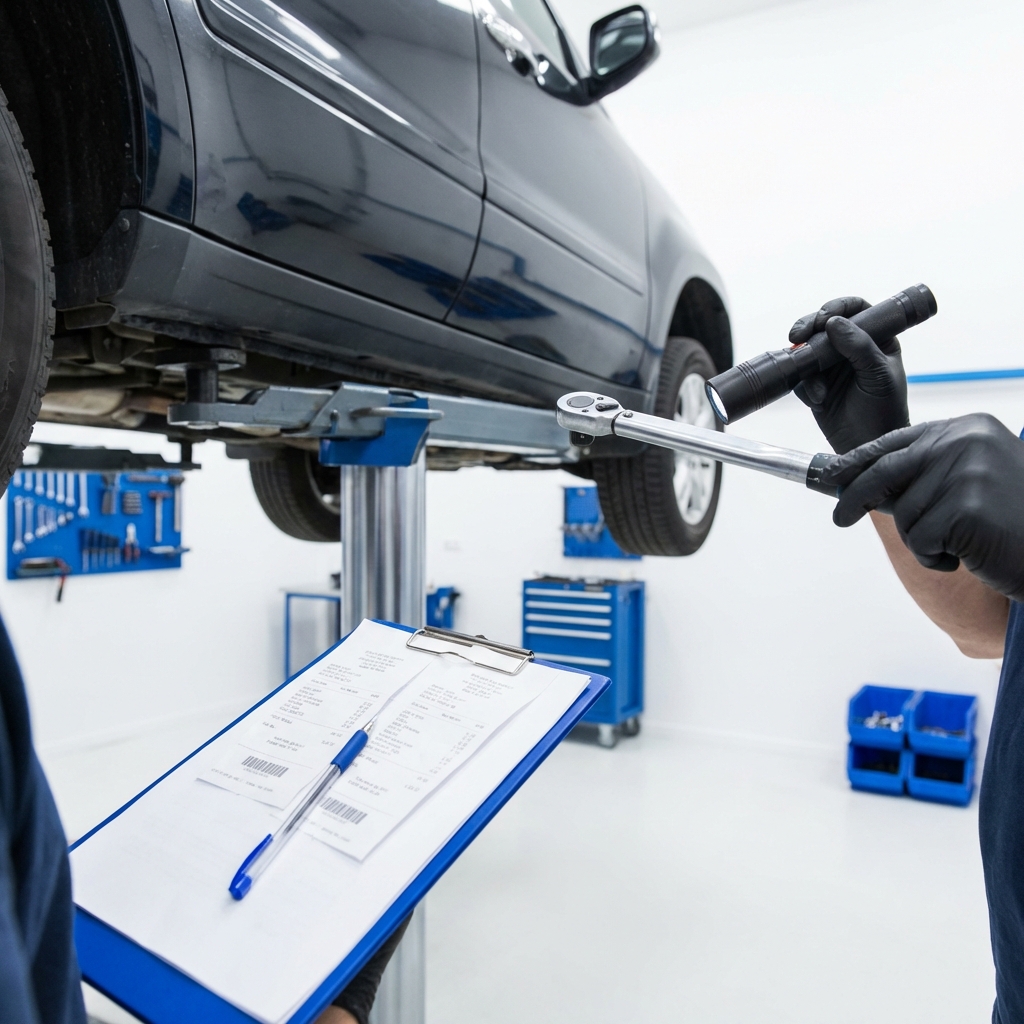
What a mechanic should focus on
Ask the mechanic to prioritize drivetrain inspection including transmission behavior, transfer case and differential play, and to look for leaks or signs of past repairs. Include inspection of suspension bushings, air-ride components on equipped trims, and full brake-system checks to verify pad and rotor condition and caliper function RepairPal Sequoia reliability.
DIY checks a buyer can do before the shop
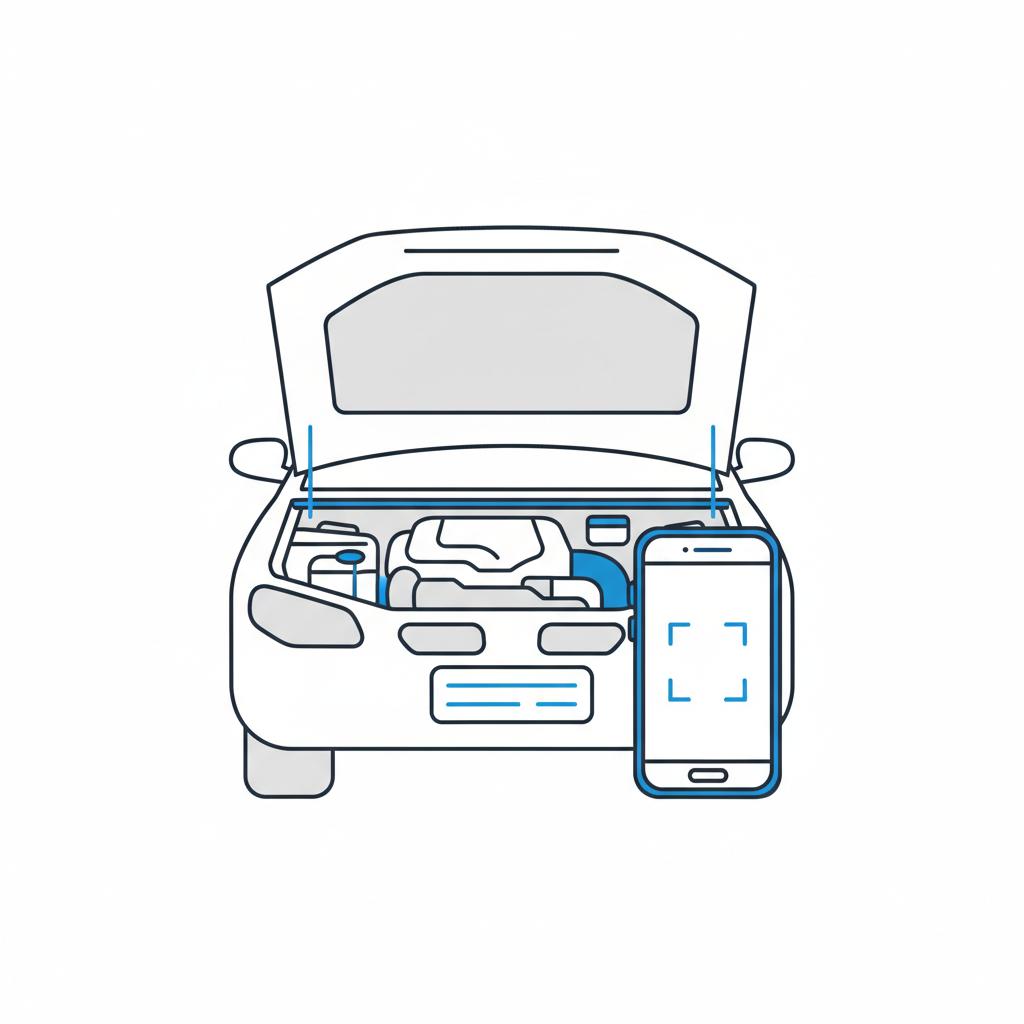
On a self-check, photograph the VIN plate, undercarriage areas for corrosion or damage, engine bay for leaks or replaced parts, and listen for unusual noises during a cold and warm test drive. Note transmission shift quality, any delayed engagement, or vibration that a mechanic should investigate further.
How to weigh repair cost versus expected remaining life and price
Estimating remaining useful life
Estimate remaining useful life by combining documented maintenance history, recent major replacements, and the typical mileage range for well maintained Sequoias. If the service history shows regular factory-recommended maintenance and recent replacement of large wear items, estimated remaining useful miles increase compared with a vehicle lacking documentation RepairPal Sequoia reliability.
Simple cost-to-repair decision rules
A practical rule is to compare the repair estimate against the vehicle's current market value and the likely remaining service life. Major transmission failures, frame problems, or repeated drivetrain failures commonly push a Sequoia past a reasonable repair threshold. Use local pricing insights to set acceptable repair thresholds and avoid spending more on repairs than the vehicle is worth Kelley Blue Book longevity guide.
When to walk away: clear red flags and thresholds
Recurring major repairs and structural issues
Consider walking away from a listing when there is a pattern of recurring major repairs such as repeated transmission rebuilds, unresolved drivetrain faults, or evidence of frame damage. These are costly to fix and reduce the remaining useful life significantly CarComplaints Sequoia history.
Safety system failures and salvage or branded titles
Salvage or unclear title status, unresolved recalls, or inability to restore critical safety systems should be treated as strong walk-away signals. Document any such red flags and use them to justify a lower offer or to decline the purchase altogether.
Typical buyer mistakes and how to avoid them
Overvaluing cosmetic fixes
A common mistake is overvaluing cosmetic repairs. Paint and interior work can make a car look sound while mechanical issues remain hidden. Focus on maintenance records and mechanical receipts rather than cosmetic appearance alone RepairPal Sequoia reliability.
Skipping the history report or inspection
Do not skip a verified vehicle history report or a professional pre-purchase inspection. Both steps reduce uncertainty and help you compare listings using pricing context and documented evidence, which is especially important for high-mileage Sequoias.
Real-world scenarios: three buyer situations and recommended actions
Low-mileage older Sequoia with incomplete records
If a Sequoia shows low miles but has incomplete records, request the VIN and any service receipts, insist on a detailed inspection, and consider a short warranty or conditional purchase. Gaps in service history increase uncertainty about hidden wear.
High-mileage well-documented single-owner example
For a high-mileage Sequoia with single-owner history and consistent receipts for major services, prioritize mechanical inspection for known wear items and use pricing insights to value remaining life. Documentation of regular maintenance meaningfully improves your ability to estimate how long the vehicle may remain useful RepairPal Sequoia reliability.
Newer 2023+ hybrid with limited long-term data
When you evaluate a 2023 or newer i-FORCE MAX model, be cautious and look for early owner reports, dealer documentation of hybrid-system servicing, and any recall notices. Because long-term data are still accumulating, use conditional language when estimating remaining life and schedule a hybrid-system diagnostic when possible NHTSA Sequoia overview.
Conclusion: practical next steps before you contact a dealer
Three immediate actions to take on any interesting listing
1) Run a verified vehicle history report for the VIN to confirm service, title, and ownership details. 2) Request receipts for any major repairs and recent maintenance. 3) Arrange a professional pre-purchase inspection focused on drivetrain, transmission, suspension and emission systems RepairPal Sequoia reliability.
How to use verification and pricing tools to save time
Use pricing insights and local market comparables to set reasonable offer limits and to estimate acceptable repair thresholds. A documented history combined with pricing context helps you prioritize which Sequoias for sale are worth a deeper look and which are likely higher risk.
Quick checklist: what to bring to the test drive and dealer visit
Documents and questions to have ready
Bring or request the vehicle history report, service receipts, title paperwork, and a VIN. Ask direct questions about towing history, major repairs, and whether the vehicle was used in harsh conditions.
What to photograph and record
Photograph the VIN plate, engine bay, undercarriage, and any evidence of leaks or recent parts replacement. Record a short test-drive video if possible to preserve how the vehicle shifts and idles for later review.
Many Sequoias that follow factory maintenance commonly reach about 200,000 to 300,000 miles; individual examples can exceed 300,000 miles under diligent care, though actual life varies by use and service history.
Common costly repairs include transmission or major drivetrain work, suspension or air-ride component replacements on equipped models, and exhaust or emissions part failures.
You can consider newer models, but treat them cautiously: long-term field data for the 2023+ hybrid are still accumulating, so check early owner reports, recall history, and documented hybrid maintenance.
Use the checklists and the immediate actions in this guide as a screening filter when you find any Sequoia for sale. Combined with a verified vehicle history report and a focused inspection, these steps reduce uncertainty and help you decide whether to proceed, negotiate, or walk away.
If a listing shows consistent factory-recommended maintenance and clear receipts for major services, the Sequoia is more likely to offer additional useful life. If records are missing or there are recurring major repairs, treat the listing carefully and prioritize documented evidence before a purchase.

 Blog
Blog