A practical guide to decide whether a Toyota Supra is worth the money for a used-car buyer. This article explains the Supra's performance character, likely ownership costs, resale behavior, and how to use vehicle history reports and pricing signals when comparing a Toyota Supra for sale.
A step-by-step workflow for estimating a truck's market value that centers on comparing consumer valuation tools, adjusting for mileage and condition, and checking wholesale market signals. The guide explains private-party, trade-in and dealer retail values and shows how a vehicle history report and pricing insights can change an asking price.
This guide helps research oriented buyers evaluate suv used cars for sale under $25,000 by combining safety ratings, reliability data, local pricing context, and vehicle history checks. It outlines a simple framework, a pre visit checklist, and a decision scoring worksheet so you can compare finalists before contacting a dealer. Use the steps here to narrow candidates and confirm risk signals with a vehicle history report and a pre purchase inspection.
When searching suv used cars for sale, prioritize model year, trim and powertrain before choosing a make or model. This guide explains how safety ratings, dependability studies and local pricing insights combine to produce a short list you can verify with a vehicle history report. It also provides a stepwise checklist you can use before contacting a dealer.
This article helps research-oriented used-car buyers decide whether a Toyota Supra is worth the money for their needs. It focuses on performance credentials, typical ownership costs, resale behavior, and practical steps to compare listings and confirm a car's history.
Read on for a structured checklist and scenario guidance that map buyer priorities to concrete checks and next steps.
The Supra is a two-seat performance coupe aimed at driving engagement rather than lowest ownership cost.
The 3.0-liter Supra is the performance flagship, with road-test power and acceleration that shape insurance and maintenance expectations.
Use vehicle history reports and local pricing context to compare listings before contacting a dealer.
What the Toyota Supra is today: a quick overview
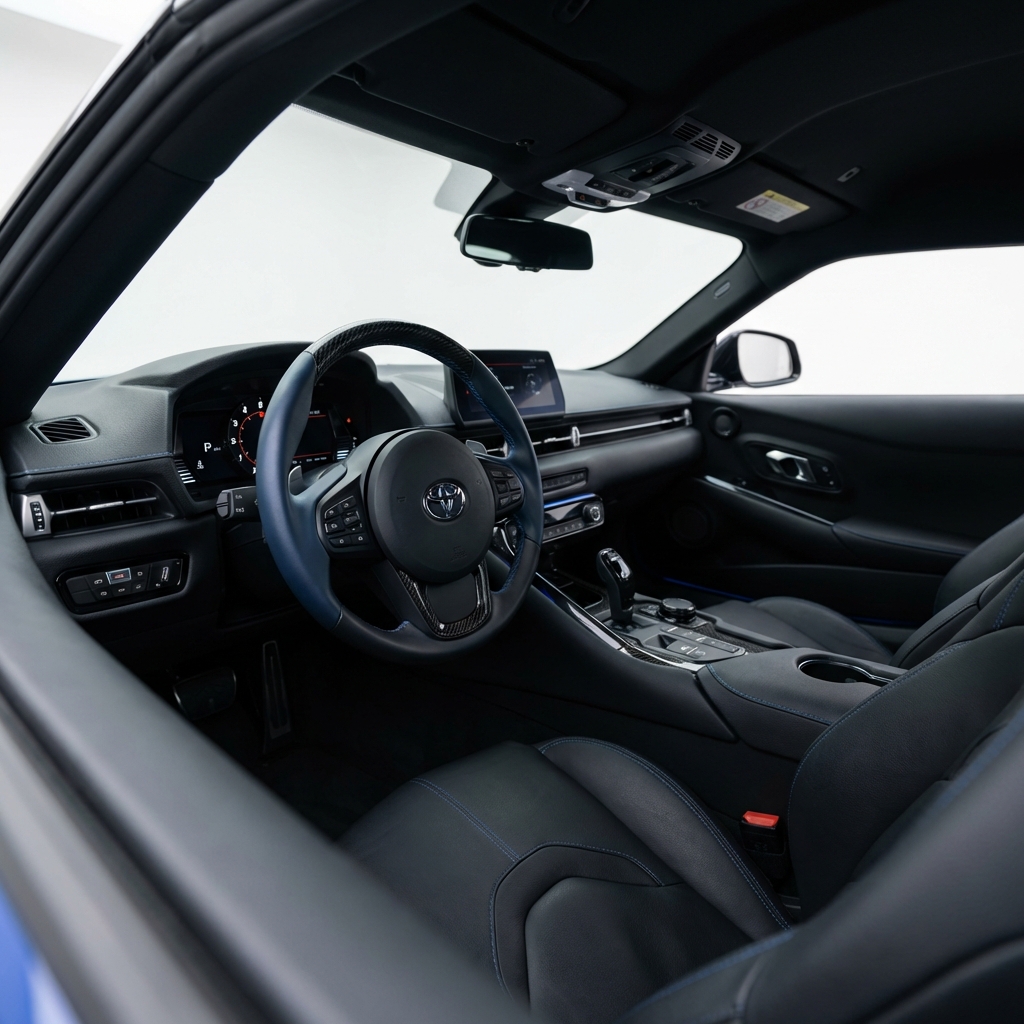
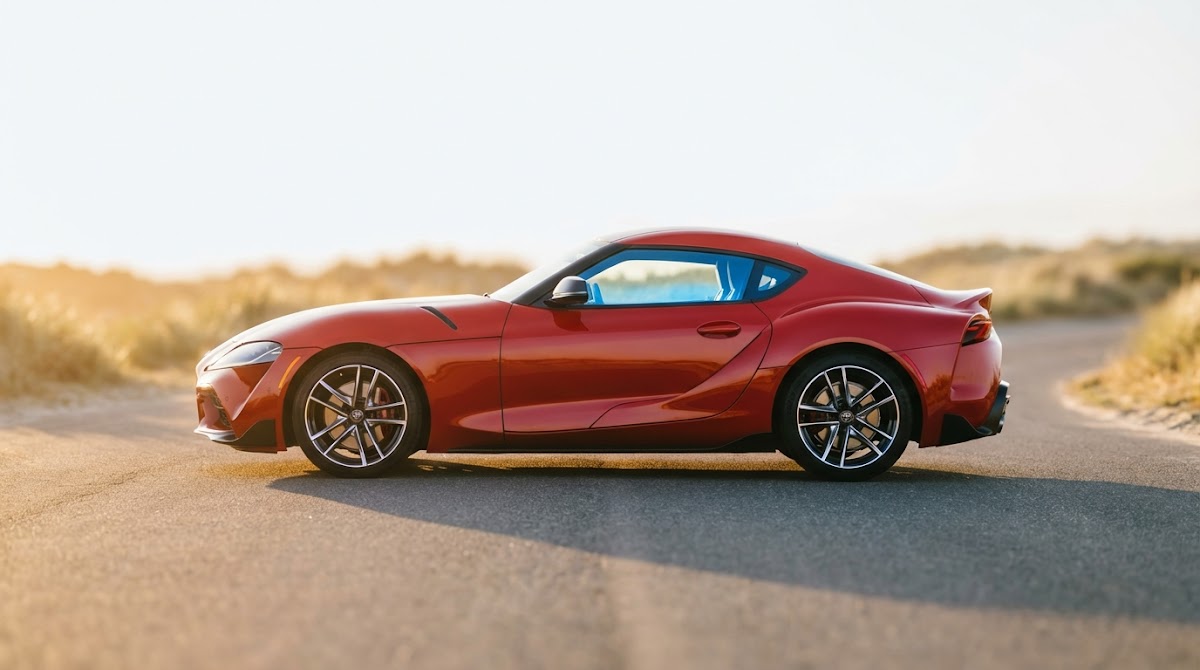
The Toyota GR Supra is a two-seat sports coupe designed for driver engagement and performance rather than lowest ownership cost. It pairs a compact, driver-focused layout with sport-tuned suspension and powertrains that prioritize acceleration and handling over cargo space or rear seats.
For many buyers the Supra is a niche choice: it often appeals to someone who values quick throttle response, precise steering, and coupe styling more than maximum practicality. That suitability depends on priorities such as daily driving needs, expected maintenance tolerance, and resale plans.
The Supra is worth the money for buyers who prioritize driving performance, are comfortable with higher maintenance and insurance expectations, and who verify history and pricing context; buyers focused on low ownership cost or maximum practicality may prefer alternatives.
The Supra lineup centers on the 3.0-liter GR Supra as the performance flagship, which manufacturer and independent road tests show produces roughly 382 horsepower and posts 0-60 mph times in the low 4-second range, though actual figures vary by model year and test conditions Toyota GR Supra specifications.
Where the Supra sits in Toyota's lineup
The Supra stands apart from Toyota's mainstream sedans and crossovers. It is a focused sports coupe positioned above sporty four-door models in price and performance, and below ultra-exotic offerings in complexity and cost.
Who typically buys a Supra
Typical buyers include driving enthusiasts and owners who want a two-seat coupe for occasional spirited driving. Families or buyers needing flexible passenger space often find the Supra less practical, so their shopping set usually excludes it unless they accept trade-offs for style and performance.
Performance, engines and key specs
Engine options and power
The 3.0-liter inline-six variant is the headline option for buyers seeking peak performance. Manufacturer and reputable road tests consistently place this variant near 380 horsepower and emphasize quick acceleration, which shapes expectations for insurance and service costs compared with mainstream cars Car and Driver review.
Other available powertrains and trim choices affect torque delivery and fuel economy, so confirm the exact engine and powertrain listed before judging performance claims in an ad.
Acceleration and driving character
On the road the Supra tends to feel tight and responsive, with a focus on mid-range torque and fast throttle response. That character makes it rewarding for short, engaging drives but can also mean firmer suspension and higher tire wear compared with more comfort-oriented cars.
Enthusiast ownership patterns can affect maintenance timelines; higher-performance driving often accelerates consumable wear and should be part of ownership cost planning.
Safety and driver assist highlights
Toyota equips recent Supra model years with contemporary active safety and driver-assist features, but exact content varies by trim and model year. Buyers should check the listed feature set and confirm it on the VIN or in manufacturer specifications before assuming a specific package is present Toyota GR Supra specifications.
Where to find a toyota supra for sale and how prices typically vary
What influences listing price: trim, mileage, location
Used Supra listing prices vary widely. Trim level, mileage, optional packages, local demand, and the car's documented history all influence where a vehicle sits in the market. Buyers should expect significant variance across regions and between dealer and private listings.
As context, new 2024 Supra pricing was generally positioned in the mid-$40k to mid-$50k band depending on engine and options, which helps frame used values but does not predict a specific asking price for any given listing Kelley Blue Book Toyota Supra pricing and specs. See recent listings on Cars.com.
Run a vehicle history report to confirm a listing
Compare pricing insights and run a vehicle history report for any listing before you contact the dealer.
Search channels for Supras include dealer listings, certified pre-owned programs, and national listing aggregators. When comparing listings, prioritize clear title status and a complete service history to reduce risk. National listing aggregators such as CarGurus are useful for market breadth.
How to read price labels and compare similar listings
Price labels such as Great Deal, Good Deal, and Fair Deal are relative signals that use local market context and recent transactions to indicate where a listing sits versus comparable cars. Use them as a starting point, not as conclusive proof of value.
To compare similarly labelled listings, align on the same trim, model year, mileage band, and documented service history and then use a vehicle history report to confirm no hidden title or damage issues skew the comparison.
How to use a vehicle history report when evaluating a Supra
Key items to check in a vehicle history report
A vehicle history report should be one of the first checks. Important items include title status, ownership history, service history, mileage checks, and any recorded accident or damage events; phrase findings as "no accident reported" when applicable rather than asserting an accident never occurred.
Confirm the VIN using the VIN decoder, model year, and trim in the report match the listing. Mismatches can indicate clerical errors or deeper problems that merit caution.
How history affects value and negotiation prep
Findings in a report affect price expectations. A well-documented service history and single-owner record typically support higher value labels, while a reported incident or title issue will reduce comparables and may justify walking away.
Use the report to prepare specific questions for the dealer and to flag items for a pre-purchase inspection. When comparing two similar listings, the car with clearer history and fewer risk flags often represents the lower overall buying risk.
Using pricing signals and price analysis labels for a toyota supra for sale
What price analysis labels mean
Price analysis labels such as Great Deal, Good Deal, and Fair Deal summarize how a listing compares with local market pricing and recent transactions. They rely on local supply and demand and can change quickly in active markets.
Labels are a helpful filter but should be validated with both pricing context and a vehicle history report. A labeled Great Deal without a clean history report may still carry hidden costs.
When two listings share the same price analysis label, match them by trim, mileage, options, and documented service history. Differences in one of those fields often explain why one retains value while the other does not.
Consider local market conditions and recent sales of similar cars. A label that looks favorable in one zip code can be neutral or poor in another, so align comparisons against local selling prices.
Estimated ownership costs: maintenance, repairs and insurance
How Supra costs compare with mainstream cars
Industry cost-of-ownership and repair-cost data indicate Supra maintenance and repair costs are higher than average passenger cars and are closer to other performance coupes, which affects long-term budgeting for owners Repair and maintenance cost reference.
Higher costs typically come from performance-oriented components, occasional specialty servicing, and premium tires and brakes that wear faster under spirited driving.
Budgeting for maintenance and insurance
Budget for scheduled maintenance, wear items such as tires and brakes, and occasional parts that may be priced above mainstream alternatives. Insurance premiums can also be higher for performance coupes; insurers use engine size, vehicle value, and owner profile to set rates.
Before committing, get insurer quotes for your specific zip code and trim. That step helps estimate total cost to own and avoids surprises when a premium differs substantially from expectations.
Resale outlook and depreciation for sports coupes
How two-door sports coupes age in the used market
Wholesale and retail used-vehicle indices and valuation guidance showed that two-door sports coupes like the Supra tended to depreciate faster than mainstream sedans and SUVs in 2024, which makes resale outcomes more sensitive to market cycles and buyer demand Manheim used vehicle value index.
estimate resale value range using local index and service history
Use with a verified vehicle history report
Factors that preserve resale value
Key resale protectors include low mileage, documented service history, desirable trims or limited-production variants, and evidence of careful ownership. Cars with clear records and popular option packages hold value better than similar cars without documentation.
Use recorded service history and price analysis labels to identify listings that historically retain value better than the average sports coupe.
Inspection checklist and test-drive priorities for a Supra
Exterior and structural checks
Inspect for consistent panel gaps, paint match, and signs of repair that could indicate prior damage. Confirm title status and look for title branding in the vehicle history report before assuming no structural issues.
Check suspension mounts, signs of uneven tire wear, and any rust in wheel wells and undercarriage areas that are visible without specialized equipment.
Mechanical and interior checks
Listen for unusual engine or transmission noises, verify smooth shifting across all gears, and confirm electronics and infotainment features work as listed. Cross-check feature availability against the VIN to ensure options match the advertised trim.
If you detect issues beyond routine wear, plan a detailed pre-purchase inspection by a qualified mechanic familiar with performance coupes.
What to watch for on a test drive
On a test drive pay attention to throttle response, turbo lag if applicable, steering feel, brake response, and any vibrations at highway speeds. Note how the car behaves in normal traffic as well as under more spirited inputs to judge daily usability.
Bring the vehicle history report with you on the drive and compare any recorded issues with what you observe in person.
How trim, mileage and options change the value of a Supra
Trim and option packages to prioritize
Performance packages, upgraded brakes, adaptive dampers, and driver-assist suites are often desirable for Supra buyers and can justify higher asking prices. Confirm that costly options are present and functioning, since repair costs for sophisticated gear can be higher.
Heated seats and convenience packages add comfort but typically have smaller resale impact than core performance options.
How mileage bands affect pricing and resale
Mileage tiers commonly move price and resale expectations. Lower mileage examples usually command higher prices and are less exposed to unknown long-term issues, while higher mileage cars pose greater uncertainty about future maintenance needs.
Match desired features and expected ownership horizon to a practical budget that includes potential higher maintenance and insurance costs for performance trims.
Choosing the right model year and trim for your needs
When to favor a newer model year
Newer model years can offer updated features, refreshed styling, and improved driver assists, which matters if you prioritize the latest safety or convenience technology. Confirm each model year's changes with independent reviews when possible Edmunds Toyota Supra review.
If up-to-date driver assist systems are important, favor a model year with the package you need and verify it on the VIN before visiting a dealer.
When older low-mileage examples make sense
Older low-mileage cars often represent value if they come with comprehensive service records and a clean title. The trade-off is more uncertainty about long-term Supra-specific reliability as mileage climbs, since published datasets show mixed long-term patterns for this model tied to shared components and lower production volumes.
Consider how long you plan to keep the car and whether a short to mid-term ownership horizon reduces your exposure to potential late-life reliability questions.
How to prepare to contact a dealer after research
What documents and info to have ready
Before contacting a dealer, collect the listing VIN, any visible service records, and notes on the price analysis label and local comparables. Request a vehicle history report if one is not already provided and confirm title status and ownership history.
Having insurer quotes and a budgeted estimate for maintenance based on trim and mileage helps set realistic expectations for total cost to own when you speak with the dealer.
Questions to ask the dealer about the listing
Ask neutral, factual questions such as: Can you confirm the VIN and title status? Are all service records available and verifiable? Are there any open recalls or outstanding repairs listed?
Avoid negotiation language at this stage; focus on verifying facts and documentation so you can prioritize inspections or walk away if important records are missing.
Common mistakes buyers make when considering a Supra
Overvaluing performance without cost checks
Buyers sometimes focus on performance and appearance while underestimating ongoing costs. Ignoring maintenance needs, insurance, and higher wear items can make a Supra more expensive than expected over time Repair and maintenance cost reference.
Skipping a history report or inspection
Failing to run a vehicle history report or skipping a pre-purchase inspection removes critical risk controls. A clean appearance alone does not confirm title status or past damage, so always match the listing to a verified report and check for service records.
Corrective action: require a report and, for any flagged issues, arrange a mechanic inspection before proceeding.
Practical examples: scenarios and what they should pay attention to
Enthusiast buyer looking for performance
Top priorities: engine and suspension condition, performance options, and documented service history. Checklist: confirm the engine variant, verify service records, and inspect tires and brakes for wear. If these align, a Supra can be a strong fit for a driving-first buyer. See example listings on Carfax.
Family or commuter who wants reliability
Top priorities: ownership cost, safety features, and daily comfort. Checklist: prioritize newer trims with driver-assist packages, compare insurance quotes, and favor examples with low mileage and full service records. For many commuting uses, a more practical sedan may offer better total cost to own.
First-time buyer budgeting total cost
Top priorities: predictable maintenance and insurance. Checklist: run a vehicle history report, get insurer quotes for your zip code and trim, and budget for higher-than-average repair and wear item costs. Match expectations to a durable service record and manageable mileage.
Conclusion: is a Supra worth the money? A final checklist
Quick decision checklist
Checklist: compare price analysis labels against local listings; run a vehicle history report and confirm VIN, title status, and service history; get insurer quotes for your trim and zip code; and arrange a pre-purchase inspection for any flagged concerns.
Next steps: narrow to two or three well-documented listings, verify their history reports, and schedule inspections. Use price analysis labels to prioritize but rely on the reports and inspections to confirm value.
For buyers who prioritize performance and can budget higher maintenance and insurance, the Supra can be worth the money conditionally. For buyers who need maximum practicality, lowest ownership cost, or predictable long-term resale, a different vehicle type may fit better.
Main running costs include scheduled maintenance, higher-cost wear items like tires and brakes, occasional specialty parts or servicing, and typically higher insurance premiums compared with mainstream passenger cars.
Use a vehicle history report to confirm VIN, title status, ownership history, service history, and mileage checks. Treat 'no accident reported' as a data point and follow up with a physical inspection or pre-purchase inspection for flagged issues.
Two-door sports coupes historically depreciate faster than mainstream sedans and SUVs, so resale value is more sensitive to mileage, desirability of trim, and local market cycles.
If you decide to pursue a listing, prioritize verified documentation and a pre-purchase inspection. Use local pricing context and insurer quotes to set realistic expectations for total cost to own.
CarFax Deals can help surface listings with vehicle history context and pricing insights so you can compare options faster before contacting a dealer.

 Blog
Blog