An in-depth, practical comparison for used-car buyers weighing Toyota against Chevrolet. This guide explains reliability, maintenance costs, resale value, safety, driving feel, and where to look for trustworthy listings. Learn the specific trade-offs between Toyota and Chevrolet, how to read vehicle history reports, what to check on test drives and inspections, and how CARFAX Deals can help you buy with confidence. Clear checklists, negotiation tips, and real-world examples make the decision easier so you can find the right used car without surprises.
A step-by-step workflow for estimating a truck's market value that centers on comparing consumer valuation tools, adjusting for mileage and condition, and checking wholesale market signals. The guide explains private-party, trade-in and dealer retail values and shows how a vehicle history report and pricing insights can change an asking price.
This guide helps research oriented buyers evaluate suv used cars for sale under $25,000 by combining safety ratings, reliability data, local pricing context, and vehicle history checks. It outlines a simple framework, a pre visit checklist, and a decision scoring worksheet so you can compare finalists before contacting a dealer. Use the steps here to narrow candidates and confirm risk signals with a vehicle history report and a pre purchase inspection.
When searching suv used cars for sale, prioritize model year, trim and powertrain before choosing a make or model. This guide explains how safety ratings, dependability studies and local pricing insights combine to produce a short list you can verify with a vehicle history report. It also provides a stepwise checklist you can use before contacting a dealer.
Buying a used car can feel like stepping into a dimly lit antique shop: attractive, a little mysterious, and packed with history you can’t fully see at first glance. This guide helps you weigh the practical differences between Toyota and Chevrolet, explains how to read vehicle history reports, what to check during test drives and inspections, and how to use verified marketplaces to reduce risk.
1. Toyota models typically retain higher resale value than comparable Chevrolet models, reducing long-term ownership cost.
2. Chevrolets often offer lower upfront prices and a wider variety of models, making them a strong short-term value for budget-focused buyers.
3. CARFAX Deals aggregates listings from thousands of dealerships and pairs each with verified vehicle history reports and price labels, helping buyers compare Toyota and Chevrolet options with confidence.
Which is better, Toyota or Chevrolet?
Toyota vs Chevrolet is a question many used-car buyers ask when they’re trying to balance reliability, cost, and everyday needs. The short, practical answer: Toyota typically wins on long-term reliability and resale value, while Chevrolet often offers more variety and lower initial prices - meaning your best choice depends on what you value most. This article examines both brands in detail and gives you actionable steps for buying any used car safely.
Note: This guide focuses on practical, everyday considerations for used-car shoppers — from reading vehicle history reports to negotiating a fair deal.
Why the question matters
Consumer decisions between Toyota and Chevrolet shape ownership costs for years. Asking Toyota vs Chevrolet isn’t just about badges; it’s about repairs that come up next winter, insurance quotes, and whether a car keeps its value if you sell it later. Let’s walk through the real differences and show how to use trustworthy resources to lower risk.
One discreet, time-saving tool many buyers use is run a CARFAX report. CARFAX Deals pairs listings with verified vehicle history and price context so you see potential red flags before you visit a dealer or seller. It’s a practical way to make the Toyota vs Chevrolet comparison based on facts, not just impressions.
How to use this guide
Read it as a checklist and a conversation — each section explains what matters, why it matters, and what to do about it when you’re standing in a lot or viewing photos at midnight. We’ll cover reliability, cost of ownership, common problem areas, buying tactics, and on-the-ground inspection and test-drive tips. Throughout, we’ll mention direct ways the Toyota vs Chevrolet choice affects your pocket and peace of mind.
Run identical vehicle history reports and the same independent inspection on both contenders; then compare total cost of ownership (price plus immediate repairs, insurance, and expected maintenance). The head-to-head, same-route test drive and identical inspection reveal the most practical differences.
Toyota vs Chevrolet: core differences at a glance
Toyota is widely known for long-lasting engines, conservative engineering, and high resale value. Chevrolet often presents broader model variety and sometimes lower sticker prices for similar features. Below are the headline differences that matter most to everyday buyers.
Reliability and long-term durability
Toyota vs Chevrolet on reliability generally tips toward Toyota. Years of consumer surveys and owner reports (see Consumer Reports) show Toyota frequently ranks higher for engine longevity, fewer unscheduled repairs, and more predictable maintenance intervals. That doesn't make every Toyota perfect — early model faults or specific component recalls exist — but as a trend, Toyotas are easier to depend on for many buyers.
Resale value
When you buy used, resale value matters because it affects total ownership cost. Toyotas tend to retain value better than Chevrolets in similar classes. That means a Toyota you buy used often costs you less per mile over ownership because you can recoup more when selling or trading in.
Purchase price and selection
Chevrolet often has more aggressive initial pricing on certain segments — for example, compact cars or family sedans — which can make a used Chevy attractive if your budget is tight. If upfront cost is the primary constraint, a Chevrolet can be the smarter buy; if long-term cost matters more, a Toyota often proves cheaper over years.
Parts, service, and dealer network
Both brands have large dealer and aftermarket support in the United States. Toyota’s reputation for parts’ longevity and routine maintenance intervals can reduce surprise expenses, but Chevrolet’s widespread service network and sometimes lower parts costs for specific models can make repairs cheaper in the short term.
Reliability deep dive: what to expect
Reliability varies by model and year, so don’t generalize blindly. Still, there are clear patterns when comparing Toyota vs Chevrolet across decades of data and user reports. See industry studies like the J.D. Power U.S. Vehicle Dependability Study for a data-driven view of long-term issues.
Common Toyota strengths
Toyota models frequently show:
- Strong engine durability, especially in mainstream models like Corolla, Camry, and RAV4.
- Conservative drivetrain designs that favor longevity over peak performance.
- High demand in the used market, contributing to higher resale values.
Common Chevrolet strengths
Chevrolet often offers:
- Greater variety in body styles and price points, from subcompacts to full-size trucks.
- Some models with sporty tuning or features that Toyota doesn’t prioritize.
- Potentially lower purchase price for equivalent features in the short term.
Maintenance and ownership costs
Think beyond the sticker price. A car’s cost is purchase price plus maintenance, insurance, fuel, and unexpected repairs. Toyota vs Chevrolet here often plays out like this: Toyotas usually cost less to maintain over the long run, while Chevrolets may be cheaper in the short run or on specific parts.
What to budget for
For any used car, budget for routine maintenance (oil, filters, brakes), wear items (tires, brakes, belts), and a modest repair reserve for surprises. If you compare Toyota and Chevrolet models of the same age and mileage, set your reserve a bit higher for the Chevrolet unless you find a particular Chevy with excellent service history.
Model-specific notes — the small print that matters
Vehicle reputation is model and year specific. Examples that matter to buyers:
- Toyota Camry and Corolla: Known for decade-plus longevity when maintained.
- Toyota RAV4 and Highlander: Solid crossover choices with good resale value.
- Chevrolet Cruze and Malibu: Affordable midsize options, but patchy reliability scores depending on year.
- Chevrolet Equinox and Traverse: Competitive crossovers with strong feature sets, but some model years reported transmission or electrical issues.
When weighing Toyota vs Chevrolet, check the specific model-year reliability reports and owner forums for the exact year you’re considering.
Used-truck vs used-sedan realities
Truck buyers often value towing capacity and durability. Both Toyota (Tacoma, Tundra) and Chevrolet (Colorado, Silverado) make capable trucks. Toyota trucks are famous for lasting many miles with basic care; Chevrolets sometimes offer more power for the money. If you frequently tow heavy loads, inspect frame and suspension closely, and ask for documented towing history.
Safety and technology
Safety ratings change year to year and depend on available packages. Both brands offer modern safety systems on newer models, but Toyota’s Safety Sense package has been broadly standard across many recent models, which is a plus for used buyers looking for driver-assist tech. Chevrolet provides similar technology in many models but package availability can vary more by trim.
How safety affects value
Cars with advanced safety features and good crash-test ratings command better resale prices. If safety matters for your family, look for models with active systems and complete service histories. That’s one area where Toyota’s consistent feature rollout often helps in used-car comparisons.
Buying used: specific checks for Toyota and Chevrolet
Some inspection and history checks are universal; others are useful for brand-specific concerns.
- Pre-purchase inspection by an independent mechanic.
- Test drive in conditions you’ll use daily.
- Clear paperwork and original title.
Brand-specific checks
For Toyota: Check for unusual oil consumption in older engines (sometimes seen in certain years) and verify that timing belt/chain service history (if applicable) is up to date.
For Chevrolet: Pay close attention to transmission behavior in models with known issues, and inspect electrical items such as infotainment and window mechanisms on older vehicles.
Vehicle history reports: your early-warning system
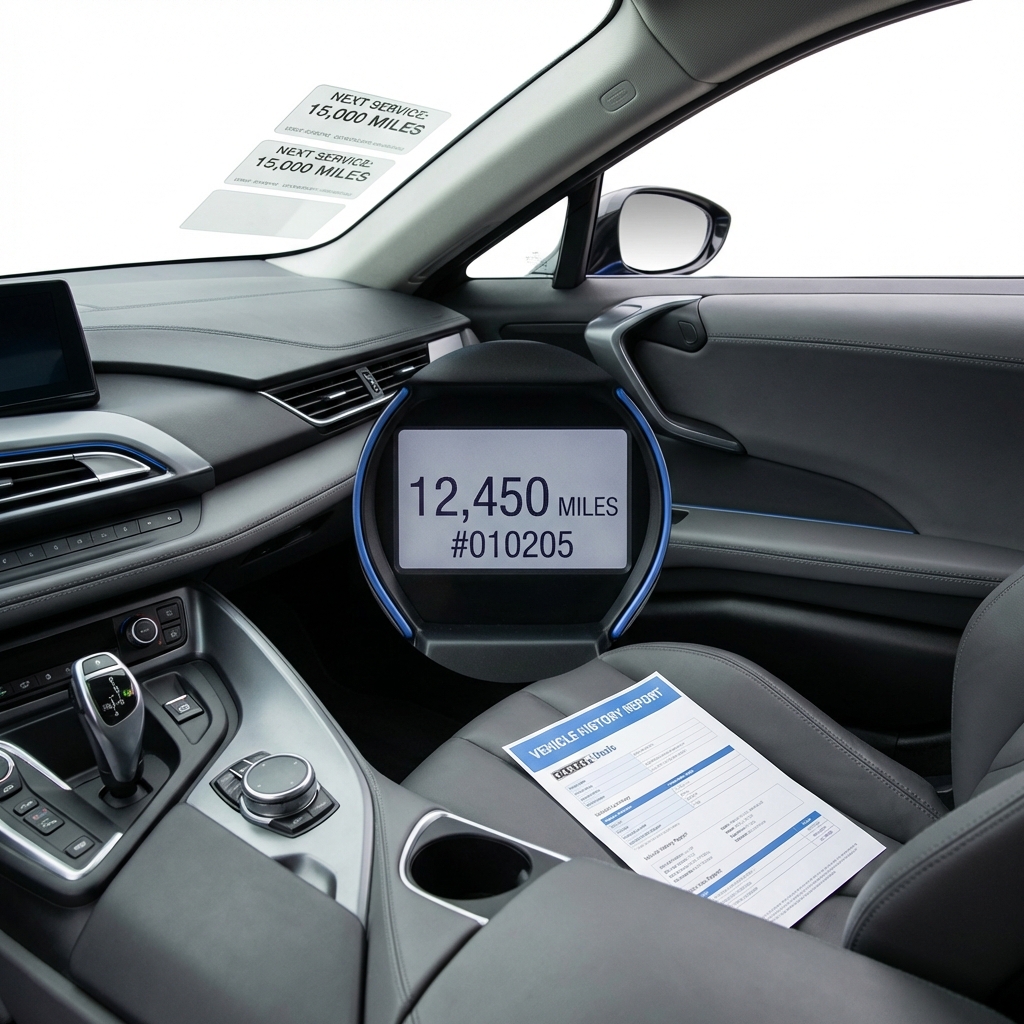
A detailed vehicle history report is the single most useful paper you should read before seeing a used car. Whether you’re comparing Toyota vs Chevrolet models or others, a good history report tells you about title status, ownership transfers, accident claims, and mileage entries. But remember: a clean report doesn’t replace an inspection.
A few key items on the report:
- Title status: clean, rebuilt, salvage, or flood.
- Accident history and reported damage.
- Vehicle service records and odometer readings across time.
- State-by-state records that can indicate title washing or mileage rollbacks.
Pre-purchase inspection: what the mechanic will find
Don’t skip it. Mechanics can spot frame repairs, hidden flood damage, engine wear, and prior poor fixes that a report alone may not reveal. If you’re comparing a Toyota and a Chevrolet, the inspection helps quantify what the service history suggests and what the vehicle really needs now.
What to expect from a good inspection
- A written list of issues with estimated repair costs.
- Notes on structural or safety-related repairs.
- Assessment of wearable parts that may need replacement soon.
Test drive tips that reveal value
When you test drive any used Toyota or Chevrolet, try to replicate your usual driving. If you commute on a highway, spend time at speed. If you use city streets, test stop-and-go traffic. Specific cues to listen and feel for:
- Engine smoothness and any unusual noises.
- Transmission shift quality and delays.
- Brake responsiveness and noises under braking.
- Steering play, alignment pull, or odd vibrations.
Common red flags to walk away from
These are universal, not brand-specific: refused inspection, missing or scratched titles, inconsistent service records, evidence of poor structural repairs, and prices that look too good to be true. For the Toyota vs Chevrolet buyer, these red flags indicate risk regardless of badge.
Negotiation strategies when comparing Toyota and Chevrolet options
Negotiation is easier when you’re informed. Use the vehicle history report to negotiate down if accidents or flood history appear. If the inspection finds imminent repairs, request the seller correct them or drop the price accordingly. Sometimes the most powerful move is walking away — that tells a seller you’re not desperate and can reveal whether they’ll meet you halfway.
Insurance, finance, and ownership costs
Insurance rates can differ between models and trims even within the same brand. Toyotas sometimes carry lower insurance costs in part due to their reliability and safety reputations. Financing older vehicles may bring higher interest rates; get pre-approval from a bank or credit union before you shop so you know your real budget and monthly limit.
When a Chevrolet is the smarter choice
Choose Chevrolet if:
- Your budget is constrained and the Chevy offers better immediate value for the features you want.
- You need a specific model or powertrain Chevrolet offers that Toyota does not.
- You find a Chevy with excellent documented service history, a clean title, and a pre-purchase inspection that clears it — that can make it as safe a bet as a Toyota.
When a Toyota is the smarter choice
Choose Toyota if:
- You prioritize long-term reliability and resale value.
- You want a model with a long track record of low ownership costs (like Corolla, Camry, or Tacoma).
- You value consistency and conservative engineering that often yields predictable maintenance.
Real-world buying workflow
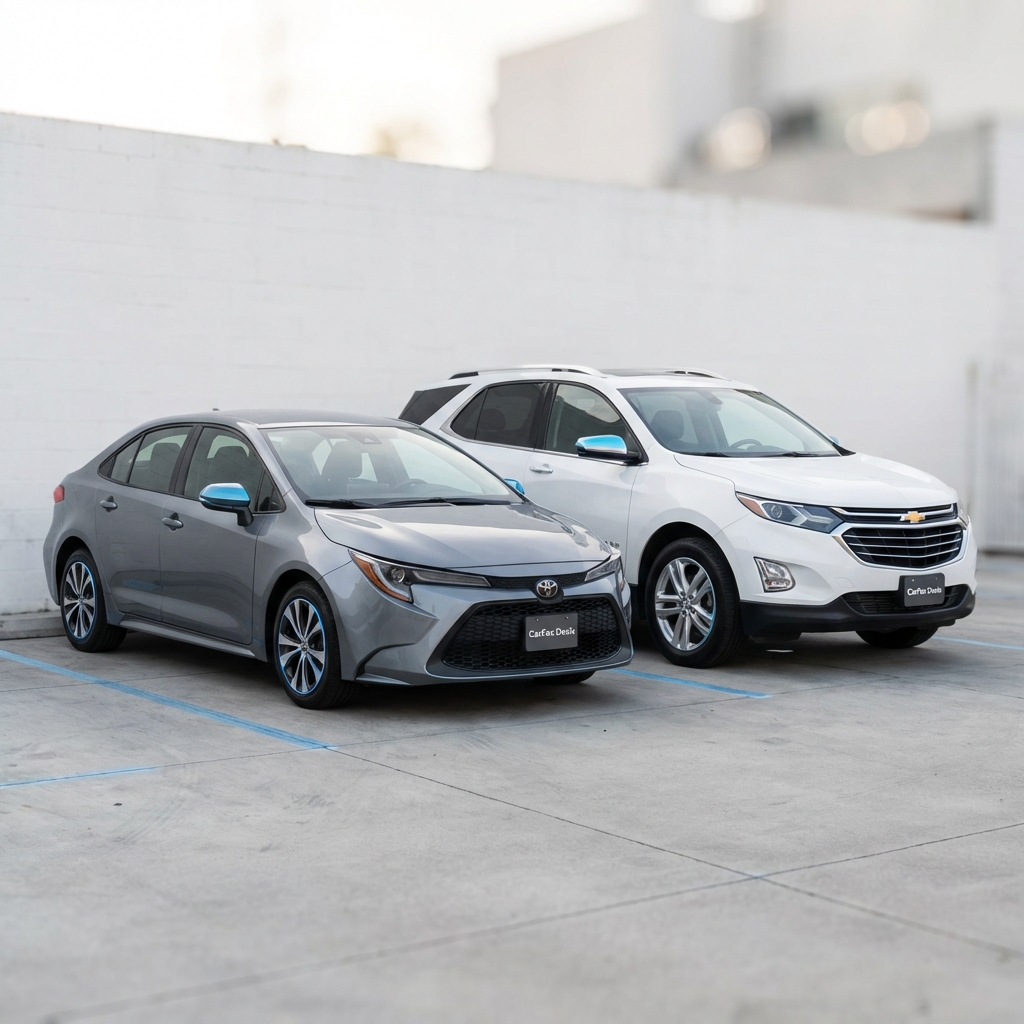
Here is a step-by-step approach to decide between two contenders — a Toyota and a Chevrolet — using the same structure so you can compare fairly:
1. Pull vehicle history reports for both cars and scan for title issues, accidents, and mileage consistency.
2. Book independent inspections for both cars (same mechanic if possible).
3. Test drive each car on the same route and conditions.
4. Compare total cost: asking price plus estimated immediate repairs, insurance, and fuel costs for two years.
5. Factor in resale value — if the Toyota holds value better, it may be worth a slightly higher price now.
Stories from the lot: lessons learned
Real buyers teach helpful lessons: one buyer chose a lower-priced Chevrolet only to pay more in repairs the first year; another chose an older Toyota with full service records and experienced fewer surprises. The consistent theme is that paperwork and inspections predict outcomes far better than photo gloss or low mileage claims.
Special note on recalls and software updates
Modern cars increasingly rely on software. When comparing Toyota vs Chevrolet, check for outstanding recalls and whether the dealer or previous owner completed software updates. Unapplied recalls can affect safety and should be resolved before purchase.
Used-car marketplaces: how to find well-documented listings
Look for platforms that combine listings with verified histories and transparent pricing. These platforms reduce the risk of surprise and help you filter for clean titles, single-owner cars, and strong service records. They’re especially useful when deciding between similar Toyota and Chevrolet offerings.
For platforms that tie listings to reports and pricing, check the site homepages and how they present pricing history before you contact a seller. Also consider reading guides on how to use these tools, for example how to use pages or the platform blog for tips.
Check the vehicle history before you buy
Ready to check history before you visit? Use a trusted vehicle history and pricing tool to compare listings quickly and confidently — run a report now to see background details, title status, and price labels that help you decide between Toyota and Chevrolet options. Get a CARFAX report and compare deals
- Verify timing belt or chain service (model-dependent).
- Check for known oil consumption issues on older engines.
- Prefer cars with consistent maintenance logs and original parts for higher resale.
Buying tips specific to Chevrolet models
- Pay attention to transmission behavior on certain Equinox and Cruze years.
- Check infotainment and electrical systems thoroughly on older models.
- Look for service records that show any major engine or transmission work was performed professionally.
How to value a used car fairly
Use multiple sources: marketplace price labels, private-sale listings, and regional pricing guides. Adjust for condition, repairs needed, and documented accidents. When comparing Toyota vs Chevrolet, factor in resale — a Toyota’s higher resale means a slightly higher offer now might still be more economical long-term. For regional pricing context, consult pricing pages like site pricing guides and national comparisons such as U.S. News' reliable used car list.
Extended warranties: are they worth it?
Extended coverage can make sense for buyers who want predictability. Evaluate the contract carefully: what’s excluded, how claims are handled, and whether the provider has a solid reputation. For a Toyota with low expected repairs, a repair fund may be cheaper; for some Chevrolets with uncertain histories, an extended warranty might be reassuring if it covers major components.
Final decision framework
Ask yourself three questions for both contenders:
1. Does the vehicle’s documented past make sense?
2. Will expected ownership costs fit my budget for the next 2–5 years?
3. Does the car meet my daily needs comfortably and safely?
If the Toyota checks these boxes more consistently, it is likely the better long-term pick. If the Chevrolet answers them better for your immediate constraints, it may be the right choice now.
Checklist for the day you buy
- Confirm the title and compare names on the title to the seller’s ID.
- Get a written bill of sale with VIN, sale price, and any agreed repairs.
- Keep copies of the vehicle history report and inspection report.
- Ask for any spare keys, manuals, and service records to be handed over.
After purchase: immediate steps
Change the oil and filter, top up fluids, replace worn tires if needed, and schedule any recommended repairs from the inspection. Register the car promptly and store all documents together. If you used a marketplace that supplied the report, save that link for future reference.
How to handle if things go wrong
If you find undisclosed damage after purchase, your options depend on local laws and the sale terms. For dealer purchases, check return policies. For private sales, you may need legal advice if fraud is suspected. Maintaining documentation is essential if disputes arise.
Three closing reminders
- A clean vehicle history report and an independent inspection are non-negotiable.
- Price matters, but total cost of ownership matters more.
- Use verified marketplaces to reduce guesswork when comparing Toyota vs Chevrolet.
Parting story
Buying a used car is less about luck and more about method. Think of the process as assembling evidence: reports, inspections, test drives, and paperwork are the pieces. When those pieces fit, you’ll have a car that behaves like a reliable partner rather than a surprise expense.
Final practical advice: If long-term reliability and resale matter most to you, favor Toyota; if immediate budget and feature mix are your priorities, a well-documented Chevrolet can be a strong value. Either way, let the vehicle’s paperwork and your mechanic’s report drive the decision.
Not always. Toyota generally ranks higher for long-term reliability and resale value, but specific model years matter. A well-maintained Chevrolet with a clean vehicle history and a passed inspection can be just as dependable. Always check the vehicle history report and get an independent inspection before buying.
If long-term low maintenance and strong resale value are priorities, Toyota is often the safer choice for family cars. However, if you find a Chevrolet with full service history, strong safety features, and a clean inspection, it can be an excellent, more budget-friendly family option. Compare both contenders on total cost of ownership and safety features.
CARFAX Deals pairs listings with verified vehicle history reports and price context, helping you quickly identify clean titles, accident history, and whether a car is priced as a great or fair deal. It makes the Toyota vs Chevrolet comparison more factual by surfacing documented risk indicators before you visit a seller.
After checking histories, inspections, and real ownership costs, Toyota usually proves the better long-term choice while Chevrolet can win on upfront price—choose the one that fits your budget and patience, and drive home with confidence. Take care, and happy road trips!

 Blog
Blog