When not to trade in your car? Practical guidance for sellers
This article helps you decide when trading in a vehicle will reduce your net proceeds and when the ease of a dealer trade-in is preferable. It walks through payoff and lien checks, a step-by-step net-proceeds calculation, and simple scenarios so you can compare private sale and trade-in outcomes. The guide uses practical steps and references consumer guidance and pricing analysis to help you evaluate trade in value car decisions.
This guide helps research-oriented buyers compare used Tacoma options and decide which model years and trims match their priorities. It distinguishes third-generation 2016–2023 Tacomas, which have a long service and parts history, from the 2024 redesign that introduced i-FORCE powertrain options. Use a VIN-based vehicle history report and a professional pre-purchase inspection to reduce risk before you contact a dealer.
This guide explains which tacoma trucks for sale show the strongest reliability and safety signals to watch out for, and why mid-2010s and many pre-2016 Tacomas appear most often in complaint and recall records. The article shows how to use vehicle history reports, recall checks, and a focused inspection to reduce risk when evaluating a used Tacoma.
This article helps buyers searching tacoma trucks for sale understand which Tacoma engine tends to be most reliable. It summarizes reliability ratings, owner-complaint clusters, and maintenance-cost differences between the 2.7L I4 and the 3.5L V6, and gives actionable checks to reduce engine-related risk.
Deciding whether to trade in your car or sell it privately matters for your wallet. This short guide helps you weigh the financial trade-offs and practical considerations so you can choose the option that best fits your timing, cash needs, and the condition of your vehicle.
We focus on checks that change the outcome materially: confirming payoff and lien status, estimating private-sale net proceeds, and collecting multiple appraisals. The goal is a simple decision framework you can apply with local data and a vehicle history report.
Negative equity can make a trade-in more costly because unpaid loan balances are often rolled into a new loan.
Private sales usually bring higher gross proceeds, but selling costs and time can reduce the net benefit.
A short net-proceeds worksheet helps you compare private-sale outcomes against dealer trade-in offers.
Quick overview: when trading in can hurt your finances
What readers will learn in this article
Trading in a car can be convenient, but it can also lower your overall return if certain conditions apply. This guide focuses on the net outcome you walk away with after payoff, taxes, and selling costs, and it shows the checks that materially change whether a trade-in helps or hurts your finances. For readers assessing trade in value car options, the short rule is to compare private-sale net proceeds against trade-in credit after confirming payoff details.
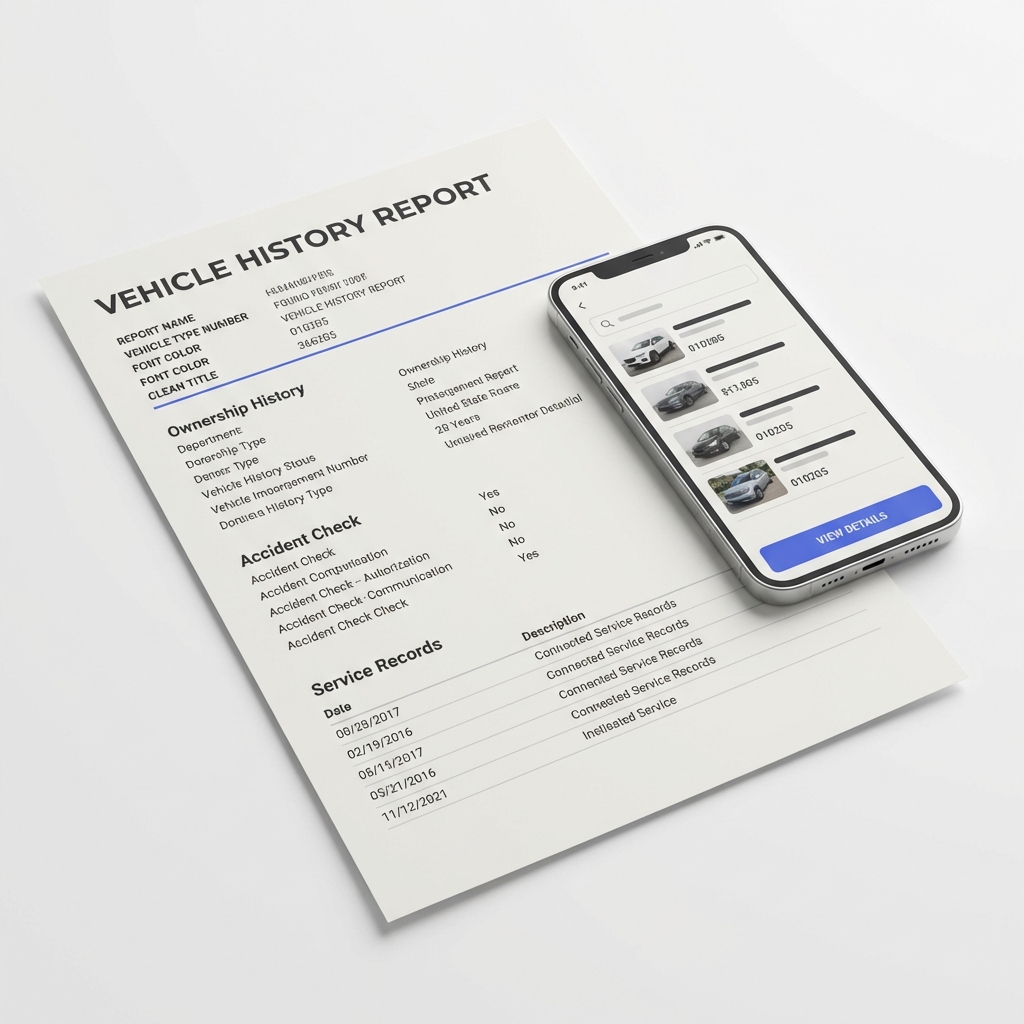
Run a vehicle history report before comparing offers
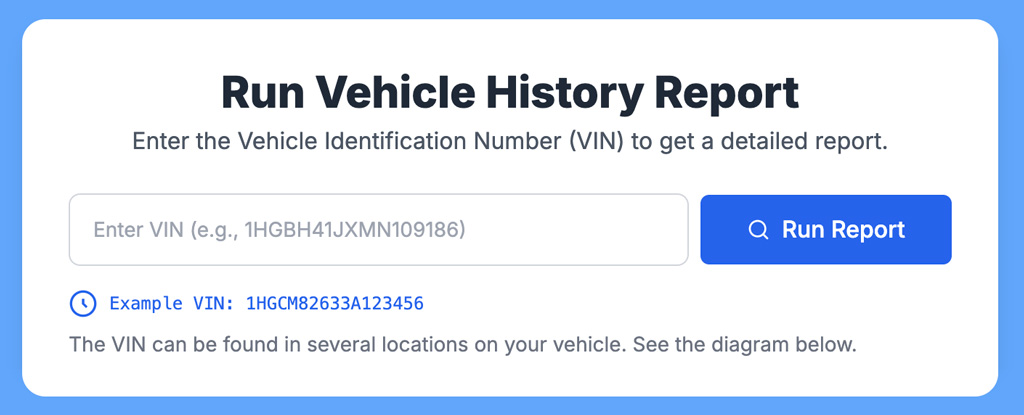
Consider checking a recent vehicle history report and brief local pricing context before you decide; this can clarify repair needs and likely buyer interest without committing to a sale.
One common reason a trade-in reduces your net position is negative equity, where the outstanding loan exceeds the vehicle's trade value; dealers often roll that remaining balance into a new loan and that raises your finance costs over time, so it is a major warning sign to check early CFPB guidance on selling or trading.
This section summarizes the main warning signs that typically make a trade-in the wrong move: negative equity, strong private-market demand for your model and trim, and the expectation that you can net more after paying listing and selling costs. We mention that a vehicle history report and pricing insights tend to reduce uncertainty when comparing offers and that a careful net-proceeds calculation is the most reliable test.
Top warning signs that trading in may be the wrong move
If you owe more than the expected trade-in credit, trading in often increases finance costs because the unpaid balance is commonly added to the new loan, so negative equity is a primary red flag Edmunds analysis of negative equity trends. Recent Edmunds data.
Second, if your car attracts private buyers because of low mileage, desirable trim, or a strong local market, a private sale often produces higher gross proceeds, though you must subtract selling expenses to estimate net benefits KBB on sell or trade decisions.
Trade-in credit is the amount a dealer applies toward a new purchase when you hand over your vehicle; it is usually quoted as a single number and may be conditional on inspection and reconditioning. A private-sale gross price is what a buyer agrees to pay you directly. To decide which route is better, calculate private sale net proceeds as gross sale price minus selling costs, and calculate trade-in net benefit as trade-in credit minus payoff and adjusted for any tax advantages.
For example, private-sale net proceeds equals private_price minus advertising, minor repairs, title transfer costs, and any sales taxes you must remit. Trade-in net benefit usually equals trade_credit minus payoff amount, but check local sales tax rules because in some jurisdictions the trade-in credit reduces taxable amount on the new vehicle purchase. Consumer guidance recommends obtaining written payoff figures and comparing them to dealer offers before completing a trade-in FTC consumer guide on buying and selling.
How taxes, fees and payoff interact with each route
Taxes and registration fees can shift the balance: in many states a trade-in credit reduces the taxable base for a new vehicle purchase, which slightly raises the effective trade-in value compared to a private sale, where the buyer typically pays sales tax on the transfer or you may be responsible for certain registration tasks. Always check your state DMV or tax authority for the exact rule in your state KBB on sell or trade differences.
To keep the comparison apples-to-apples, include likely dealer fees, any registration or transfer charges you will pay in a private sale, and expected taxes. These items are often small relative to big gaps driven by negative equity or strong private-market demand, but they can matter when margins are narrow.
Loan payoff, liens and negative equity: what to check and why
How to obtain a payoff statement
Before you accept any dealer offer ask your lender for a written payoff statement that shows the exact payoff amount and the date through which it applies. This payoff figure is essential because it tells you how much must be settled to clear any lien and avoid surprise balances after the trade-in process CFPB guidance on payoff and trade.
Trading in typically costs more when you have negative equity, when private buyers are willing to pay materially more for a clean, low-mileage example, or when local demand pushes private sale prices above dealer trade-in quotes after accounting for selling costs.
When you have the written payoff, compare it to the dealer's trade-in credit and to your private-sale estimate. If the payoff is larger than the trade-in credit, the shortfall is negative equity. Many dealers will offer to roll that shortfall into the new loan, but that increases the borrowed principal and likely raises interest paid over the life of the loan Edmunds on negative equity handling.
What negative equity looks like in a new loan
Negative equity often shows up as a higher loan balance on the new purchase than the value of the new car plus any fees, because the unpaid amount from your old loan is added to the new loan. That can prolong repayment and increase monthly payments even when a dealer quote looks convenient. Because rolling negative equity affects long-term finance costs, many consumer guides recommend getting at least two independent appraisals before committing to a dealer trade-in FTC consumer advice.
Collecting multiple offers helps you check whether a dealer's appraisal is within the local range and whether a private sale might cover payoff without creating rolled-in debt.
When selling privately will likely get you more money
Vehicle types and conditions that attract private buyers
Cars that tend to do better in private sales include low-mileage, single-owner vehicles with complete service history and popular trims that match local demand; these models often command higher gross prices from private buyers than dealers will offer, though you must subtract selling costs to see the net advantage CARFAX on trade-in versus private sale.
To capture the premium, sellers typically list accurate vehicle history information, include service records, and highlight recent maintenance. A vehicle history report is a valuable item to show prospective private buyers because it can surface ownership history and service history that increase buyer confidence.
Time, costs and effort to expect
Private sales usually require more time and active effort: preparing the car, creating listings, responding to inquiries, scheduling showings, and handling the transfer paperwork. Those tasks often lead to a longer time-to-sell and occasional buyer no-shows. Even so, when local demand is strong these costs can be worth the extra net proceeds KBB on private sale trade-offs.
Include likely costs such as cleaning and detailing, minor repairs to make the car marketable, photography for listings, and paid listing fees in your worksheet so you compare net proceeds accurately.
When a dealer trade-in may be the smarter option
Circumstances favoring trade-in convenience
Trading in is often the practical choice when you have limited time, need to complete a purchase the same day, or when the car has low private-market interest; dealers can manage title transfer and lien payoff paperwork for you, which reduces logistical burden. Consumer guidance notes that trading in can simplify paperwork but cautions about rolling negative equity into a new loan CFPB notes on trade-in convenience.
Cars with mechanical problems, branded or salvage titles, or high mileage often attract few private buyers, so the net difference between a trade-in and a private sale narrows; in those cases a trade-in can save time and reduce the risk of a failed private sale Consumer Reports guidance on hard-to-sell cars.
When you are short on cash to make repairs or you need immediate credit toward another purchase, the trade-in route can be a practical fallback even when it is not the absolute maximum net return.
Step-by-step net-proceeds calculation you can use
Worksheet: private sale net proceeds vs trade-in credit
Use these formulas to compare routes. Private net proceeds equals private_sale_price minus selling_costs. Trade-in net benefit equals trade_in_credit minus payoff_amount plus or minus any tax effects for your state. This simple equation is the most reliable way to decide; comparing net outcomes beats relying on a single quoted number KBB on how to decide.
Typical selling-cost items include cleaning and detailing, minor repairs required to reach marketable condition, listing fees, and the value of your time for showings. For trade-ins include dealer fees, any required repairs the dealer insists on, and the payoff figure from your lender.
How to factor repairs, advertising and taxes
Estimate conservative repair costs and add them to your private-sale deduction; do not forget tax and registration differences that can favor trade-ins in some states because trade-in credits often reduce taxable sales price on the new purchase. Confirm the applicable rule for your state before applying the tax adjustment in your worksheet FTC guide on sale paperwork and taxes.
After you calculate both net outcomes, compare them and consider non-financial factors like time, convenience, and risk of a private sale falling through.
How market timing and local demand change trade-in value
Recent volatility in used-car pricing and what it means
Used-car prices have been more volatile since 2024, which means expected trade-in values can change quickly; shop multiple offers and avoid assuming a single dealer quote represents the local market average Edmunds analysis of recent trends.
Quick local-market check before selling
Check local listing sites and recent sold records
To adapt to local swings, gather at least two appraisals and scan recent sold listings for your model and trim. That context helps you set a realistic private-sale price and judge whether a dealer's trade-in credit is fair.
Seasonal and regional demand signals to watch
Track local sold listings rather than national headlines to see what buyers near you are paying, and pay attention to supply cues such as dealer stocking levels and the number of similar items listed. These signals help you decide if it is worth waiting for a better seasonal window or accepting a quick trade-in.
How condition, title brands and mileage change buyer interest
Title brands: salvage, rebuilt, branded titles
Vehicles with salvage or rebuilt titles reduce private-sale interest considerably because buyers are more cautious; branded titles typically shrink the private-market pool and frequently bring dealer offers closer to private-sale net proceeds, making trade-in a more reasonable choice Consumer Reports on branded titles.
High mileage and unresolved mechanical issues also reduce private-sale demand. If your vehicle needs major repairs to be marketable, the cost and complexity of repairs often push the balance toward trading in.
Mechanical and cosmetic impacts on private-sale demand
Buyers looking privately often check recent service history and visible condition; providing a vehicle history report and documented service history can boost buyer confidence and raise your achievable private-sale price. Without that documentation, a dealer offer that accounts for unknowns may be the safer route CARFAX on using history reports.
When in doubt, list the known issues transparently in private listings; that reduces wasted time and aligns expectations so negotiations are smoother.
Common mistakes sellers make when choosing between trade-in and private sale
Overlooking payoff and lien verification
A frequent mistake is accepting a dealer offer without securing a written payoff amount from the lender. Failing to confirm lien release timing or exact payoff can leave you responsible for balances or delays, so always get the written payoff before finalizing a trade-in CFPB payoff advice.
Another common error is assuming the dealer offer equals market value; without multiple appraisals you cannot tell whether the offer is competitive in your local market.
Underestimating selling costs and time
Sellers often undercount the time and expense of private sales, including photography, listing maintenance, showings, and handling title transfer. These costs reduce private-sale net proceeds and sometimes flip what looks like a better gross price into a worse net outcome KBB on private sale trade-offs.
Account for realistic time-to-sell estimates and be honest about whether you can manage the process; if not, the convenience of a trade-in may outweigh a modest net gain.
Practical scenarios and walk-throughs (templates, no fixed numbers)
Template 1: low-mileage, single-owner car
Template math: private_price - (detailing + listing fees + minor repairs) = private_net. trade_credit - payoff + tax_adjustment = trade_net. If private_net is larger than trade_net by an amount that exceeds your time cost, pursue a private sale. Use local sold listings and a vehicle history report as inputs to estimate private_price KBB worksheet guidance.
Plug in conservative estimates for time and listing costs. If the private-sale window looks short and the extra net is small, trading in may still be the practical choice.
Template 2: high-mileage or branded-title car
Template math: private_price - (repair estimates + buyer warranty concerns) = private_net. trade_credit - payoff = trade_net. For branded or high-mileage vehicles the private_price is often close to or less than trade_credit after you include repair and risk discounts, so a trade-in can be more efficient Consumer Reports scenario guidance.
Use the templates with local appraisal inputs and your written payoff to see whether the convenience premium a dealer offers is worth accepting.
How to get multiple appraisals and what to ask dealers
Where to get appraisals (sources to check)
Obtain at least two independent appraisals: get a dealer appraisal, an online pricing check such as a price analysis label, and consider a third-party inspection or appraisal for higher-value vehicles. Gathering multiple data points reduces the risk of accepting a low single offer CARFAX on appraisal sources.
Check recent sold listings for your model and trim and compare those sale prices to dealer trade-in quotes to see where offers fall in the local distribution.
Questions to ask so offers are comparable
Ask dealers for written appraisal details and how they will handle payoff and any required repairs. Specific questions include: will you provide a written trade-in offer, how will you handle an outstanding lien, and what fees or reconditioning charges will you see? Getting these answers makes offers apples-to-apples.
When comparing offers, ensure each includes the same assumptions about condition and included items, such as extra keys and service records.
Paperwork checklist before you trade or sell
Documents to gather for a trade-in
Gather title or title status documentation, a written payoff statement if you have a loan, the vehicle history report, recent service records, and current registration. Keep copies of all written offers and payoff instructions; that paperwork prevents disputes and clarifies who is responsible for final payments FTC checklist for buyers and sellers.
If you expect a dealer to handle lien release, confirm the expected timing and get written confirmation of how and when the lender will be paid.
Documents and disclosures for a private sale
For a private sale prepare a vehicle history report, maintenance records, the title or a note about title status, a bill of sale, and disclosure of any known issues. Retain copies of receipt and signed transfer forms and check your state DMV requirements for exact documents needed CARFAX on private sale paperwork.
Keeping a clear folder of documents speeds closing and makes buyers more confident, which can improve your effective sale price.
Tax and registration considerations that affect the math
How trade-in credits can change taxable amounts
In many states the trade-in credit reduces the taxable purchase price of the new vehicle, which can make a trade-in slightly more attractive compared to a private sale where the sale amount is often fully taxable. Because rules vary, check your state or local tax authority to confirm how trade-in credits are treated for sales tax purposes KBB on tax and trade-in differences.
Save all receipts and written offers because they can matter if a tax or title question arises later.
State variations and where to check
Registration and transfer fees differ by state and sometimes by county. Contact your state DMV or use its website to verify exact procedures and expected fees before deciding whether to trade or sell privately.
Including accurate local tax and fee estimates in your net-proceeds worksheet ensures you are comparing true net outcomes rather than rough guesses.
Conclusion and a simple decision checklist
Three quick questions to decide your next step
Use this three-item checklist: get a written payoff statement, obtain at least two appraisals or offers, and run the net-proceeds math comparing private sale net to trade-in net. This simple sequence keeps the decision grounded in verifiable numbers and local market context CFPB recommended sequence.
If private net proceeds substantially exceed trade-in net and you can manage the time and effort of a private sale, selling privately usually yields better financial results. If your car is hard to sell, has branded title issues, or you need immediate convenience, a trade-in can be the rational choice after confirming payoff handling.
Where to get more detailed help
Gather local sold listing data, request written payoffs, and consider running a vehicle history report and pricing insight to reduce uncertainty before committing. If you are unsure, consult consumer guides and use the checklist above to make a disciplined comparison of net outcomes.
If payoff exceeds the trade-in credit you have negative equity; get a written payoff, compare multiple offers, and avoid rolling the shortfall into a new loan unless you understand the long-term cost.
Not always; private sales often yield higher gross proceeds but net advantage depends on repairs, advertising, taxes, and time-to-sell; use a net-proceeds calculation to decide.
Bring the title or title status, a written payoff statement if there is a loan, service records, registration, and a vehicle history report when possible.
Before you decide, gather a written payoff, two appraisals, and a recent vehicle history report. Use the net-proceeds worksheet in this guide to compare outcomes. That process usually reveals whether trading in or selling privately fits your financial and time priorities.


 Blog
Blog