What is the best second hand automatic car to buy? A practical guide
This guide explains how to find and evaluate used auto cars near me with a verification-first workflow. It shows how vehicle history reports, model-year reliability checks, safety and recall lookups, local pricing context and a focused pre-purchase inspection can reduce risk when buying an automatic used car.
This guide shows how to evaluate affordable cars for sale by looking beyond sticker price to total cost to own, reliability, fuel use and safety. It explains how to use model-level 5-year TCO tools, EPA fuel data and vehicle history reports to compare small cars, and gives checklists and scenarios for common buyer profiles.
This guide helps research-focused buyers decide which used Honda Fit years to approach with caution and what checks to run before contacting a dealer. It explains why mid-2010s Fits often show more transmission and engine complaints, why VIN-level recall checks matter, and how to use a vehicle history report and pricing context to reduce risk.
This guide explains current new and used pricing for buyers searching for tesla 3 for sale, and shows the VIN-level checks that matter most. It summarizes 2026 new Model 3 starting points and used value bands, then gives a step-by-step checklist to verify any listing with a vehicle history report and battery warranty checks.
Buying a second hand automatic car near you requires more than scanning listings. A verification-first approach - starting with vehicle history reports, model-year checks and pricing context - helps you prioritize which cars to inspect in person.
This article walks through a practical workflow for research-oriented buyers: how to shortlist candidates, which reliability and safety checks to run for the exact model year and trim, how to estimate total cost of ownership, and what to ask a mechanic during a focused inspection.
Start with a vehicle history report and title check before you schedule any test drive.
Model-year and trim determine reliability risks more than the model name alone.
A targeted pre-purchase inspection focused on the transmission often reveals issues a test drive misses.
What 'used auto cars near me' means and why context matters
Search intent and local market signals
When someone searches used auto cars near me they usually intend to find local, available listings they could visit or buy soon. That search intent often signals readiness to compare nearby inventory, set a budget and contact dealers, not just long-term research. Pairing local listings with a vehicle history report and pricing insights helps you prioritize which cars to check in person and reduces time spent on unsuitable listings; use the history report to confirm title status and known service records before you schedule a visit Consumer Reports used car guide.
Automatic transmissions usually shift the inspection focus from clutch wear to transmission health, software updates and shift quality. Test-driving for shift smoothness, hesitation, slip, or delayed engagement becomes central for automatic cars, and documented service history for transmission fluid changes or software campaigns can be a practical risk reducer. Because transmission problems can be expensive, buyers should sequence checks so that history and recall checks come before a dealer visit, then follow with a mechanic inspection if the VIN and service records look acceptable.
Set the expectation: treat search results as a shortlist that requires verification in three steps, roughly in this order. First, run a vehicle history report to verify title status, ownership history and service entries. Second, consult model- and year-level reliability information to check for transmission or common failures. Third, use local pricing context to decide which listings are worth an inspection and test drive.
How to shortlist the best used automatic cars near you
Three-step shortlist framework
Step 1, obtain a vehicle history report and confirm title status, ownership history and service records before visiting the dealer. A VIN-based report often flags title issues, number of owners and maintenance entries that can alter shortlisting decisions NHTSA buying used car checklist.
Step 2, narrow candidates by model year and trim using up-to-date dependability studies and consumer-test databases. Model-year and trim differences matter for transmissions and powertrains, so prefer the exact model-year and trim you have checked against reliability sources.
Step 3, compare local pricing context and price-analysis labels. Use regional comparables to see whether a listing is a Great Deal, Good Deal or Fair Deal and prioritize visits accordingly. Price labels help you reduce the field of candidates to those that match your budget and expected cost-to-own profile Kelley Blue Book market comparables.
Shortlist comparator to rank used cars by history, reliability and price
Rank candidates 1 to 5 by combined risk and value
How to use pricing labels and comparables
When comparing listings, compile local comparables within your metro area and the same model year and trim to see typical asking prices. Pricing insights can surface outliers that deserve caution or further checks; if a car's price analysis label is significantly better than comparable listings, verify the VIN report and service history to rule out hidden issues Edmunds True Cost to Own reference.
CarFax Deals functions as a neutral verification layer in this stage, helping you surface vehicle history reports and pricing insights so you can sort listings before contacting the dealer. Use the platform to prioritize, not to guarantee condition or pricing outcomes. You can see how to use the platform, and you can also check recalls at Carfax here.
Model-year, trim and reliability: how to compare candidates
Where dependability differences appear
Reliability varies by model year and trim because manufacturers change parts, suppliers and software over time. Transmission designs, for example, may be revised across a model run and some years show more transmission-related complaints than others. Consult the latest dependability study and consumer reporting to identify model-year clusters with fewer reported failures J.D. Power Vehicle Dependability Study.
Look for patterns such as frequent transmission repairs, recurring electrical faults or early wear on suspension parts. A single reported repair does not automatically disqualify a car, but repeated, model-specific complaints should change your risk tolerance and inspection priorities.
Which sources to check for model-level data
Trustworthy sources include long-form dependability studies, consumer-test databases and owner forums when used cautiously. Dependability studies tend to show where failures cluster, while consumer guides often summarize common owner complaints. Always match the exact model year and trim in your checks rather than relying on a generic model name.
When you find concerning patterns, weigh them against service history and any recent recall campaigns. A well-documented service history that addresses known model-year issues can reduce risk, but confirm the entries in the vehicle history report before moving forward.
Safety, recalls and VIN checks before you call the dealer
How to check safety ratings and recall status
Safety ratings and recall status should be checked for the exact VIN or model year before you visit a dealer. Safety agencies publish crashworthiness and safety feature information that is useful for comparing candidate cars, and recall databases show open campaigns that a dealer should address before sale IIHS used vehicle safety guidance.
Run the VIN through a vehicle history report to see title flags, open recalls and ownership history. If the report shows an open recall or a title flag such as a salvage or rebuilt title, pause the buying process until those issues are resolved or explained by the seller. See the NHTSA recall lookup for recall details NHTSA recall lookup.
Use a verification-first workflow: run a vehicle history report, check model-year reliability and recalls, estimate total cost of ownership, and arrange a transmission-focused pre-purchase inspection before contacting the dealer.
If a recall or safety-related title flag appears, ask the dealer or seller for documentation that the recall remedy was completed and request the recall repair order. For manufacturer campaigns, a completed recall repair is often part of the service history; if not, obtain a clear plan and timeline for remedy before agreeing to purchase NHTSA buying used car checklist.
What to do if a recall or safety issue is listed
If the VIN shows an open recall, the seller should provide evidence of scheduling or completion. Federal rules and manufacturer policies vary, but an unresolved safety campaign is a material issue you will want closed or documented before finalizing a purchase. Consider making completion of recall work a condition of sale.
For title-related flags such as salvage or rebuilt titles, get a professional explanation and consider whether the car still fits your needs. These flags change resale prospects and insurance requirements and typically require deeper inspection and a careful cost-to-own calculation.
Estimate total cost of ownership for automatic cars
Components of TCO that often exceed purchase price
Total cost of ownership includes fuel, routine maintenance, insurance, expected repairs and depreciation, and these components often exceed small differences in purchase price. For many buyers, a lower initial price can be offset quickly by higher fuel or repair costs, so use industry TCO tools to compare candidates Edmunds True Cost to Own.
Insurance costs and expected repair frequency are especially relevant for automatic cars with known transmission issues. If a model-year has reported transmission failures, budget higher likely repair costs into the TCO estimate rather than assuming the purchase price is the main expense.
How local pricing and fuel choice affect long-term cost
Local fuel prices and the availability of parts or specialized service can materially affect running costs. In some regions, parts for certain powertrains are harder to source which raises repair wait times and potential expense. Use local comparables and regional TCO adjustments when estimating long-term cost Kelley Blue Book pricing and market context (check recalls at KBB KBB recall lookup).
Run a simple scenario: compare two similar listings with different asking prices but different expected annual costs for fuel and repairs. A higher-priced listing with a complete service history and no known transmission complaints can have a lower three-year cost-to-own than a cheaper alternative without documentation.
Pre-purchase inspection checklist for automatic transmissions
What to include in a mechanic inspection
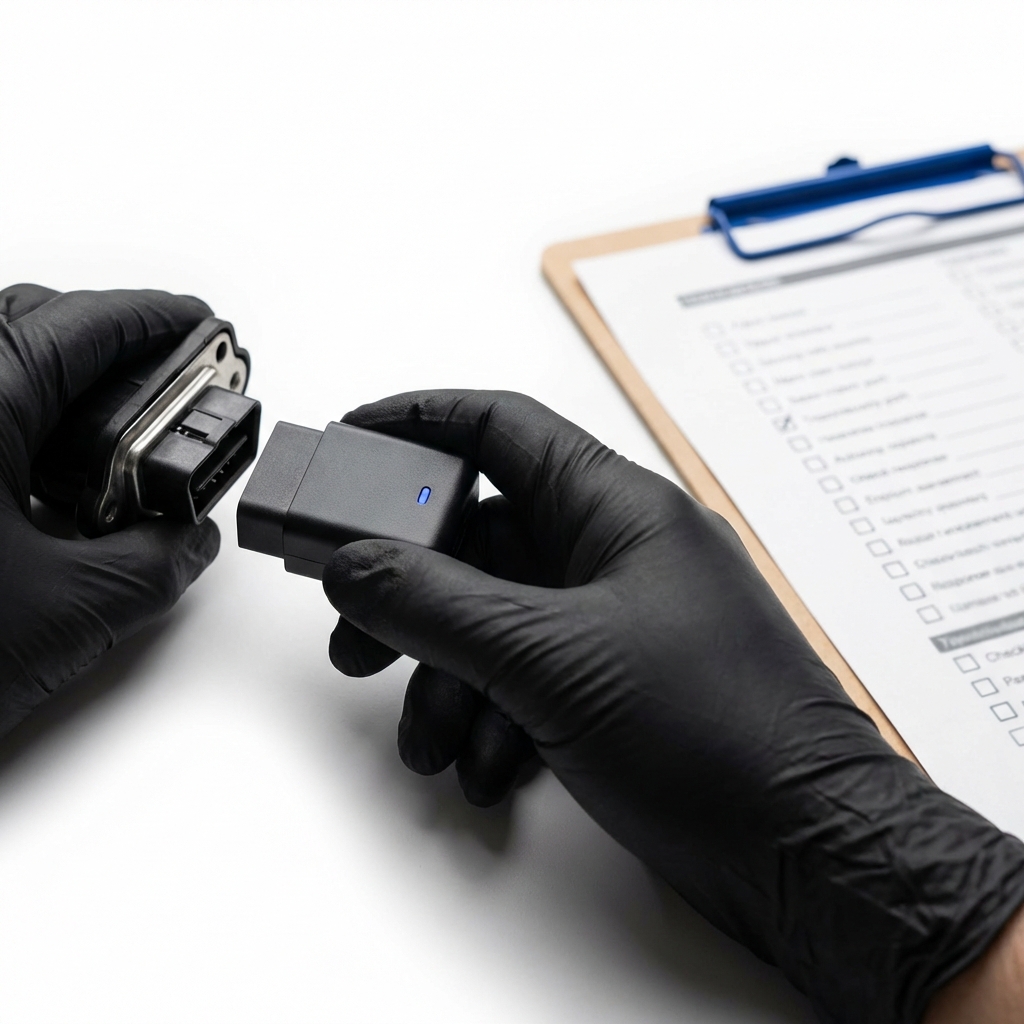
Request an OBD scan and a mechanic inspection that focuses on the transmission, engine and related electronics. An OBD scan can reveal stored transmission codes and pending issues that do not always show in a short test drive, and a mechanic familiar with the model's transmission type can identify early signs of wear.
Ask the mechanic to confirm service history entries, inspect fluid condition where appropriate, and provide a written list of recommended work with estimated costs. Written findings help you compare multiple candidates objectively and give you a negotiation baseline if you proceed.
Test-drive checklist focused on automatic behavior
During the test drive focus on shift timing, hesitation, slipping, odd noises during gear changes, and how the transmission responds under load such as on a ramp or during an uphill acceleration. Test both in normal and sport or economy modes if the transmission has selectable settings.
Document any unusual behavior and cross-check the test-drive observations with the mechanic's inspection and the vehicle history report. If a transmission shows intermittent issues on the test drive but no repair history, treat that as a significant risk and consider walking away or making completion of a professional repair a condition of sale Consumer Reports used car guide.
A common error is skipping a VIN history check or misinterpreting service entries. A vehicle history report corroborates seller statements about title, ownership and recorded service; missing this step can let serious flags go unnoticed. Always confirm title status and recorded service before proceeding to inspection NHTSA buying used car checklist.
Another mistake is to assume a single clean entry equals full maintenance. Service records can be incomplete; when important entries like transmission fluid service are missing, ask for maintenance receipts or consider independent inspection.
Underestimating ownership costs
Buyers sometimes focus on the sticker price and ignore likely running costs. Failing to estimate fuel, likely repairs and insurance can lead to unpleasant surprises. Use price-analysis labels and TCO tools to compare realistic long-term costs before deciding.
Verification-first actions that replace risky shortcuts include running the VIN report, checking model-year reliability data and scheduling a targeted mechanic inspection. These steps typically reduce the probability of an expensive surprise after purchase.
Putting it together: step-by-step workflow to buy a used automatic near you
A practical, timestamped order of actions
Step 1: Search local listings using filters for clean title, single owner and no accident reported to narrow the field. Step 2: For shortlisted listings, run vehicle history reports and confirm title status and service entries. Step 3: Check model-year reliability and recent recalls for the exact VIN or model year. Step 4: Estimate TCO using local pricing and fuel assumptions and rank candidates by combined risk and value. Step 5: Arrange a pre-purchase inspection with a mechanic who will perform an OBD scan and a transmission-focused check. Step 6: Use written inspection findings and pricing context to decide which listings to visit in person and which to rule out. Use price-analysis labels to prioritize in-person visits and call the dealer only after verification steps are complete NHTSA buying used car checklist.
How to prioritise listings: give highest priority to cars with verified clean title, clear service history addressing known model-year issues and a reasonable price-analysis label. Lower priority goes to listings missing service records, those with open recalls or uncertain ownership history.
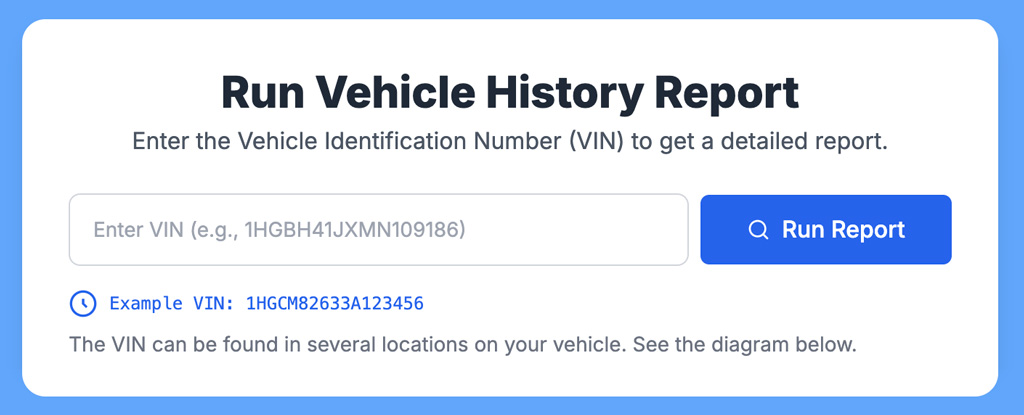
Run a vehicle history report for your shortlisted cars
Compare vehicle history reports and pricing insights on CarFax Deals to decide which listings to inspect in person before you contact a dealer.
When you contact a dealer, ask for the VIN, a copy of the vehicle history report if available, and any documented repair orders for transmission work or recall campaigns. Keep questions focused and factual. If the dealer cannot provide service documentation or a recent inspection report, treat that as a higher risk listing.
End the workflow by making any unresolved repairs or recall completions a written condition of sale, and use the combined evidence from the VIN report, TCO estimate and mechanic inspection to make a confident decision.
Run a vehicle history report to confirm title status, ownership history and recorded service entries before arranging an inspection or contacting the dealer.
Run the VIN through a vehicle history report and consult safety agency recall databases for the exact model year; ask the seller for documentation if a recall is listed.
A documented service history often reduces risk and can justify a modest premium, but compare three-year ownership costs to decide if the higher price is worth it.
Used-vehicle shopping can be efficient when you follow a verification-first plan. By combining vehicle history reports, model-specific reliability checks, recall searches and a targeted inspection you can reduce the chance of an expensive surprise after purchase.
Treat CarFax Deals as a decision support layer to surface verified vehicle history context and pricing insights, then verify the VIN and inspection findings before completing any local sale.


 Blog
Blog