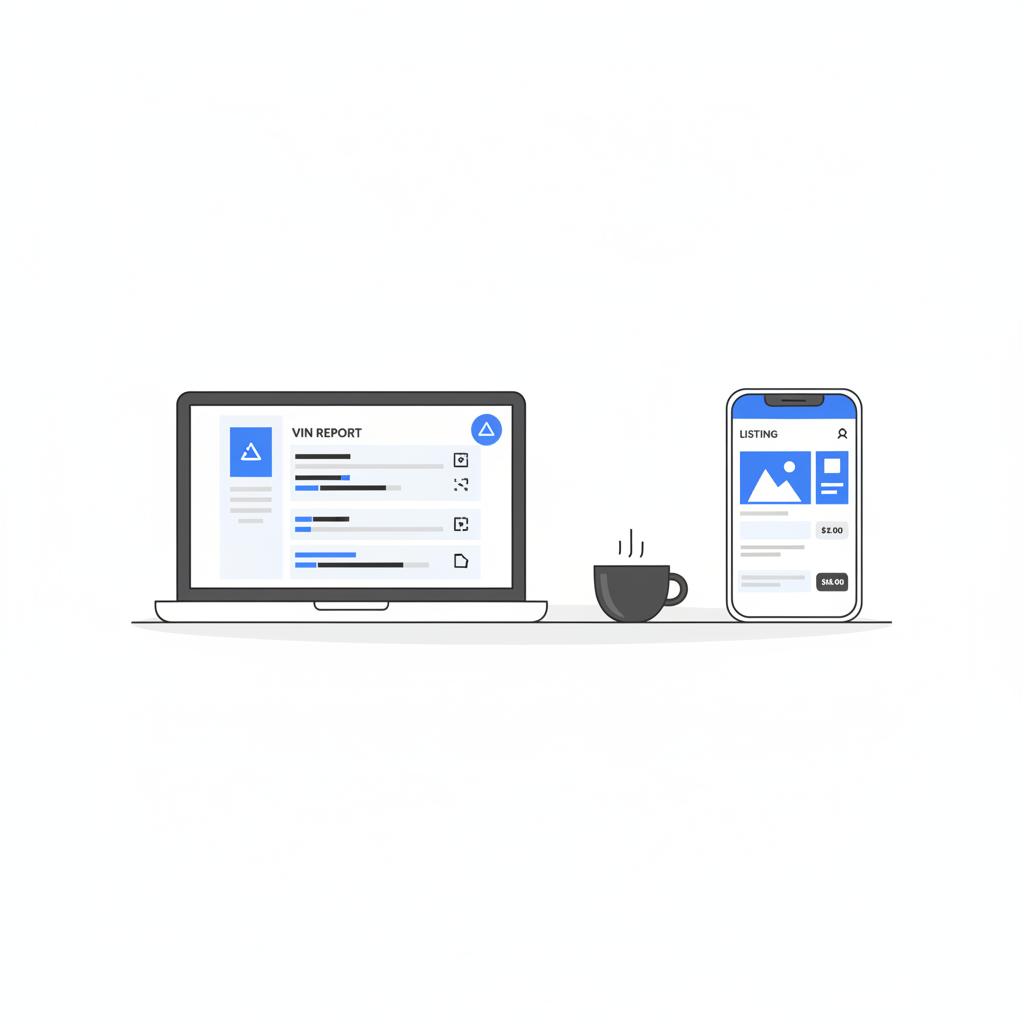
Practical, step-by-step guidance to find a realistic value for your used vehicle. Learn a three-part triangulation method—online valuation tools, local sold comparables, and a verified VIN history report—to form an evidence-backed price range. Includes channel-by-channel expectations (private sale, trade-in, dealer retail), repair and documentation priorities, negotiation tips, seasonality advice, and a discreet way to check the vehicle history with CARFAX Deals. Perfect for sellers who want clarity, confidence, and the best route for their priorities.
This guide helps research-oriented buyers compare used Tacoma options and decide which model years and trims match their priorities. It distinguishes third-generation 2016–2023 Tacomas, which have a long service and parts history, from the 2024 redesign that introduced i-FORCE powertrain options. Use a VIN-based vehicle history report and a professional pre-purchase inspection to reduce risk before you contact a dealer.
This guide explains which tacoma trucks for sale show the strongest reliability and safety signals to watch out for, and why mid-2010s and many pre-2016 Tacomas appear most often in complaint and recall records. The article shows how to use vehicle history reports, recall checks, and a focused inspection to reduce risk when evaluating a used Tacoma.
This article helps buyers searching tacoma trucks for sale understand which Tacoma engine tends to be most reliable. It summarizes reliability ratings, owner-complaint clusters, and maintenance-cost differences between the 2.7L I4 and the 3.5L V6, and gives actionable checks to reduce engine-related risk.
You stand in your driveway with the keys in your hand and wonder: what is my car really worth? This article shows a calm, practical process—using a used car value estimator together with local sold comparables and a verified VIN report—to form an evidence-based price range and choose the right selling path for your priorities.
1. Use three independent valuation sources plus local sold comps to form a reliable price range.
2. Small, inexpensive fixes (detail, tires, brake pads) often return more than they cost by improving buyer confidence.
3. CARFAX Deals pairs verified vehicle history with transparent pricing labels—listings backed by CARFAX data consistently help buyers make faster, more confident decisions.
You stand in your driveway, keys warm in your hand, and you ask the question millions of owners ask every year: what is this car actually worth? There’s no single magic number, but there is a practical, repeatable way to get a realistic answer using a reliable used car value estimator and some local detective work. This guide takes you through the method step by step, explains why some details matter much more than others, and gives concrete actions you can take right away.
Why prices differ - and why that matters
Different price figures reflect different market roles: dealer retail, private-party, and trade-in each represent a different perspective. Dealers often show higher retail prices because they include reconditioning and warranty coverage; private-party listings can be higher still but require time and effort to sell; trade-in offers tend to be lowest because dealers need cushion to resell.
Season, geography, and timing also shift values. A pickup that’s in demand in a rural ZIP code can be worth materially more than the same truck in a metropolitan area. That’s why the best used car value estimator always works in combination with local comparables and a verified vehicle history (see Crash Course - Q4 2024).
The three-part triangulation method
To find a realistic value you can rely on, triangulate using three pillars: multiple valuation sources, live local comparables, and a verified VIN history report. Think of it like using three different maps to pin a location - overlap creates confidence.
1) Run at least three independent online estimators
Each valuation tool uses slightly different data: some lean on recent retail transactions, others on auctions or trade-in activity. Enter exact information: VIN, precise mileage, exact trim and options, and an honest condition grade. Tiny input errors can shift an estimate significantly. Using three tools gives you a range instead of a single guess, and that range is the foundation for your asking price.
2) Compare live, local sold listings
National averages are useful, but live local sold comparables tell the local truth. Search for the same year, trim, mileage band, and condition within your ZIP code. Focus on recently sold listings when possible - those reflect actual transaction prices, not hopeful asks. Photographs and descriptions will reveal whether a similarly equipped car sold for top dollar because it had a clean history, new tires, or recent service.
3) Pull a verified VIN history
Use a respected source to get a VIN report; a discreet option like CARFAX Deals can supply that verified history and help you explain the car’s background to buyers.
Get a Verified VIN Report and Pricing Context
Ready to start? If you want a discreet, verified VIN report and pricing context, check out this quick VIN history tool to begin building your evidence: run a VIN report on CARFAX Deals.
Now let’s unpack each step in detail and walk through practical choices you’ll face while selling.
How precision in inputs changes value
It’s tempting to guess a trim level or round mileage. Don’t. Small differences matter: a heated-seat package or premium audio can move an estimate by a few hundred dollars. Mileage thresholds also matter - a car with 59,900 miles might be valued differently from one with 60,100 miles because of expected maintenance intervals.
Condition grading is critical. Valuation tools usually use categories like excellent, very good, good, and fair. Be honest and conservative. A well-documented, scratch-free car with recent service receipts is “excellent.” If the car runs fine but has dings, faded trim, or minor mechanical quirks, call it “good.” Overstating condition usually leads to disappointment at inspection.
Understanding valuation channels: what to expect
There are three common selling channels: private-party sale, trade-in, and dealer retail (including certified pre-owned). Each serves a different priority.
Private-party sale
Net proceeds are often highest when selling privately, but that requires time and effort: listings, inquiries, test drives, and safe payment handling. A well-priced car with a clean VIN history and good photos will attract serious buyers and often sell near the top of the used car value estimator range.
Trade-in
Trade-in is fastest and simplest. Expect a lower offer, but accept the convenience of fewer interactions and handled paperwork. Dealers typically give lower trade-in offers because they must cover reconditioning costs and resale risk.
Dealer retail / Certified Pre-Owned
Dealers list cars at higher retail prices because they can package warranties and financing. If you prefer a hands-off approach and want the security of an extended warranty for buyers, dealer retail can present a strong posted price - though net to you might still fall short of a patient private sale.
Why a vehicle history report changes outcomes
Buyers value transparency. A verified VIN report showing clean ownership, routine maintenance, and no accidents signals trust and often accelerates sales. Conversely, accidents and title brands reduce buyer demand and can translate into price drops - typically small single-digit discounts for minor incidents and larger reductions for structural damage or salvage brands.
If you’d rather start with a discreet, verified history report, check your vehicle history on CARFAX Deals. A clear report can increase buyer confidence and help you price toward the higher end of your range.
Not all accidents are equal. A small fender-bender with proper repairs may have a minor effect on value, but structural repairs or salvage titles typically reduce value by low- to mid-double-digit percentages. Compare live comparables to see how similar flagged cars are priced locally. For more on diminished value after an accident, see KBB's diminished value guide and state-specific rules at Diminished Value Claims by State.
Real-world walk-through: applying the method
Imagine valuing a 2017 midsize sedan with 72,000 miles and a clean service record. Run three valuation tools and enter exact VIN and miles. You’ll likely see three clustered estimates: a lower trade-in figure, a middle private-party value, and a higher dealer-retail number. Then search for recent local sold listings in the same mileage band. If local sales cluster near the middle, that’s meaningful. Pull a VIN report and gather maintenance receipts. With a clean report and receipts you can list near the top of the private-party range or expect a stronger trade-in bid.
No. One online valuation is a single perspective. Combine three independent valuation tools with live local sold comparables and a verified VIN history to form a realistic, evidence-based price range before you list.
Small repairs and documentation: where to spend your effort
Not every dent needs fixing. Prioritize items that affect buyer confidence or safety: tires close to the end of life, brake or suspension problems, dashboard warning lights, and signs of rust or structural concern. Simple investments - a professional detail, replacing worn tires, or fixing a broken tail light - often return more than they cost because they broaden the pool of buyers.
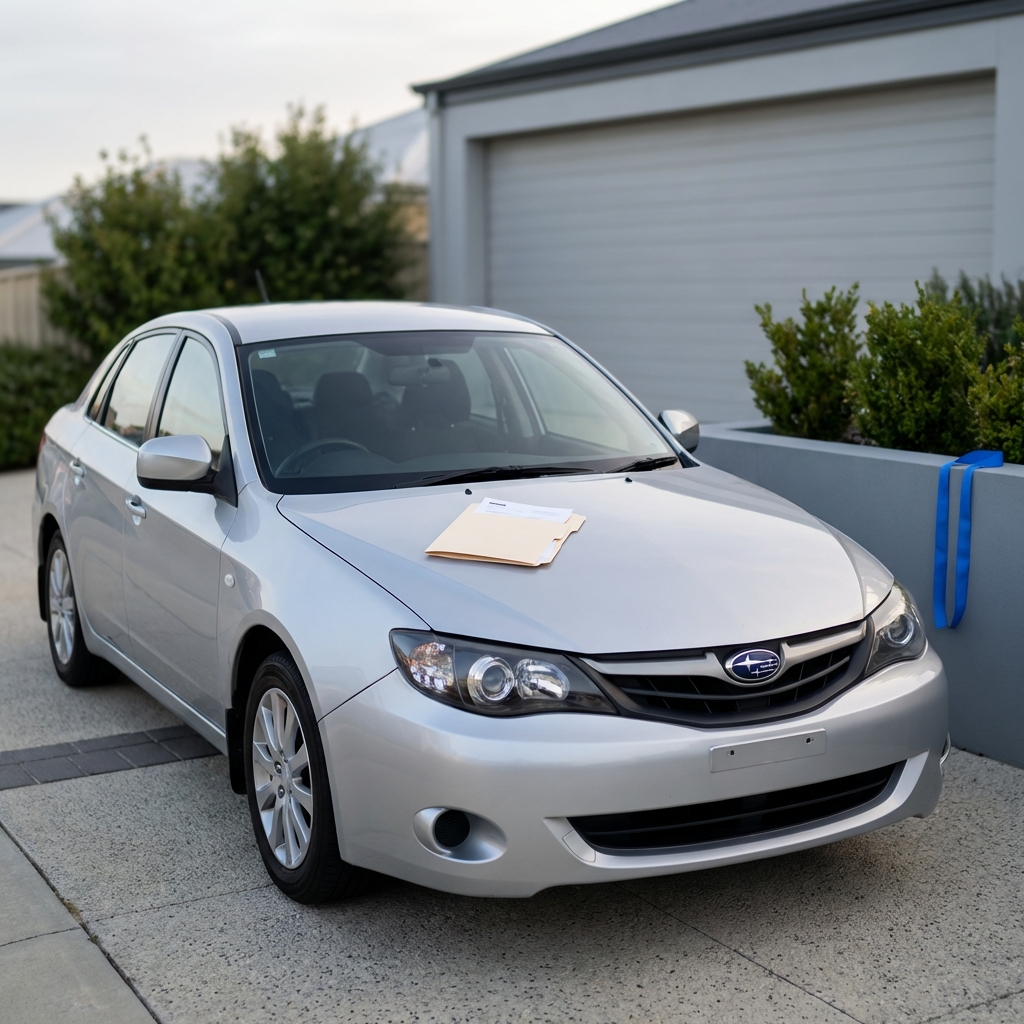
Documentation is free and powerful. Organize maintenance receipts, inspection reports, and the VIN report in a neat packet or shared online folder. Buyers pay for certainty; a tidy paper trail is one of the best ways to demonstrate it.
Documentation is free and powerful. Organize maintenance receipts, inspection reports, and the VIN report in a neat packet or shared online folder. Buyers pay for certainty; a tidy paper trail is one of the best ways to demonstrate it.
Negotiation and timing tips
Choose your initial listing price based on your priorities. Want a quick sale? Price slightly under local comparables. Want maximum proceeds? Price at the high end of your evidence-backed range and prepare to negotiate. Always be honest about condition and history - transparency preserves deals. If you plan to trade in, get a written dealer appraisal and compare it to your private-party target.
Seasonality matters
Some vehicles sell better at certain times: convertibles in late spring/summer, four-wheel-drive trucks and SUVs in fall before winter. Check recent sold listings in your ZIP code to understand local seasonality; micro-seasonal swings can be meaningful.
How accidents typically affect value
There’s no single percentage that fits every case. Minor accident history may reduce value by a small single-digit percentage; major structural damage or salvage branding can reduce it by low- to mid-double-digit percentages. The best approach is empirical: find matched comparables in your area (same model, year, mileage) with and without accident flags and measure the discount.
For broader market trends that affect used-vehicle values and claims patterns, industry reporting can give helpful context - see the CCC Crash Course Q4 2024.
Getting a written appraisal and why it helps
A written appraisal—issued by a dealer or independent appraiser—lists VIN, mileage, condition, and a clear offer or range. Bring maintenance receipts and the VIN report. A written appraisal is a powerful negotiation tool whether you sell privately or trade in, because it gives you a formal number to present to other buyers or dealers.
Common mistakes owners make
Top missteps include: relying on a single valuation tool, being vague about condition, ignoring sold local comparables, and failing to decide priorities (speed vs. top dollar). Small missing details - like the absence of a maintenance sticker or missing owner’s manual - can nudge buyers toward lower offers. Decide what you want before you start: quick sale, convenience, or maximum cash?
A plain-language checklist before you list
Gather exact VIN and mileage and get a verified VIN report (for example, via CARFAX Deals VIN report). Run three independent online valuations with precise details and a conservative condition grade. Search for recent sold listings in your ZIP code for close matches and note final sale prices. Decide whether you’ll manage buyers yourself or accept a dealer’s convenience. If planning a trade-in, ask for a written appraisal and use it as a negotiating baseline.
Examples and realistic scenarios
If you need cash fast with no fuss, accept a trade-in. Expect a lower number but fewer headaches. If you can invest time and want maximum cash, list privately with a clean VIN report and strong photos. If you prefer a hands-off sale with potential warranty coverage, consider dealer retail or a certified pre-owned program—just remember to compare net proceeds after fees. For guidance on how to use tools and reports, see this how-to guide, and check pricing options at CARFAX Deals pricing.
Tools and resources that help
Use multiple online valuation tools, local sold listing searches, and a verified VIN history report. A reliable used car value estimator helps you form the initial range, but local sold comps and a VIN report turn that range into a practical asking price. Collect service receipts and keep everything organized in a folder you can share with prospective buyers. If you have more questions, the CARFAX Deals FAQ can be helpful.
Putting numbers to practice: a worked example
Suppose your private-party target is $12,000 based on triangulation. A VIN report shows a minor collision. Local comparables with minor collisions show 6–10% discounts. Apply that range: $12,000 × 0.94 = $11,280 down to $12,000 × 0.90 = $10,800. Those are practical expectations for negotiation. If a repair that would remove the collision flag costs $800 and would restore the full $12,000, it may be worth doing; if it costs $2,000, you might accept a lower price instead.
How to choose the right selling path for you
Decide your priorities first. If your top priority is speed, trade-in is a pragmatic choice. If top cash matters and you can spend time, sell privately. If you prefer warranty coverage and a low-effort sale, investigate dealer retail or CPO programs.
Three final practical tips
1) Be precise with inputs to online tools - VIN, exact mileage, trim, and honest condition. 2) Document everything: receipts, maintenance records, and the VIN report. 3) Use local sold comps to confirm the number you see in pricing tools; the market you can reach is the most important market.
Frequently asked questions
How do I value a used car for trade-in versus private sale?
Use three valuation sources and local sold listings to form a range. Trade-in tends to be near the low end, private-party near the middle to high end, and dealer retail will show higher posted prices but may not deliver the highest net to you once costs are considered.
Should I fix mechanical problems before selling?
Fix safety and obvious confidence-draining issues: tires, brakes, suspension, warning lights, and anything that would fail a basic inspection. Cosmetic fixes are less likely to pay off dollar-for-dollar; weigh repair cost against expected price improvement.
How much does documented maintenance help?
Documented maintenance significantly increases buyer confidence and can push asking price higher because it reduces perceived risk. A consistent service history is one of the best investments in saleability.
Summary and next steps
Valuing a used car is about narrowing a reliable range, not finding a single 'true' number. Combine multiple valuation tools, local sold comps, and a verified VIN report to triangulate a realistic price. Be precise with inputs, honest about condition, and clear about whether you value speed, convenience, or top dollar. Start by running a VIN report, pulling three valuations, and checking recent sold listings in your area. Each step you take will sharpen your asking price and give you leverage in negotiation.
Want to move forward right now? A discreet VIN report and clear pricing context can make your next steps easier — check the VIN report tool at CARFAX Deals to begin with confidence: run a VIN report on CARFAX Deals.
Good luck - and may your next sale be straightforward, fair, and quick.
Form a range using three valuation tools and local sold comps. Expect trade-in offers near the low end due to dealer reconditioning and resale risk. Private-party sales often land near the middle to high end of the range but require more time and effort. Dealer retail lists higher but may not result in the highest net proceeds after fees.
Fix safety-critical and confidence-killing issues (tires, brakes, warning lights, suspension). Cosmetic fixes are less likely to return their full cost. For expensive repairs, get estimates and compare likely price improvements before deciding.
Yes. Buyers expect transparency. A clean VIN report increases buyer confidence, speeds transactions, and can preserve or increase value. A flagged report helps you price realistically and avoid surprises; a discrete option like CARFAX Deals is a practical place to start.
The realistic path is to triangulate a range with multiple valuation tools, local sold comps, and a verified VIN history, then pick the selling channel that matches your priorities—good luck, and happy selling!

 Blog
Blog