What year 5.3 to stay away from? A practical guide for shoppers
This guide helps buyers of used chevy silverado for sale understand which 5.3L model years tend to show higher complaint volumes and what to check before you buy. It emphasizes focused inspections for AFM-related lifter issues, oil consumption, and verifying ownership and service history with a vehicle history report. Follow the recommended checklist and inspection steps to reduce the risk of an expensive surprise.
This guide helps research-oriented buyers compare used Tacoma options and decide which model years and trims match their priorities. It distinguishes third-generation 2016–2023 Tacomas, which have a long service and parts history, from the 2024 redesign that introduced i-FORCE powertrain options. Use a VIN-based vehicle history report and a professional pre-purchase inspection to reduce risk before you contact a dealer.
This guide explains which tacoma trucks for sale show the strongest reliability and safety signals to watch out for, and why mid-2010s and many pre-2016 Tacomas appear most often in complaint and recall records. The article shows how to use vehicle history reports, recall checks, and a focused inspection to reduce risk when evaluating a used Tacoma.
This article helps buyers searching tacoma trucks for sale understand which Tacoma engine tends to be most reliable. It summarizes reliability ratings, owner-complaint clusters, and maintenance-cost differences between the 2.7L I4 and the 3.5L V6, and gives actionable checks to reduce engine-related risk.
This article helps research-minded buyers who are considering a used chevy silverado for sale, specifically trucks with the 5.3L V8. It summarizes public complaint patterns and gives practical steps to reduce mechanical and cost risk. The guidance is evidence-based and oriented to actions you can take before you visit a seller.
Mid-2010s 5.3L Silverados show concentrated AFM-related lifter complaints in public records.
A targeted pre-purchase inspection can reveal lifter noise, misfire codes, and oil consumption before you buy.
Compare vehicle history reports and local pricing context to decide whether repair risk is acceptable.
Short answer: which 5.3L Silverado years to be cautious about
Quick summary
If you are looking at a used chevy silverado for sale, be especially cautious with many mid-2010s 5.3L models. Public complaint listings and aggregated reports show concentrated AFM-related lifter complaints in those model years, making closer checks important for buyers NHTSA complaints page.
That pattern does not mean every truck from those years will have trouble. Model year, trim, and maintenance history still matter. Use a vehicle history report and a focused inspection before making an offer.
Check history, then inspect
Consider running a vehicle history report and scheduling a mechanic inspection that checks for AFM lifter noise and oil consumption before you make an offer.
Mid-2010s 5.3L Silverados tend to need closer scrutiny during pre-purchase checks because lifter and AFM symptoms appear more often in public records. Aggregated complaint sites show those patterns by model year, and they can raise the priority of an inspection for AFM-related symptoms CarComplaints.com reference.
Keep decisions conditional. Prioritize clean title and documented service history when comparing listings.
Why some mid-2010s 5.3L Silverados show more complaints
Sources of the pattern: complaints, aggregated databases, and reliability summaries
Public complaint listings are a primary place owners report recurring symptoms such as lifter noise and misfire. Those entries are useful because they give symptom descriptions and chronology that help spot patterns across many owners NHTSA complaints page.
Aggregated consumer complaint sites and reliability summaries compile owner reports and mechanic feedback, which can show concentration of similar complaints in particular model years. These compilations do not equal a per-VIN failure rate but they help highlight which model years to inspect more carefully CarComplaints.com reference.
What complaint volume indicates and what it does not prove
Higher complaint volume suggests a pattern but does not prove that every vehicle from that year will fail. Reporting behavior and ownership counts vary, and not every owner files a report. Use complaint volume as a screening signal, not a final verdict.
When you see concentrated complaints for specific symptoms, treat that VIN as a higher priority for compression checks, diagnostic scans, and careful oil consumption review during inspection.
How AFM/DFM and lifter failures show up in real vehicles
What AFM/DFM does and why lifters are involved
Active Fuel Management is a cylinder deactivation system that reduces fuel use by deactivating selected cylinders under light load. The system uses lifters and related hardware that must re-engage reliably when cylinders are needed.
When lifters or AFM components wear or collapse, they can cause repeated mechanical noise and misfire symptoms that owners report during cold start and early idle. Aggregated reports link these lifter symptoms to AFM-related failures in many mid-2010s 5.3L engines RepairPal reliability summary.
A ticking noise at cold start can be an early sign of AFM-related lifter issues, so treat it as a reason to request compression testing and a diagnostic scan before completing a purchase.
Common symptoms: ticking, misfire, oil consumption
Typical signs to listen for are repeated lifter or ticking noise at cold start, persistent misfire codes on the dash, and progressive oil consumption over time. Owners often notice a ticking that becomes worse when the engine is cold and may report misfire-related check engine lights.
Accelerated oil consumption sometimes appears alongside lifter symptoms. Document any unusual consumption and ask for recent oil change records and mileage history when you evaluate a listing RepairPal reliability summary.
Decision criteria: which exact model years and configurations to inspect more closely
Complaint volumes concentrate in many mid-2010s model years. That makes those model years a higher priority for AFM-focused checks, though exact year ranges can vary by source and trim CarComplaints.com reference.
Later model refreshes and some non-AFM 5.3 configurations tend to show fewer severe engine complaints in industry summaries. When possible, prefer non-AFM configurations or later refresh years if you want a lower reported incidence of AFM-related issues J.D. Power model context.
Instead of relying on year alone, verify the exact engine configuration and look for documented service history that shows consistent maintenance. Ask the dealer or seller for the engine code or build details when the listing is unclear.
Using vehicle history reports and pricing insights to compare listings
What to look for in a vehicle history report
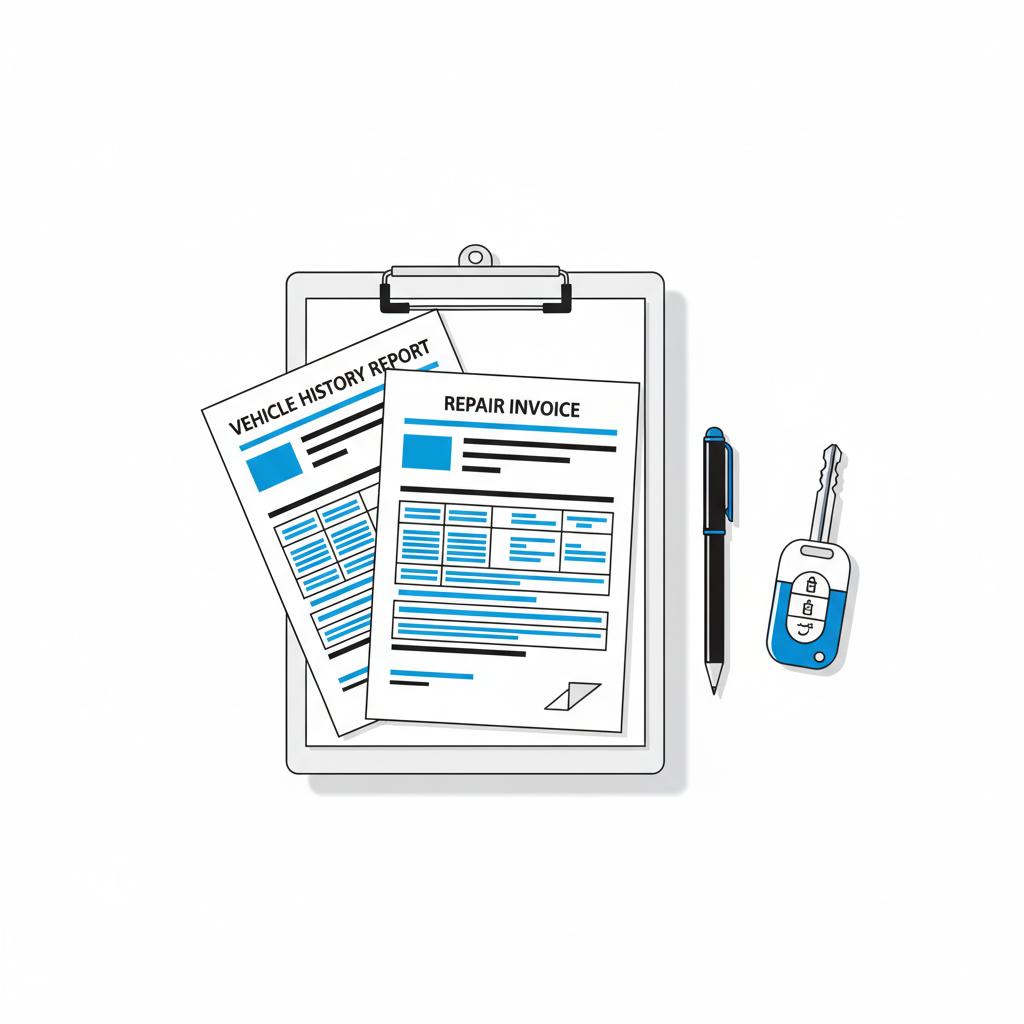
Obtain a vehicle history report for every truck you seriously consider. Check title status, ownership history, service history, and mileage checks. These items help you spot salvage titles, multiple owners, and gaps in maintenance that increase risk CarFax Deals guidance.
How price analysis labels and local pricing context guide offers
Use price analysis labels and local pricing context as decision aids. Labels such as Great Deal, Good Deal, and Fair Deal provide relative pricing signals, but treat them as context rather than proof of condition. Compare similar listings in your area before you decide to inspect or bid.
When a listing is priced notably below local comparables, ask why. Lower price can reflect condition issues that require repair, missing records, or less desirable configurations. Factor possible repair costs into offer calculations.
Pre-purchase inspection checklist focused on AFM and oil consumption
What to look for in a vehicle history report
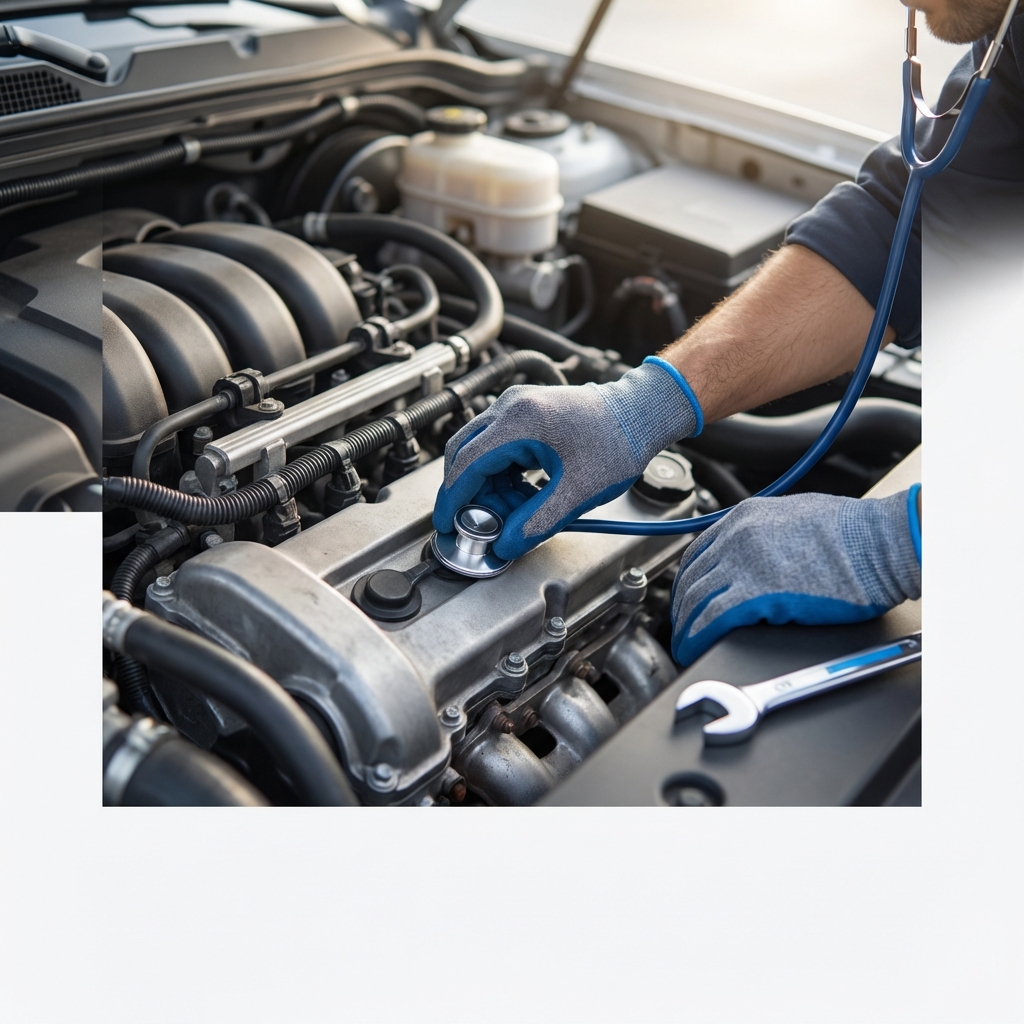
Ask a mechanic to focus on AFM symptoms and oil consumption during the inspection. A scoped inspection helps you avoid surprises and supports a conditional offer if the vehicle needs work CarFax Deals inspection guidance.
Provide targeted checks for AFM lifter and oil consumption concerns
Ask for printed results
Request a diagnostic scan and compression or cylinder balance test when the inspection finds lifter noise or misfire codes. These checks clarify whether a symptom is isolated or indicates deeper engine wear.
During the test drive, instruct the mechanic to listen at cold start, at idle, and during light throttle. Note any persistent ticking or misfire behavior and capture codes from the engine computer if present.
Walk-through of checks a mechanic should perform
Have the mechanic listen for lifter noise at cold start and idle. Ask for a recorded note or a brief description of the symptom. If the mechanic hears persistent ticking that fits AFM lifter patterns, request compression or cylinder balance testing.
Check oil level and look for signs of extraordinary consumption. Request recent oil change receipts and mileage records. If oil is low for the recorded mileage, treat that as a red flag.
What to ask for in diagnostic scans and compression tests
Ask the mechanic to provide a standard OBD-II scan report and share any stored or pending misfire codes. Cylinder-specific misfire codes or AFM-related fault codes increase the need for further tests.
Compression and cylinder balance tests help determine if a lifter issue is localized or part of wider mechanical wear. Request that results be written on the inspection report so you can compare against other listings.
Common repair paths and estimated cost ranges
Minor lifter repairs versus partial or full engine repair
AFM-related problems can sometimes be addressed with targeted lifter replacement or AFM component repairs. In those cases, work may cost substantially less than replacing the whole engine, depending on parts and labor.
If damage is more extensive, repairs can escalate to partial or full engine replacement, which is far more expensive and disruptive. Repair-cost aggregators and shop estimates show wide cost ranges, so get scoped estimates from a trusted mechanic before you commit YourMechanic valve lifter info.
Factors that drive cost: labor, parts, extent of damage
Labor rates and shop practices affect cost. The extent of internal engine damage also matters. Replacing multiple lifters, AFM modules, or doing a short block replacement each adds parts and labor that raise the price.
Ask for itemized estimates and, when possible, a limited warranty on repair work. That documentation helps you compare the cost of buying and repairing versus choosing a different listing.
How to weigh repair risk against price: practical scenarios
Scenario A: low-mileage single-owner with documented service
Example: a single-owner truck with complete service records and a clean title usually reduces uncertainty. If inspection and compression tests are clean, the premium in price can be worth the reduced repair risk CarFax Deals guidance.
Still verify that the engine configuration is non-AFM or that recent AFM-related repairs are documented with receipts. Confirm the repair scope with a mechanic if maintenance notes reference work on lifters or AFM components.
Example: a lower price with multiple owners and gaps in service history increases risk. In such cases, plan an inspection and factor potential lifter or engine repair costs into your offer if the mechanic flags AFM-related symptoms NHTSA complaints page.
If the truck shows evidence of erratic oil changes or elevated oil consumption without receipts, consider walking away or making a lower conditional offer that covers likely repair costs.
Typical mistakes buyers make and how to avoid them
One common error is skipping a dedicated AFM check on a test drive. Sellers and dealers may not mention subtle symptoms, so you must ask specifically and request that your mechanic listen for cold-start ticking and check for misfire codes CarFax Deals inspection guidance.
Another mistake is relying solely on a low asking price. A low price can reflect needed repairs, including expensive engine work. Factor probable repair scenarios into your offer and insist on documented inspections before finalizing the purchase.
How to interpret NHTSA complaints and aggregated listings for one VIN
What an NHTSA complaint entry typically includes
An NHTSA complaint entry often includes a brief symptom description, the date, and some context about how the problem presented. Use these entries to see if a symptom reported in a listing matches broader patterns reported by other owners NHTSA complaints page.
Match complaint details to the VIN when possible, and note if complaints reference similar symptoms and timeframes. Use that as a reason to prioritize compression testing and diagnostic scanning.
How to combine that with a vehicle history report
Cross-check public complaints with a vehicle history report. A history report shows title status, ownership sequence, and service records that let you place complaints in context. Complaints increase screening priority but do not replace a mechanic inspection.
Use both sources together to decide whether to proceed to a full inspection or to walk away when multiple risk signals line up for the same VIN.
A short buyer checklist you can copy and use
Three quick actions to start: obtain a vehicle history report, ask the seller for service records, and schedule a mechanic inspection that focuses on AFM symptoms and oil consumption CarFax Deals checklist.
Immediate red flags before inspection include salvage title, inconsistent oil records, and unresolved misfire codes in the vehicle history notes. If you see these, either negotiate heavily or remove the listing from consideration.
When a reported issue might still be acceptable: weighing context
Documented repairs with receipts reduce uncertainty compared with undocumented fixes. If a seller provides recent repair documentation for AFM components and a mechanic verifies the work, the truck may be acceptable at a lower price point than a similar clean-history listing RepairPal context.
Ask whether the repairs include any workmanship warranty and confirm the scope of work with an independent mechanic before relying on seller documentation for your purchase decision.
Final recommendations and next steps
Recap: focus inspections on AFM symptoms, verify service and ownership history, and use compression or diagnostic checks when lifter noise or misfire codes appear. Use complaint patterns as screening signals, not as definitive evidence CarComplaints.com reference.
Compare pricing context across local listings and condition offers on a mechanic inspection and a clear vehicle history report. If possible, prefer later model refreshes or non-AFM 5.3 configurations to lower the reported incidence of severe engine complaints.
Appendix: where to find the cited public data
Primary public sources to check are NHTSA complaint listings, aggregated complaint sites like CarComplaints, and repair-cost estimator pages for parts and service. Use these to verify patterns and to inform targeted inspections for a specific VIN NHTSA complaints page (see recent coverage here).
Keep in mind that per-VIN outcomes vary widely. Always cross-check public complaint patterns with a vehicle history report and a mechanic inspection before making a purchase decision.
Many mid-2010s 5.3L Silverados show higher volumes of AFM-related lifter complaints in aggregated public records, so prioritize inspections for those model years while verifying the specific VIN history.
Listen for repeated ticking at cold start, persistent misfire codes, and note any unusually high oil consumption. Request a diagnostic scan and compression test if these signs appear.
Possibly, if repairs are documented with receipts, verified by an independent mechanic, and reflected in a lower price compared with clean-history listings; always confirm scope and any warranty on the work.
Use the checklist and inspection steps in this article when comparing listings. Prioritize clean title, single-owner service records, and a mechanic inspection focused on AFM symptoms when a listing matches your needs.

 Blog
Blog