How many miles is too much for a used Ford Ranger? A practical guide
A focused guide for buyers assessing a used ford ranger for sale. Many well-maintained Rangers commonly reach 150,000 to 200,000 miles, but about 150,000 miles is often treated as a pragmatic high-mileage threshold. This article explains what affects Ranger longevity and gives step-by-step checks, inspection priorities, and decision rules to translate mileage into purchase risk.
A step-by-step workflow for estimating a truck's market value that centers on comparing consumer valuation tools, adjusting for mileage and condition, and checking wholesale market signals. The guide explains private-party, trade-in and dealer retail values and shows how a vehicle history report and pricing insights can change an asking price.
This guide helps research oriented buyers evaluate suv used cars for sale under $25,000 by combining safety ratings, reliability data, local pricing context, and vehicle history checks. It outlines a simple framework, a pre visit checklist, and a decision scoring worksheet so you can compare finalists before contacting a dealer. Use the steps here to narrow candidates and confirm risk signals with a vehicle history report and a pre purchase inspection.
When searching suv used cars for sale, prioritize model year, trim and powertrain before choosing a make or model. This guide explains how safety ratings, dependability studies and local pricing insights combine to produce a short list you can verify with a vehicle history report. It also provides a stepwise checklist you can use before contacting a dealer.
When you search for a used Ford Ranger, mileage jumps out immediately on any listing. Buyers often ask whether a particular odometer reading makes a Ranger a risky buy or just a truck that has more life left to give.
This article helps you translate miles into actionable next steps. It focuses on the verifiable signals that change risk: service history, title status, signs of towing or commercial use, and mechanical inspection results.
Many well-maintained Ford Rangers commonly reach 150,000 to 200,000 miles, but 150,000 miles is a pragmatic threshold for closer inspection.
Documented maintenance and a mechanic inspection are more predictive of remaining life than mileage alone.
Check recall and complaint histories for the exact model year and powertrain before committing to a high-mileage purchase.
Quick answer: When mileage becomes a meaningful risk
Short take
If you are looking at a used ford ranger for sale, the short, practical answer is conditional: many well-maintained Rangers commonly reach 150,000 to 200,000 miles, and some exceed 200,000 miles when regularly serviced, but roughly 150,000 miles is a pragmatic threshold where buyer caution typically increases RepairPal Ford Ranger reliability.
Mileage alone is rarely decisive. Expected remaining life depends heavily on maintenance history, model year, and whether the truck saw heavy towing or commercial duty J.D. Power dependability study.
Mileage tends to matter more once key service intervals have passed or when major components approach typical replacement windows, so evaluate odometer readings together with documented maintenance and any evidence of past major repairs RepairPal Ford Ranger reliability.
used ford ranger for sale
When comparing listings, use mileage as a starting filter but not the final decision: compare similar local listings and pricing context to see whether a higher-mileage Ranger is priced to reflect potential near-term work iSeeCars longevity analysis.
What determines a Ford Ranger's useful life
Key mechanical and use factors
Several mechanical and use-related factors drive how long a Ranger lasts. Engine and transmission design, the chosen powertrain, and whether the truck saw heavy towing or frequent short trips all matter and change expected repair patterns RepairPal Ford Ranger reliability.
Model year matters because particular years sometimes used engines or transmissions with higher complaint rates; checking complaint and recall histories for the exact model year helps identify concentrated risk NHTSA vehicle overview.
How maintenance changes the curve
Consistent, documented maintenance is one of the strongest predictors that a Ranger will exceed typical mileage expectations with lower repair costs, so a complete service history substantially reduces uncertainty when miles are high J.D. Power dependability study.
Absence of service records, missed oil changes, or evidence of deferred repairs accelerates wear on the drivetrain and undercarriage and increases the chance that mileage reflects harder use rather than careful ownership Edmunds inspection guidance.
Mileage bands buyers commonly use and what they mean
Under 100,000 miles: what to expect
Under 100,000 miles is commonly seen as a lower-mileage comfort zone for many buyers; within this band, standard inspections usually focus on routine wear items and scheduled maintenance items rather than immediate major repairs Consumer Reports Ford Ranger overview.
Test-driving and service verification remain important even at lower miles, because a truck might have a service gap, title issue, or undisclosed heavy use that odometer alone does not reveal Edmunds inspection guidance.
There is no single cutoff, but roughly 150,000 miles is a pragmatic threshold for increased scrutiny; focus on maintenance records, title status, and a pre-purchase inspection to judge any specific truck.
100,000 to 150,000: midpoint trade-offs
In the 100,000 to 150,000 range buyers balance remaining life against likely pending wear items such as brakes, suspension bushings, and potential transmission service depending on the powertrain; documented, regular service makes these trucks more attractive iSeeCars longevity analysis.
Here, comparing local listings and pricing context is important: a well-documented Ranger priced slightly higher may be a better value than a lower-priced truck with unclear history iSeeCars longevity analysis.
150,000+ miles: when to dig deeper
Above roughly 150,000 miles, many buyers consider the truck high mileage and increase inspection depth; while many Rangers exceed this threshold and remain useful, the odds of near-term major repairs rise unless the vehicle has a strong maintenance history RepairPal Ford Ranger reliability.
At these miles, prioritize confirming service intervals, looking for evidence of engine or transmission work, and checking for structural issues like frame or bed rust before making an offer NHTSA vehicle overview.
Powertrain and model-year issues to check before you buy
Which engines and transmissions have more reports
Certain engines and transmissions used across Ranger model years have higher complaint rates; identify the exact engine and transmission code for the listing and compare that to model-specific reports to see if the combination has recurring issues RepairPal Ford Ranger reliability.
If a powertrain variant has notable repair frequency, confirm whether major components were replaced or rebuilt, because documented replacements can materially change remaining-life expectations Consumer Reports Ford Ranger overview.
How recalls and complaints change risk
Use official recall and complaint databases to spot clustered issues by model year or configuration: a model year with several safety recalls or many complaints may carry higher long-term repair risk even at moderate miles NHTSA vehicle overview.
When you find recalls or history of repeated complaints for a model year, ask for repair records that show whether recall or repair campaigns were completed and whether any non-recall repairs involved major assemblies RepairPal Ford Ranger reliability.
Pre-purchase inspection checklist for high-mileage Rangers
Documents to collect before inspection
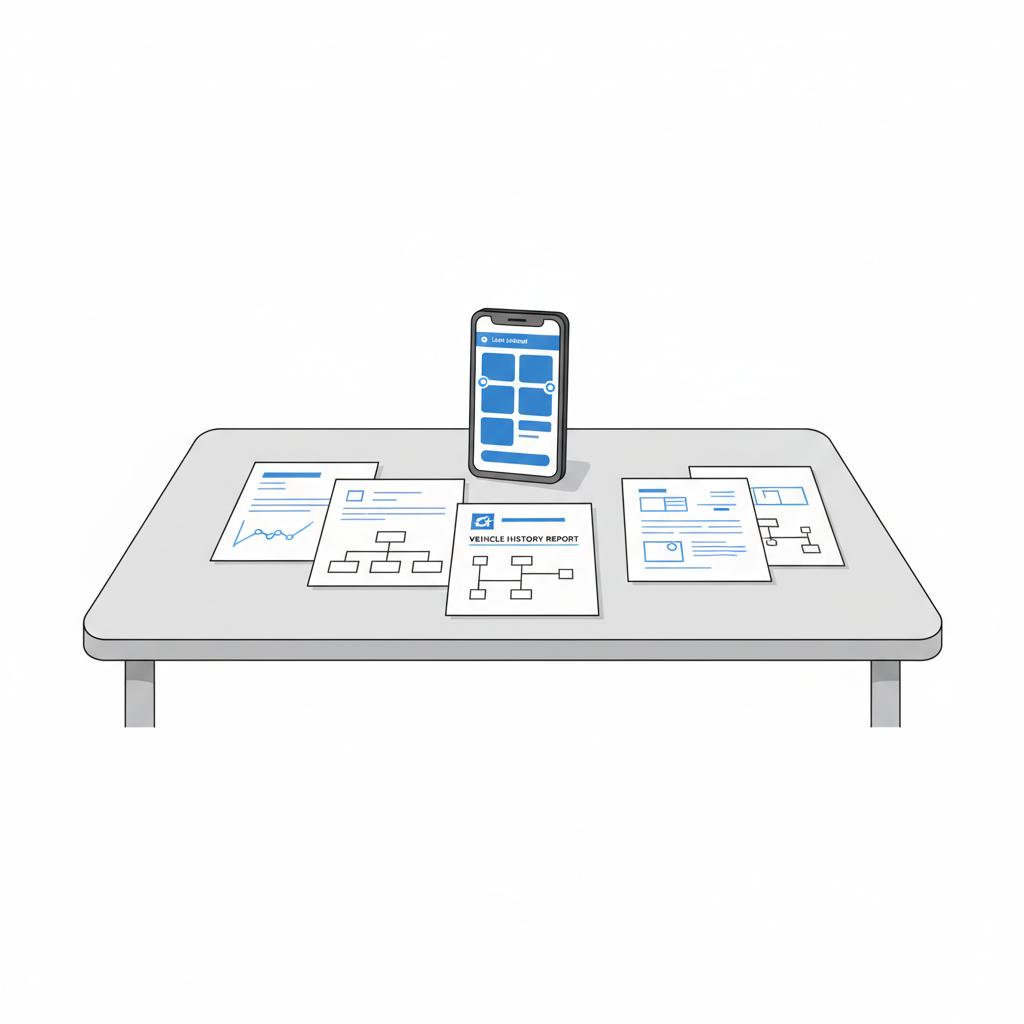
Before any in-person inspection, collect a full vehicle history report, all available service records, and a clear statement of title status, including any reported odometer events or title brands Edmunds inspection guidance.
Confirming title status and reported events up front reduces the chance of surprise issues that materially change value, such as salvage or rebuilt title histories NHTSA vehicle overview.
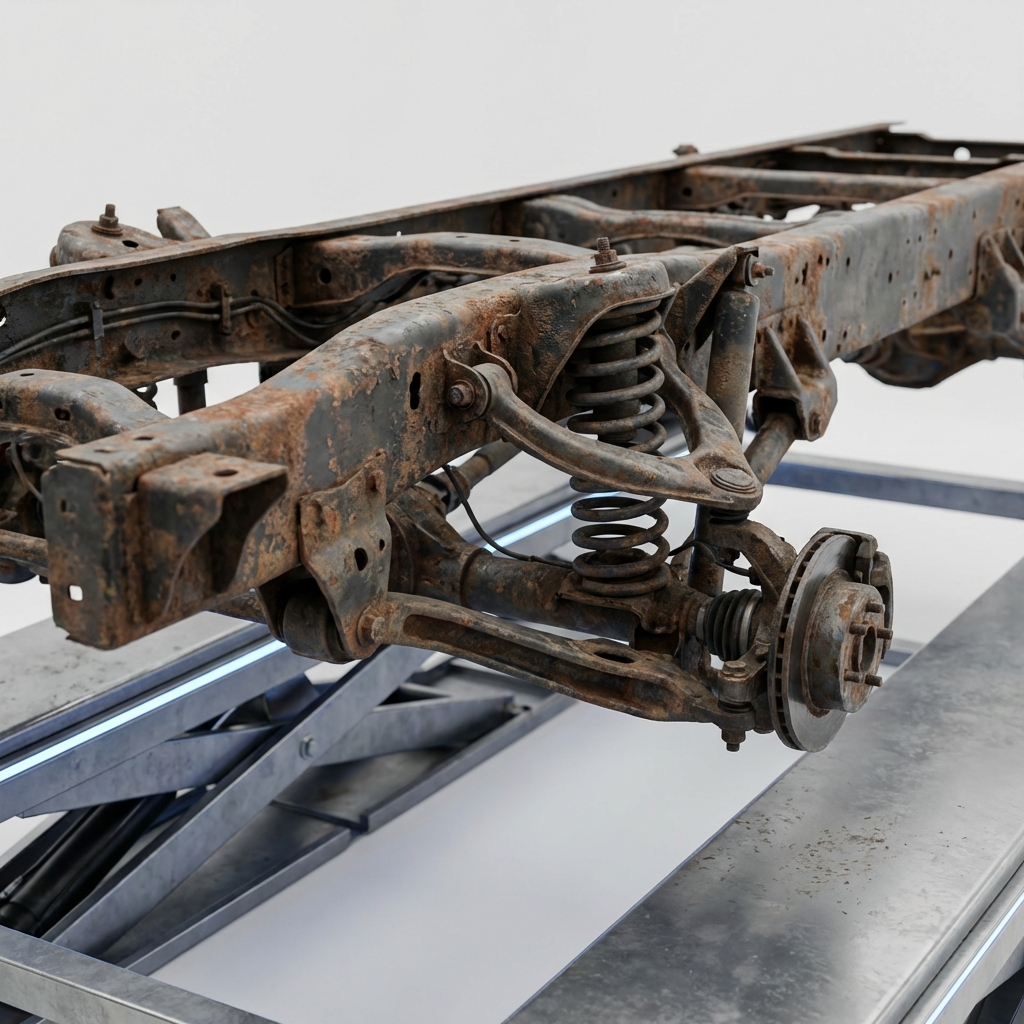
On the lift or during walkaround, check frame and bed for structural rust or previous repairs, inspect suspension mounts and bushings, look for oil or coolant leaks, and observe transmission shifting behavior during a test drive Edmunds inspection guidance.
Look for signs of heavy towing or commercial use such as oversized hitch hardware, trailer wiring modifications, or evidence of overloaded springs, because towing history accelerates driveline and frame wear NHTSA vehicle overview.
What to expect from a mechanic
Ask a mechanic to run compression tests, a transmission service check, and a lift inspection focused on frame integrity and suspension wear; their report should list immediate recommended repairs, estimated costs, and a judgement on near-term reliability Edmunds inspection guidance.
Major repairs such as engine or transmission replacement, if documented and done with quality parts and records, can make a high-mileage Ranger acceptable, but the replacement history should be verified with invoices and inspected for workmanship RepairPal Ford Ranger reliability.
Maintenance history, dependability studies and ownership cost signals
Why documented service matters
Documented, regular maintenance - oil changes, scheduled services, and timely repairs - is associated with longer Ranger life and lower unexpected repair costs, making service history a primary factor when evaluating high-mileage listings J.D. Power dependability study.
When service records are sparse, consider the risk of deferred maintenance and budget for likely immediates such as brakes, tires, and fluids, plus potential midlife items unique to the Ranger's powertrain RepairPal Ford Ranger reliability.
Use local pricing context and price analysis labels where available to estimate immediate depreciation and to set a realistic budget for expected maintenance in the first year after purchase iSeeCars longevity analysis.
Common red flags and buyer mistakes with high-mileage Rangers
Title, odometer and commercial-use red flags
Top red flags include salvage or rebuilt titles, odometer inconsistencies, and evidence of fleet or heavy commercial use; any of these should prompt stronger scrutiny or walking away depending on pricing and repair needs NHTSA vehicle overview.
Frame rust or signs of structural repair under the bed or at the frame rails is a major concern for trucks because it affects safety and long-term value, so prioritize lift inspections that confirm frame integrity Edmunds inspection guidance.
quick VIN and mileage cross-check to prioritize inspections
Use this before scheduling a mechanic
Errors buyers often make
Common mistakes include relying on mileage alone, skipping a professional mechanic check, and ignoring recalls or complaint searches; each increases the chance of unexpected repair costs after purchase Edmunds inspection guidance.
When a red flag appears, practical remediation steps are to request supporting records, get a specialist inspection, and compare similar local listings to confirm market pricing for the risk involved iSeeCars longevity analysis.
Practical scenarios: what to do at different mileages
If a Ranger is under 100,000 miles
Action: request service records, verify title status, and do a routine mechanical inspection; budget for standard wear items and confirm timing belt or chain service intervals if applicable Consumer Reports Ford Ranger overview.
Test-drive cues to watch for include smooth shifting, no abnormal noises from the engine or transmission, and steady cooling performance; these signs lower short-term repair risk Edmunds inspection guidance.
If it is 100,000 to 150,000 miles
Action: increase inspection depth to include a lift check and transmission assessment, verify service history for major scheduled services, and budget for brakes, tires, and suspension bushings iSeeCars longevity analysis.
Ask the seller about towing history and request proof of any towing-related repairs because towing can shift service priorities and shorten some component lifespans NHTSA vehicle overview.
If it is 150,000 to 200,000+ miles
Action: require complete service records, insist on a detailed mechanic report, and verify any major component replacements; documented engine or transmission work can make a high-mileage truck reasonable if well done RepairPal Ford Ranger reliability.
Budget realistically for near-term items and potential midlife repairs. If records are limited or the mechanic flags frame or driveline issues, the safest option is to walk away or negotiate a price that reflects probable repairs iSeeCars longevity analysis.
How to decide: a simple framework and next steps
A quick go/no-go checklist
Three-step rule: verify the vehicle history report and title status, confirm consistent maintenance and any major repairs, and weigh remaining cost-to-own against local pricing and expected repairs Edmunds inspection guidance.
Use pricing insights and dealer transparency signals to prioritize which listings to inspect first, and keep CarFax Deals as a neutral verification layer to compare service history context and price analysis labels when available.
How to use listings and pricing labels in your decision
Next steps: order a vehicle history report for the VIN, schedule a mechanic inspection, and compare similar local listings to set your target price and repair budget before making an offer iSeeCars longevity analysis.
Not automatically. Many Rangers reach 150,000 miles or more when well maintained, but a complete service history and a mechanic inspection are necessary to assess remaining life.
Request a full vehicle history report, all service records, and a clear title status. These documents help verify maintenance and reveal odometer or title events.
Yes, if replacements are documented with invoices and inspected for quality. Replacement history changes expected remaining life but should be verified carefully.
Mileage is a useful filter but not a final verdict. For many buyers, a well-documented Ranger over 150,000 miles can still be a solid choice when maintenance, title status, and inspection results check out.
Order a vehicle history report, gather records, and get a professional inspection to convert mileage into a clear buying decision.


 Blog
Blog