Which Corolla years have engine problems? A practical guide
The Toyota Corolla is broadly reliable, but aggregated complaint databases and safety records show engine-related clusters in specific model years. This guide explains which year ranges attract more engine complaints, what symptoms and root causes to watch for, and practical inspection and decision steps to use when you find a used toyota corolla for sale.
A step-by-step workflow for estimating a truck's market value that centers on comparing consumer valuation tools, adjusting for mileage and condition, and checking wholesale market signals. The guide explains private-party, trade-in and dealer retail values and shows how a vehicle history report and pricing insights can change an asking price.
This guide helps research oriented buyers evaluate suv used cars for sale under $25,000 by combining safety ratings, reliability data, local pricing context, and vehicle history checks. It outlines a simple framework, a pre visit checklist, and a decision scoring worksheet so you can compare finalists before contacting a dealer. Use the steps here to narrow candidates and confirm risk signals with a vehicle history report and a pre purchase inspection.
When searching suv used cars for sale, prioritize model year, trim and powertrain before choosing a make or model. This guide explains how safety ratings, dependability studies and local pricing insights combine to produce a short list you can verify with a vehicle history report. It also provides a stepwise checklist you can use before contacting a dealer.
If you are shopping for a used Corolla, one common question is whether certain years are more likely to have engine problems. This guide summarizes where owner complaints and official records align, what symptoms to watch for during an inspection, and how to use a vehicle history report and pricing context to make a decision. The goal is to help you reduce uncertainty and evaluate listings with practical checks rather than rely on model reputation alone.
Corolla is generally reliable, but some model-year clusters show elevated engine complaints.
The 2009-2011 era is repeatedly mentioned for oil-consumption reports; inspect service records and test for blue smoke.
Use a vehicle history report, an OBD-II scan, and a pre-purchase inspection to reduce risk before buying.
Quick answer: Is the Corolla generally reliable and which years show more engine complaints?
The Toyota Corolla remains broadly reliable overall, but certain model years show concentrated engine complaints. If you are shopping for a used toyota corolla for sale, treat model-year signals as an input, not a final verdict, and combine them with inspections and a vehicle history report.
Some early 2000s generations and the late 2000s to early 2010s, especially 2009-2011, show concentrated engine complaints; use inspections and a vehicle history report to assess individual cars.
Across aggregated owner complaint sites and official records, problem reports are clustered by generation and by specific engine families rather than spread evenly across every Corolla year. For brand-level context and recall confirmations, consult the NHTSA records and industry dependability studies to see where complaints line up with recalls or investigations. NHTSA recalls and investigations
This article uses NHTSA listings, aggregator sites, and dependability study context to identify year ranges with elevated engine-related symptoms, show common causes, and give a practical inspection and decision workflow for buyers. Exact failure rates per 10,000 vehicles require deeper VIN-level queries or aggregated trade databases, so use a history report and a mechanic check when a listing raises concern.
How analysts and complaint databases identify problem clusters
Complaint aggregators collect owner-reported symptoms, timelines, and repair narratives that reveal where owners repeatedly report the same problem. Sites that aggregate reports show patterns such as frequent oil consumption or repeated oil-leak reports in certain year ranges, which helps point to concentrated trouble spots rather than a line-wide failure. RepairPal problems and reliability listings
NHTSA recall and investigation listings provide an official record that can confirm when a pattern reaches the level of a recall or formal probe. Use NHTSA to verify whether a model year or component had an action or an open investigation; that adds weight to owner reports when both sources align. NHTSA recalls and investigations
Run a vehicle history report before you visit the seller
Before you visit a seller, check official recall listings and run a vehicle history report to confirm service entries and title status.
Dependability studies such as J.D. Power’s vehicle dependability data give brand-level perspective. Corolla tends to score well overall in dependability, which means elevated engine complaint rates are concentrated in particular years and engines rather than affecting the entire model run. Use dependability data as context, then drill into complaint clusters for the years you are considering. J.D. Power 2024 VDS
Common engine symptoms reported by Corolla owners
Owners commonly report excessive oil consumption. Typical signs include frequent oil top-offs between services and a visible drop in oil level over short periods. If you see this symptom on a test drive or it is reported in service history, treat it as a meaningful risk signal. RepairPal problems and reliability listings
Other repeated symptoms are blue smoke on startup or during acceleration, oil leaks beneath the engine bay, and check-engine codes related to misfire or oil control. These symptoms often appear in owner reports and repair-case summaries and should be part of your pre-purchase checklist. CarComplaints Toyota Corolla reports
Common root causes behind reported engine problems
Valve cover and gasket leaks are a common, visible cause of oil loss and external leakage. These leaks often present as oil residue around the top of the engine and can be inexpensive to repair if caught early. When you see oil around valve covers, request receipts for any gasket work and note whether repairs are recent. RepairPal problems and reliability listings
PCV system failures and piston-ring wear are cited repeatedly in repair references as causes of internal oil burning and blue smoke. Piston-ring wear leads to oil entering the combustion chamber, which produces blue smoke and steady oil consumption, while PCV failures can pressurize the crankcase and aggravate leaks. Service history and mileage materially affect these mechanisms. Consumer Reports Toyota Corolla reliability
Model-year clusters to watch when you search for a used Toyota Corolla for sale
Aggregated sources and repair references point to clusters in earlier 2000s generations and again in the late 2000s to early 2010s, rather than a uniform problem across all years. These clusters appear in owner complaints and repair guides and deserve extra scrutiny when you encounter a listing from those ranges. RepairPal problems and reliability listings
The 2009 to 2011 era is repeatedly mentioned in owner and repair databases for elevated oil consumption reports, blue smoke, and related check-engine codes. When a listing from those years shows oil-related symptoms or lacks clear service records, prioritize a mechanic inspection and a history check. CarComplaints Toyota Corolla reports
Interpreting model generation versus model year matters: a generation design can span multiple model years and share engines, so complaints tied to a generation may affect several adjacent years. Always cross-check the exact engine code and trim rather than relying solely on the model year label.
How maintenance and prior ownership change the risk profile
Regular oil changes and consistent documented maintenance reduce the odds of oil-consumption failures and limit wear that leads to expensive engine work. A listing with well-documented service history is materially less risky than the same year car with unknown or spotty records. Consumer Reports Toyota Corolla reliability
Prior ownership patterns matter: single-owner cars with routine service entries are preferable to vehicles with unknown ownership or gaps in recorded maintenance. Use the vehicle history report to confirm ownership history and reported services when available. RepairPal problems and reliability listings
Inspection checklist: what to check in person and what to verify on reports
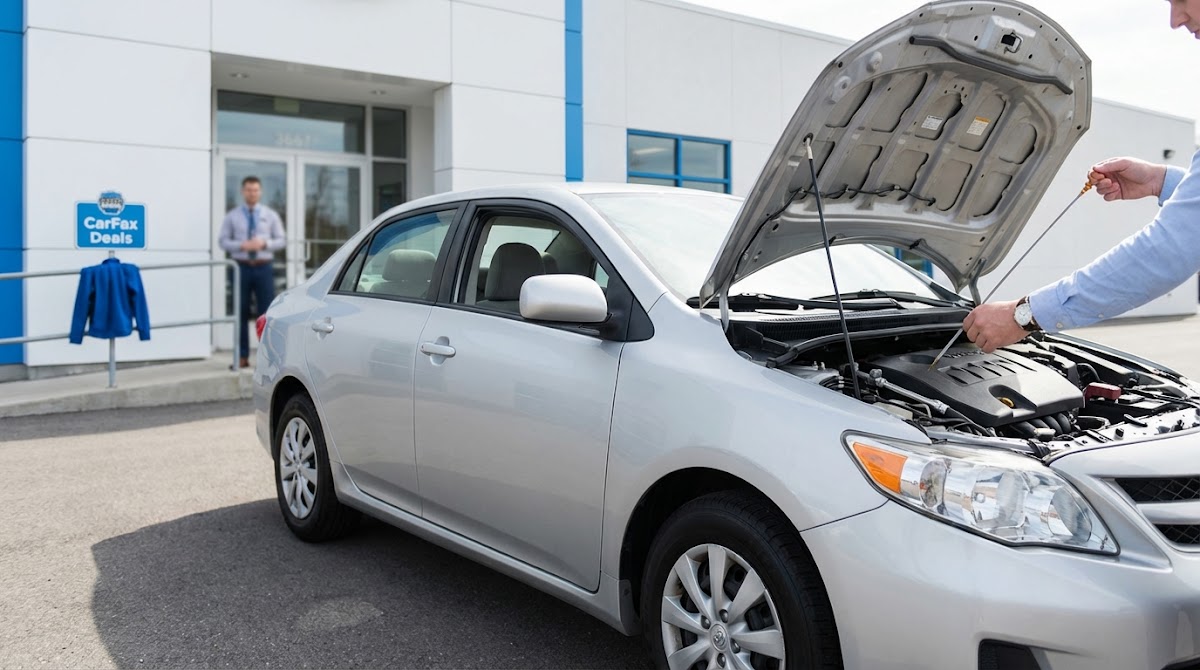
Walk the car and do a basic visual check. With the engine cold, inspect the valve cover area for oil residue, look underneath for fresh drips, and note the oil level and color on the dipstick. These simple observations can quickly raise or lower concern about oil leakage or consumption. Consumer Reports Toyota Corolla reliability
During the test drive, watch for blue smoke at startup and under acceleration, and listen for uneven running or misfire-type symptoms. Ask the seller for recent service receipts and whether any PCV, valve cover, or gasket work was performed. If possible, request an OBD-II scan to check stored codes before buying. RepairPal problems and reliability listings
Quick tools to support a buyer inspection for engine issues
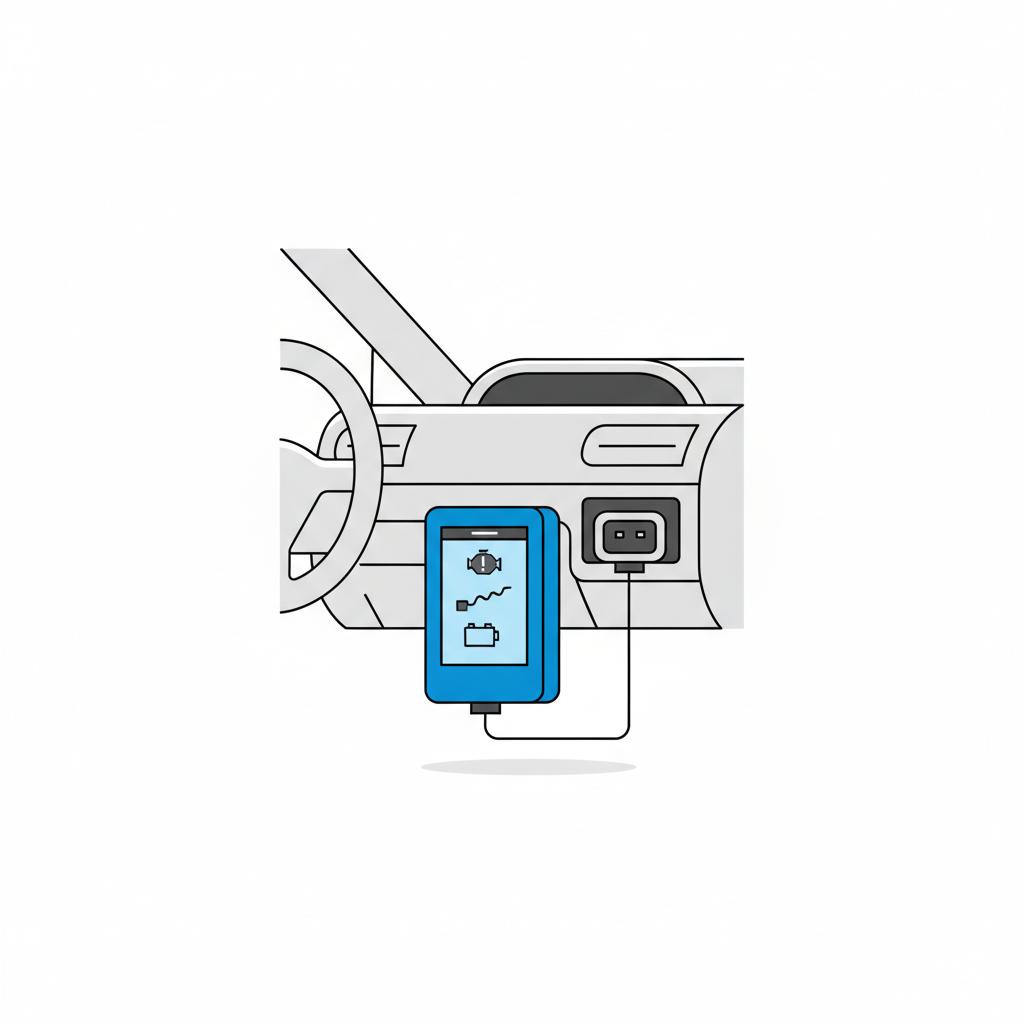
Use an OBD-II read for stored codes
Verify service entries on a vehicle history report and match receipts to reported dates. Confirm title status and ownership history to reduce risk. If the report shows regular oil changes and recent gasket or PCV repairs with receipts, that changes the evaluation significantly.
How to use a vehicle history report and pricing insights to decide
Use the history report to confirm title status, ownership history, and reported service entries. A verified service entry for oil-system repairs or recent gasket work is strong evidence that a prior issue was addressed. Cross-check dates and mileage when possible. Run CarFax Report
Price analysis labels and market pricing give context but do not replace mechanical checks. A fair or great deal label can justify pursuing the car for inspection, while an overpriced listing with service gaps or engine symptoms is a clearer pass. Use history plus pricing to set a decision threshold before spending on an inspection. Edmunds Toyota Corolla buying guide
Expected repair costs and common repair scenarios
Lower-cost fixes such as valve cover gasket replacement or PCV service typically run in the low hundreds of dollars, depending on labor rates and whether associated seals were changed, and they are often a good sign if already completed and documented. RepairPal problems and reliability listings
More serious outcomes like piston-ring repairs, top-end work, or head machining can climb into the thousands depending on labor and extent of damage, so if symptoms suggest internal wear, a professional inspection and estimate are crucial before purchase. Edmunds Toyota Corolla buying guide
A short decision framework: buy, consider with caution, or avoid
Avoid listings that show hard red flags: documented recurring oil consumption without repair receipts, visible oil leaks, blue smoke on test drive, multiple NHTSA complaints tied to the year or VIN, or missing service records. These are strong signals to walk away or require a mechanic report. NHTSA recalls and investigations
Consider with caution when the car is from a flagged year but has strong maintenance documentation, recent gasket/PCV work with receipts, and a fair price that accounts for potential future repairs. In that case, get a pre-purchase mechanical inspection and an OBD-II read before negotiating. RepairPal problems and reliability listings
Common buyer mistakes and how to avoid them
Do not assume a Corolla’s reputation eliminates the need for checks. Skipping service verification or a basic engine inspection because the model is generally reliable can lead to unexpected repair costs. Request receipts and run a history report to verify claims. Consumer Reports Toyota Corolla reliability
Another common error is relying only on the listed price or market label without matching it to the car’s condition and maintenance history. Use price analysis labels as context and have a checklist to verify the mechanical condition before committing. Edmunds Toyota Corolla buying guide
Short example scenarios: three used Corolla listings and how to evaluate them
Scenario 1: 2009 Corolla with detailed service records. If receipts show regular oil changes and a recent valve cover gasket and PCV service, and the test drive is clean with no smoke, this listing is worth pursuing with a standard pre-purchase inspection. Confirm entries on the vehicle history report. RepairPal problems and reliability listings
Scenario 2: 2012 Corolla with intermittent oil smell. If the seller reports occasional oil smell and the dipstick shows low oil without recent service entries, insist on an OBD-II scan and a mechanic inspection. The smell plus missing records raises the probability of internal wear. CarComplaints Toyota Corolla reports
Scenario 3: early 2000s Corolla with unknown history. Older Corollas can be reliable, but unknown maintenance increases risk. For these cars, factor likely service needs into your offer and require a thorough inspection and a clear title status on the history report. NHTSA recalls and investigations
After the purchase: monitoring and maintenance that reduce long-term risk
If history is incomplete, start with an immediate oil and filter change and then monitor oil levels weekly for the first month. Logging oil consumption early helps detect problems before they become expensive. RepairPal problems and reliability listings
Schedule inspections for valve cover seals and PCV components if you notice rising oil consumption or smoke. Regular oil changes and prompt attention to minor leaks will keep repair costs lower over time. Consumer Reports Toyota Corolla reliability
Wrap-up: how to use model-year signals without overreacting
Key takeaway: Corolla is generally reliable, but certain model-year clusters show elevated engine complaints; use that signal to decide whether to dig deeper, not to reject every car from those years outright. Combine NHTSA checks, aggregator reports, and a vehicle history report to get a full picture. NHTSA recalls and investigations
Next steps when you find a promising listing: run a vehicle history report, follow the inspection checklist, and get a mechanic inspection if the history or symptoms are concerning. With careful checks, many Corollas remain strong candidates for used buyers. Run CarFax Report
Aggregated owner reports and repair references most often flag early 2000s generations and the late 2000s to early 2010s, with the 2009-2011 era repeatedly noted for oil consumption symptoms.
Check oil level and color, look for blue smoke or oil leaks, ask for recent service receipts, and request a vehicle history report and an OBD-II scan before purchase.
Yes. Consistent service records, recent gasket or PCV repairs with receipts, and a pre-purchase inspection can materially reduce risk even for years with higher complaint rates.
Model-year signals are helpful but not decisive on their own. Run a vehicle history report, verify service receipts, perform the inspection checklist, and get a mechanic opinion if needed. Those steps turn a model-year flag into manageable information rather than a deal breaker.

 Blog
Blog