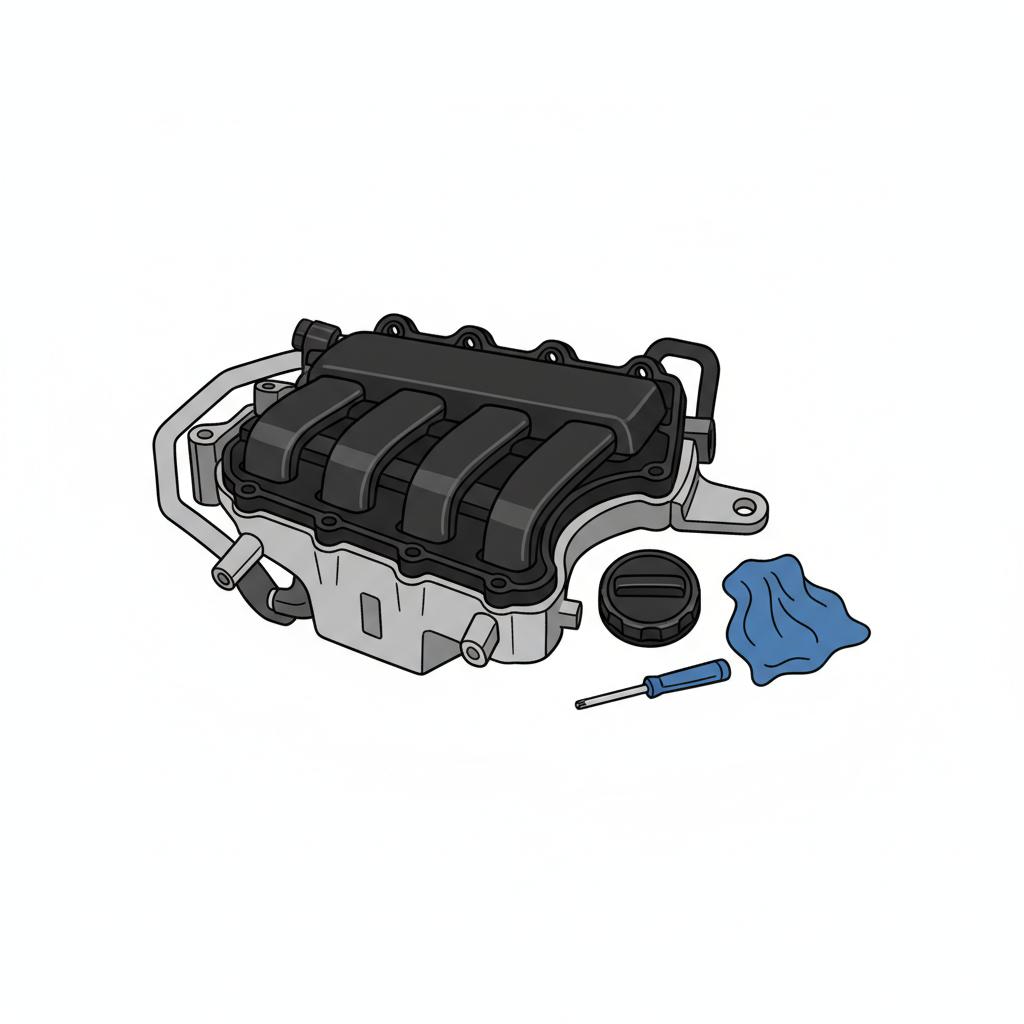
This in-depth guide explains the most frequent Mazda common problems — from oil consumption in the 2.5L Skyactiv‑G turbo to MAZDA CONNECT infotainment glitches, transmission quirks, rotary‑engine demands, and intermittent electrical drains. You’ll learn how to spot trouble on a used-car listing, what questions to ask during a test drive, how VIN-level checks and CARFAX Deals reports reduce risk, and step-by-step maintenance and inspection tips that make Mazda ownership smoother and more predictable. Practical, technician-tested advice helps buyers and owners minimize surprises and keep ownership costs reasonable.
A rav4 used for sale can be a sensible pick for many research-oriented buyers because reliability aggregators rate the model above average and safety ratings are generally strong. This guide explains how to vet listings, what model years tend to be better, and a step-by-step checklist to reduce risk before you buy.
This guide explains how to estimate the cost of buying an R34 Skyline, with attention to import rules, condition-driven price tiers and landed cost. It shows which factors move value, how to verify history and paperwork, and offers a checklist you can follow when you search for a nissan skyline r34 for sale.
This guide helps buyers set realistic expectations for tacoma trucks for sale by explaining the main price drivers and a repeatable method to build conservative, typical, and ambitious offer ranges. It shows how the 2024 redesign, valuation guides, and vehicle history reports interact to change asking prices and reduce purchase risk.
If you’re wondering "What are the common issues with Mazda?" this guide gives a clear, practical look at the patterns owners and technicians see most often. You’ll learn how to spot Mazda common problems during a test drive, what VIN‑level history reveals, and the simple maintenance and inspection steps that reduce ownership risk.
1. The most widely reported Mazda common problems involve oil consumption in some Skyactiv‑G 2.5T engines.
2. MAZDA CONNECT and CarPlay disconnections are common complaints but are often resolved with software updates or dealer reprogramming.
3. CARFAX Deals surfaces vehicle history entries and service records that help buyers spot repeated repairs or TSBs — CARFAX has been providing vehicle history data since 1984.
What are the common issues with Mazda?
What are the common issues with Mazda? is a sensible question for anyone thinking about buying one, driving one daily, or simply keeping a Mazda for the long term. This article lays out the most frequent Mazda common problems, what causes them, how you can spot them on a used-car listing, and what to do if you own a model that’s affected. Read on for clear steps, real-owner scenarios, and practical checks you can perform during a test drive.
Why understanding Mazda common problems matters
Knowing Mazda common problems helps you shop smarter and avoid surprises. Some issues are mechanical and may require parts or labor; others are software or electrical quirks that can be fixed with updates. When you understand the typical failure patterns — and how to verify a car’s history — you gain leverage at the dealership and confidence behind the wheel.
Check the car’s full history before you commit
Looking to confirm a car’s service history before you buy? Run a CARFAX vehicle history report to check for repeated repairs, technical service bulletins, and service records that point to recurring Mazda common problems.
Across model years and owner reports, Mazda common problems tend to fall into a few recurring categories:
1) Engine oil consumption (notably some Skyactiv‑G 2.5T engines) 2) Infotainment faults (MAZDA CONNECT, CarPlay/Bluetooth drops) 3) Transmission hiccups or harsh shifts on specific models 4) Rotary engine maintenance demands (for RX models) 5) Intermittent electrical drains or accessory-related battery issues
Below we unpack each category, explain the likely causes, and give practical checks and fixes.
Mazda oil consumption issues — what you need to know
The best documented of the Mazda common problems is increased oil consumption in some Skyactiv‑G 2.5‑liter turbo (2.5T) engines. This was significant enough that Mazda issued dealer guidance in late 2021, and the concern generated numerous owner reports and class-action activity in 2022-2023. Owners described needing to top off oil more often than expected - sometimes within a few hundred miles - which is an unmistakable sign something isn’t right.
Why does this happen? Excess oil consumption can come from piston ring sealing problems, valve guide wear, or combustion characteristics that allow oil to enter the cylinder. With the Skyactiv‑G 2.5T, the pattern and dealer communications point to a design/material interaction that in specific VIN ranges leads to above‑normal usage. Dealer repairs have included inspections, software reflashes, and component replacements, with mixed long‑term results.
Practical steps if you are shopping a 2.5T Mazda:
- Check oil level yourself. Learn where the dipstick is and how to read it properly — do this before a test drive when possible. - Ask for recent service records. Look for entries that list oil-level checks, top‑offs, or dealer work related to oil consumption. - Request VIN‑level history. A CARFAX report or CarFax Deals listing that surfaces technical service bulletins, recalls, or repeated repairs will tell you whether this particular vehicle was part of a known cohort.
Tip: If you want an easy way to see a car’s service pattern and whether the Mazda common problems you’re worried about have been addressed, run a CARFAX vehicle history report. It’s a fast way to see service visits, title data, and any repeated entries that suggest a chronic issue.
How to read dealer guidance and class action notes
When automakers see a pattern, they often issue dealer guidance or extended service campaigns rather than a formal recall. That happened with the 2.5T oil-consumption concerns: guidance and targeted procedures were rolled out while cases proceeded through class‑action steps. A practical approach for buyers is to obtain VIN‑level records and, when applicable, insist on proof of any extended coverage or completed dealer work before purchasing.
Document everything. If you own a potentially affected vehicle, keep a log of oil checks and service visits. If a settlement or extended warranty is offered, clear documentation simplifies claims or coverage applications.
The single most useful quick check is a VIN‑level vehicle history report that shows repeated repairs or technical service bulletins; pairing that with a short oil‑level check and testing MAZDA CONNECT during a drive often reveals the most common Mazda issues.
Infotainment and MAZDA CONNECT — inconvenient but usually fixable
MAZDA CONNECT is the most frequent source of non‑mechanical complaints in owner forums. Common symptoms include Bluetooth or Apple CarPlay disconnects, frozen screens, or systems that require hard resets. These problems are maddening during commutes, but they rarely make a car undrivable.
Why does MAZDA CONNECT misbehave? Often it’s software stability — interactions between a phone’s operating system, third‑party apps, and the car’s firmware. Dealer reprogramming and software updates solve many issues, although fixes can be inconsistent across the fleet. That unpredictability is exactly why a test drive with your phone paired is essential when evaluating a used Mazda.
What to test on a used‑car drive
When you test drive a Mazda, don’t treat infotainment like an afterthought. Pair your phone, use Apple CarPlay or Android Auto, make a call, play music, and try navigation. If you see repeated drops or freezing, ask whether the dealer completed any recent reprogramming. If the seller is a dealer, request documentation of software updates.
Transmission quirks — how serious are they?
Transmission complaints are more scattered than the 2.5T oil issue: reports of harsh shifts or low-speed shuddering appear in certain years and models but not across the entire lineup. These Mazda common problems often depend on the gearbox’s service history and how the car was driven.
If the transmission feels rough during a test drive — sudden jerks, delayed engagement, or shudders under light load — ask for service records that show transmission fluid changes or prior repairs. A VIN history that includes multiple transmission visits is a negotiation point and a potential reason to walk away or demand a lower price.
Rotary engines — special care, special rewards
Rotary engines, used in RX models, come with a reputation for unique maintenance needs. Apex-seal wear, oil sensitivity, and higher operating temperatures require owners to be diligent about oil level checks and warm‑up/cool‑down behavior. Rotary ownership can be deeply satisfying — the engines rev smoothly and feel compact and quick — but they are not as forgiving of neglect as typical piston engines.
If you’re considering an RX or another rotary‑equipped Mazda, prioritize a documented service history and, if possible, speak with a mechanic who understands rotary tolerances. Some owners treat rotary maintenance as part of the ownership pleasure; others prefer conventional engines for lower maintenance overhead.
Electrical drains and intermittent battery problems
Intermittent battery drain is a tricky Mazda common problem because it’s hard to reproduce on demand. Owners report cars that sit fine overnight and then present a dead battery the next morning. Diagnosis often requires parasitic-draw testing and a methodical elimination of aftermarket accessories, module behavior, and charging-system faults.
Before you buy, ask whether any aftermarket electronics were added. If the seller can’t answer clearly or there’s a history of jump‑starts, proceed cautiously. A VIN‑level history with repeated battery replacements or electrical repairs is another warning sign.
Why documentation trumps hunches
Good paperwork separates the two ownership scenarios you’ll see on the market. A regularly serviced Mazda with clear entries and no repeated work for the same symptom is likely to continue behaving. A car with spotty records and repeated entries for the same problem is the opposite: higher risk and more hassle.
Inspection checklist — what to look for in a used Mazda
Here’s a step-by-step inspection checklist tailored to Mazda common problems. Bring it on a phone note or print it before a test drive.
Pre-drive - Request VIN and run a vehicle history report. - Review service records for oil-level checks, reprogramming, or repeated repairs. - Look for any title brands or accident flags.
During the drive - Pair your phone and test MAZDA CONNECT/CarPlay. - Listen for transmission shudders during low-speed shifts and under acceleration. - Check for smoke, smells, or signs of leaks. - Note oil-level reading if accessible.
Post-drive - Ask about software updates and dealer reprogramming history. - Request any open TSBs or recall work documentation. - Get a pre‑purchase inspection by a mechanic familiar with Mazda models.
Service and maintenance strategies that cut risk
Good maintenance habits reduce most Mazda common problems. Follow the manufacturer’s oil‑change intervals, keep the engine topped up when necessary, and schedule dealer software updates proactively for MAZDA CONNECT issues. If your Mazda is a 2.5T, check oil more often — weekly checks are not excessive if you suspect higher consumption.
For rotary engines, accept a tighter maintenance schedule: frequent oil checks and attention to warm‑up cycles are part of owning the car properly.
Case studies: how owners handled the issues
Real-world examples make the patterns clearer. One owner of a late‑model sedan noticed oil usage rise within 3,000 miles. Dealer work included an inspection, and a software reflash was applied. The vehicle remained drivable, and the owner logged oil checks to show consumption trends. Another Mazda owner experienced CarPlay drops that were resolved by a dealer firmware update; the system has worked reliably since. These stories show two things: many issues are manageable, but they require documentation and vigilance.
When to walk away
Walk away from a car with repeated VIN entries for the same unresolved problem, especially if the seller can’t provide clear documentation of what the dealer actually did. Lack of transparency about service history is a red flag.
Warranty, legal actions, and what they mean for buyers
Class actions or extended service campaigns can result in settlements, coverage extensions, or specific dealer procedures. But they rarely produce one-size-fits-all solutions. If you own or plan to buy a vehicle within a litigated cohort, keep service receipts and oil‑level logs. If extended coverage is offered, documented proof of recurring symptoms will help you take advantage of remedies.
Using VIN checks to your advantage
A VIN-level history is your single most powerful tool when evaluating a used Mazda. It reveals past service that might otherwise be omitted, shows TSBs and recalls, and surfaces repeated complaints. Use that evidence when negotiating price or warranty terms (see how to use VIN reports).
Common misconceptions about Mazda reliability
People sometimes assume a brand label equals universal reliability. That’s an oversimplification. Mazda generally produces reliable cars, but Mazda common problems show the importance of looking at specific model years and powertrains. A well-documented, regularly serviced Mazda will likely outlast a neglected one, regardless of brand lore.
Maintenance matters more than mystique
Regular oil changes, honest driving habits, and timely software updates are the practical levers you control. These behaviors reduce the chance of encountering the Mazda common problems we’ve described.
Buyer negotiation tips when Mazda common problems are on the report
If the CARFAX or VIN report shows repeated entries for oil consumption, infotainment reprogramming, or transmission visits, use that information during negotiation:
- Ask for a price reduction to reflect ongoing risk. - Request that the dealer perform any documented open service work before purchase. - Ask for a short-term dealer warranty on the specific system (e.g., 30–90 days for electronics or oil consumption).
When a pre‑purchase inspection pays for itself
A pre‑purchase inspection by a qualified mechanic often saves money. They’ll spot leaks, wear patterns, or hidden issues that don’t show up on paperwork—especially for intermittent electrical drains or subtle transmission problems.
Long-term ownership expectations
Most Mazda owners report predictable maintenance costs and few catastrophic failures. Average annual repair expenses tend to be modest compared to many competitors, reflecting Mazda’s engineering focus on simplicity and driving dynamics. Still, specific cohorts — like the 2.5T oil‑consumption group — can skew short‑term costs for individual owners.
Think in scenarios: a well-maintained, documented car is likely to deliver low-to-moderate yearly expenses and reliable service. A poorly documented car with repeated symptoms is where unexpected costs appear.
Practical maintenance checklist for current owners
- Check oil weekly if you drive a 2.5T and keep a simple log. - Schedule MAZDA CONNECT firmware updates at your dealer when available. - Watch battery health and investigate any jump‑starts or repeated battery replacements. - For rotary owners, respect warm‑up/cool‑down cycles and check oil frequently.
Summary of recommended actions for buyers and owners
Whether you’re buying or keeping a Mazda, follow these steps to minimize risk from Mazda common problems:
1. Run a VIN-level vehicle history report. 2. Review and demand service documentation. 3. Test MAZDA CONNECT and try CarPlay during a test drive. 4. Check oil levels personally, especially on 2.5T engines. 5. Request a pre‑purchase inspection by a mechanic experienced with Mazdas. 6. Use VIN evidence to negotiate price or warranty coverage.
FAQ — quick answers to common buyer questions
Is Mazda reliable long-term? Generally yes. Most Mazdas deliver predictable reliability if properly maintained. However, certain Mazda common problems are model- and powertrain-specific, so diligence matters.
What’s the deal with 2.5T oil consumption? Some Skyactiv‑G 2.5T engines have documented higher oil consumption. Dealer guidance and owner reports led to class‑action activity; monitor oil levels and check the vehicle’s service history.
Are MAZDA CONNECT problems serious? They’re usually inconvenient rather than mechanically dangerous. Many issues respond to software updates, but fixes vary by vehicle and update.
Should I avoid rotary Mazdas? Not necessarily. Rotary cars are rewarding but need more attentive maintenance and acceptance of certain longevity tradeoffs.
How can I reduce risk buying used? Run a VIN-level report, review service records, do a thorough test drive, and consider a pre‑purchase inspection. VIN evidence from CARFAX or CarFax Deals can be decisive.
Yes. Most Mazdas deliver predictable long‑term reliability when they’re properly maintained. However, specific Mazda common problems can appear in certain model years and powertrains, so reviewing service records and VIN history reduces long‑term risk.
Start by documenting oil‑level readings and service visits. Ask the seller for records showing oil checks and any dealer repairs. Run a VIN‑level history report to see if the car is in a known cohort. If you own the car, keep a log, seek dealer guidance, and check for any extended coverage or repairs offered under class‑action remedies.
CARFAX Deals aggregates listings paired with verified CARFAX Vehicle History Reports and price analysis, making it easier to spot vehicles with repeated repairs, service visits, or unresolved technical service bulletins — all signs of Mazda common problems. Use the platform to find better-documented, lower‑risk cars.
Most Mazda common problems are predictable and manageable with vigilance: check oil levels, verify VIN history, test MAZDA CONNECT, and get a pre‑purchase inspection — safe, confident driving starts with good information. Drive well and don’t forget to check the dipstick before a long trip — happy motoring!


 Blog
Blog