Looking for a dependable used car for $7,000? This practical, easy-to-follow guide explains exactly what $7,000 typically buys in 2024–2025, which models to watch for, how to vet listings, where to search, realistic repair and ownership costs, and step-by-step tactics to reduce risk. Learn inspection checklists, negotiation lines, financing tips, and why verified marketplaces like CARFAX Deals can make the search simpler.
This guide explains which tacoma trucks for sale show the strongest reliability and safety signals to watch out for, and why mid-2010s and many pre-2016 Tacomas appear most often in complaint and recall records. The article shows how to use vehicle history reports, recall checks, and a focused inspection to reduce risk when evaluating a used Tacoma.
This article helps buyers searching tacoma trucks for sale understand which Tacoma engine tends to be most reliable. It summarizes reliability ratings, owner-complaint clusters, and maintenance-cost differences between the 2.7L I4 and the 3.5L V6, and gives actionable checks to reduce engine-related risk.
Audi reliability varies significantly by model, model year and powertrain, so the most reliable Audi for one buyer is not the same for another. This guide shows research-oriented used car buyers how to compare models using industry dependability studies, owner-reported trends, and per-VIN vehicle history reports. It focuses on checklists, inspection priorities and scenario-based recommendations to reduce risk when shopping a used Audi.
Looking for answers to “what car can I get for $7000?” This guide explains what that budget typically buys in 2024–2025, which models are most common, how to vet listings, what to expect for repairs and ownership costs, and step‑by‑step actions to reduce risk — all written in plain language so you can shop with confidence.
1. With $7,000 you’ll most often find compact or midsize cars from the mid‑2000s to early‑2010s with 100k–200k miles.
2. Budgeting 10–20% of the purchase price (about $700–$1,400) for immediate repairs dramatically reduces the chance of an expensive surprise.
3. CARFAX Deals pairs listings with verified CARFAX Vehicle History Reports and pricing context, helping buyers spot title issues and service history before contacting a dealer.
What car can I get for $7000? A practical guide to smart buying
If you’ve Googled “what car can I get for $7000?” you’re not alone — that price point is where many sensible buyers land when they want reliable transportation without a big monthly payment. In 2024–2025, $7,000 typically buys a dependable compact or midsize used car from the mid‑2000s to the early 2010s, and this guide walks you through exactly what to expect, how to vet listings, and what to budget for after you drive it home.
Throughout this article, I’ll cover model-by-model considerations, regional market tips, inspection checklists, negotiation strategies, financing basics, and a realistic first‑year maintenance plan so you can answer your key question: what car can I get for $7000 with confidence.
What $7,000 generally gets you
In most U.S. markets, $7,000 commonly gets you a compact or midsize sedan or hatchback from 2005–2013, often with odometer readings between about 100,000 and 200,000 miles. That sounds high - and it is - but many models were built to run long with regular maintenance. Expect cars like the Toyota Corolla, Honda Civic, Toyota Camry, Honda Accord, Mazda3, Hyundai Elantra, and Ford Focus to appear most often. Occasionally you’ll spot older Subaru Outback or Forester models and compact pickups.
The key question remains: what car can I get for $7000 that won’t turn into a money pit? The short answer: a sensible, well-documented example of a common, reliable model - and the long answer is about how you vet it.
Why model selection matters
Models that were sold in large numbers and have a track record for durability show up here more frequently. That means parts are easy to find and mechanics know what to look for. But remember: a popular model doesn’t guarantee a good example. Vehicle history and maintenance records matter more than the badge on the trunk.
Common cars you’ll see for $7,000 (and what to watch for)
Below are frequent finds in this price bracket with specific strengths and common issues. If you’re still asking “what car can I get for $7000?”, this list helps you focus your search.
Toyota Corolla (mid‑2000s to early‑2010s)
Why buyers like it: Reliable engines, straightforward maintenance, and excellent parts availability. Watch for: High-mileage wear, neglected timing belt (on some engines), rust in northern vehicles, and suspension wear. A well-maintained Corolla can run past 200,000 miles.
Toyota Camry
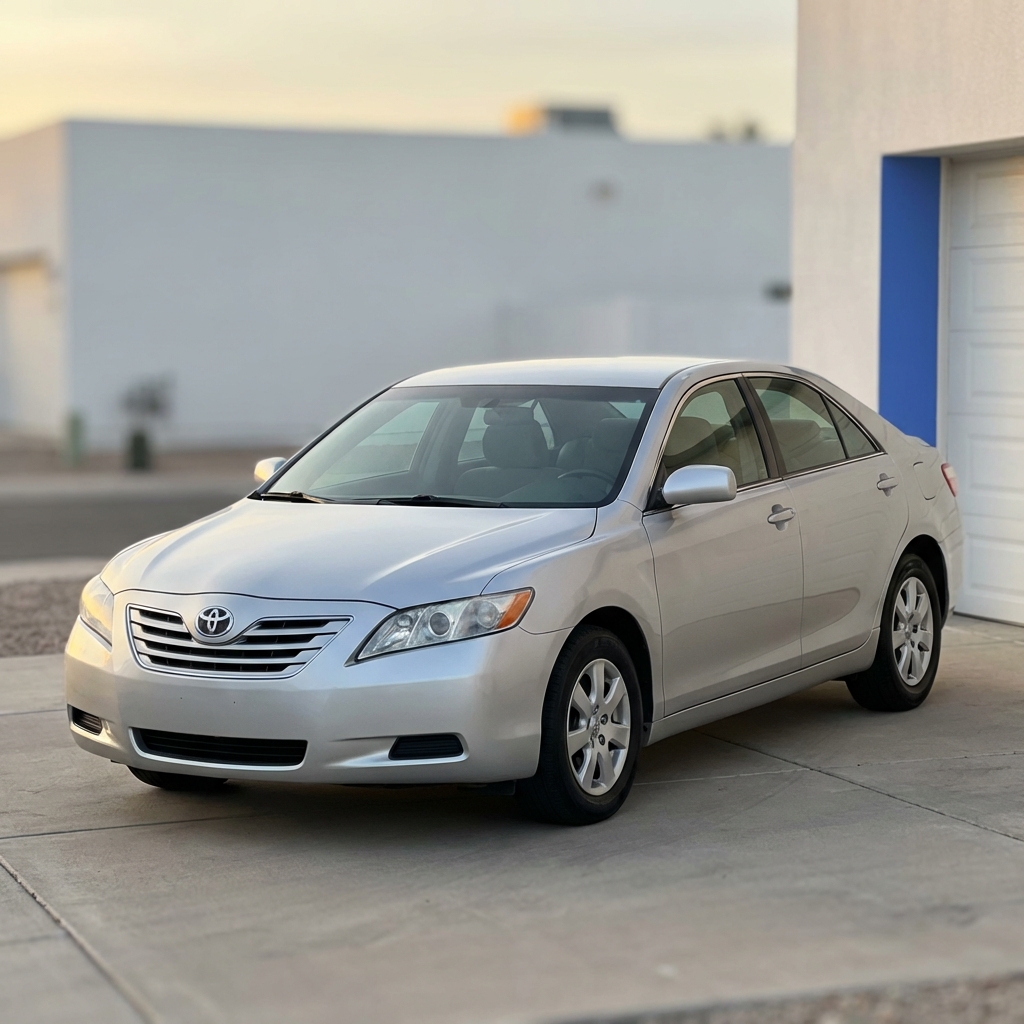
Why buyers like it: Roomier than a Corolla and often built with slightly more robust components. Watch for: Higher repair costs if the engine starts consuming oil or if transmission service was deferred. Well-serviced Camrys are often the best answer to “what car can I get for $7000” when you want more space.
Honda Civic and Accord
Why buyers like them: Durable engines and generally long life. Watch for: Older Civics might show late-model transmission issues or neglected coolant systems on certain years; Accords can be pricier to fix if major parts fail.
Mazda3
Why buyers like it: Better driving feel and often a sportier setup. Watch for: Some models were driven aggressively; look for service history and signs of how the car was driven.
Hyundai Elantra / Kia models
Why buyers like them: Often well-equipped with features and a lower asking price. Watch for: Early generation models may have patchy maintenance - but they can be great value if they’ve been cared for.
Subaru Outback / Forester
Why buyers like them: Standard all‑wheel drive and good for snowy climates. Watch for: Head gasket issues and oil consumption on some older Subaru engines - confirm service records and look for oil stains.
Understanding the tradeoffs
Choosing what car to get for $7,000 means accepting higher near-term maintenance risk. Typical items that show up: worn struts and shocks, brakes near replacement, tires, hoses, belts, and sometimes timing belt or water pump service. At this price, warranties are rare and cosmetic flaws are common.
Realistic maintenance expectations and costs
Set aside 10–20% of the purchase price for immediate repairs - for a $7,000 car, that’s roughly $700–$1,400. Typical costs to expect:
Brake pads and rotors: $200–$600
Tires (set): $400–$800 depending on brand
Struts/shocks (pair): $300–$800
Timing belt and water pump: $500–$1,500 (model-dependent)
Minor coolant or hose repairs: $100–$400
Those numbers explain why a pre-purchase inspection is a small price to pay compared with the cost of a catastrophic failure.
How mileage and age interact
A 2010 car with 150,000 miles can be a better value than a 2015 car with 150,000 miles - the older car likely accumulated miles more gradually. When evaluating listings, compare both build year and mileage, and look for maintenance clues like timing belt changes, brake receipts, and regular oil-change records.
One practical place to begin your search for verified history is CARFAX Deals, which pairs listings with CARFAX Vehicle History Reports and pricing context to help you spot good deals more quickly.
Where to look for cars under $7,000
You can search private sellers, local dealers, and dealer auction stock. Each channel has pros and cons:
Private sellers
Pros: Often lower prices and room to negotiate. Cons: No dealer protections and you must verify paperwork yourself.
Local dealers
Pros: May handle registration and offer limited consumer protections. Cons: The lowest-price stock often comes from auctions and can have unknowns.
Marketplace aggregators and verification-first sites
Sites that emphasize verified history reports can save you time. If you’re asking “what car can I get for $7000?” starting on a platform that shows full vehicle history reports reduces the chance you’ll waste time on a risky listing.
How to evaluate a listing online
Photos, descriptions, and documented maintenance make a listing trustworthy. Look for multiple clear photos of the exterior, interior, engine bay, trunk, and tires. Listings that note recent timing belt work, new brakes, or new tires deserve extra attention.
Red flags in listings
Single-photo ads, vague descriptions, or a seller who refuses to provide the VIN for a history report are warning signs. If you see a low asking price compared to market comps, ask follow-up questions and demand documentation. For examples of common budget buys and how they compare, see examples of budget used cars.
Pre-purchase inspection: the non-negotiable step
Get an independent mechanical inspection before you buy. A qualified mechanic will check for rust in hidden areas, oil leaks, frame damage, and early signs of serious wear. That inspection fee (often $100–$200) can save you thousands - like in the common story of a buyer who skipped an inspection and later had a timing belt failure that cost more than the car’s purchase price.
Inspection checklist (what to ask the mechanic to check)
Underbody rust and frame integrity
Engine oil condition and leaks
Transmission operation and fluid condition
Suspension components, bushings, and mounts
Brake system condition (pads, rotors, calipers)
Cooling system (radiator, hoses, water pump)
Tire wear and alignment
Signs of prior collision repair or structural damage
How to test drive like a pro
Treat the test drive like a job interview. Start with a cold engine and open the hood to check for oil sludge, leaks, or a cracked coolant reservoir. On the road, check:
How it starts and idles
Acceleration and engine smoothness
Transmission shift quality (automatic) or clutch feel (manual)
Steering alignment and responsiveness
Suspension noises over bumps
Brake feel and stopping distance
Test electronics, HVAC, and windows too - many low-cost cars hide expensive infotainment or HVAC fixes.
Red flags to walk away from
Major alerts include salvage/rebuilt/flood titles, inconsistent VINs, refusal of independent inspections, visible frame damage, and excessive smoke from the tailpipe. These are strong reasons to step away even if the price seems attractive.
It’s realistic if you choose a common, reliable model with documented maintenance and a clean title; use a vehicle history report and an independent inspection to confirm condition, and budget 10–20% of the purchase price for immediate repairs.
Negotiation tactics that keep you in control
You don’t need to be aggressive to negotiate effectively. Use facts from the inspection and market comparables. Phrases that work:
“The inspection shows I’ll need new struts and a timing-belt service; can you adjust the price to reflect that?”
“Similar vehicles in this area are selling for X — would you meet me at Y?”
“I like this car, but my budget requires it to be under X after repairs.”
Remain polite and factual; sellers respond better to clear evidence than pressure.
Financing and paperwork basics
Lenders treat low-cost loans differently. Some banks and credit unions have minimum loan amounts or stricter underwriting for older cars. If you need financing, talk to local credit unions and lenders who work with used-car loans under $10,000 and ask about inspection or title requirements.
Paperwork checklist
VIN matches the title and history report
No unexpected brands on the title (salvage, rebuilt)
Seller name matches the title
Bill of Sale with purchase price and odometer statement
Maintenance receipts and service records, if available
Practical post-purchase priorities
After you buy, do these things right away:
Change oil and filter unless a recent receipt shows it’s fresh
Replace tires and brake pads/rotors if they were flagged
Address any recommended timing-belt or water-pump service
Flush and replace fluids if the mechanic recommends it
Being proactive will typically cost less than waiting for parts to fail catastrophically.
Sample 12‑month budget for a $7,000 car
Below is a conservative example for the first year:
Insurance, taxes, registration: variable by state - budget $800–$1,500
Total first-year ownership cost (excluding fuel): roughly $2,300–$4,500 depending on state fees and how much immediate work was required.
Regional and seasonal factors that affect value
Where you live matters. Cars from dry climates often have less rust than those used in snowy regions that salt roads. Supply also varies: in some markets $7,000 stretches further. If your local market lacks options, consider widening your search radius by 50–100 miles - but include an inspection contingency or plan to have the vehicle checked by a trusted mechanic upon arrival.
Which errors cost you the most?
Skipping a pre-purchase inspection, ignoring a documented need for timing-belt service, or missing title brands are the biggest mistakes buyers make. Those errors can turn a $7,000 purchase into a major expense.
Common repairs by model and ballpark costs
Knowing the typical repair risks by model helps when you’re deciding which answer to the question “what car can I get for $7000?” will give you the fewest surprises.
Toyota Corolla / Camry
Common repairs: brakes, struts, occasional head gasket issues on older Camrys (rare). Ballpark major repair: $800–$2,000.
Honda Civic / Accord
Common repairs: ignition, coolant leaks on certain years, transmission service. Ballpark major repair: $900–$2,500.
Subaru Outback / Forester
Common repairs: head gasket repairs and oil consumption in some engines. Ballpark major repair: $1,200–$3,000 (head gasket jobs are costly).
Mazda3
Common repairs: suspension and engine mount wear, possible turbo issues on some variants. Ballpark major repair: $800–$2,000.
Negotiation scripts and real examples
Use inspection findings as bargaining chips. Example script: “I want to buy this car today, but the inspection shows I’ll need X and Y services that will cost about $1,100. Would you accept $6,000?” That gives the seller a clear, reasoned offer tied to verifiable facts.
When to walk away
Walk away if the seller refuses an inspection, the VIN doesn’t match the title, the title has a salvage brand you’re not comfortable with, or if the car shows structural damage or heavy rust. There will be other cars - patience wins.
How verified marketplaces can help
Marketplaces that surface verified vehicle history reports and price context simplify the early phase of your search. They won’t replace an inspection, but they reduce the number of risky leads you chase. For deeper buying guidance see Consumer Reports' best used cars under $15,000.
Why CARFAX Deals is a useful starting point
CARFAX Deals pairs listings with CARFAX Vehicle History Reports and pricing labels like “Great Deal” or “Good Deal.” That extra transparency helps answer the question “what car can I get for $7000?” faster by surfacing listings with documented service history and clear title status.
Common buyer questions (and short answers)
Can I find low mileage for $7,000? Sometimes - rare low‑mileage examples exist, especially with private sellers who kept a car for years. They’re less common and usually priced higher.
Should I buy from a private seller or dealer? Both have tradeoffs: private sellers may be cheaper, dealers may handle paperwork. Prioritize clear titles and thorough service records no matter which you choose.
Extra tips to reduce risk
Always run a history report (VIN check) and verify odometer consistency - try a VIN report.
Ask for a maintenance log and receipts; they’re golden.
Bring someone who knows cars on the test drive if you’re not confident.
Be ready to walk away - it’s your strongest negotiating tool.
Checklist before you close the deal
Before handing over money, confirm the VIN matches the title, get a Bill of Sale, verify there are no liens, and make sure the seller signs the title properly. If financing, confirm your lender’s requirements for older vehicles.
Final comparison advice: picking a winner
When choosing what car can I get for $7000, favor documented, common models with clear service history. If you compare two similar vehicles, the one with a complete maintenance log, fewer owners, and a clean history report wins every time.
Narrow down smart options with verified history
Ready to check verified listings? Start your search with a vehicle history report to narrow down strong candidates and avoid surprises - it’s a quick way to separate promising cars from risky ones. Run a report on CARFAX Deals to see listings with full history information and pricing context.
Week 1: Research models and set alerts on marketplaces - check the blog for tips. Week 2: Run history reports on promising listings and contact sellers. Week 3: Arrange inspections and test drives. Week 4: Negotiate, finalize paperwork, and plan immediate maintenance.
Real buyer story
A friend bought a neat 2008 sedan for $5,800 from a private seller and skipped the inspection after the seller claimed the timing belt was recently changed. Two weeks later the belt failed and the engine required a rebuild that cost more than the car - a costly reminder that inspections matter. That story happens frequently enough to take note.
Wrap-up: a realistic answer to the main question
To answer “what car can I get for $7000?” - you can find a dependable, practical vehicle if you prioritize common, reliable models, insist on a vehicle history report and an independent inspection, and budget for immediate maintenance. With careful steps, $7,000 can buy dependable transportation rather than a constant surprise fund.
Good luck on the hunt - a sensible car is often one inspection away.
Plan to set aside about 10–20% of the purchase price — roughly $700 to $1,400 — to cover likely immediate needs like tires, brakes, small fluid leaks, or a timing-belt check. If the inspection uncovers a major issue, you may need more, but this buffer is a reasonable starting point.
Yes. Run a vehicle history report early to screen for title brands, accident history, and ownership records. A history report won’t replace an independent inspection, but it helps you avoid wasting time on a car with red flags. Marketplaces like CARFAX Deals surface listings already paired with verified reports to speed this step.
Sometimes. Low‑mileage examples at this price are rarer and often held by private sellers. If you find a low‑mileage listing, verify the odometer with a history report and ask for maintenance records. A verified listing with a full CARFAX Vehicle History Report is a safer bet.
Yes—you can find a dependable car for $7,000 if you focus on common, well‑documented models, run a vehicle history report, get an independent inspection, and budget for immediate maintenance; safe driving and happy hunting!

 Blog
Blog